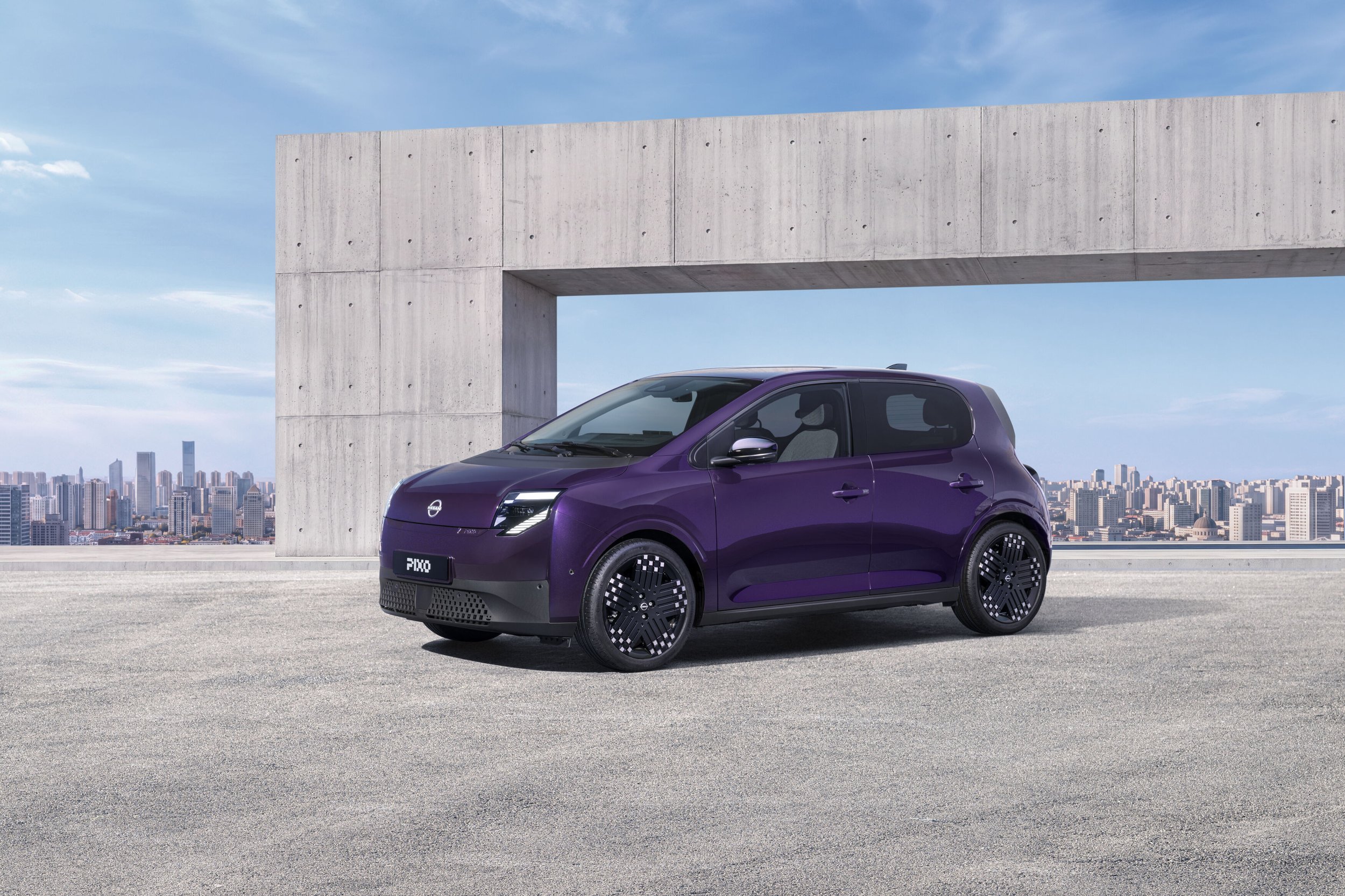
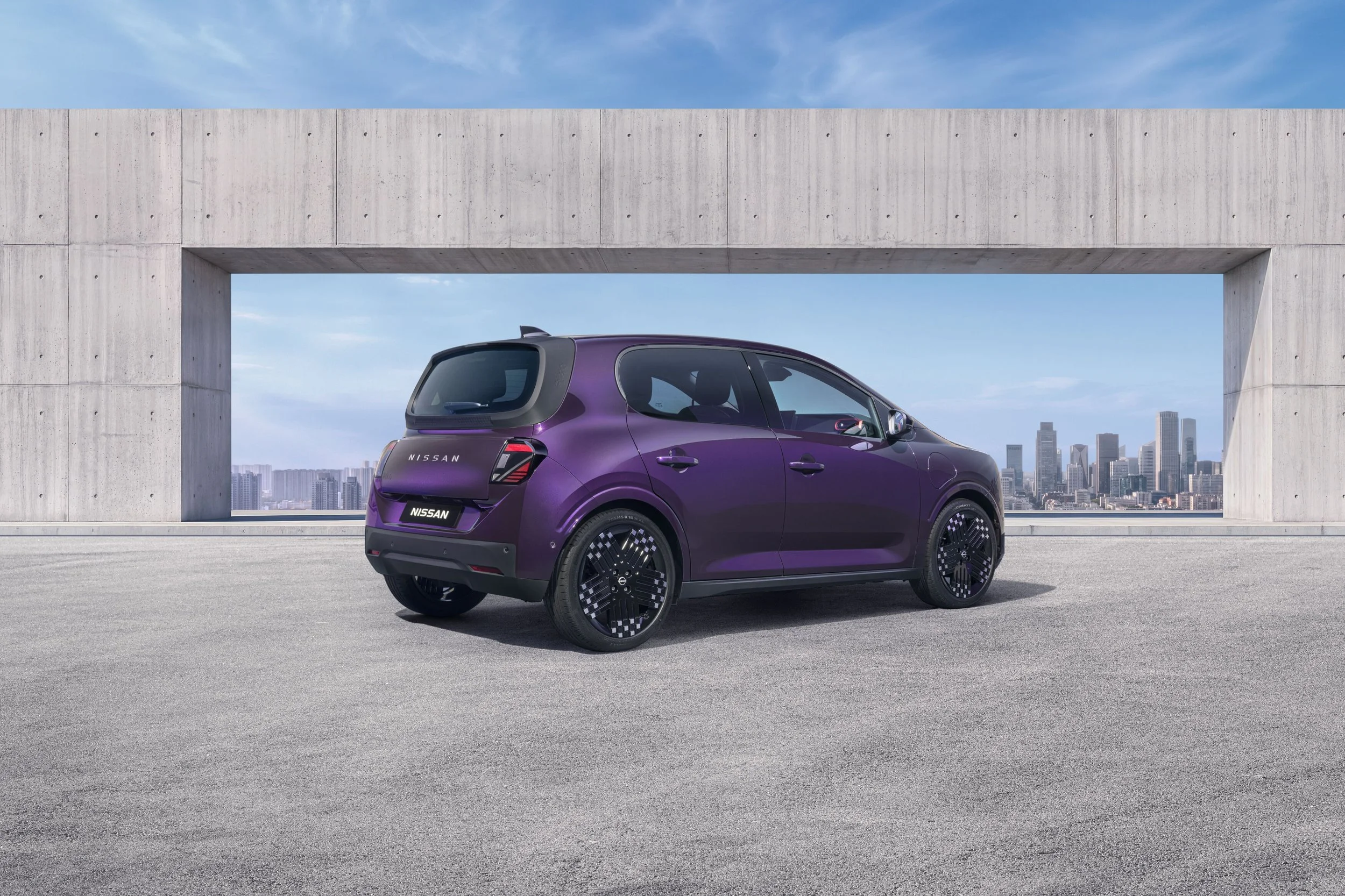
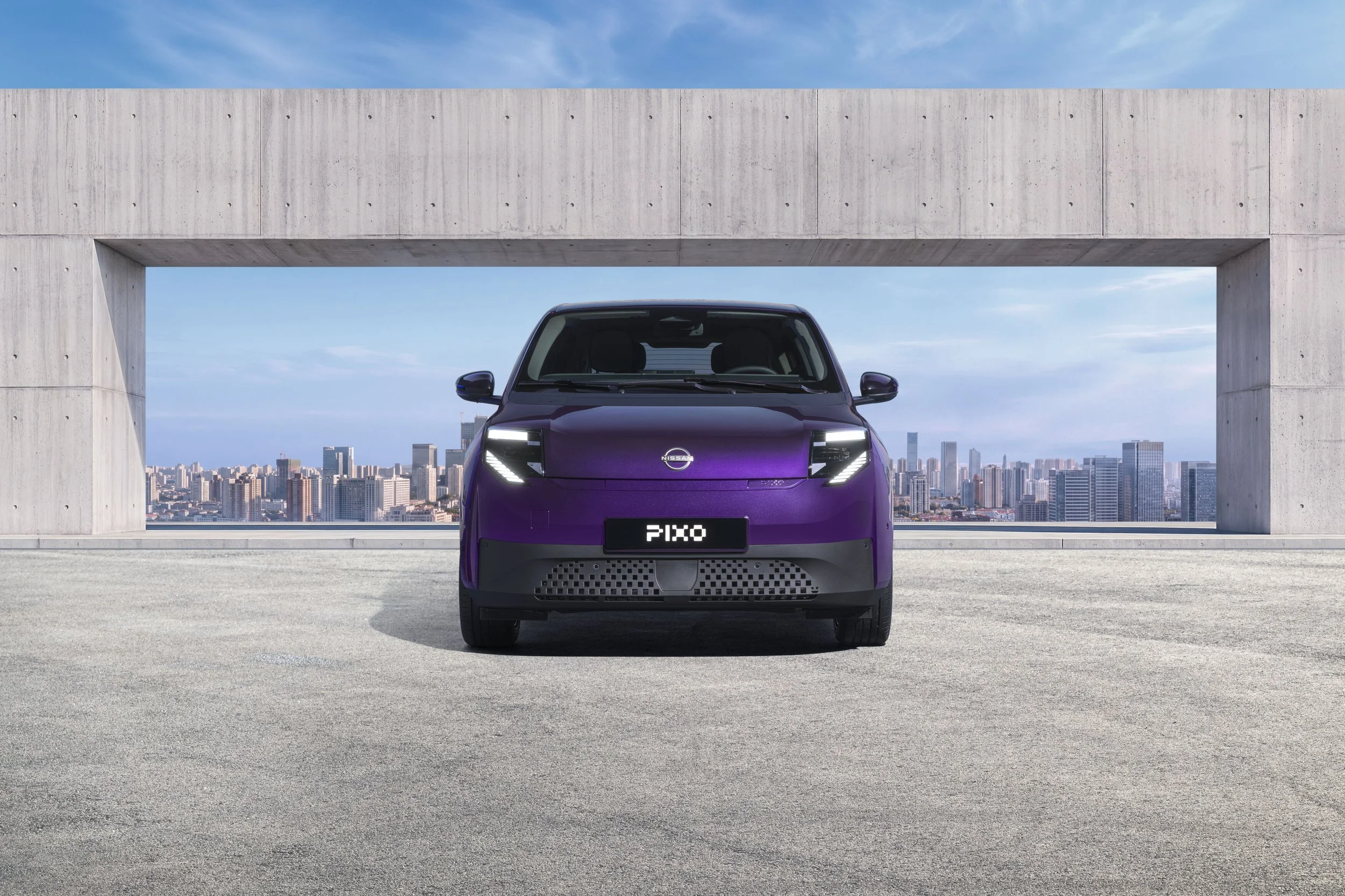
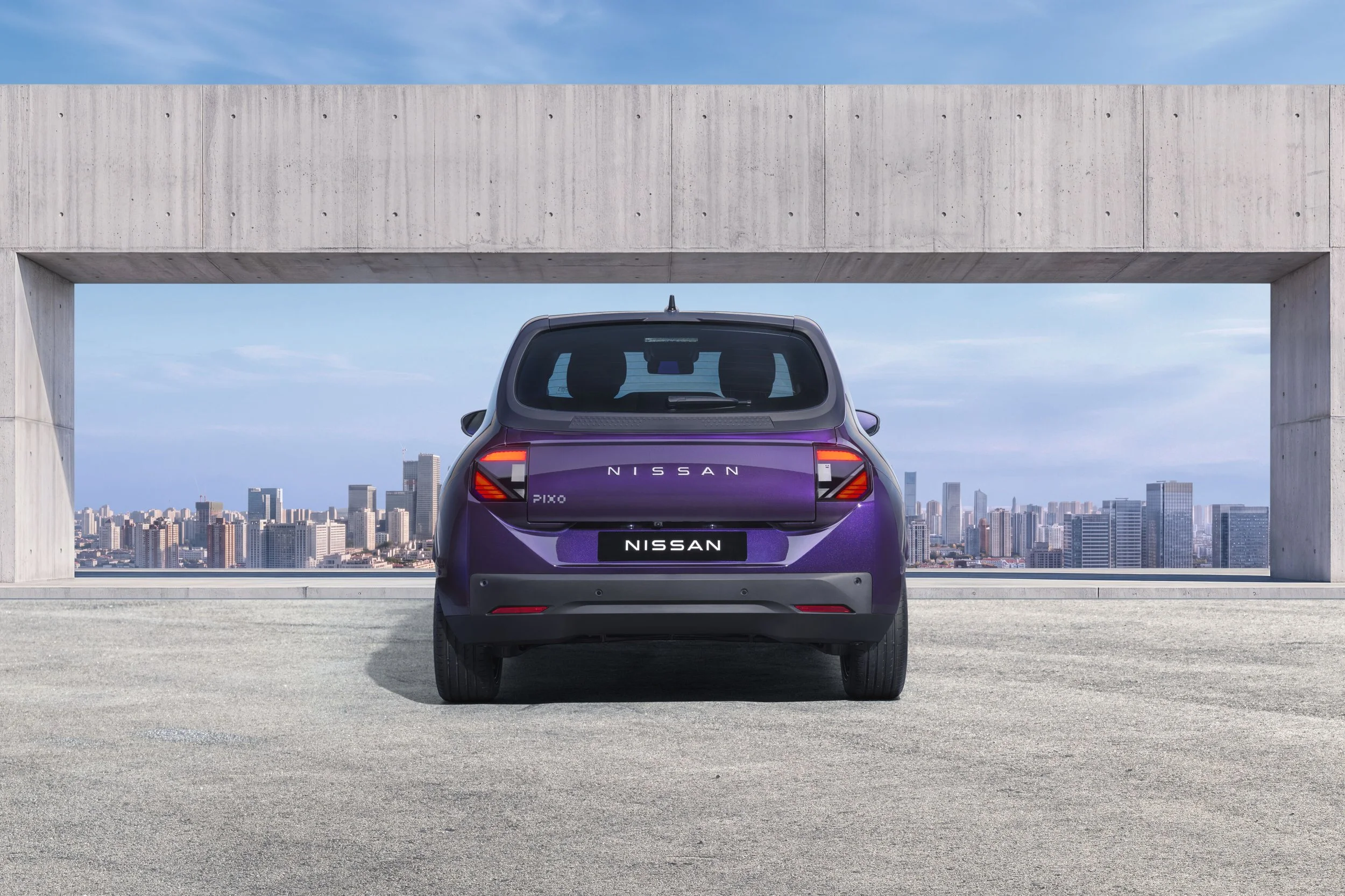
The new Nissan PIXO returns as a small, high-tech, electric city car
The original Nissan Pixo, produced from 2009 to 2013, was powered by a naturally aspirated 1.0 litre, 3-cylinder engine producing 67 bhp and 90 Nm of torque, and was capable of gathering momentum from 0-62 mph in 14 seconds for the 5-speed manual and 17 seconds for the 4-speed auto.
It was pitched as a cheap-to-run city car being of group 2 insurance and able to achieve more than 64 mpg, so it’s perhaps no mistake then that the all-new PIXO is laser-focused on providing value by also being cheap to run, albeit this time around it’s fully electric.
And just like today’s PIXO, the original was built on shared architecture, but back then it was Suzuki’s Alto that shared common parts with the Pixo. Now, the all-new PIXO shares its architecture with the new Renault Twingo and the all-new Dacia Spring.
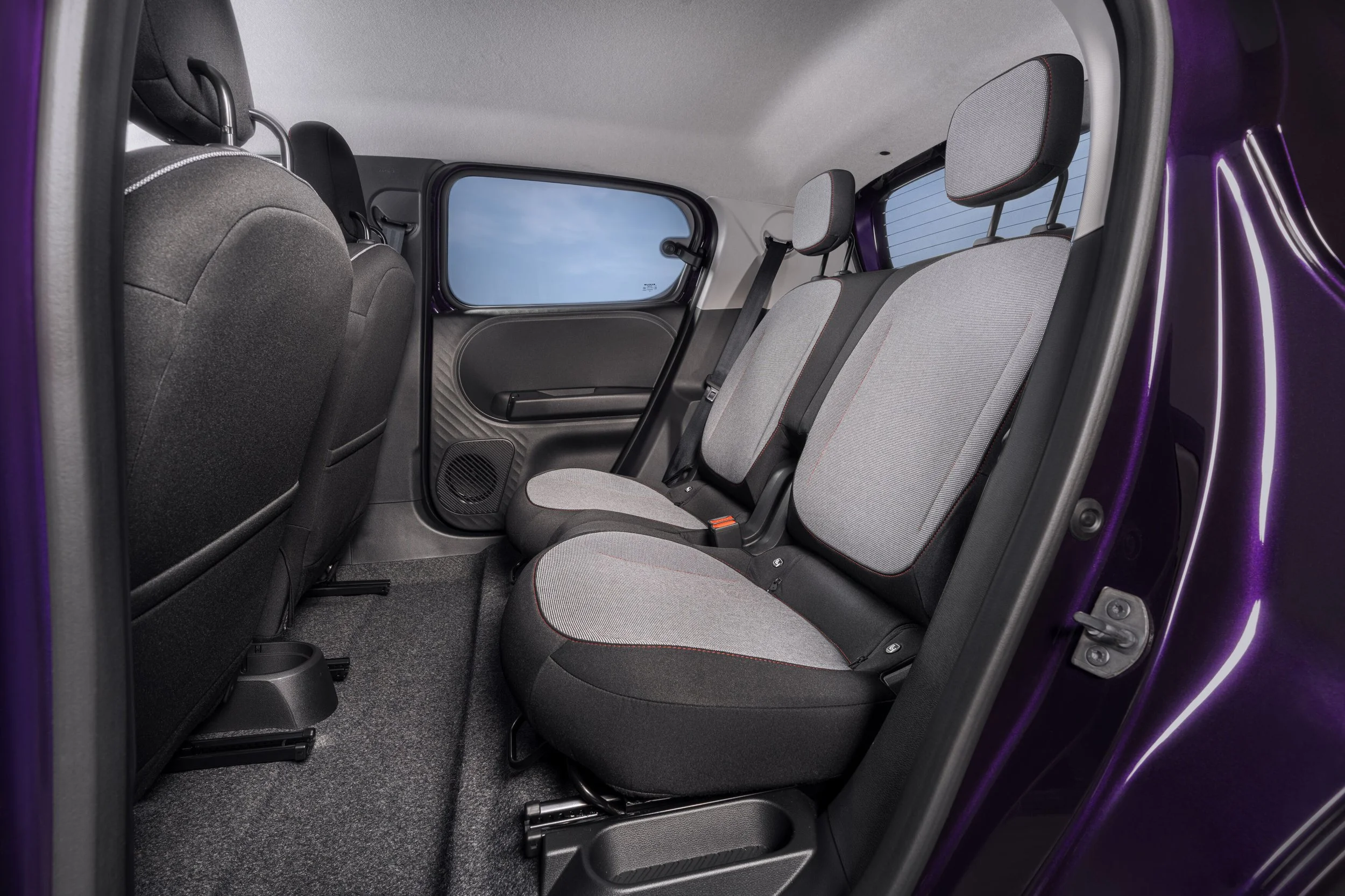
There’s been a slight increase in size from the old 3.5 meter Pixo of 2009, as the new version has been stretched to almost 3.8 meters, meaning more room inside for occupants and their luggage.
Performance
The Nissan PIXO has had a performance upgrade when compared to it’s naturally aspirated predecessor from over a decade an a half ago.
Zero to 60 mph can now be completed in a much more spritely 11.9 seconds thanks to its 82 hp, 175 Nm front-mounted electric motor.
Top speed is maxed out at 81 mph, which is more than enough for U.K. roads.
Battery, Charging and Range
All PIXO’s come with the Renault Nissan Alliance 27.5 kWh Lithium Iron Phosphate (LFP) battery, meaning a 100% charge is preferred if charging regularly, so that 161 miles of estimated range will be available after each AC charging session.
However, Nissan (like its partners) will be offering bi-directional charging on its smallest EV which is extremely rare in this class of car.
AC charging is rated up to 11 kW if charging via a three-phase supply, or 7 kW from a single-phase supply.
DC Rapid Charging peaks at 50 kW, which may not sound like much in 2026, but given the car’s relatively small battery it actually charges from 15% to 80% in 28 minutes, which is respectable.
Storage and Practicality
When it comes to the boot space, it’s actually surprisingly cavernous for this class of car. With up to 356 litres of boot capacity, including 50 litres of cable storage underneath, this is on par with much larger cars and should provide more than enough capacity for most peoples needs.
Fold the rear seats down, and that storage extends to a huge 1,221 litres of space, albeit there is a step up for the rear bench so it’s not a completely flat load area.
And the good news doesn’t end there, because the PIXO also offers an additional 18 litres of in-cabin storage, too. However, there is no frunk storage under the bonnet, but given the size of the boot and underfloor storage, it really won’t be missed.
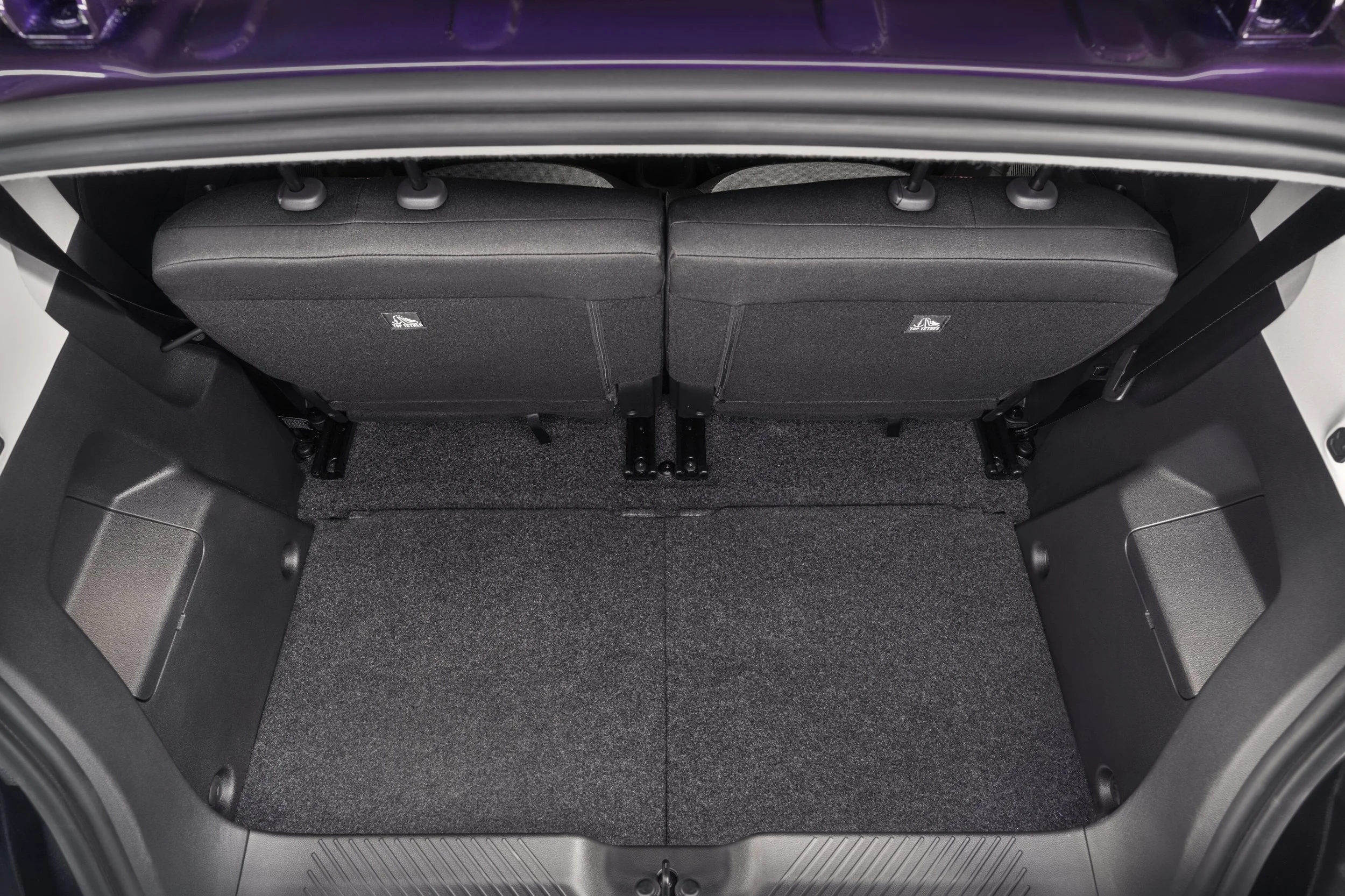
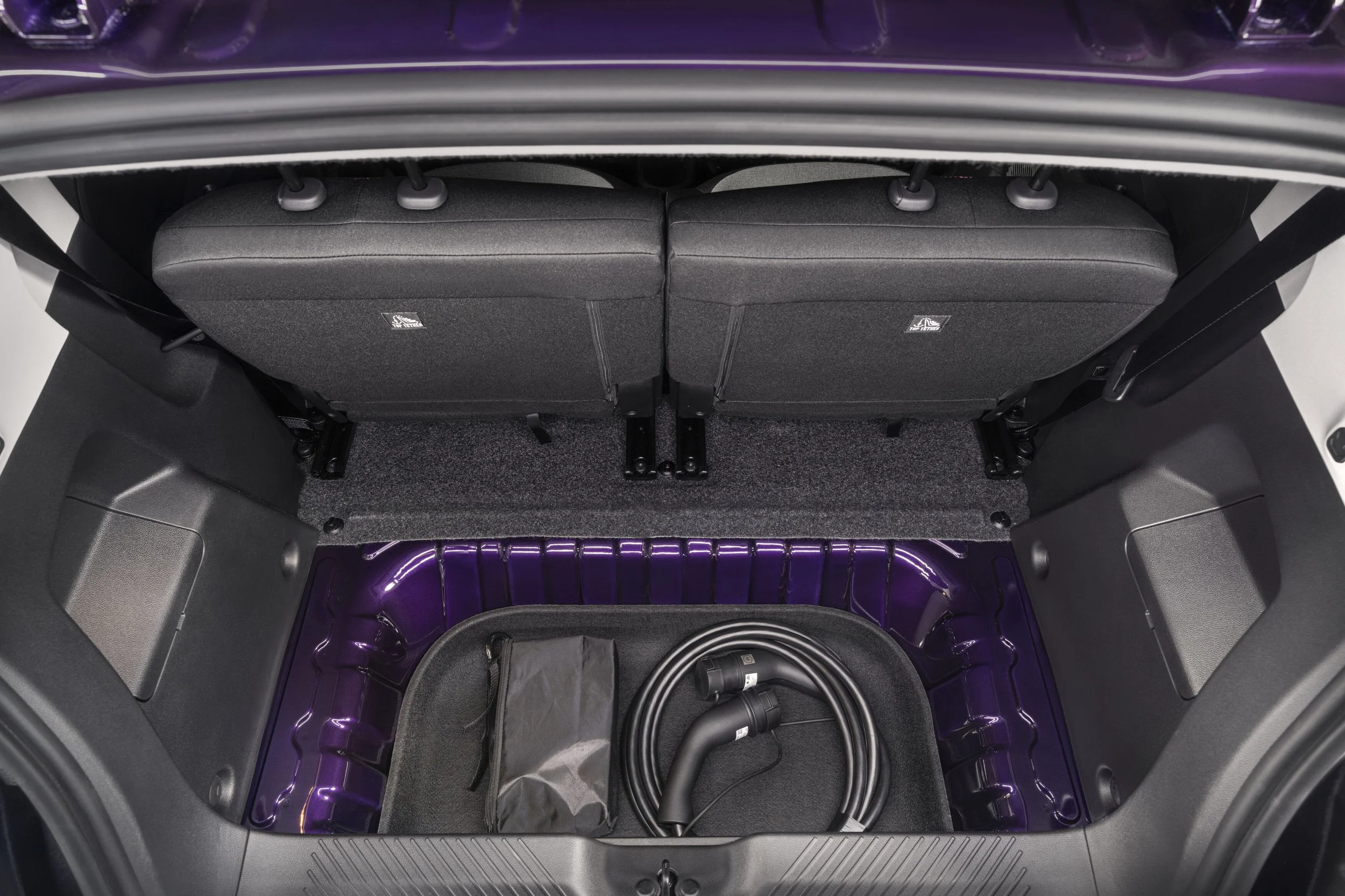

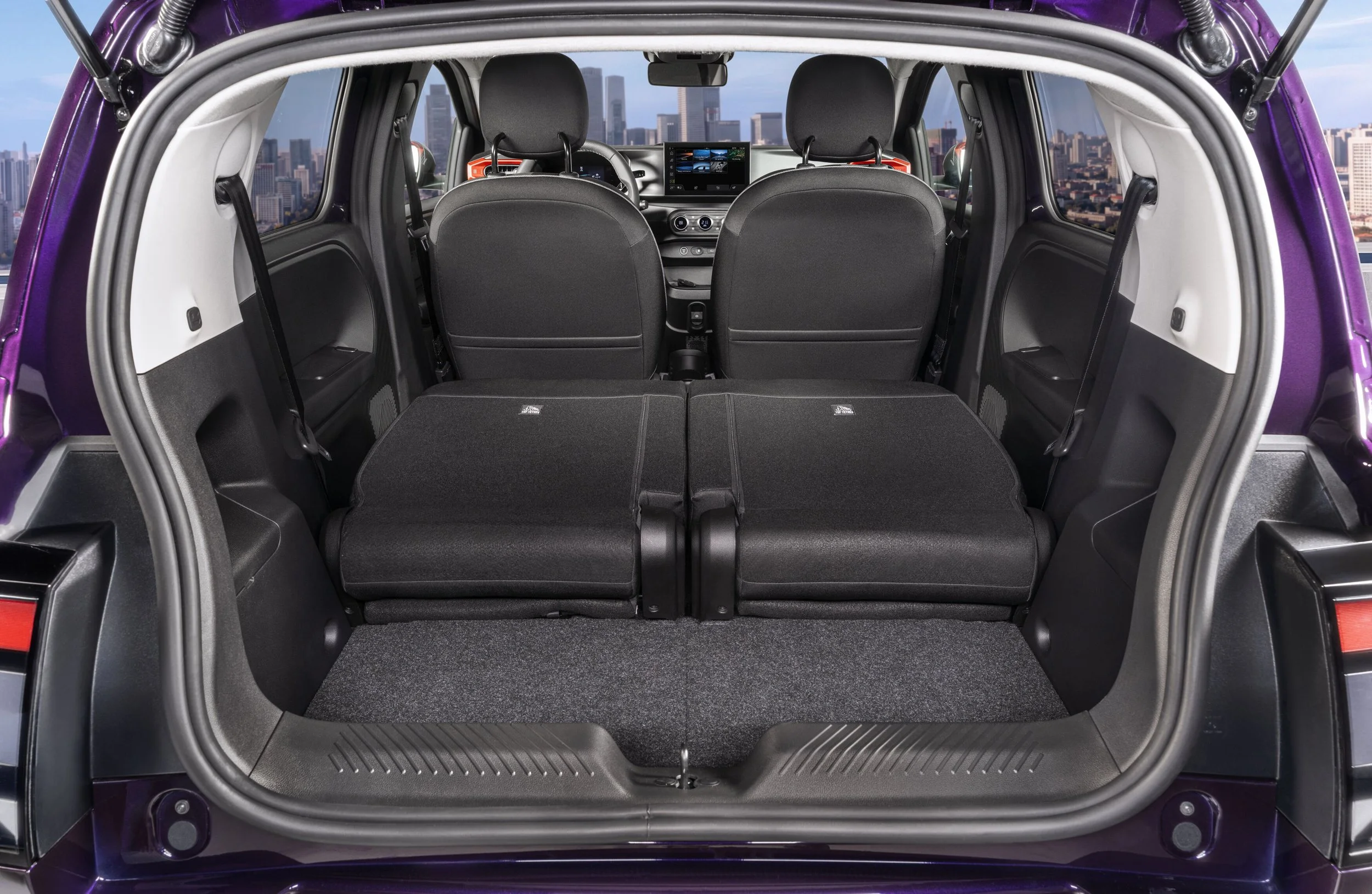
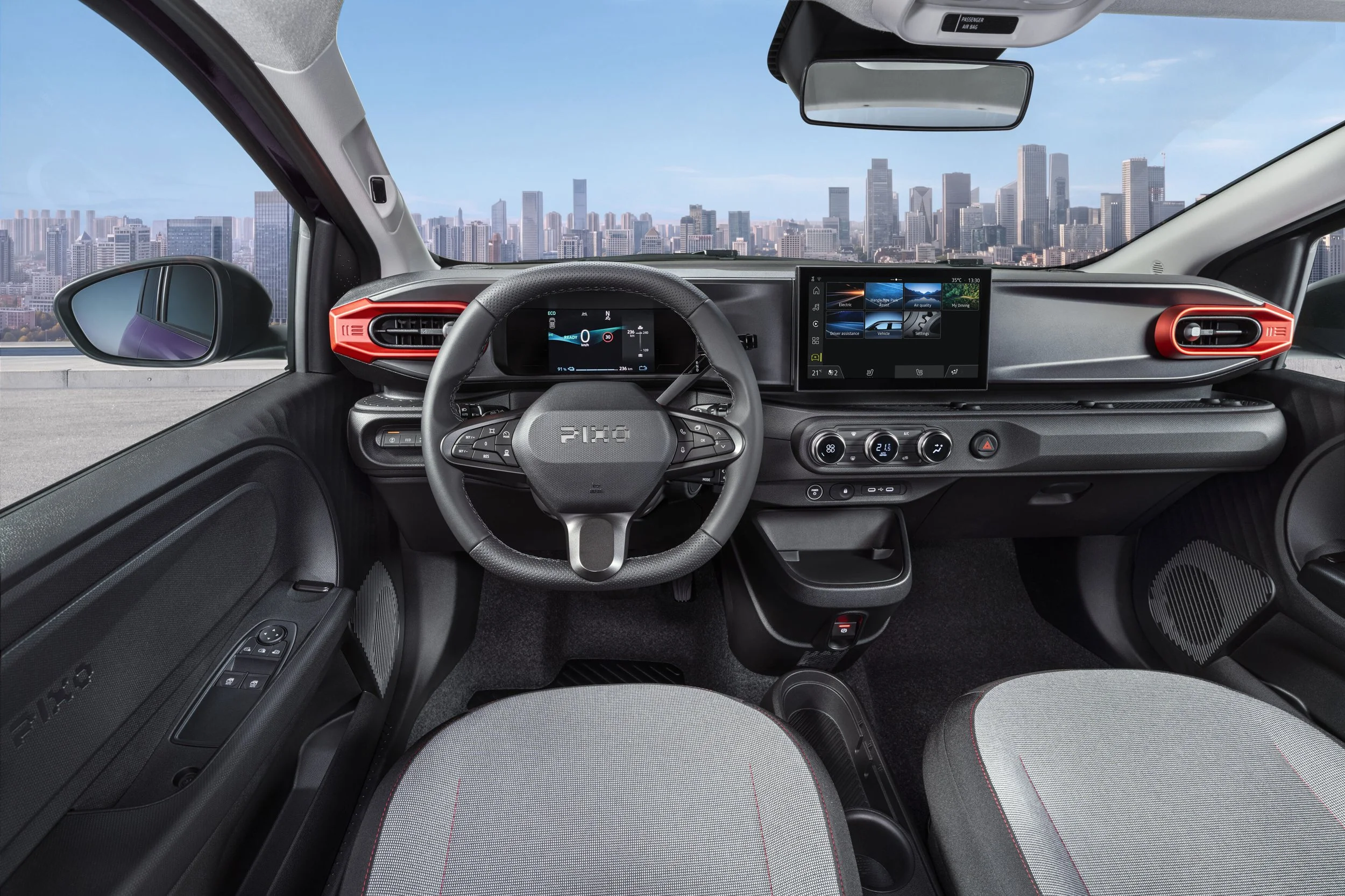
Masato Koyama, Lead Exterior Designer, Nissan Global Design, said: “PIXO proves that great things can come in small packages. Its compact dimensions make it a natural fit for Europe’s cities, but we’ve worked hard to maximise the space within them, creating a cabin that feels open, practical and surprisingly roomy. I can’t wait to see how our customers embrace this bold and fun new EV – that is perfectly suited to urban environments.”
Connected technology
Small cars would often mean basic, but in the case of the new PIXO small doesn’t mean that it misses out on the latest and greatest technology. In fact, it features Googles Gemini AI Assistant which provides personalised support for every journey.
Gemini also supports navigation, entertainment and communication through natural voice commands - simply ask it a question as you would a person, and it will understand and provide the answer, function or service required. And the system learns from conversational history so that it can tailor its responses to the driver’s preference.
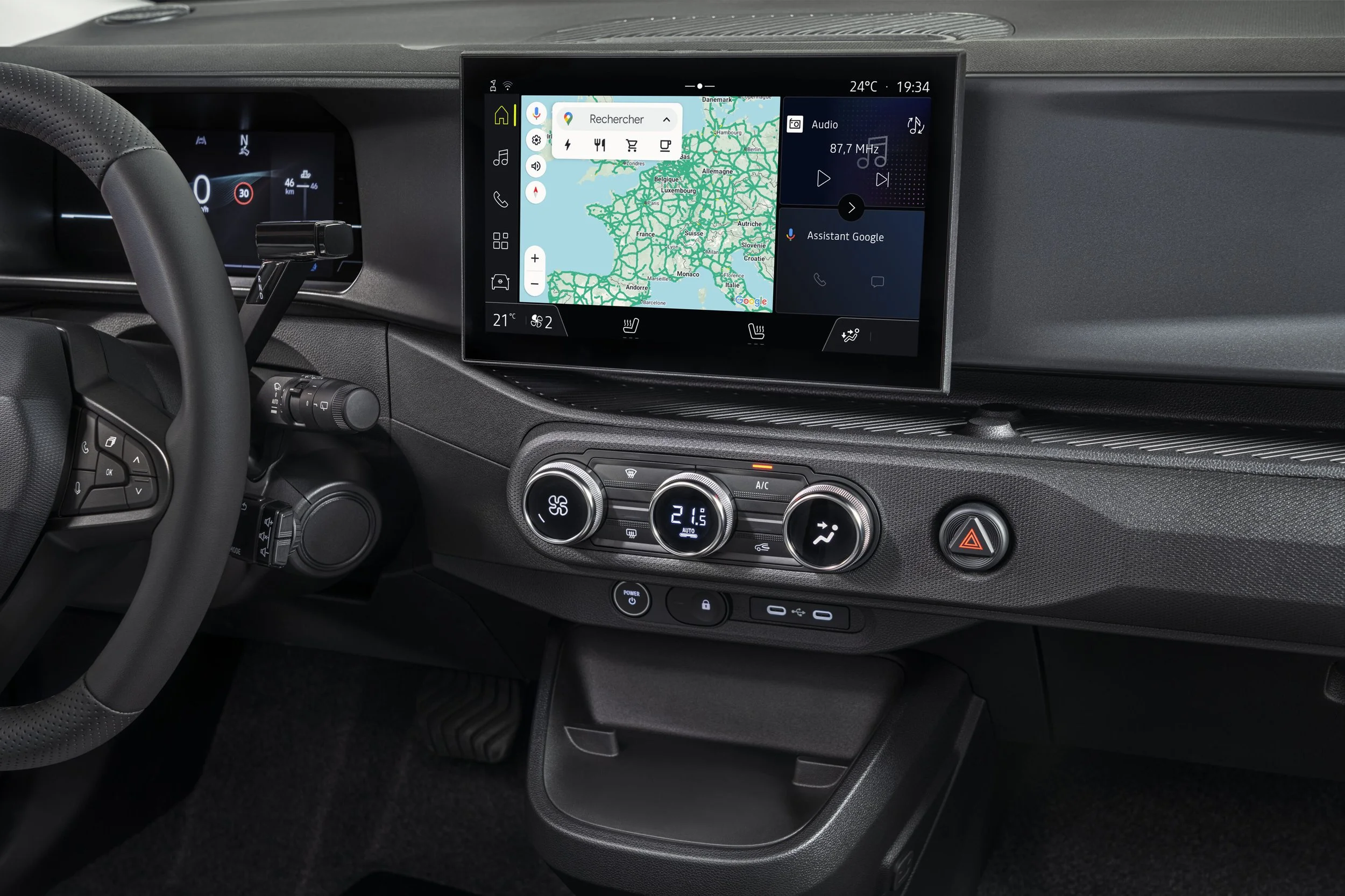
Google built-in
Native Google provides the best navigation on the market with real-time route planning and seamless connectivity, while MyNissan app plus connected services allow customers to manage charging and other vehicle functions.
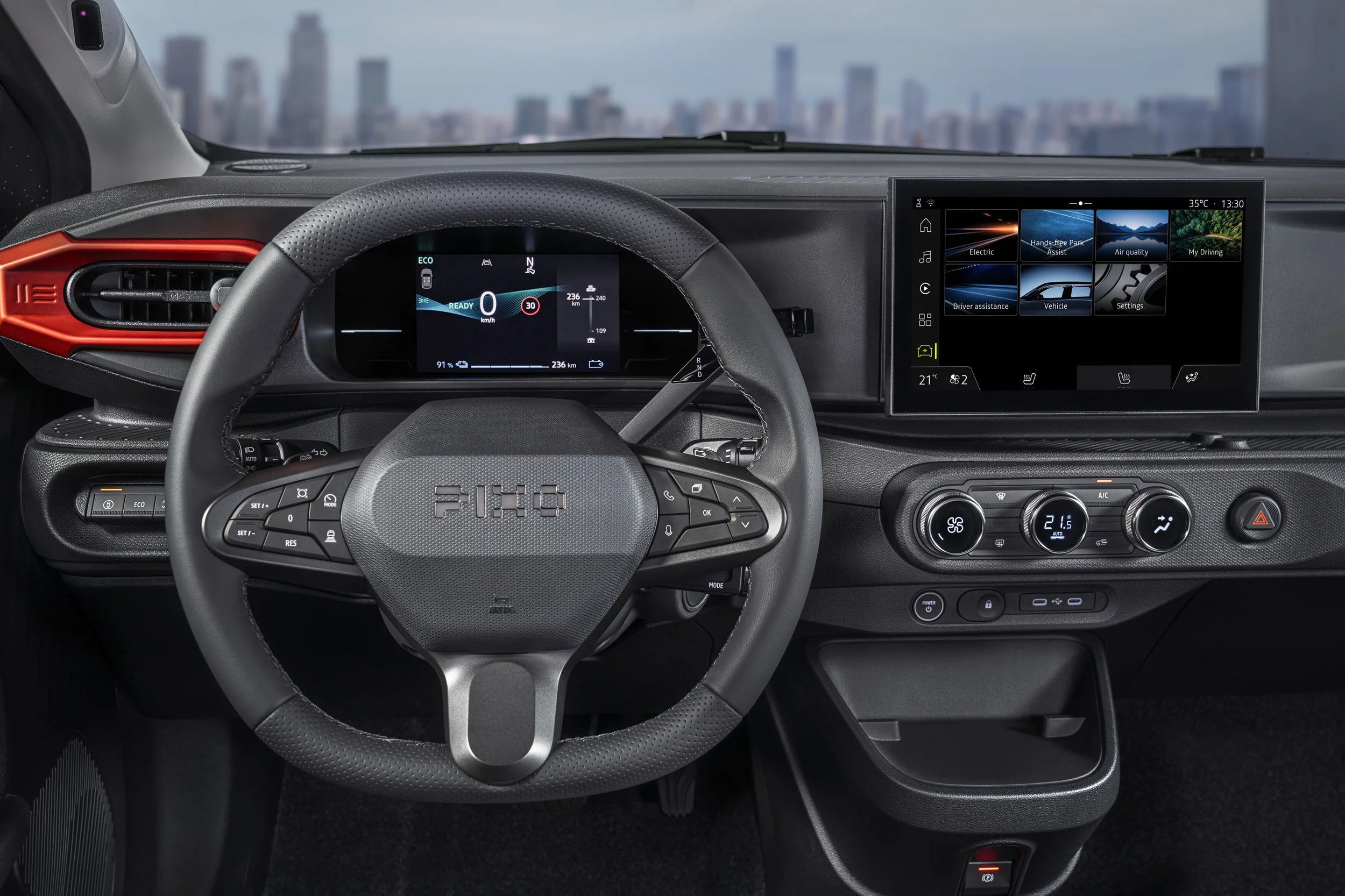
Separate HVAC controls are welcome.
To present all this new technology, every PIXO comes with a 7-inch drivers display and a 10-inch, centrally mounted touchscreen infotainment system.
Safety
The PIXO has a tight turning circle of 9.9m adding to it’s city-dwelling capabilities by navigating tight city streets with ease, and its all-EV drivetrain gives instant response and acceleration off the line (max power 60kW).
Advanced driver assistance systems such as adaptive cruise control that can stop and go with the flow of traffic, Lane Departure Warning, Hands-Free Parking and much more are standard features.
And for fans of one-Pedal driving (that’s me) this is included allowing the driver to start, accelerate, decelerate and stop using only the accelerator pedal, which is ideal for city driving.
Availability
The PIXO was designed with long-standing partner Renault, and has been engineered specifically for European customers. And just like its Twingo and Spring cousins, the PIXO will be produced at Renault's Novo Mesto plant in Slovenia.
Customer deliveries are scheduled to begin from early 2027 with pricing, market specifications, and pre-order information to be announced from December onwards.
———
About the Author
Graeme Cobb is a lifelong car enthusiast with a passion for writing about cars, EVs, industry updates and more.
You can find Graeme on 𝕏 at @graeme_cobb