Seven Seats and an Electric Powertrain Introduces Škoda’s new Peaq
The long anticipated Skoda Peaq has been unveiled with prices and specs to whet the appetite.
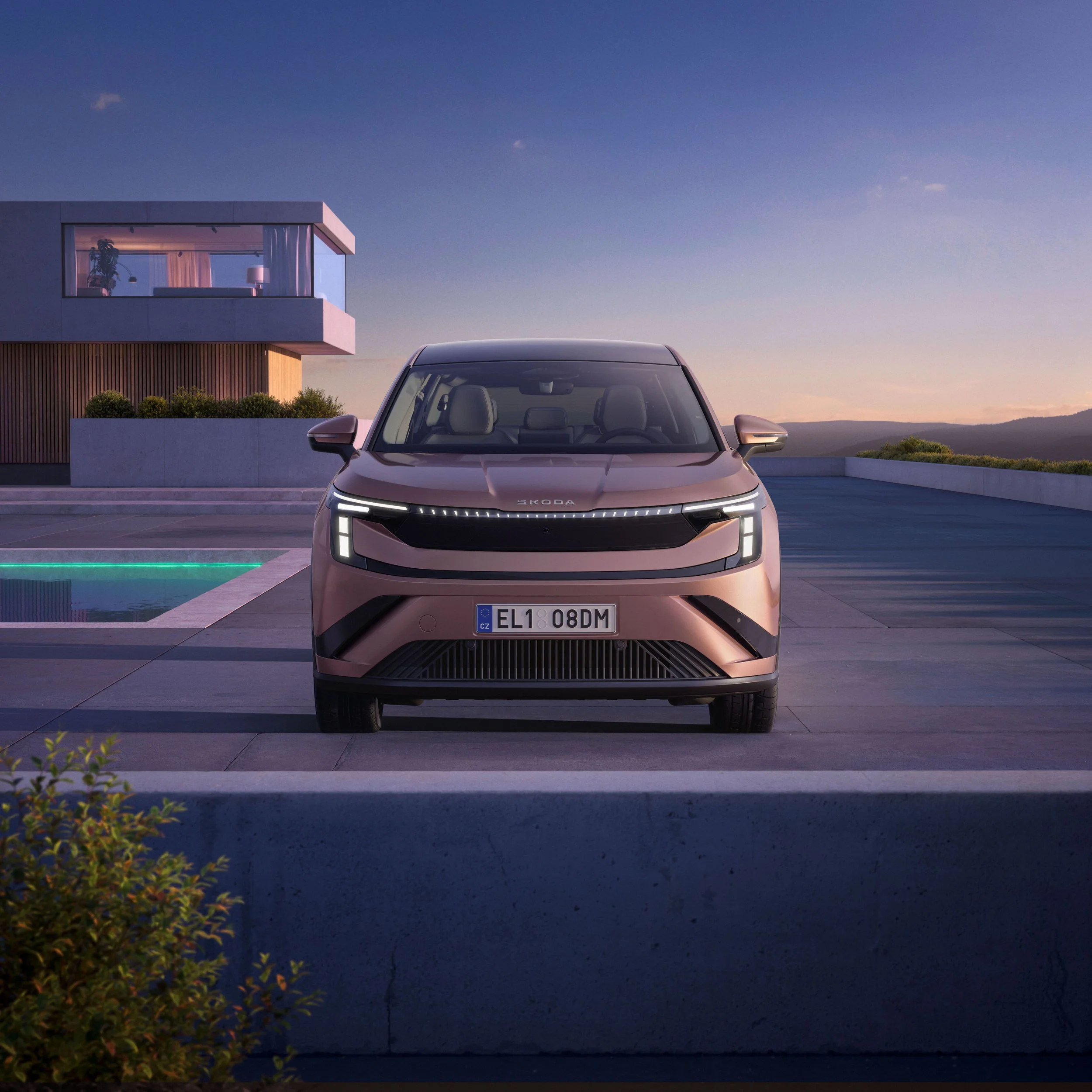
With prices starting from just £51,980 the all-new Škoda Peaq undercuts the excellent Kia EV9 Air by a huge £15,000, so has the Volkswagen Group stumbled across the magic formula for the large, 7-seat SUV class? Quite possibly.
The Peaq SE L 90 kicks off the range with the above starting price, complete with an 86 kWh (net capacity) battery and rear-wheel drive, translating to an almighty 395 miles of range on the WLTP combined test cycle.
If these numbers are to be believed, it would mean that this 4.9 meter long land barge should be achieving 4.5 miles/kWh, which in incredible efficiency. Real-world tests will reveal a truer number, but anything above 300 miles of range is excellent and will be more range than most people will actually need.
At the top of the pile is the Peaq SportLine 90x priced at £60,380 and comes with all-wheel drive. This represents excellent value undercutting the entry price for the Kia EV9 Air. And this flagship Peaq comes very well specced, too.
Space and Practicality
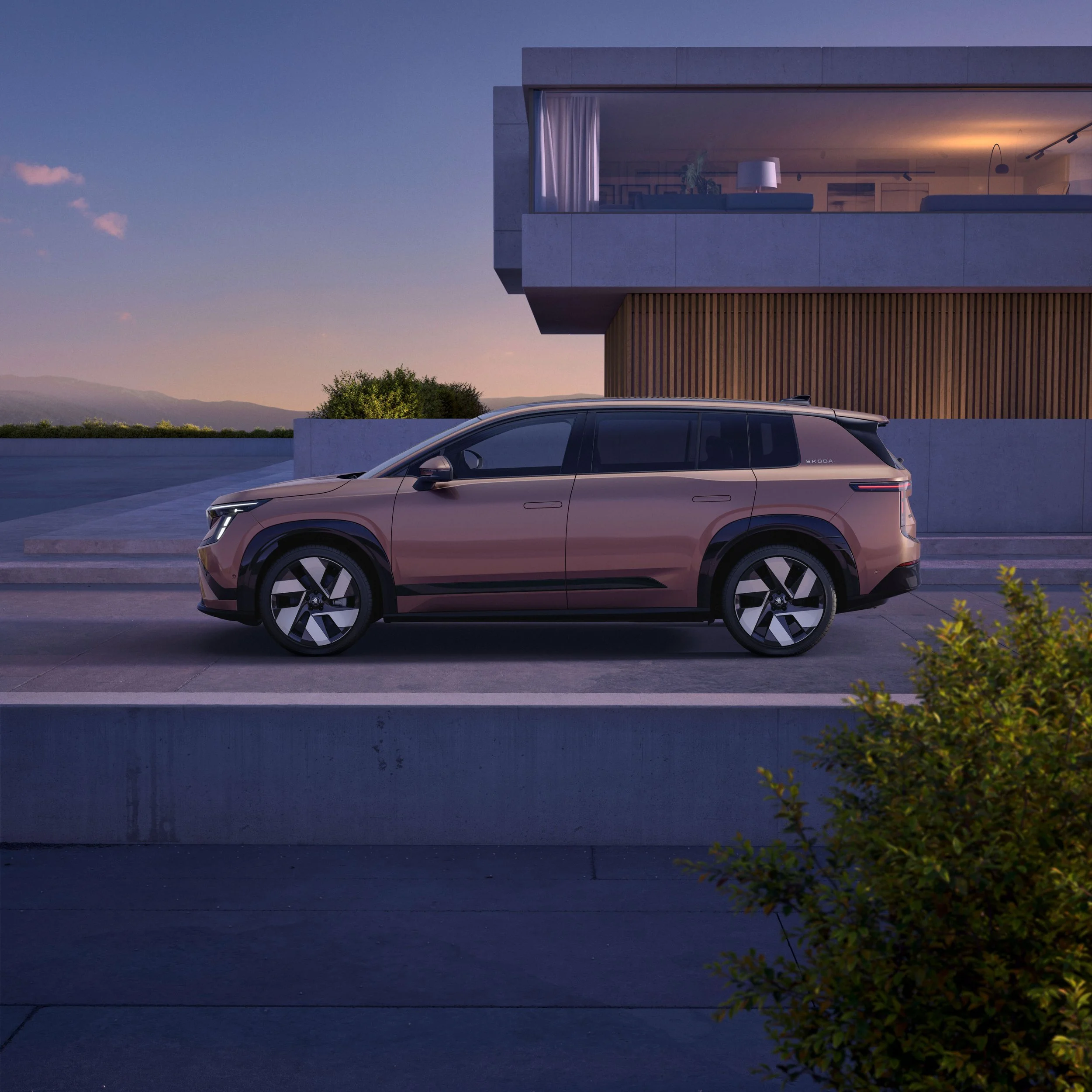
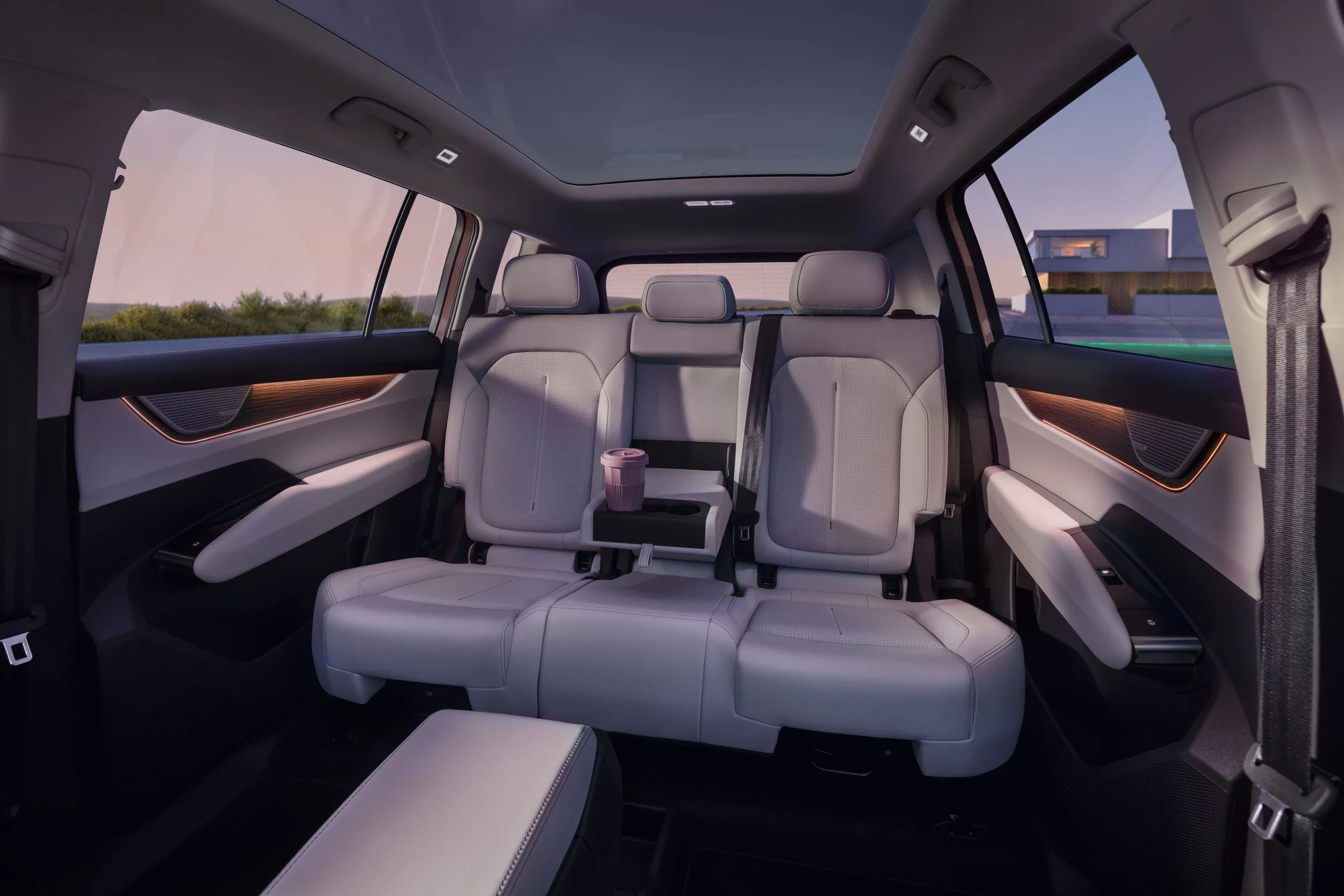
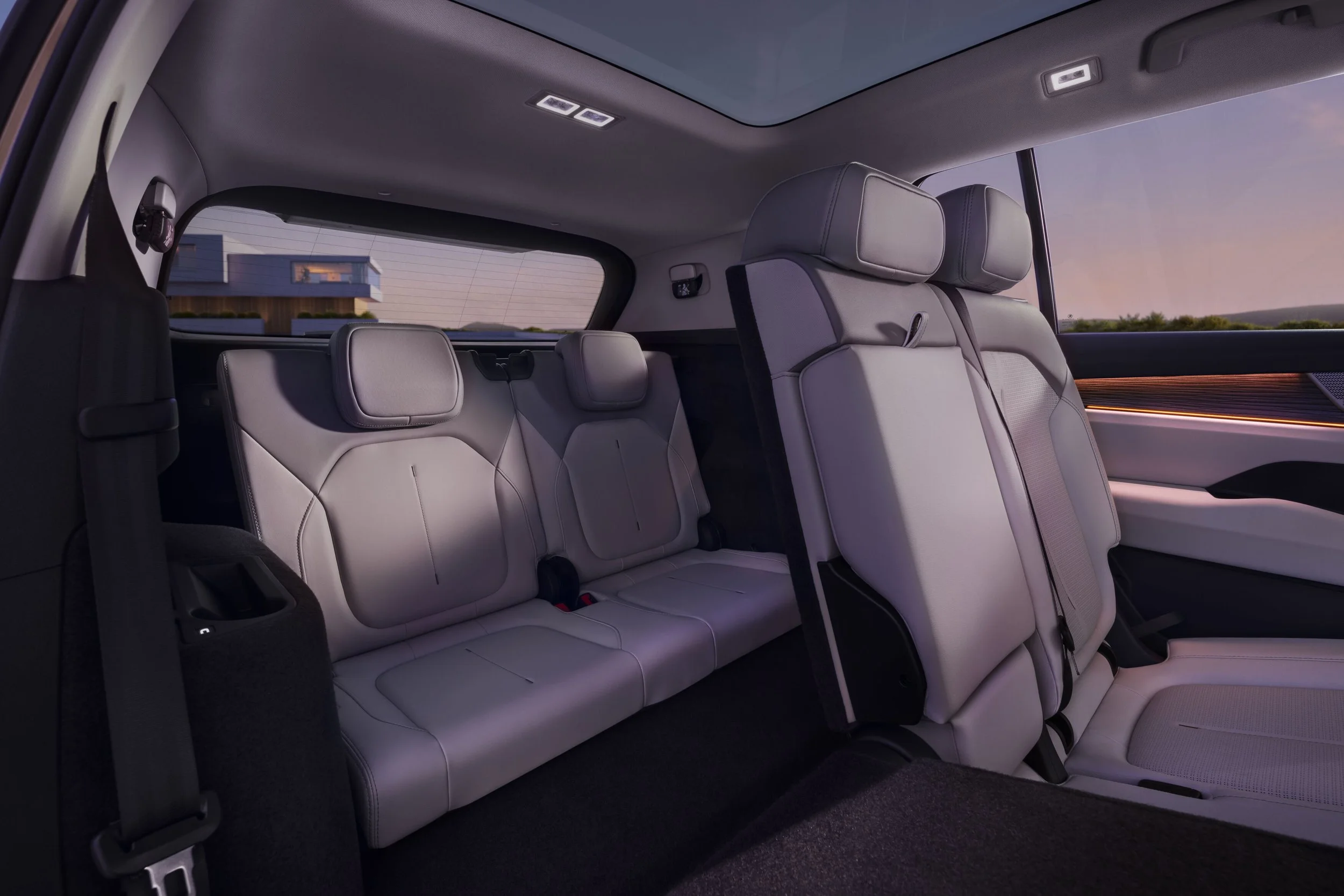
With 7 seats as standard, and a near three meter long wheelbase, passengers in the second and third rows will benefit from exceptional legroom, Škoda claims. The third row provides for “ample” headroom thanks to the boxy shape
With all seven seats upright, the Peaq offers 299 litres of boot capacity. But with the third row of seats folded down, this increases to a near van-like 890 litres. Fold the middle row, too, and that expands to a huge 2,075 litres.
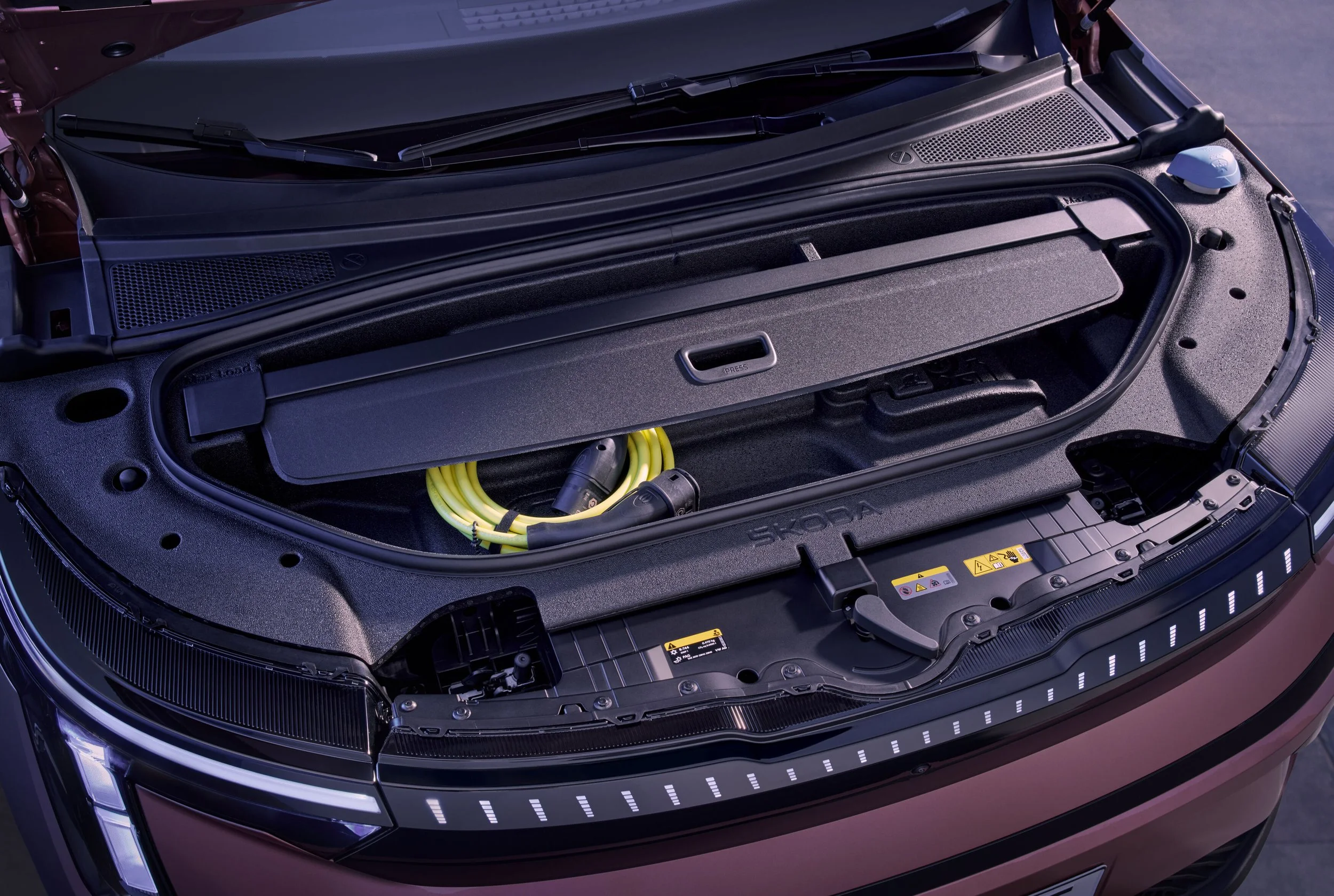
And charging cables need not take any of that space up, because there’s and additional 37-litres of front trunk space (frunk). Not only that, but the frunk has been designed to swallow the rear parcel shelf, too.
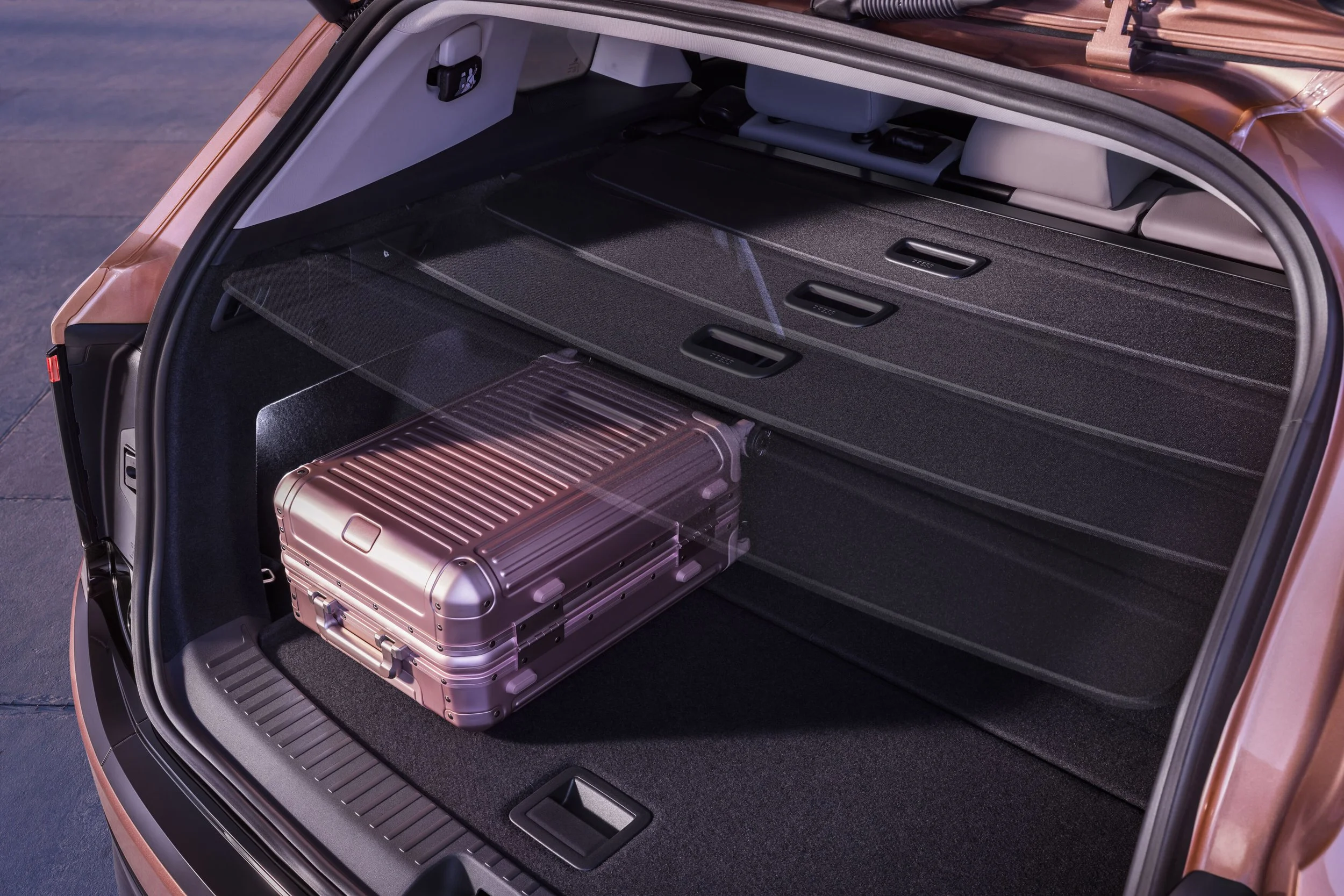
The boot extends from 299 litres, to 890 litres (shown above) and 2,075 litres with seats folded
Prices and Trims
There are five trim lines to choose from, plus five interior design trims to add.
Peaq SE L 90 (86kWh net): £51,980 OTR
Android navigation, Virtual Cockpit and Qi 2 wireless charging, 19-inch alloy wheels, LED headlights, an electric tailgate with virtual pedal, heated front and rear seats, a heated windscreen and mobile digital key.
Peaq Edition 90 (86kWh net): £55,130 OTR
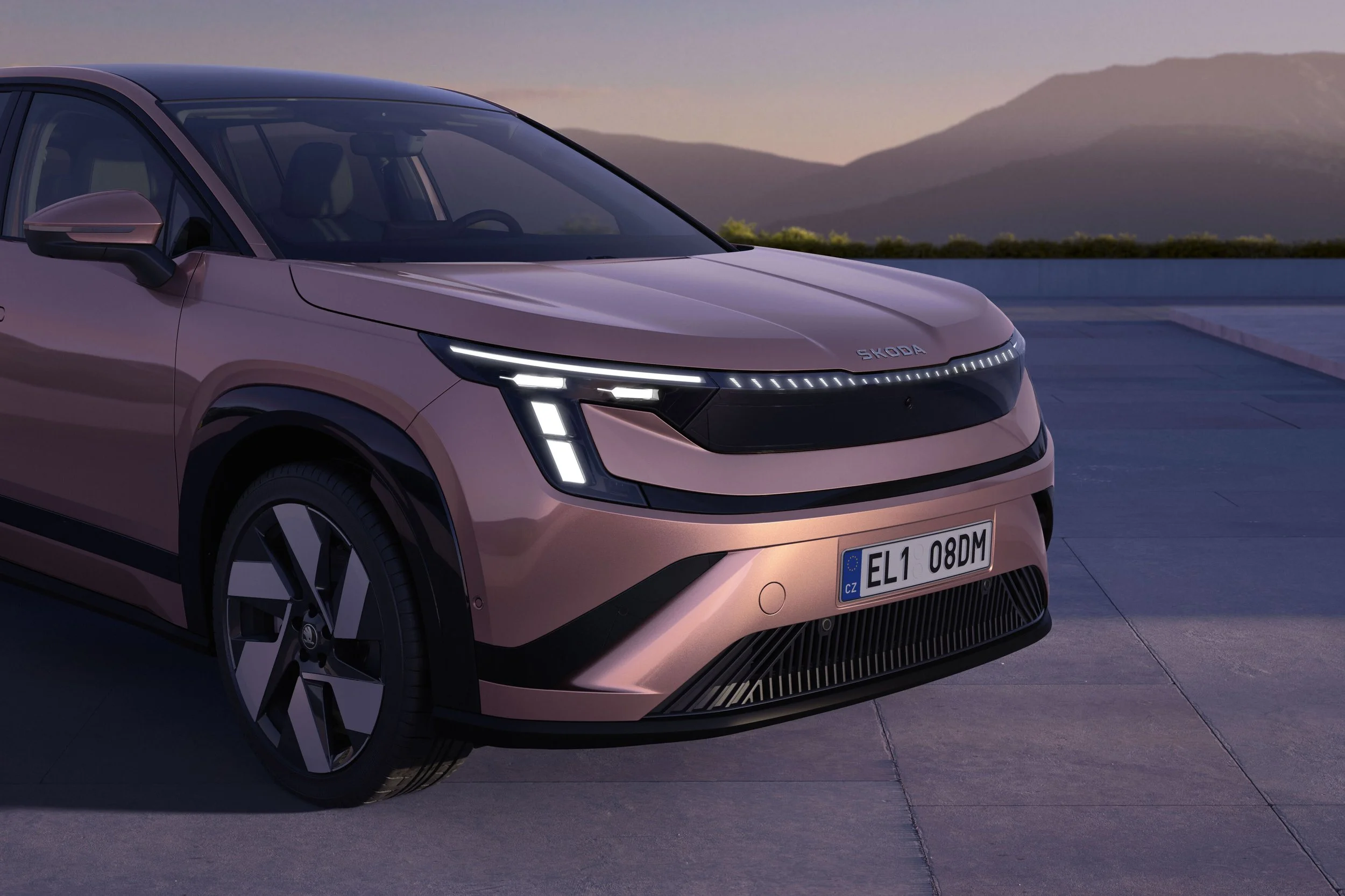
Adds to the SE L with a Suite design selection with black leather and artificial leather, matrix LED headlights, a horizontal light band and Area View camera. Remote Park Assist and Trained Parking.
Peaq Edition 90x (86kWh net): £57,230 OTR
Includes all-wheel drive and adds to the SE L with a Suite design selection with black leather and artificial leather, matrix LED headlights, a horizontal light band and Area View camera. Remote Park Assist and Trained Parking.
Peaq SportLine 90 (86kWh net): £58,280 OTR
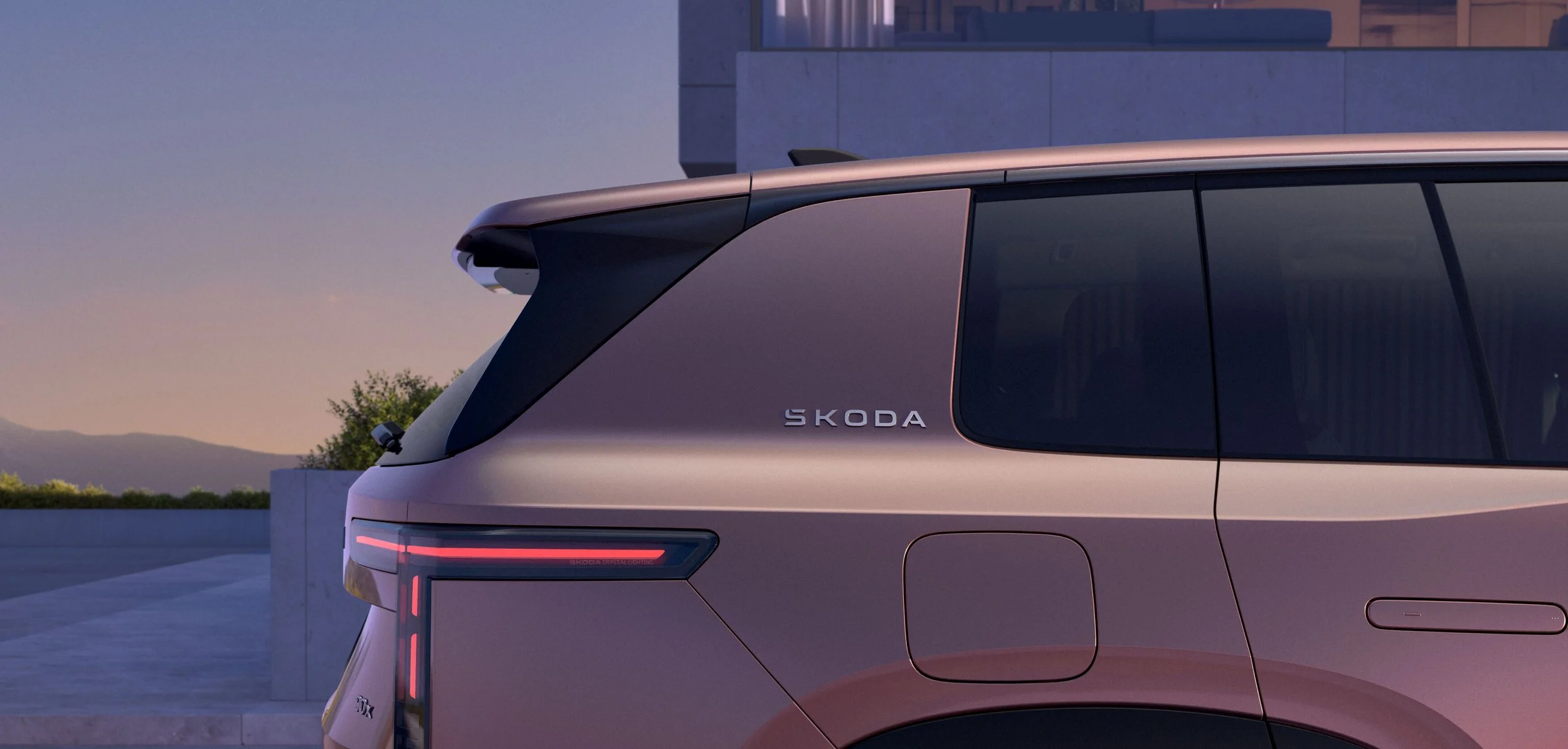
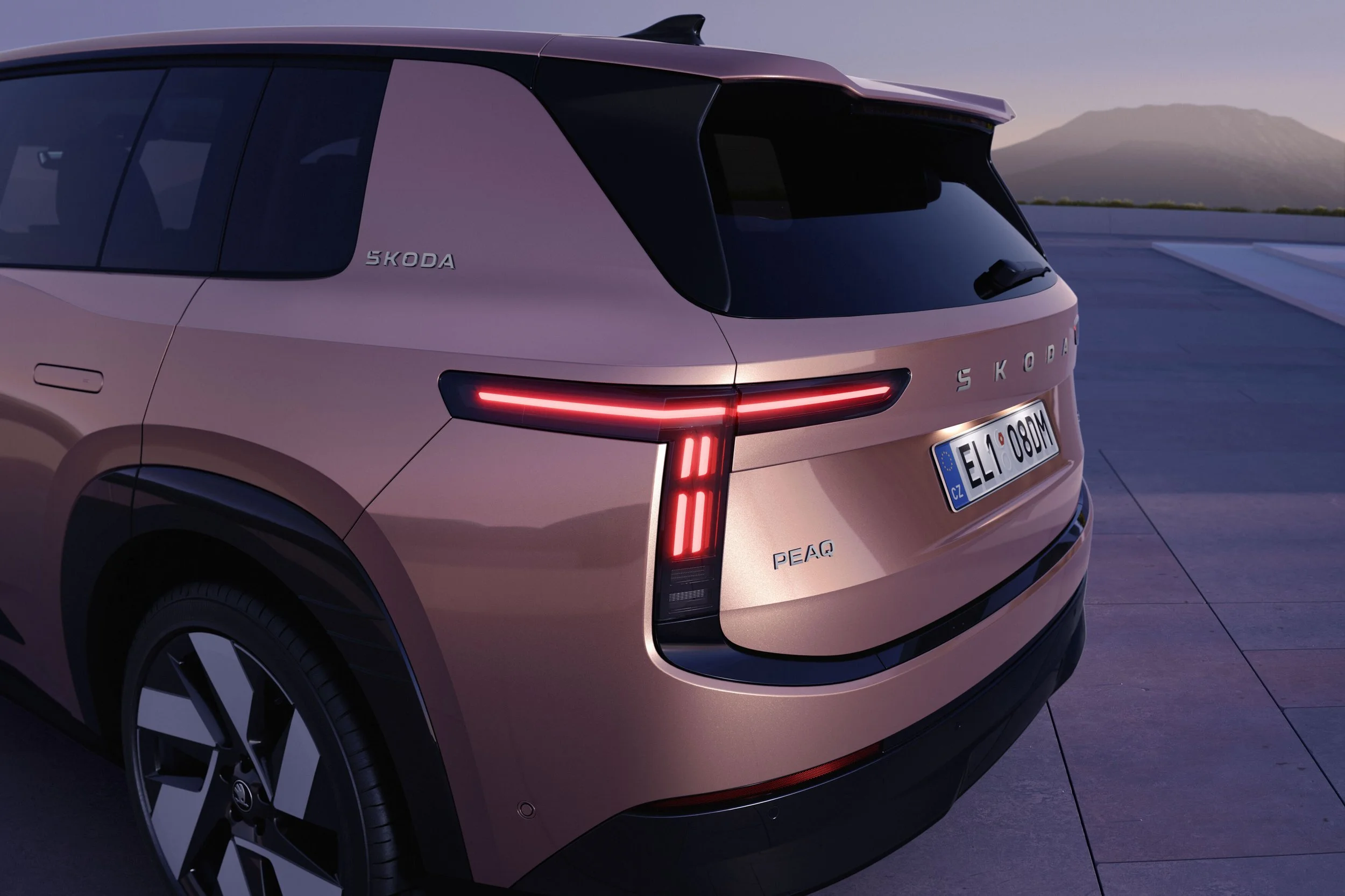
Featuring 20-inch Okapi alloy wheels, distinctive black exterior detailing, and the Škoda wordmark on the D-pillar. It also includes the interior Design trim with sports seats and a three-spoke heated steering wheel, plus dynamic Chassis Control is fitted as standard.
Peaq SportLine 90x (86kWh net): £60,380 OTR
Includes all-wheel drive and features 20-inch Okapi alloy wheels, distinctive black exterior detailing, and the Škoda wordmark on the D-pillar. It also includes the interior Design trim with sports seats and a three-spoke heated steering wheel, plus dynamic Chassis Control is fitted as standard.
Interior Design Selection
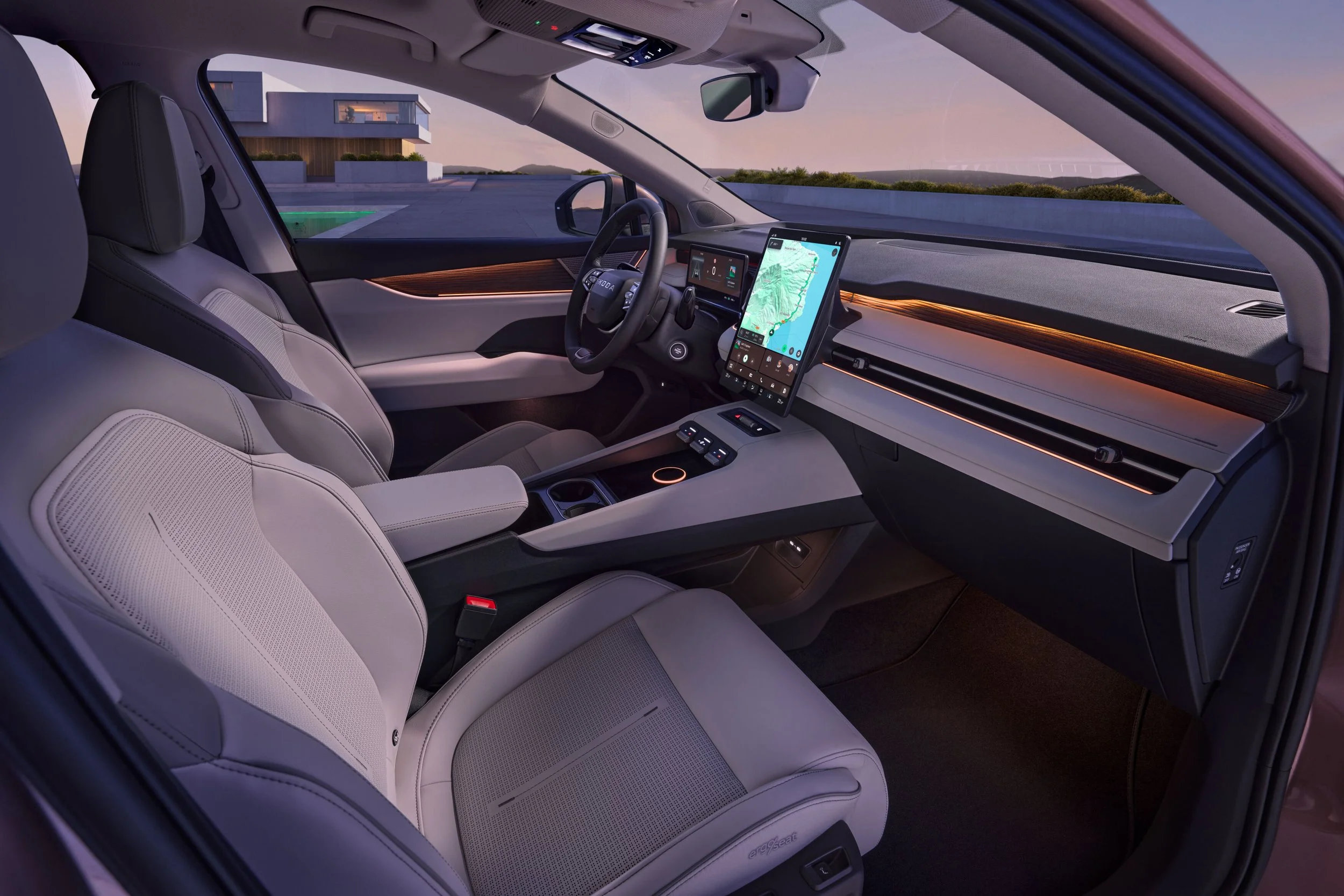
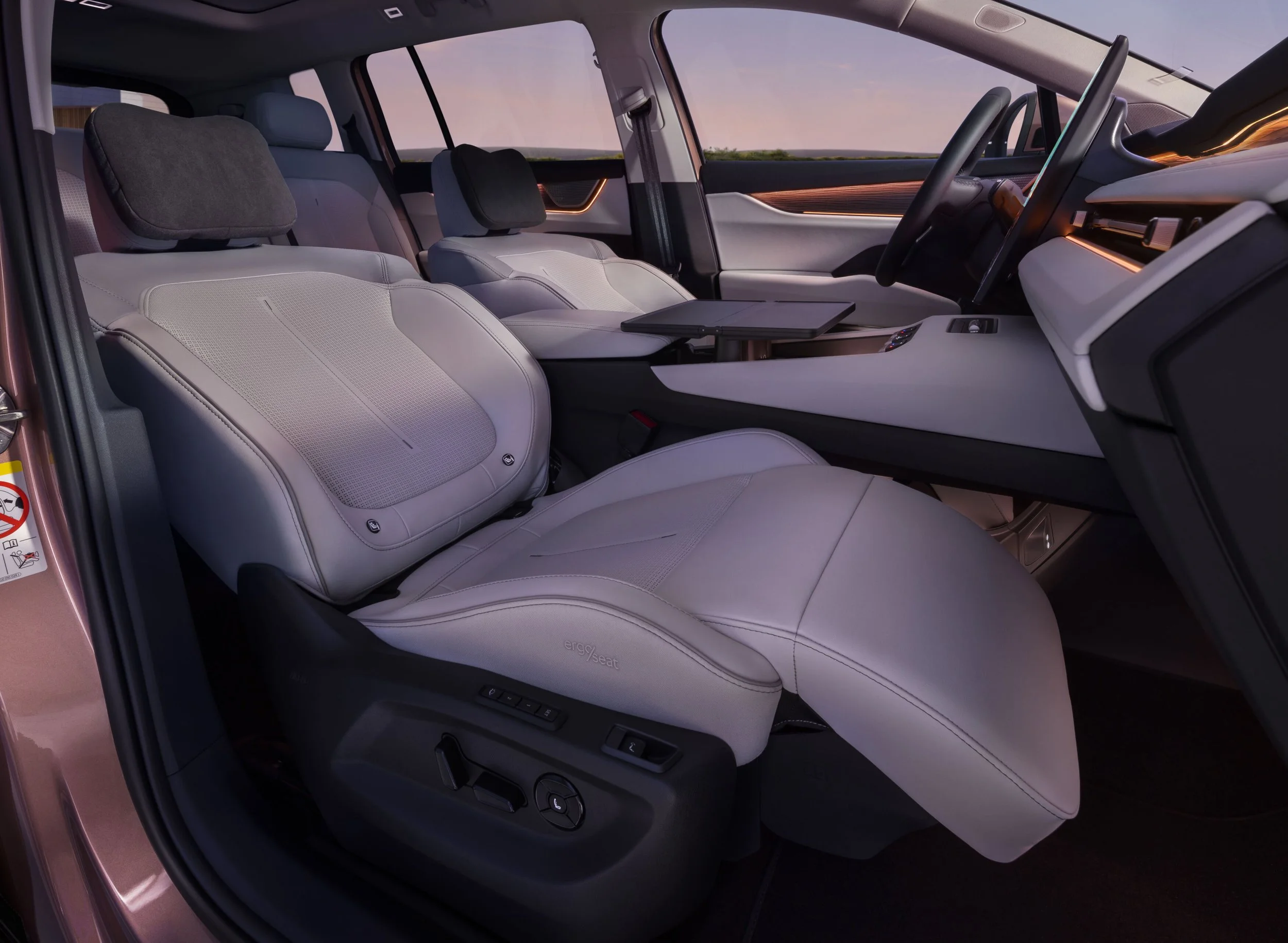
Škoda prefers to keep the trim lines simple, but adds selectable interior design trims, called Selections, as options. The Peaq comes with five interior design trims:
Loft Design - Combines grey textile upholstery with black Techtona across the trim and seats.
Lodge Design - Features grey embossed textile seats paired with green-toned Techtona.
SportLine Lounge Design - Combines Suedia upholstery with Techtona detailing.
Suite Black - features a blend of leather and artificial leather.
Suite Ceramic - Finished in Techtona, a high-quality leather alternative.
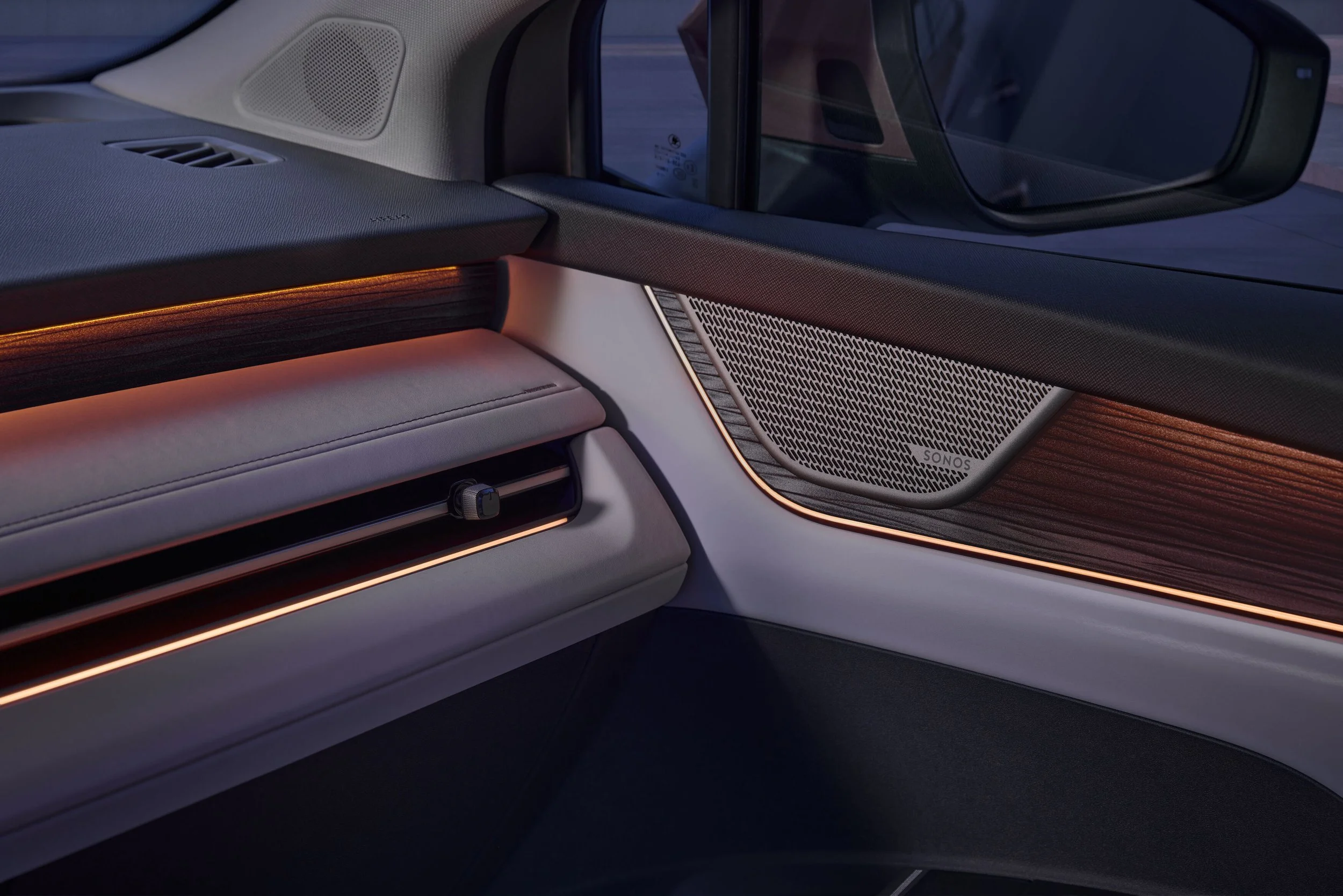
All interior design trims receive LED ambient lighting and a heated multifunction, two-spoke steering wheel as standard.
SportLine models receive a three-spoke steering wheel and also get regenerative braking paddles. There’s also a Hands-Off Detection integrated into both steering wheel designs and is standard from Edition specification upwards.
Batteries, range and charging
Two powertrain are offered with the 90 and 90x with power for the 90 rated at 286 PS whilst the 90x receives 299 PS.
Škoda quotes driving ranges of up to 395 miles on the WLTP combined cycle, but doesn’t specify whether that’s for the 90 and 90x.
The Peaq comes with a DC onboard charger rated at a very agreeable 199kW (at a suitable rapid charger) and can recharge from 10 to 80 per cent in around 28 minutes. It misses out on 800v architecture as found with the Kia EV9, which would have supported much faster charging speeds.
The all-wheel-drive 90x Peaq sprints from 0 to 62mph in just 6.8 seconds, making for a very wafty driving experience with more than enough power and torque for most people’s needs.
The Škoda Peaq supports Vehicle-to-Load (V2L) bi-directional charging, allowing the high-voltage battery to power external electrical devices such as charging e-bike batteries or even running power to a caravan. However, Škoda hasn’t announced it’s power output capability yet, so take the latter comment with a grain of salt until specific details are confirmed.
Features
There’s a few firsts for Škoda, such as flush door handles that self-present, although, these could be changed at the mid-life refresh to meet Chinese legislation that aims to ban them.
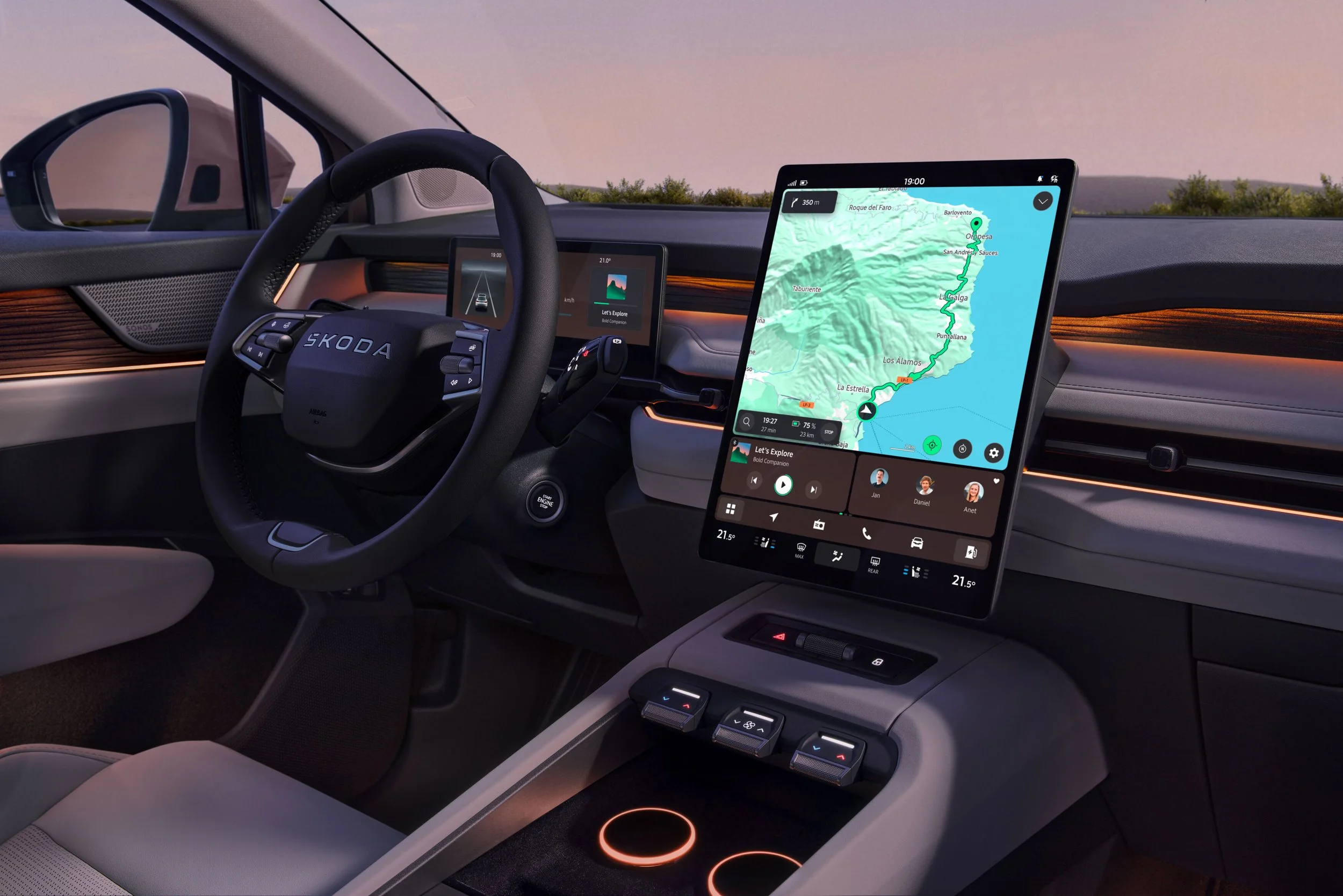
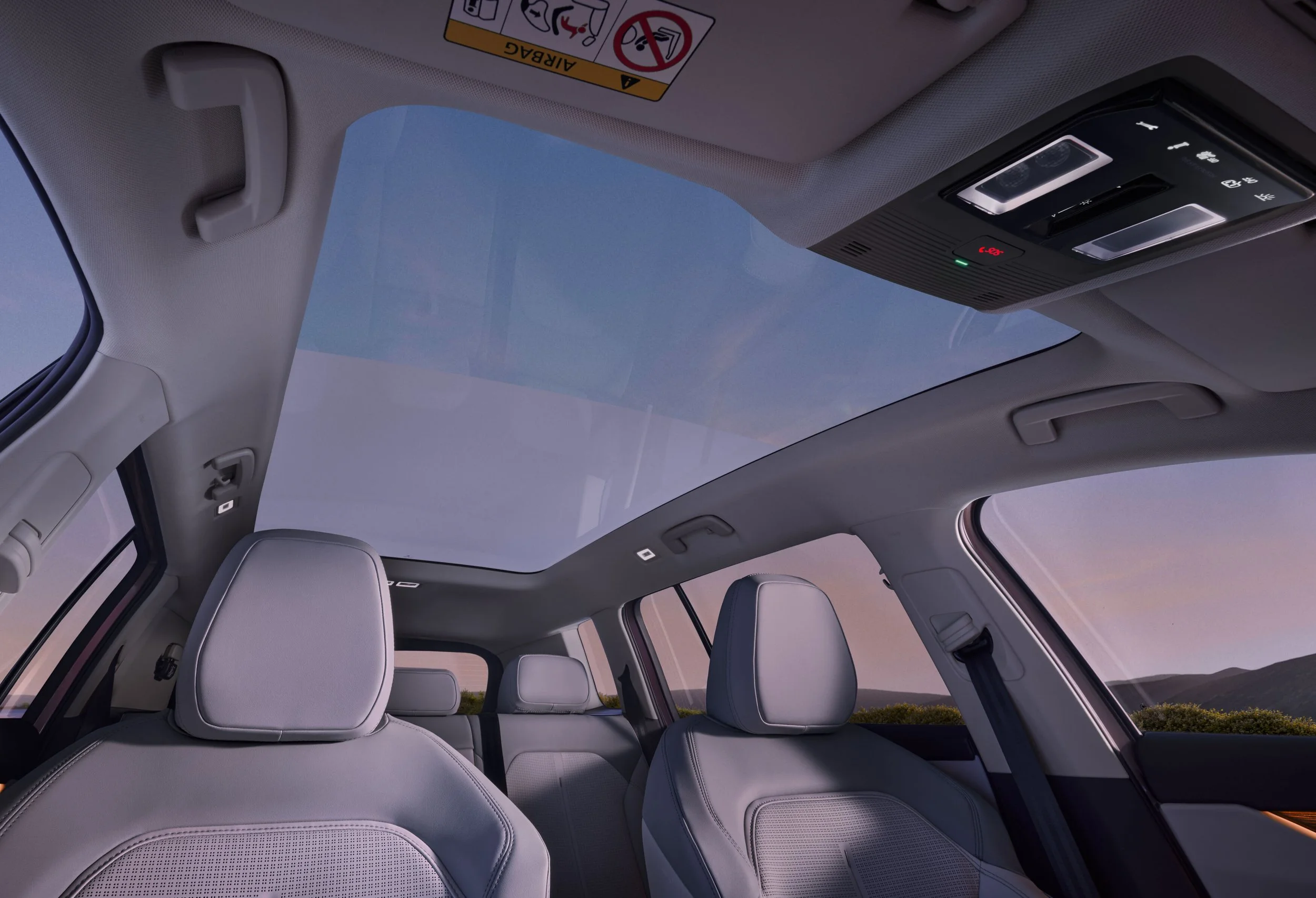
In addition Škoda’s largest ever panoramic glass roof with dynamic shade control via electrochromic technology that can divide the glass into nine segments ensuring each occupant receives shade or sunlight.
Android runs the infotainment system which includes a wide range of Android-based apps as well as Škoda’s own apps. Customers will be able to add Spotify, YouTube and Google Maps, for example.
A digital mobile key replaces a conventional key for integration into a smartphone or smartwatch app, which makes sharing the car between multiple drivers easy.
There’s a 10-inch digital drivers display, and a 13.6-inch vertically mounted infotainment screen with haptic buttons for the main infotainment system.
Customers wishing for the rather fancy augmented-reality head-up display will have to wait until 2027, when it becomes available as an optional extra.
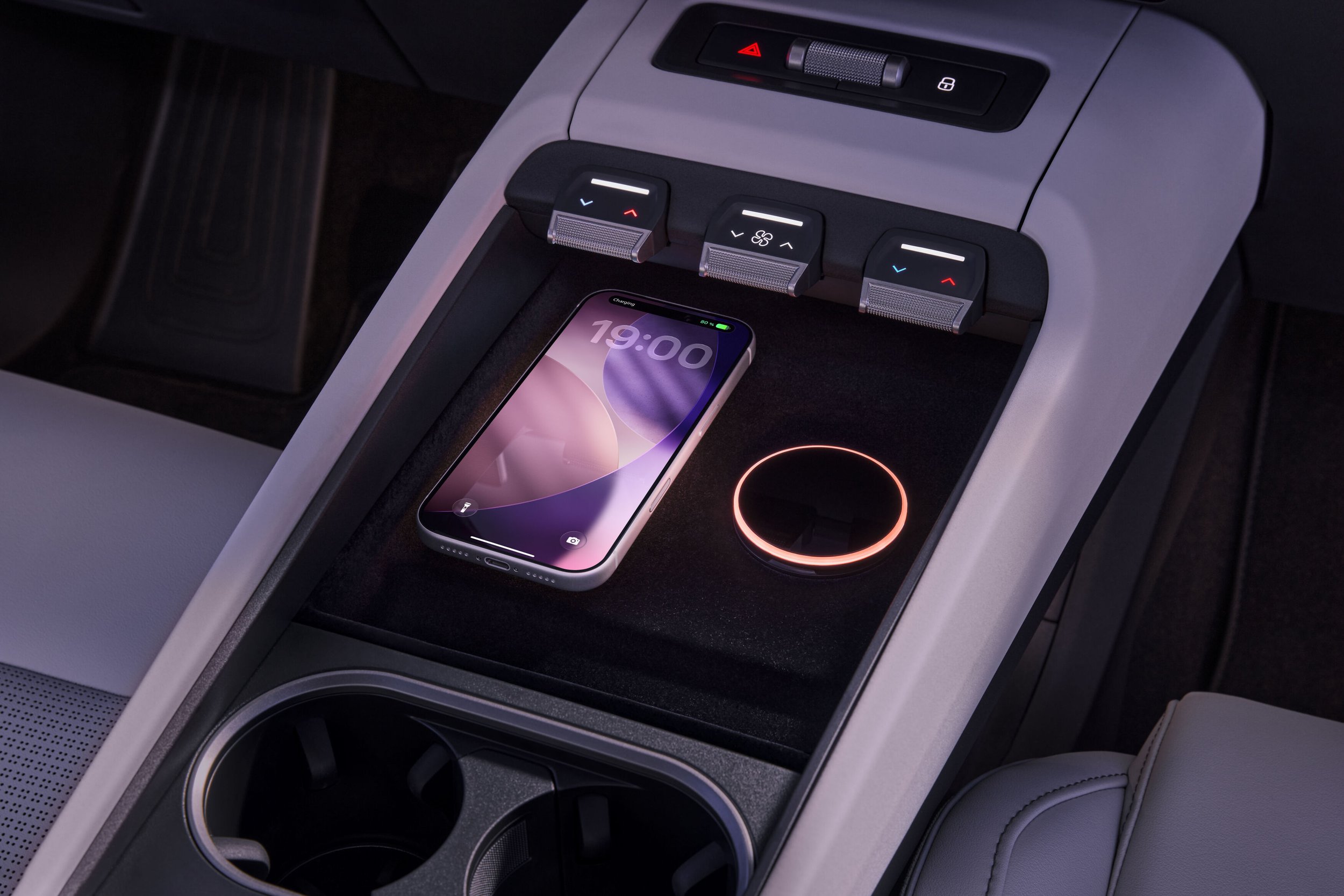
A single Qi.2 wireless charger with up to 25W output is included, plus a foldable table, display cleaner, ticket holder, a USB socket integrated into the interior mirror, and an additional USB port in the third row.
Further standard equipment includes: Traffic Sign Recognition, Front Assist, Turn Assist, Cross Traffic Assist, Blind Spot Detection, multiple airbags, electronic child locks, ISOFIX preparation for the front passenger and outer second-row seats, and Predictive Adaptive Cruise Control.
Optional Extras
There’s a Relax Package with massage seats and front footrests to optimise comfort, plus an optional SONOS sound system, a folding table integrated into the front centre armrest, the optional panoramic glass roof (mentioned above) and black roof finish for SportLine.
Undoubtedly, as the Peaq goes on sale, the configurator will reflect all optional extras available for each trim level.
Order books for the Peaq will open in September 2026 and delivery dates are yet to be confirmed for U.K. customers.
Conclusion
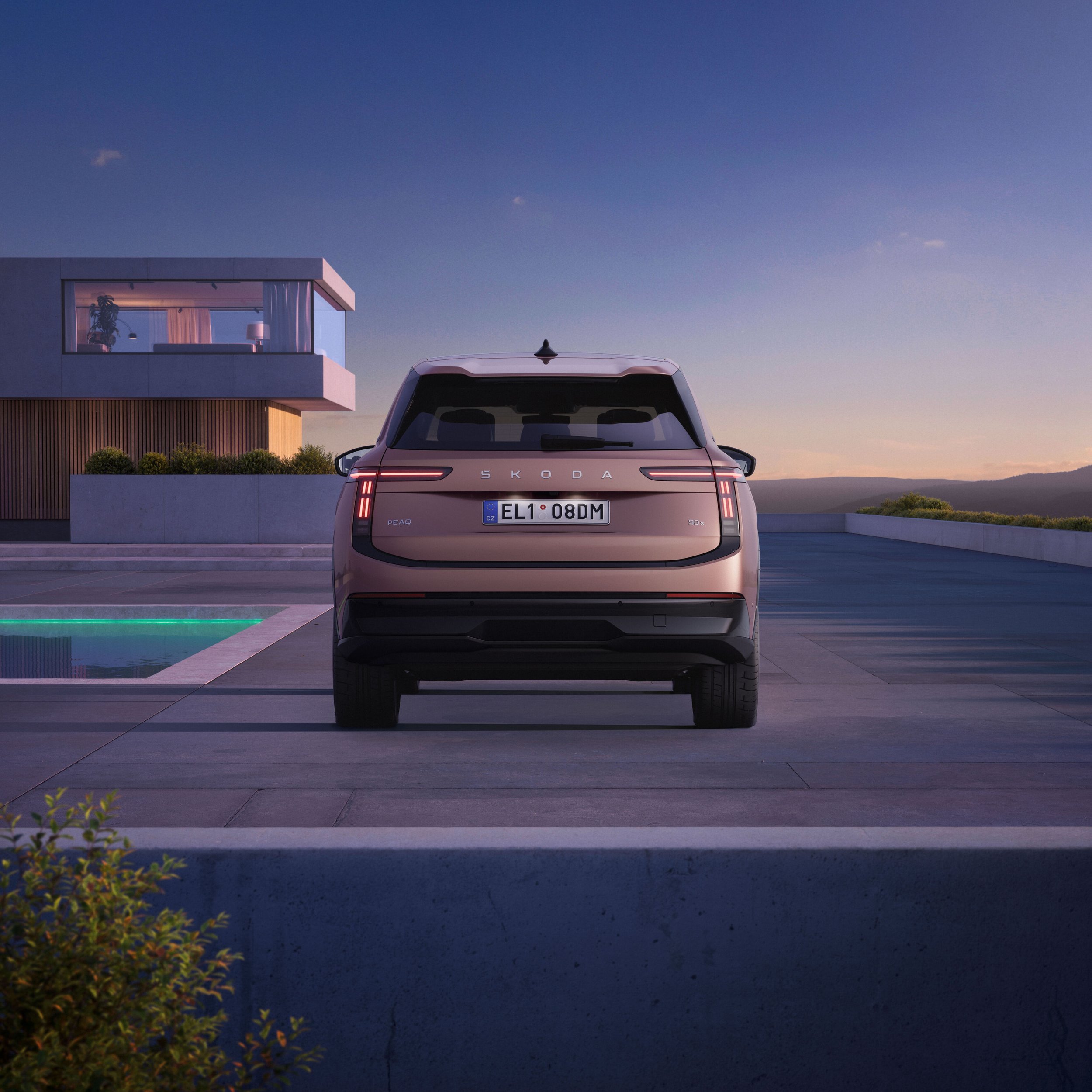
The Škoda Peaq represents outstanding value for money when compared to the Kia EV9 or Hyundai IONIQ 9, with seven seats, plenty of interior space all wrapped in a package at 4.87 meters long which much shorter than the Kia’s 5 meter length.
Offering seamingly as much space, but on a smaller footprint represents clever packaging, and easier parking and manoeuvrability, with a significant price reduction, too.
Just on these points alone, I would think the Peaq has the chance of being a very successful new addition to the Škoda brand.
However, with that generous range available from a somewhat modest battery, vs the 100 kWh battery in the EV9 and 106 kWh from the IONIQ 9 - and all with similar range estimates - the Škoda has a mountain to climb to beat the Korean brands for real-world efficiency. Tests will determine how accurate that estimate is.
One final note on charging speeds; whilst a criticised its 400v architecture and slower charging speeds, there is only 5 minutes in it on a DC rapid charge, and this is perhaps due to Škoda having 20 kWh less capacity to charge compared to the IONIQ 9.
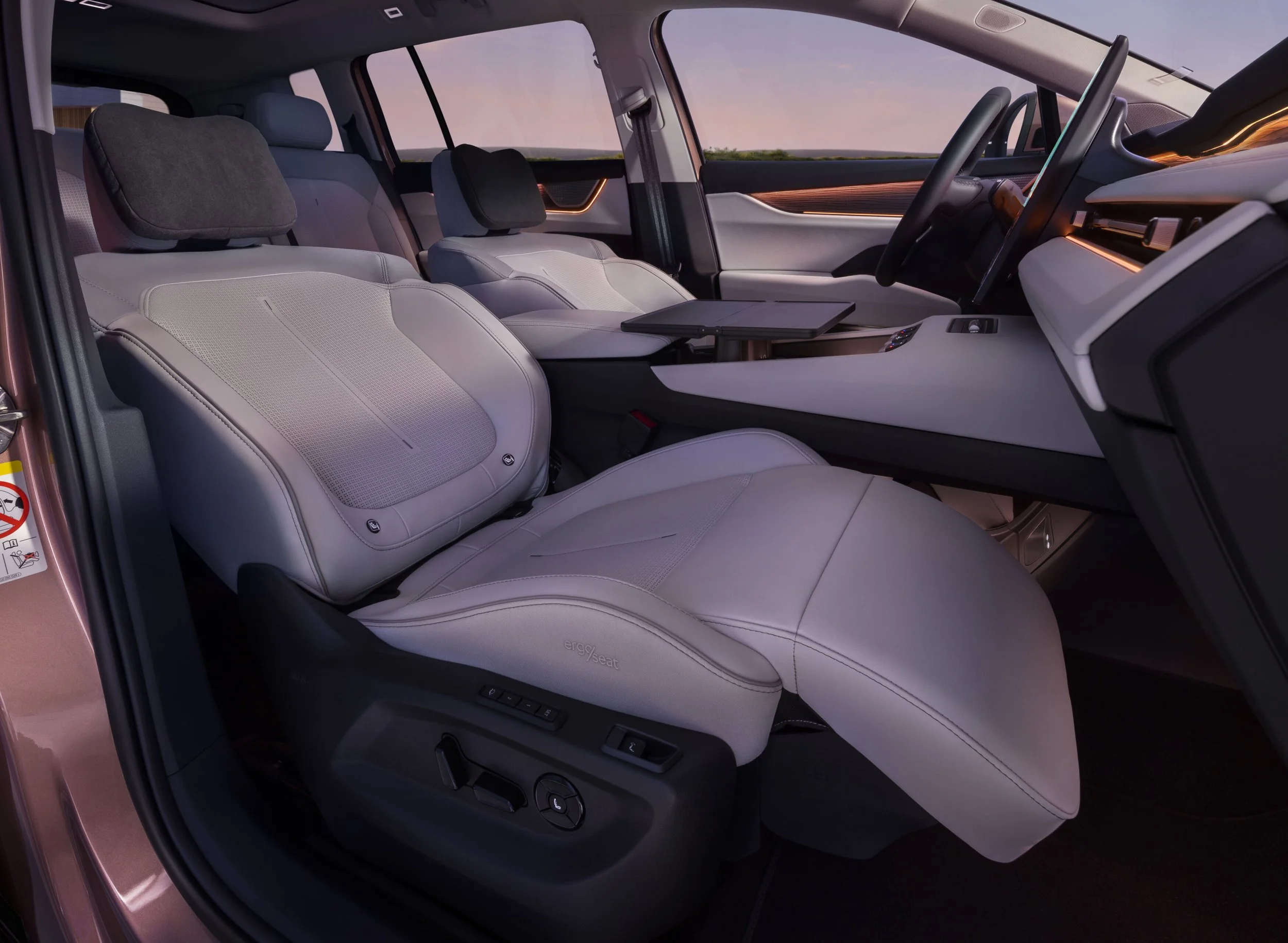
Relax Package
———
About the Author
Graeme Cobb is a lifelong car enthusiast with a passion for writing about cars, EVs, industry updates and more.
You can find Graeme on 𝕏 at @graeme_cobb