Pump Anxiety is the new Range Anxiety
The increase in prices at the pump is causing pump anxiety as the AA reports driver attitudes towards electric vehicles has shifted, with more drivers looking to replace their petrol and diesel cars with electric cars, according to the latest UK EV Readiness Index.
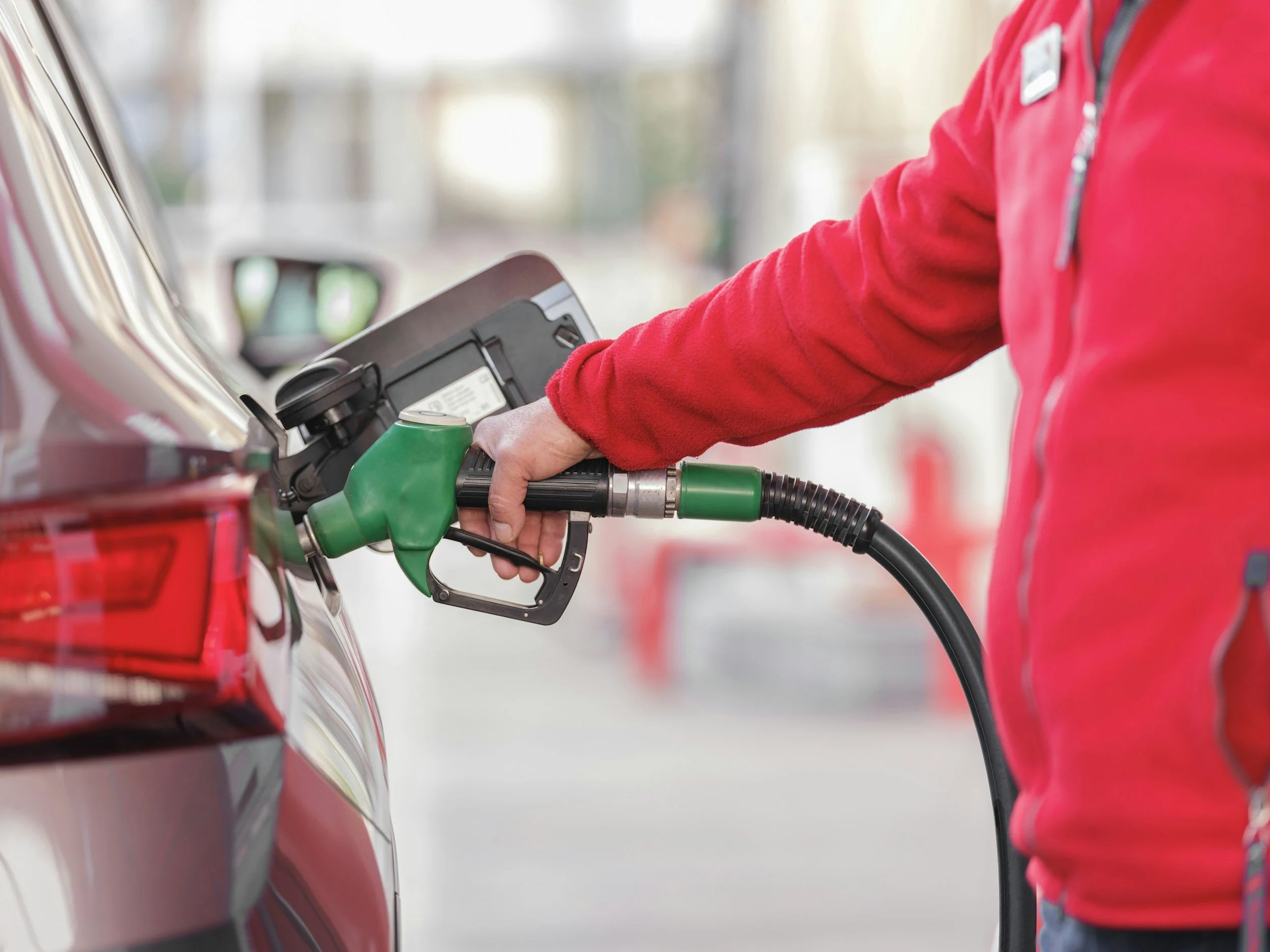
Is it time for you to say goodbye to the fuel pump?
And with electric cars becoming more affordable, whilst offering a very favourable average range of 300 miles (according to SMMT data) - as well as inexpensive over-night charging - EV’s represent less expensive motoring for many drivers that fulfils their daily needs.
The AA’s Q2 2026 Index highlights the UK’s readiness for EV adoption showing that with a significant and protracted disruption to global energy markets - resulting in high fuel prices - EV charging costs offers drivers significant savings and stability making financial planning simpler and freeing up squeezed budgets. In other words, fuelling an EV at home mitigates some of that inflationary pressure.
Back in March 2026 the AA’s Readiness index exceeded 50 for the first time. In Q2 that overall EV Readiness Rating rose to 58.8, up from 53.8, reflecting “improved scores for both public and home charging”.
The AA states that the improved score was driven largely by the widening cost gap between petrol and home charging, as petrol prices were 20% higher than in the previous quarter’s Index, quoting “For EV drivers charging at home, the Index found that running costs were 67% cheaper per mile than petrol equivalents, compared with 57% cheaper in Q1. That equates to a conservative saving of at least £20 for every 200miles driven”.
And it’s not just new EV interest that soared, used EV sales surged, too, with searches increasing by 78% between March and May this year.
The evidence suggests a clear link between high petrol and diesel prices and interest in EVs surging for both the new and used EV markets. The AA said that the three most searched used EV models on their website were the Nissan Leaf, Tesla Model 3 and Kia Niro as drivers looked for value in older electric cars.
Edmund King, AA president, said: “Range anxiety has shifted to pump anxiety as global petrol and diesel prices have rocketed since the Iran conflict began.
“For years, some drivers have been put off EVs by real or perceived range anxiety. But this latest Index suggests the bigger concern for many households is becoming pump anxiety. When global fuel prices rise sharply, drivers feel it immediately at the forecourt.
“EV drivers, particularly those with access to home charging, have been better insulated from that volatility. That is now showing up in the used car market, where searches for electric vehicles on AA Cars have risen by more than 75% in the last three months.
“Not every driver is yet ready to switch tomorrow. Upfront costs, public charging prices, and policy uncertainty still matter. But the economics of EV ownership are becoming harder to ignore particularly for those who can charge at home.”
It highlights that, whilst new EV prices remain higher than their petrol counterpart - albeit the gap is shrinking - it’s the used market that’s critical to shaping the transition. That cannot happen without a good new market, and with over 170 new EV models now on sale, more choice and lower starting prices have driven interest and demand, and that growing choice has been filtering into the used market for the last 6 years.
However, none of this could happen without a good charging network, and that’s something that has continued to grow at a steady pace with over 121,000 EV chargers installed, according to data from Zap Map and the Department for Transport.
The government's target is to reach 300,000 charging points by 2030, so the U.K. is just over 40% of the way there, but with only 3.5 years to go this is a huge challenge for the industry.
———
About the Author
Graeme Cobb is a lifelong car enthusiast with a passion for writing about cars, EVs, industry updates and more.
You can find Graeme on 𝕏 at @graeme_cobb