Cars have lost Desirability and Practicality to a Generic Formula - An Opinion Piece
According to SMMT data the most popular choice of car body style in the U.K. - with over half the cars purchased/registered - are either an SUV or Crossover.
So does this mean fewer options for customers, and have we reached peak SUV?
When it comes to powertrains, there has never been so much choice with the traditional petrol and diesel car - each available with mild hybrid options - plus there’s battery electric cars, self-charging hybrids, plug-in hybrids and range extenders now being referred to as E-REVs, or Electric Range Extender Vehicles.
However, when it comes to body styles, trends change over time and manufacturers shift focus, so now we have a saturated market full of SUVs and crossovers at the expense of some brilliant body styles that have died out, or are near the end.
I will just caveat this by saying that I have nothing against SUVs or Crossovers, but I do have concerns over a lack of choice.
The MPV
When the Renault Espace launched way back in 1985 it created a whole new car segment called the MPV, or Multi-Purpose Vehicle. Suddenly, those with large families - and perhaps family members with disabilities - could ditch the van-based minibus and own something with car-like driving dynamics, comfort and luxuries whilst filling it with family members and all their paraphernalia. And to top it off, it had a Range-Roveresque elevated ride height.
The Espace inspired manufacturers to develop their own versions, such as the Ford Galaxy, the Vauxhall Sintra, Volkswagen Sharan and Chrysler Grand Voyager.
Downsizing followed as customers wanted 7-seats, but not on a huge footprint and manufacturers delivered. At one point, Vauxhall made a sporty Zafira VXR to pacify those new Mum’s and Dad’s that suddenly needed to upgrade from their hot hatch, or coupe, to a more practical family wagon.
Many other manufacturers responded with their smaller mid-sized 7-seat MPVs like the Ford S-Max, Mazda Mazda5 and Renault’s Grand Scenic. All inspired to delivery more practicality to more customers at a more affordable price.
Soon the MPV became smaller and smaller, with 5-seat practical cars taking on MPV styling culminating in the Toyota Yaris Verso. This was a B-Segment Toyota Yaris based tall, short car that sat five comfortably with room for all their top hats.
But, although this was peak MPV - and cars like the Yaris Verso seemed like a challenging design - it was actually favoured by people with disabilities and injured ex-forces personnel as shown in the picture below.
But now, and along with the rest of the MPV segment, there is such little choice available following a rapid switch to SUV and crossovers.
Very few true ‘car-inspired’ MPVs are available with the likes of the new Lexus LM at £112,000, plus a Maxus Mifa 9 - both huge and suitable for carrying VIPs on airport runs - as viable options.
For decades there was so much MPV choice as people loved - and needed - the practicality and versatility they offered. But the MPV is very much an endangered species now because most manufacturers have gone back to adapting vans that were once called mini-buses. Manufacturers do offer practicality but at the expense of driving a vehicle with van dynamics, and van comfort rather than car dynamics and car levels of comfort.
There may be a few great van-based MPVs coming to market as a ground-up design, like the excellent Kia PV5 that Jim fell in love with, but these are few and far between examples.
R.I.P. the MPV!
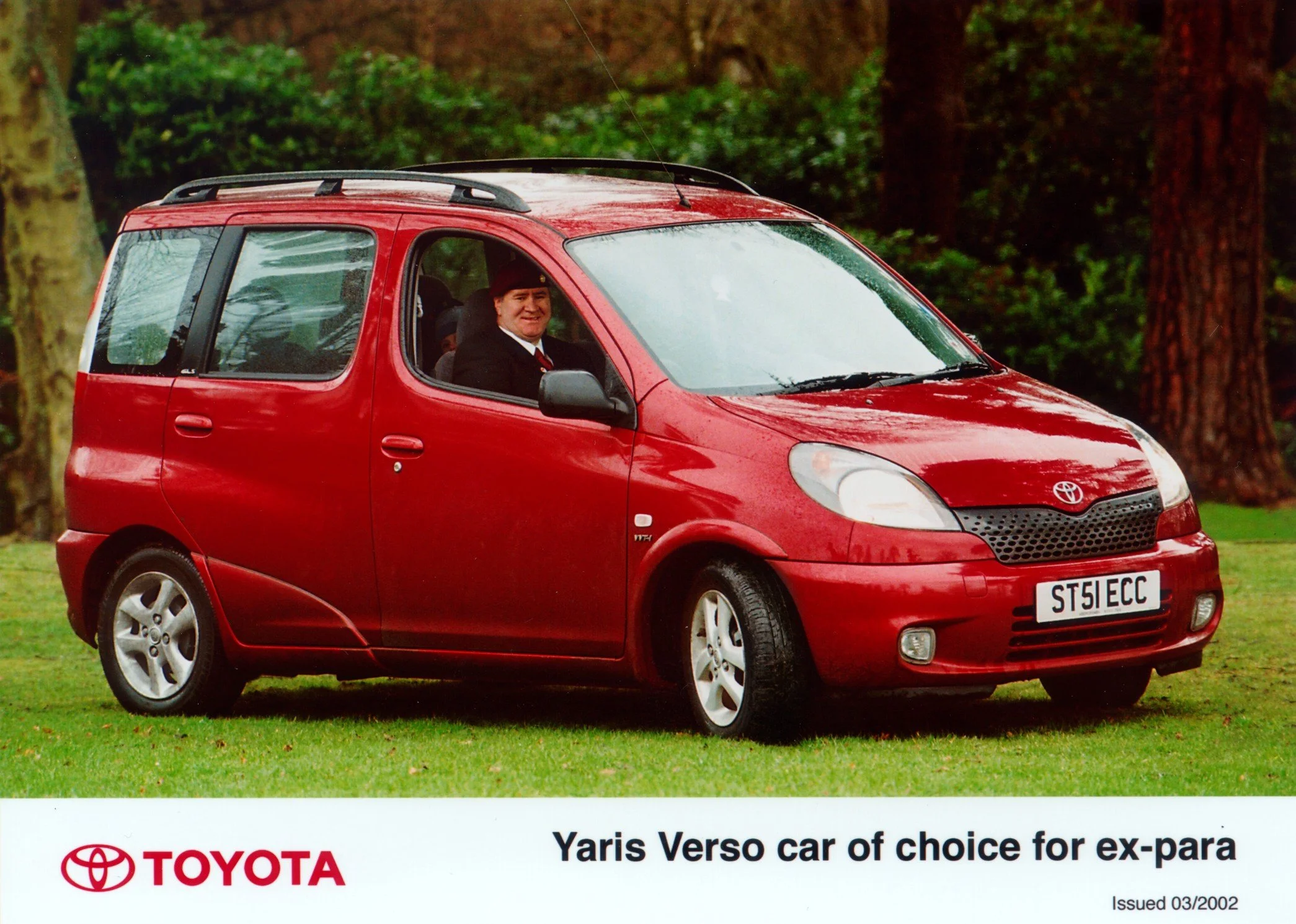
2002 Toyota Yaris Verso
Estate Cars
Nothing comes close to a family car that literally swallows everything a family has, whether its a two-seater sofa (which I did get in the back of my VW Passat estate years ago), or packed up to the roof for a two-week self-catering family holiday.
The estate car carried a slight premium over its hatchback or saloon sibling, but it made up for it with an exceptionally practical car.
Estate cars even shrugged off the old boxy image that made Volvo such a famously practical choice, thanks to Audi launching the RS 2 estate way back in 1994. It was an Audi 80 estate that had the Audi Quattro Turbo 2.2 litre 5-cylinder engine, all wheel drive and upgraded suspension that turned a family wagon into a fun family wagon, whilst inspiring other manufacturers to follow suit.
Even Alfa Romeo introduced a 156 GTA Sportswagon that just looked absolutely stunning and MG added a chunk of raw desirability with the MG ZT-T V8. What a lovely car that was.
Subaru answered the call from petrol-head Dad’s with the Impreza Turbo estate - fast, fun and with a boot fit for a buggy. Estate cars were made super-cool, desirable, practical and filled the hearts with joy at the same time.
Soon, every manufacturer was offering cool-looking practical, estate variants of their model line-up, perhaps pioneered by the small, yet mighty Volkswagen Polo mk2, that was exclusively sold as a 3-door estate, with the hatchback being marketed as a Coupe.
I had a facelift Mk2 Polo estate and can attest to the enormous practicality it offered, taking my entire chopped-up conifer tree to the tip in one go many moons ago.
Skoda introduced a Fabia estate, and MINI launched the Mk2 Clubman which was a fantastic, thoroughly driveable tiny wagon. Other manufacturers went cooler with Mercedes launching the very sleek CLA Shooting brake adding some slightly less practical kudos to the estate car image.
And although estate cars have not strictly vanished like MPVs, they are most definitely in decline, with fewer manufacturers producing them, which is a great shame because the market for them existed, was buoyant and has since vanished.
Estate cars had a lower price tag than many equivalent SUVs and truly represented great value for those seeking a little more practicality.
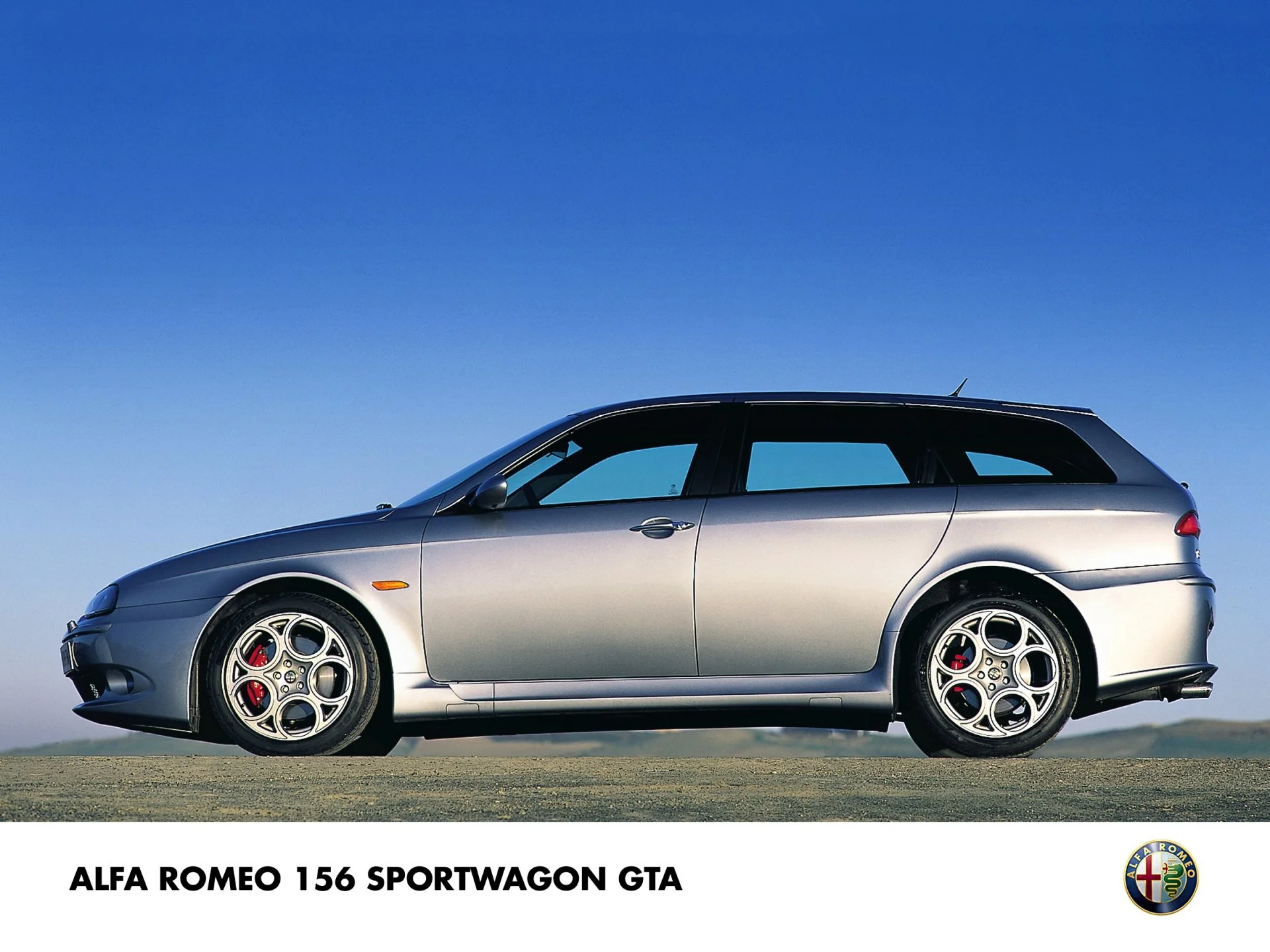
Alfa Romeo 156 GTA Sportswagon
The Coupe
Few forget The Professionals with the silver Ford Capri 3.0 S sliding sideways into shot and Bodie jumping out to chase down the villains. The Capri was as iconic as the TV show and lasted from 1968 to 1986 bowing out with the much coveted 280 Brooklands.
The Capri defined an era of affordable cool, with its long bonnet, 2+2 seating arrangement, a practical boot for proper touring coupled with a large chunk of kudos.
However, what sparked that may be attributed to the stunning Jaguar E-Type that famously demonstrated its credentials as it left Coventry in 1961 driving flat out to the Geneva Motor Show and arriving just 20 minutes before it’s big reveal.
It took the world by storm even catching the eye of Enzo Ferrari who commented that it was the most beautiful car he’d ever seen - high praise indeed.
Jaguar’s next attempt with the XJ-S didn’t hit the same note with critics blasting it as being no E-Type to look at, whilst some loved its futuristic looks. The XJ-S cemented itself as the ultimate luxurious Grand Tourer, capable of wafting down to the South of France in absolute comfort and serenity, albeit making many stops to fuel up it’s 90 litre tank.
Undoubtedly cars like these inspired others to take on the challenge bringing affordable desirability to the masses with the likes of the fondly admired Opel Manta, and the beautiful design of the Opel Monza.
Ford went small introducing the absolutely brilliant Puma in the 1990’s. Spend three seconds driving one and you’ll be hooked! Vauxhall responded with the Tigra, but it never captured hearts like the Puma did.
Mazda had a go with the MX-3, a small coupe with a 1.6 litre V6 engine - it was bonkers, but bonkers was good, because manufacturers were having fun with their cars, and so were their customers.
Toyota - who produced very reliable and sensible cars like the Yaris Verso - entertained with the delicious Porsche-challenging Supra, and the much loved Celica.
The stand-out for affordable, fun motoring came from the brilliant MR2, fondly known as Mister 2 to my friends who owned one.
The more recent GT86 was a great drivers, too. Focused more on driver engagement than outright speed, it was designed to make people fall in love with it, and it worked.
So many manufacturers had coupe models that even budget brands caught on. Hyundai - which used to be known as offering value way back - introduced the imaginatively named Coupe in the 90’s. It may not have been fun like a Celica, but it offered style at an affordable price. Even Proton introduced a Coupe around the same time, based on an old Mitsubishi Lancer.
However, roll on to 2026 and manufacturers believe that the masses should not have fun, desirable cars anymore, so it’s left to the premium brands such as BMW, Mercedes, Maserati, Bentley and Porsche to produce the odd coupe, making it out-of-reach for many.
The dream of wafting down to the South of France in a GT car has gone south, too, as manufacturers will rather sell a sleek 4-door saloon, or fastback SUV and slap a Coupe badge on the back. It really is not the same and nowhere near as satisfying, nor as cool.
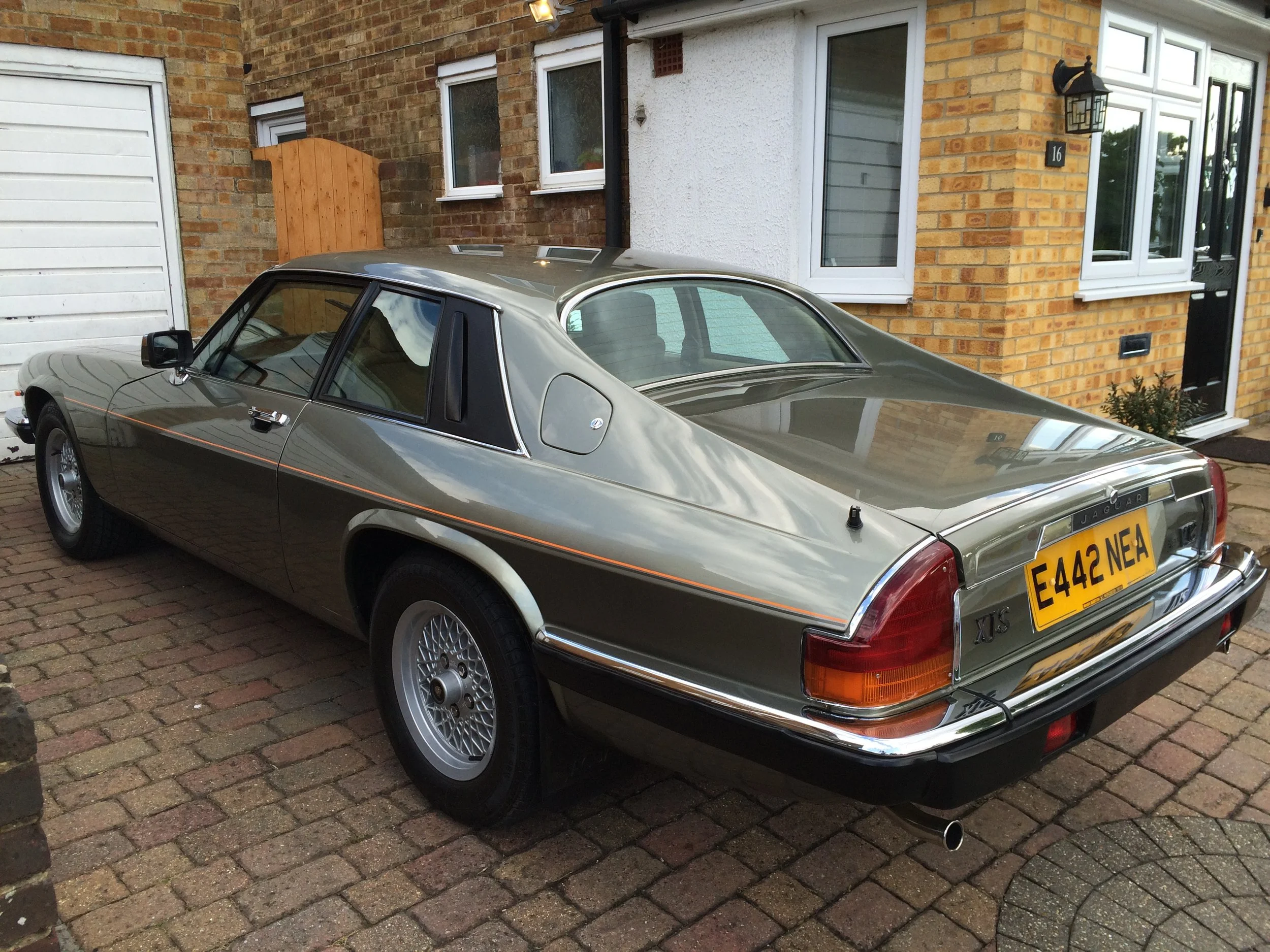
Jaguar XJ-S V12 Coupe
Conclusion
Imagine a world where the only pudding option was a vanilla ice cream. There may be a banana and a biscuit to indulge in as well, but that’s the choice.
The vanilla ice cream may take on slightly different looks and subtle changes to taste according to the manufacturers that make it, but it becomes generic, tiresome and the pudding display at a restaurant looks boring, uninspiring and lacking in any love.
And in this situation - which would be dire in my opinion - it would be nice to keep vanilla ice cream as an option but have other puddings to choose from such as a strawberry trifle, a Panna Cotta with a raspberry coulis, a chocolate mousse, an Eton Mess, or even a sticky toffee pudding with custard. Some may opt for a cheese board, too.
What manufacturers have done is to provide - with their range of SUVs or crossovers - a generic blend of very samey cars. We’re in full vanilla ice cream territory with a banana and a biscuit as a side choice. SUV’s and Crossovers invariably look similar, have similar features and functions, come in different sizes and price points, but ultimately we have is a selection of vanilla ice creams.
Undoubtedly they’re great cars with a lot of appeal, and I’m not knocking them because people obviously want and buy them, but with so many on sale now - with more arriving weekly - it comes at the expense of choice.
People have forgotten about the long-lost heroes from our roads because the market morphed that way.
And in doing so, it’s also driven the passion out of cars that so many people had, replaced by perceived image over functionality, practicality or desirability. And when less choice presents itself, its people’s needs and desires that lose out to a generic formula.
However, with the advent of electric cars utilising skateboard platforms, there is zero reason why manufacturers cannot build what the heart desires, or what people need. We deserve more choice, not less, and the perfect opportunity to do so presents itself.
———
About the Author
Graeme Cobb is a lifelong car enthusiast with a passion for writing about cars, EVs, industry updates and more.
You can find Graeme on 𝕏 at @graeme_cobb or YouTube @REV-EV.