Dacia Striker - the Bigster Rival from Within
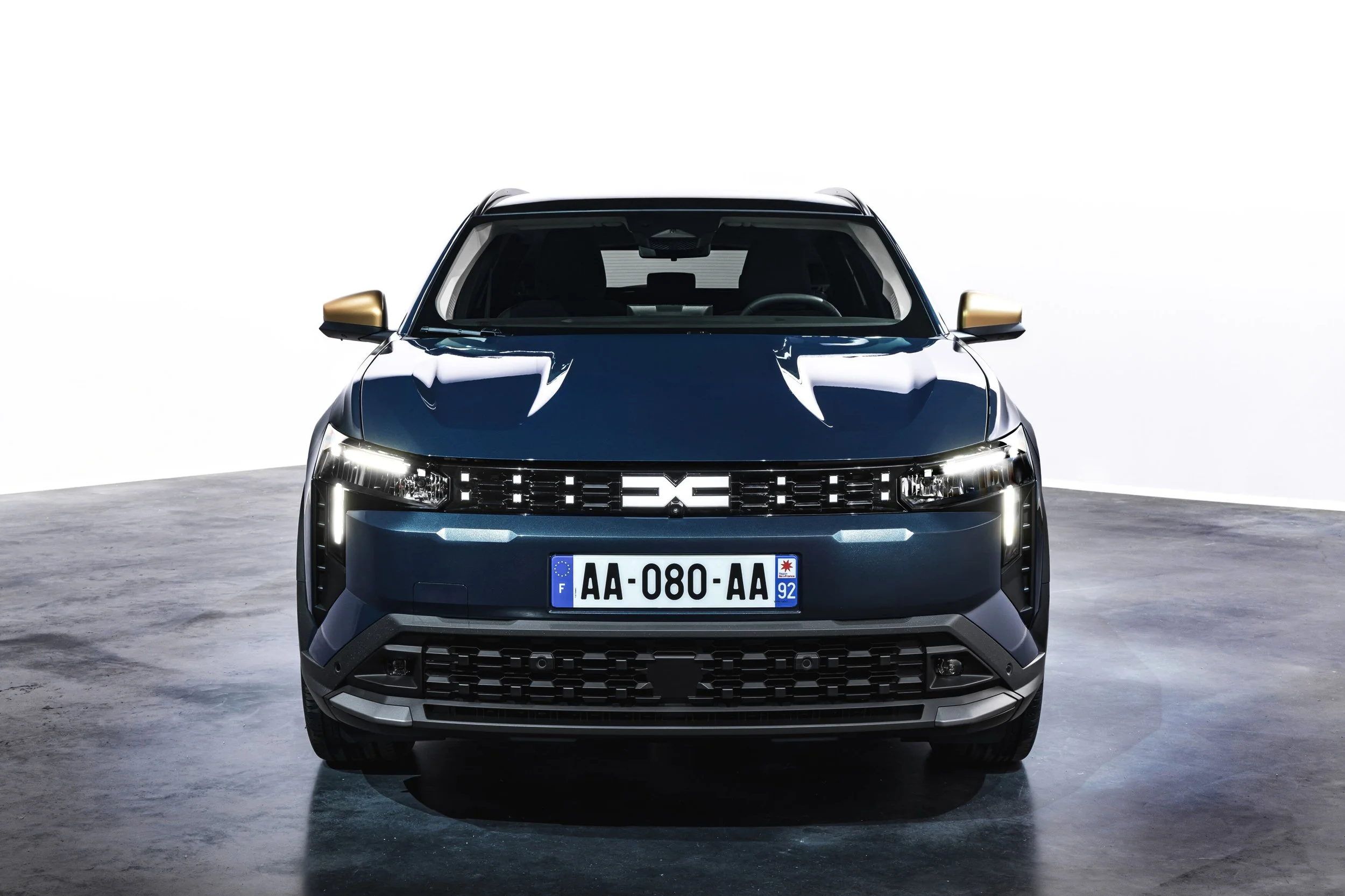
The all-new Dacia Striker is said to complement the Bigster in the range, being approximately of the same proportions with the same excellent storage, with approximately the same pricing, starting from £25,000. So what sets it apart, and could it take sales from the Bigster?
Although I was initially excited by the new Dacia Striker when it was first revealed, my excitement is having second thoughts. Not because I don’t think it’s a great car - I’m sure it is - but I’m thinking it’s positioned far too close to the Bigster leaving me question whether Dacia has added in the additional production complexity, plus R&D costs for little reward.
What is it?
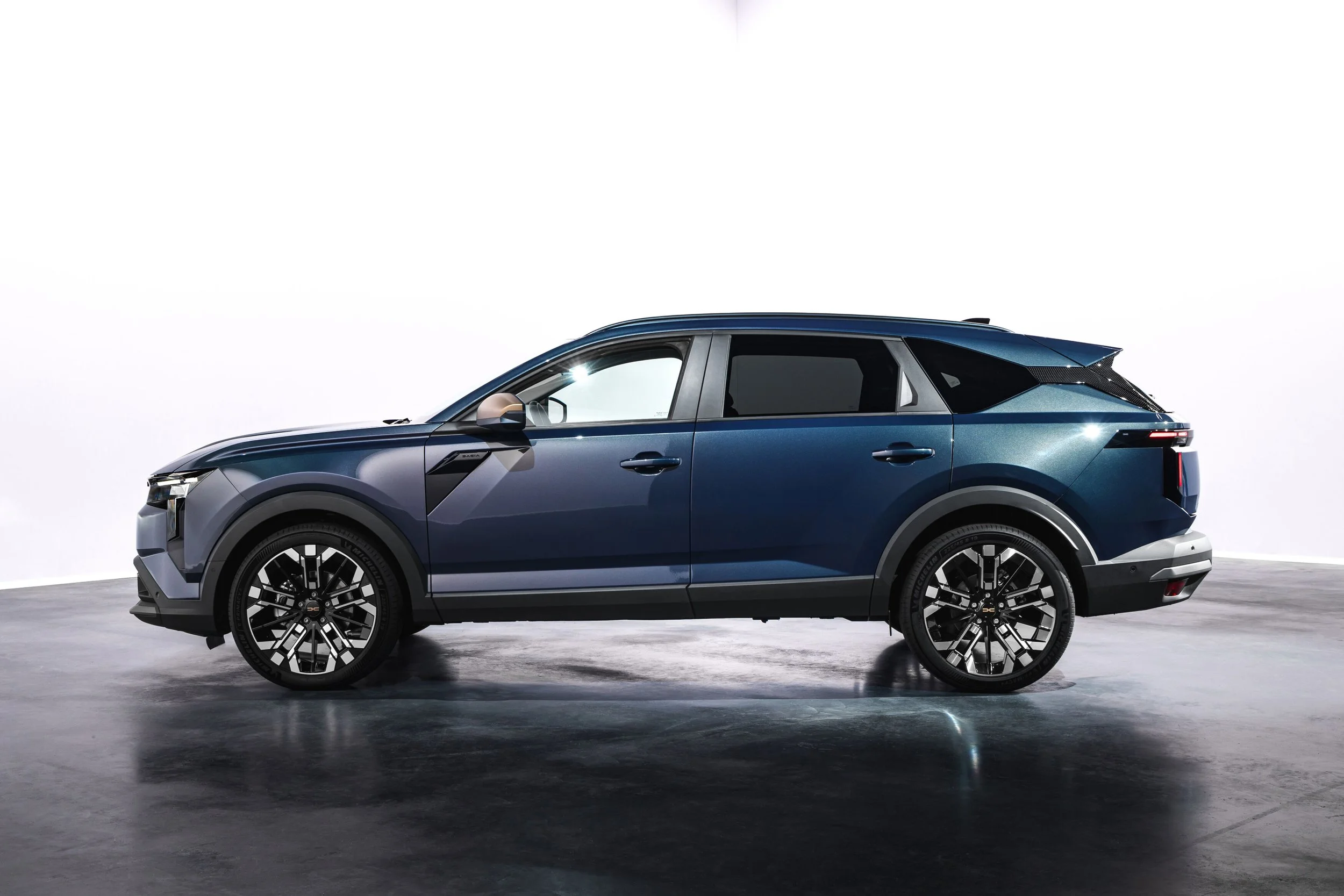
Dacia are selling the Striker to complement the Bigster as it takes on a more Estate/Crossover role. Think along the lines of the excellent Skoda Octavia Scout from a few years ago, and that’s where the Striker is carving out its role. The issue is that it’s not adding to an existing car and turning it into a soft-off roader like the Scout, but it is removing the very thing that makes the Bigster attractive; it’s a high-riding, full-blown SUV whereas the Striker isn’t.
But why make it so similar? Dacia says the Striker offers something “essential and cool, with the versatility and convenience of an estate car” and that its “eco-smart, with the efficiency and performance of a saloon”.
So there you have it - A USP that’s making a more efficient - yet just as practical car - to the full-blown SUV sibling. In this regard, the Striker make sense, because the hybrid powertrain delivers all-wheel drive, yet the ride height is lower and the ground clearance is not, so it should be perfectly suited to some mild off-roading. We are in niche territory here, though.
David Durand, Design Director at Dacia, said: “Striker is a new and complementary response to current automotive expectations, based on a different balance to that of conventional SUVs.”
This is a statement that says a few lines without saying much, because it is a struggle to pigeon hole exactly where this car fits in, given its price point.
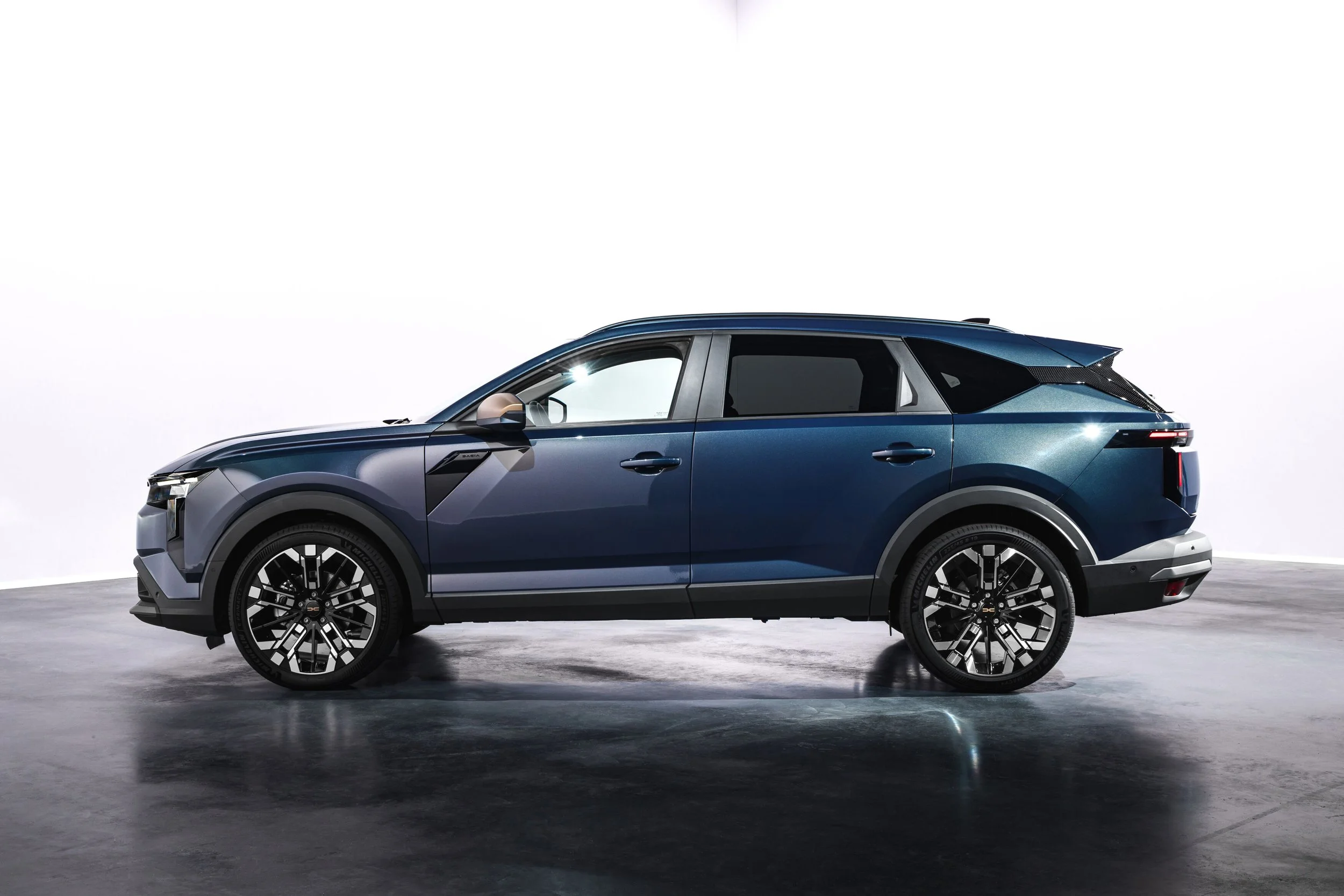
Dacia Striker Estate/SUV Crossover
Powertrain
Full Hybrid
There are two hybrid powertrains on offer with the ‘hybrid 155’ - which is a full hybrid - that has a 109 hp 1.8-litre 4-cylinder petrol engine, two electric motors (a 49 hp motor and a high-voltage starter/generator), a 1.4 kWh battery (280V) and an automatic electric gearbox with four gears for the petrol engine and two others for electric operation.
With regenerative braking, the Striker claims that it is able to remain in all-electric mode up to 80% of the time in the city, and that it will always start in all-electric mode.
Mild Hybrid
The second powertrain is a mild hybrid called ‘hybrid 150, that’s comprised of a 1.2 litre mild hybrid (48v) engine producing 140 hp, and 230 Nm of torque mated to a 6-speed dual-clutch automatic gearbox.
At the rear and is a 31 hp electric motor with 87 Nm of torque and a two-speed automatic gearbox that can be fully disengaged.
Driving Modes
There are five driving modes covering most situations that the average driver may encounter:
Auto, where the vehicle automatically manages the switch between 4x2 and 4x4 modes
Eco for maximum fuel savings, switching to 4x4 mode on low-grip surfaces;
Snow, a 4x4 mode for roads with low grip.
Mud/Sand, a 4x4 mode optimised for loose ground.
Off-Road for off-road driving on rugged terrain at low speeds.
Adding to the Striker’s soft-off roading credentials is Hill Descent Control that will control the cars descent on slippery surfaces.
Space
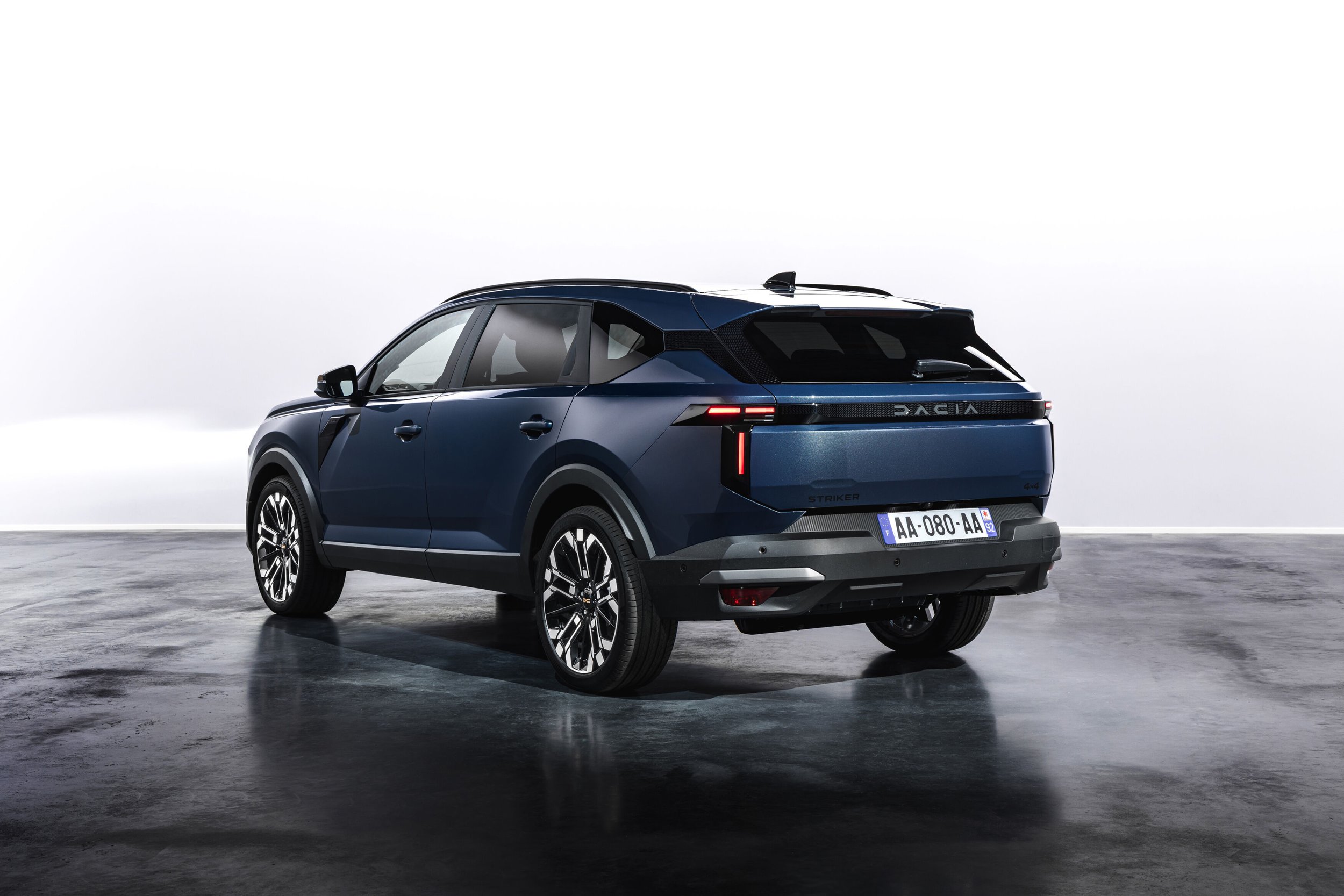
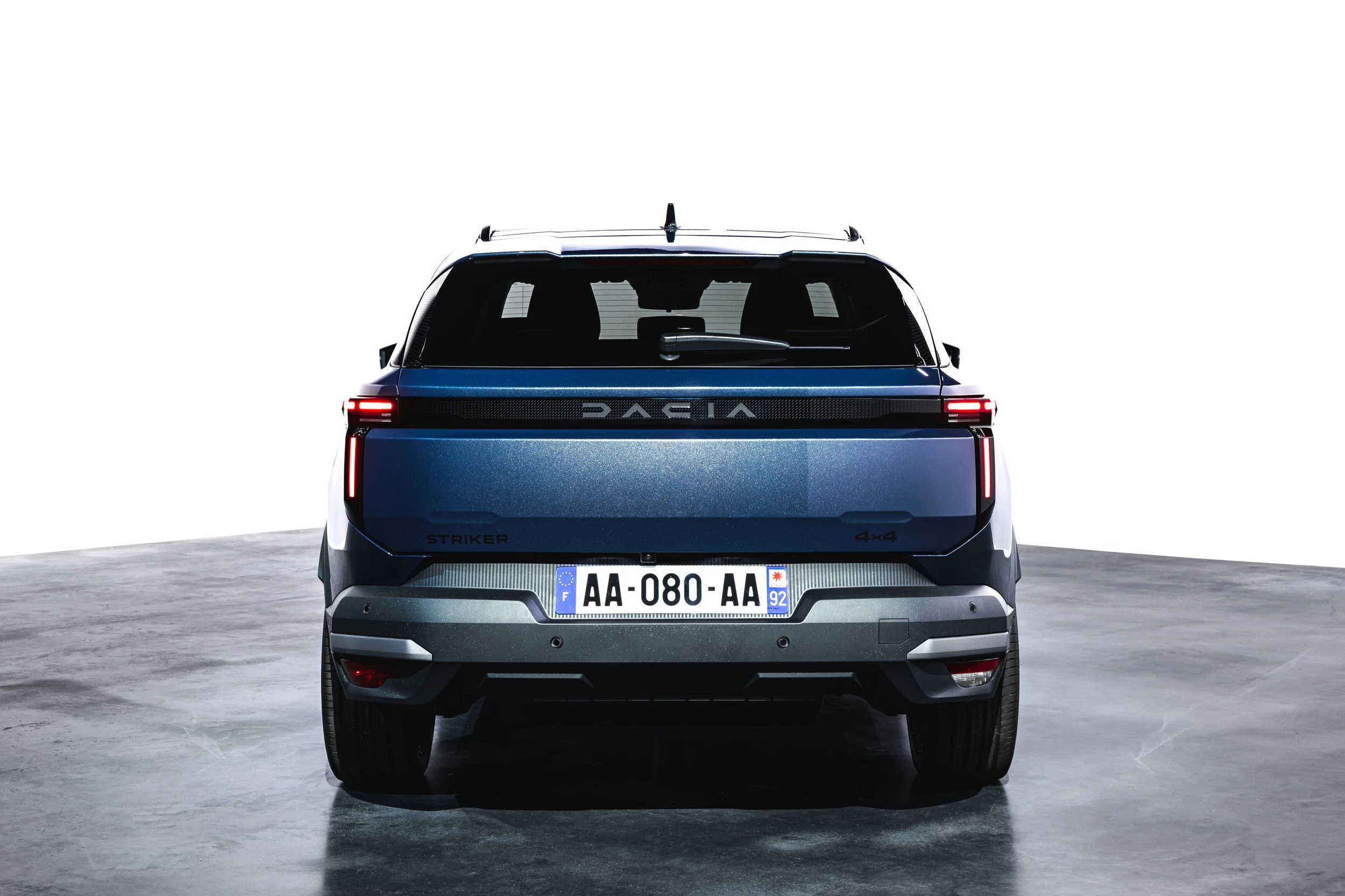
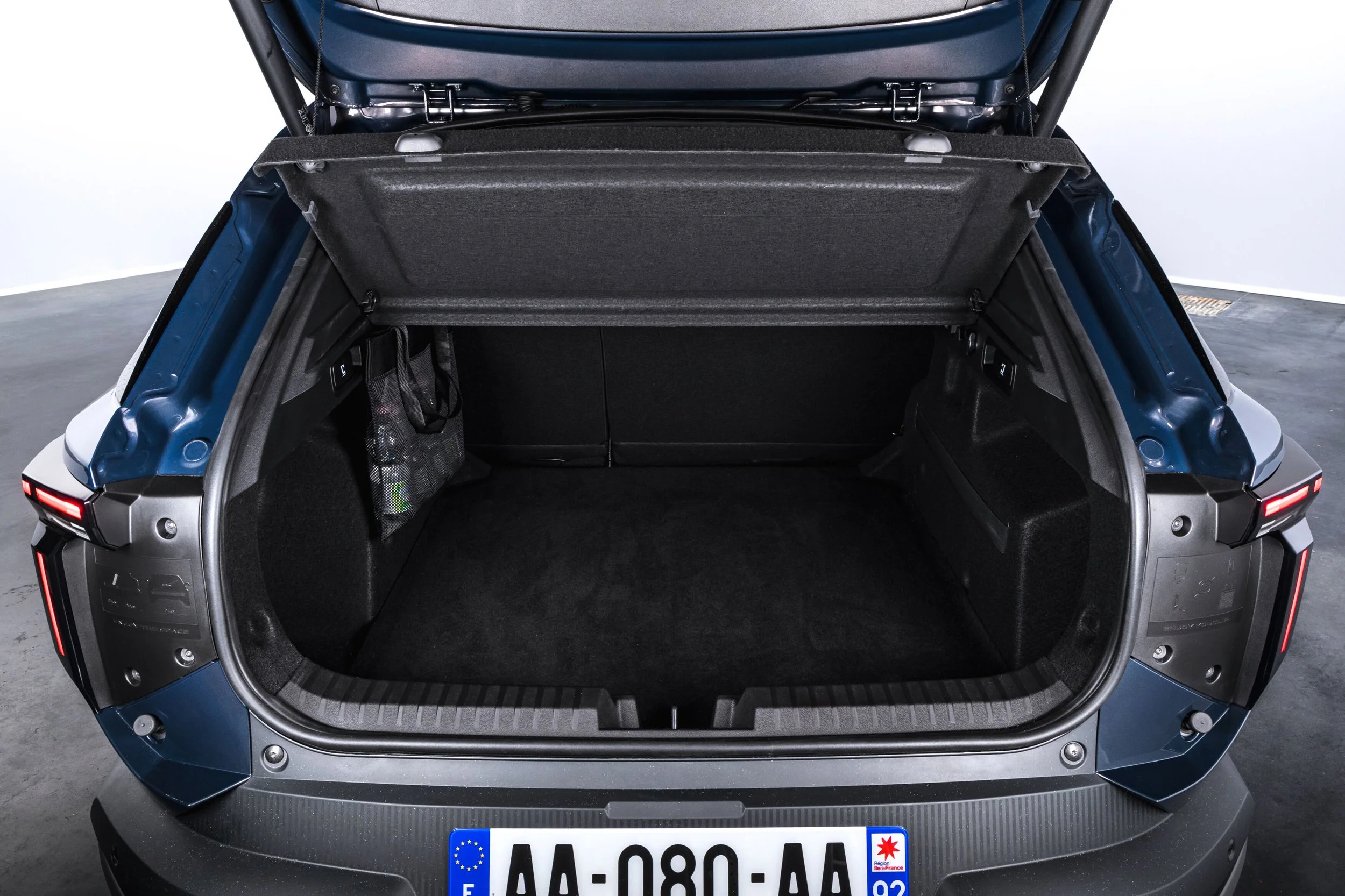
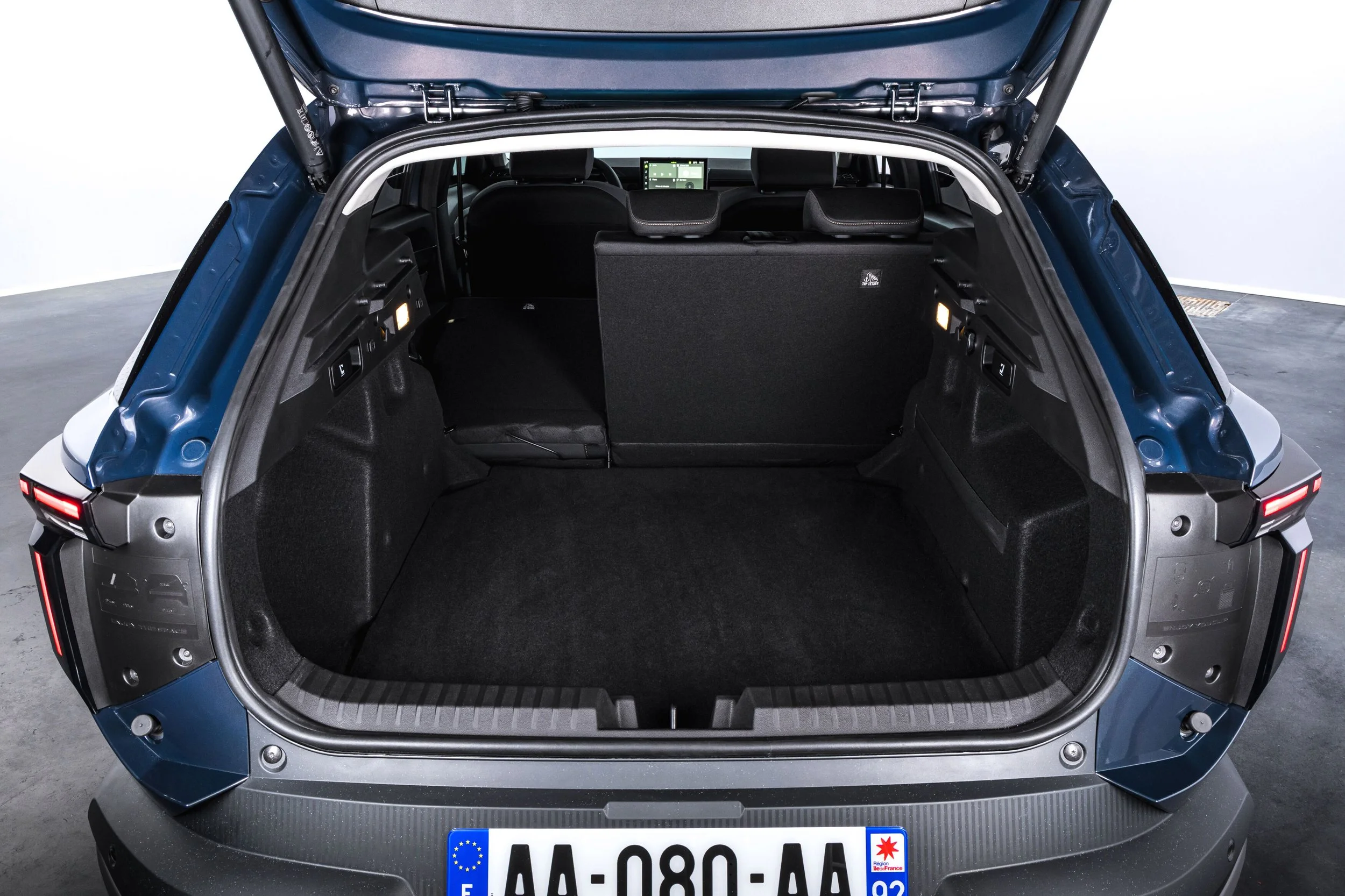
It has space in abundance. Being an estate car first, with some off-road credentials, there is no compromise on what this car can swallow.
With a boot capacity of 600 litres, there isn’t much out there at that price point - that’s also a 4×4 hybrid - which will do family stuff so well. And when life throws you armfuls of stuff, the Striker isn’t short of a specification that will help, because it has an automatic, electrically operated boot opener.
The rear seats can split 60/40, but as yet there is no word on van-mode storage, when those rear seats are folded down.
But if all that space still isn’t enough, Dacia will sell you a roofbox with a further 480 litres of storage. If my maths serves me well, that’s 1,080 litres of storage with the rear seats in their upright position.
The roofbox alone (which opens from both sides) weighs just 18 kg - or approximately two Miniature Schnauzers in weight - but it can carry up to 75 kg of load, which is three suitcases and some hand luggage.
Trims
Dacia says it wants to keep things simple by offering just four trims, which is perhaps two more than many Chinese rivals.
Essential
This trim comes with 17-inch steel wheels, roof bars, Media Display with a 10.1-inch central screen, connected services and smartphone mirroring, 7-inch LightVisio digital instrument cluster, manual air conditioning, rear parking sensors and a rear-view camera, power windows front and rear, and more.
Expression
Adds the same as Essential, plus 17-inch alloy wheels, dual-zone automatic air conditioning, electric parking brake with Autohold, high centre console with armrest, power folding wing mirrors, air vents and two USB ports in the rear seats, and more.
Extreme
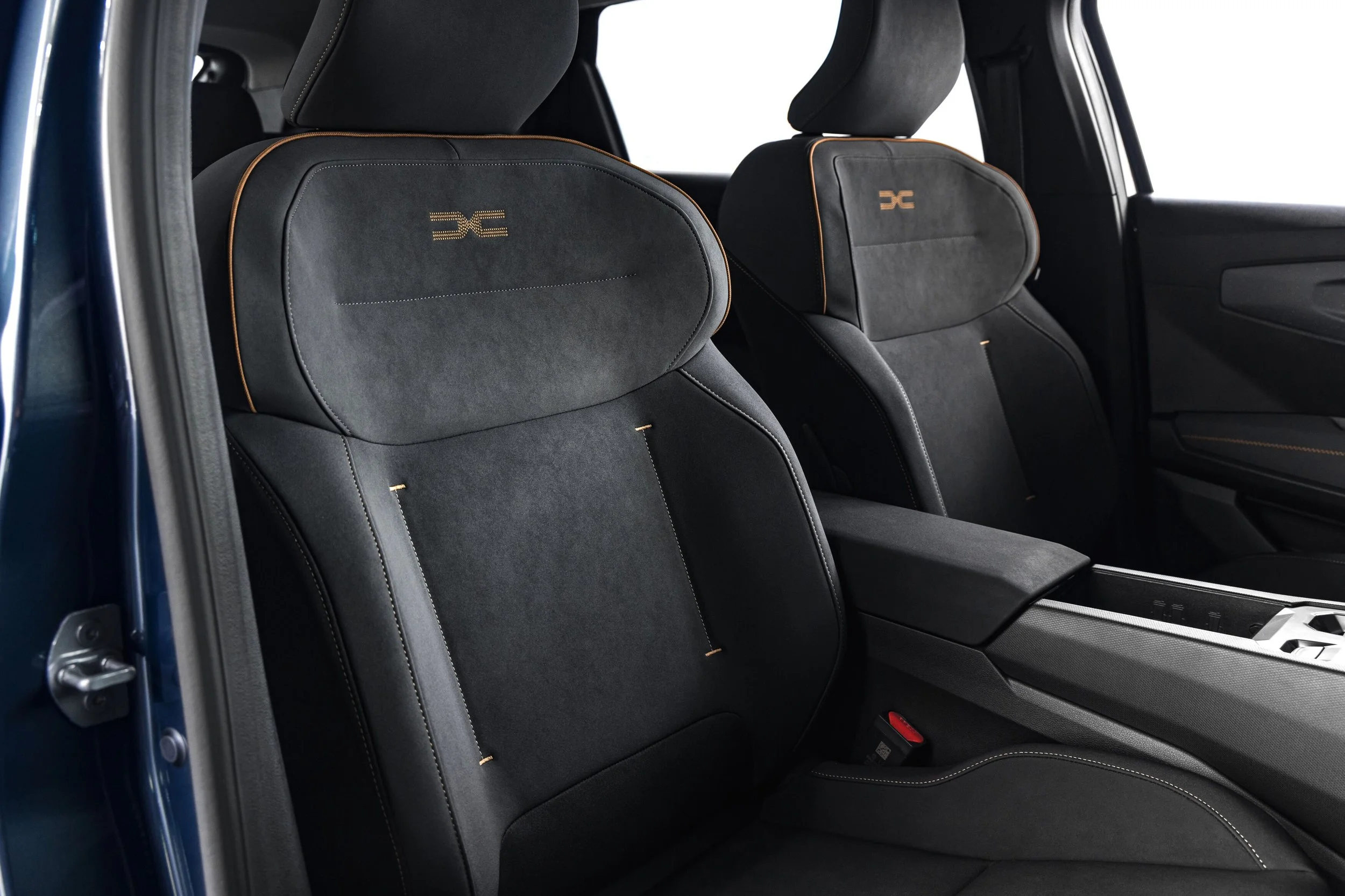
This is seen as the posh trim by building on the Expression, but it adds 18-inch alloy wheels, Copper Brown exterior and interior trim, panoramic sunroof, hands-free card, washable Microcloud synthetic TEP upholstery, rubber floor and boot mats, 10-inch digital instrument panel, Media Nav Live system with a 10-inch central touchscreen and connected navigation, Arkamys 3D sound system with six speakers, hill descent control, and more.
Journey
Lastly the Journey spins off the Expression by adding another top- spec trim, adding 18-inch alloy wheels, automatic power tailgate, hands-free card, tall centre console with armrest, power-adjustable driver’s seat, heated front seats and steering wheel, Media Nav Live system with a 10.1-inch central touchscreen and connected navigation, Arkamys 3D sound system with six speakers, wireless smartphone charger, and more.
So, not as simple as one would like because, if you’re indecisive like me, the two top trims will make choosing the correct spec even harder.
Interior
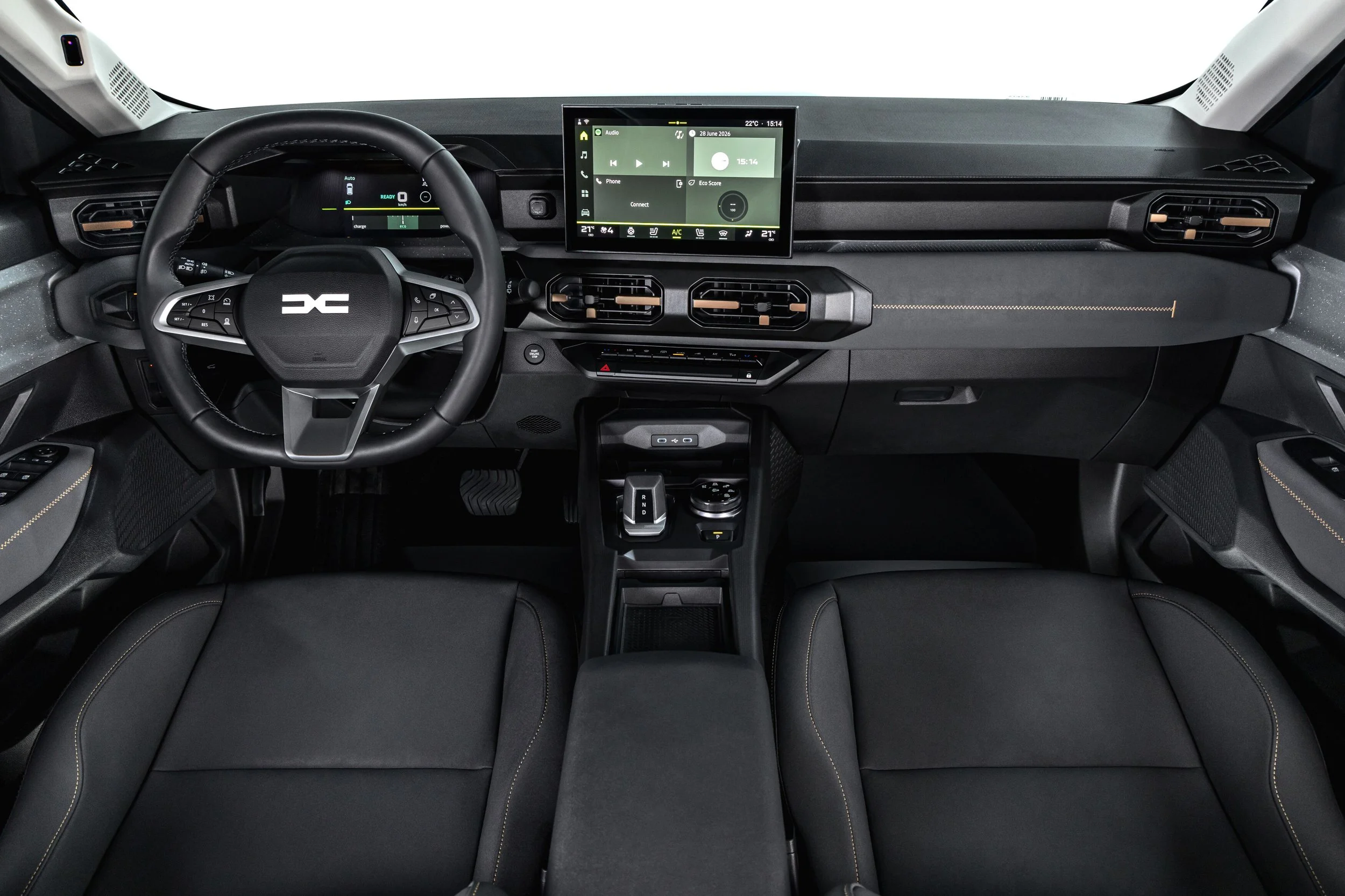
The dashboard has a clean, simplistic design, if not extremely dark and without any splashes of colour or the chinzy appeal of sparkly bits to brighten it up. It carries a gloom about it that’s a reminder of being in a budget brand where such additions have been cast away to drive down costs. It’s a shame given that some colour and shiny bits would invariably gift the interior a much needed boost for not a lot more.
And with the darkness that has descended on the dashboard, Dacia seems to have applied some cold, hard logic to its layout with a three-tier structured approach. Dacia is quoted as saying:
The first level, which is closest to the occupants, focuses on comfort and perceived quality. This is reflected in the use of warm materials and primarily textile surfaces, along with a touch of Starkle® continuing onto the front doors for a coherent wraparound effect. Used in the interior of a Dacia model for the first time, this material is part of the brand’s Eco-Smart approach.
The second level takes a more functional, structured approach. It groups the most frequently used controls, accessible through physical controls designed to be operated intuitively, while continuing to focus on the road. This organisation contributes to simple, straightforward and intuitive use from day to day.
The third level, set further back, provides access to the interface and display features. In particular, it includes the 10.1-inch central touch screen, standard across the range. Depending on the trim, it is combined with either Media Display or Media Nav Live. This last system includes connected navigation with real-time traffic information and map updates for eight years, as well as an Arkamys 3D Sound System with six speakers.
It’s admirable having ergonomics at the forefront of design, but hop from a Striker into a Chinese rival from Jaecoo, for example, and it’s like walking out of a cave into a delightful garden room. It’s a night and day difference, quite literally.
The front passenger seat is designed for optimal comfort and support, with a highly contoured design, while the driver’s seat gets power adjustment, but only on the Alt. top-spec Journey trim.
In the rear, passengers have a fold-down centre armrest with a cup holder, but only on both Extreme and Journey trim levels, which seems a little brutal considering we’re not talking about luxury here, just something that many family-focused cars feature as standard.
The same goes for the Autohold system, which maintains the vehicle at a complete standstill without any effort on the driver’s part, for greater comfort in urban driving. This is fitted to the Expression trim, but not the entry level Essential.
Safety
However, safety isn’t compromised because the Striker is fitted with adaptive cruise control as standard, alongside an optional ADAS pack featuring the blind-spot warning function, automatic emergency braking when reversing, occupant safe exit alert, intersection automatic emergency braking, RCTA (rear cross-traffic alert) and a multi-view camera.
The front fog lights include a cornering light that illuminates the bend, or curve ahead as the Striker turns into it, throwing more light onto the dark edges.
The latest European safety standard, GSR2, including the following is standard on all Striker trim levels:
Automatic emergency braking (for urban and suburban driving, with detection of vehicles, pedestrians, cyclists and motorbikes)
Traffic sign recognition and speed alert
Rear parking assist
Emergency stop signal
Lane departure warning
Lane keeping assist
Advanced driver attention monitoring system
Emergency call (eCall)
Cost
Prices for the new Striker are more-or-less aligned with the Bigster by starting at £25,000. And this is where the case for the Striker over the Bigster starts to fall apart because, at face value, the Stiker is a more diminutive figure when compared to the Bigster, so it could perhaps be conceived as getting less for the same money. And this is where perhaps the Striker doesn’t offer value.
If, Dacia were to price the Striker between the Duster and Bigster, it would have made more sense in my humble opinion, because for true value the Dacia Jogger offers more with 7-seats and 712 litres of boot space in 5-seat configuration. And that car starts from a lot less at just £18,995.
The Jogger may not be stylish like the Striker, but it highlights the crux of Dacia strategy here, because for £25,000 customers will be paying for style, and style alone. Yet its the SUV’s that are carrying all the kudos at the moment, and with the Bigster starting at the same price point, what is it that customers will benefit from by choosing the Striker over the Bigster, other than some potential fuel savings?
This is a tough one for Dacia at that price. If the Striker had started at £23,000, the case for it would be much stronger.
———
About the Author
Graeme Cobb is a lifelong car enthusiast with a passion for writing about cars, EVs, industry updates and more. You can find Graeme on 𝕏 at @graeme_cobb