
Bristol Cars is back – with the extraordinary Fighter
Britain’s most unconventional luxury car maker returns by finishing the supercar project it left behind 15 years ago
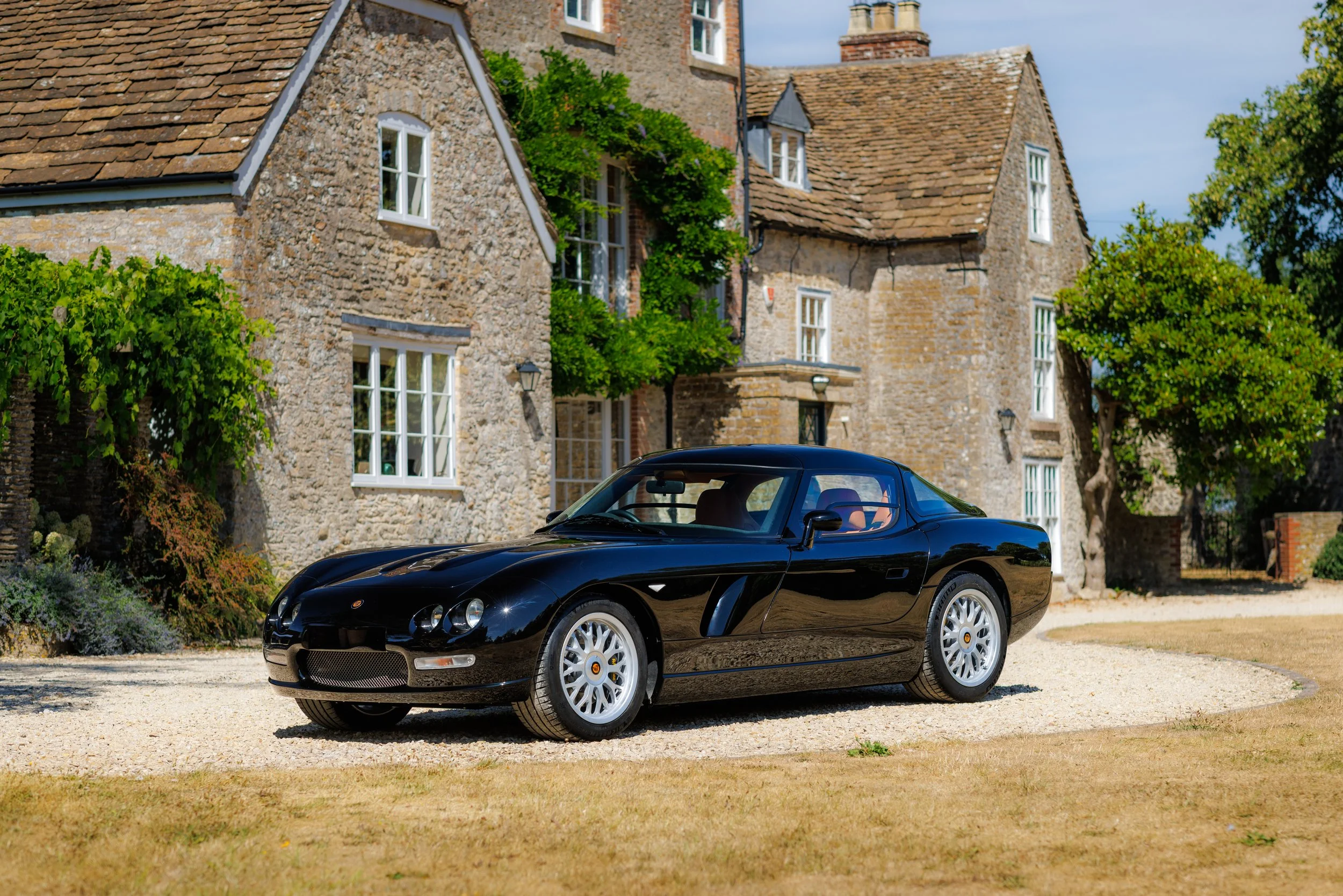
Bristol Cars is back. And rather than returning with an electric SUV or a vaguely retro-styled sports car, Britain’s most eccentric automotive marque is resurrecting one of its most outrageous creations: the Bristol Fighter.
The company has confirmed its return to the automotive world by completing a previously unfinished Fighter, using an original, unused chassis along with the drawings and components from the original programme.
The finished car has made its public debut at Salon Privé at Blenheim Palace, where Bristol is also celebrating its 80th anniversary. And if you were expecting the marque's comeback to be understated, the Fighter is probably the perfect way to make an entrance.
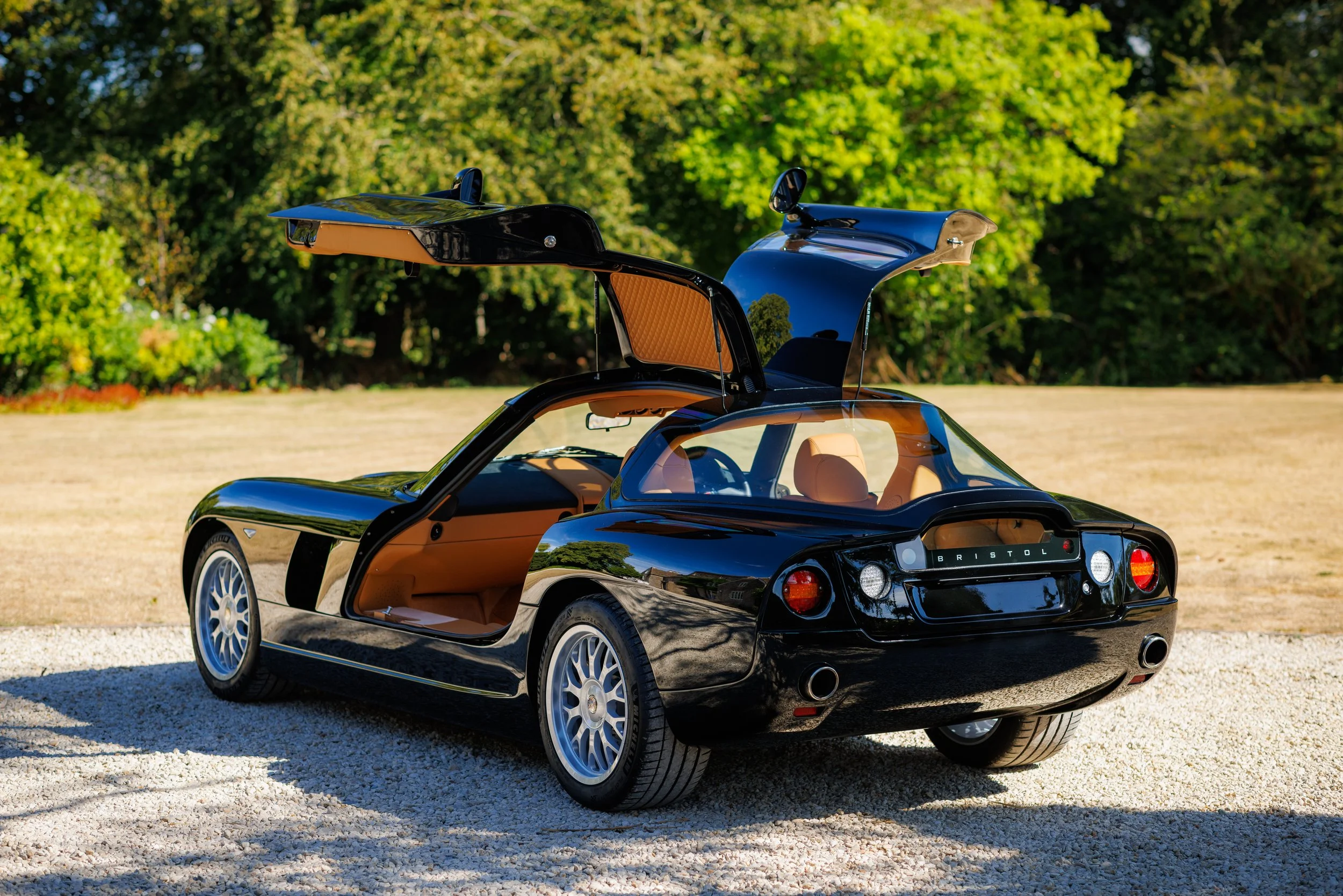
Originally conceived in the early 2000s, the Fighter was Bristol's final production car before the company ceased manufacturing in 2011. It was an extraordinary machine even by the standards of the supercar world, combining a huge 8.0-litre V10 with a lightweight, hand-built body and a pair of dramatic gull-wing doors.
In standard form, the V10 produces 525bhp, although an uprated 600bhp version was also offered. Bristol claimed a top speed of up to 210mph, putting the Fighter firmly into supercar territory.
Yet this was never intended to be a conventional supercar. Bristol approached the Fighter in much the same way it had approached its cars for decades – prioritising engineering, individuality and long-distance ability rather than chasing fashion or outright visual drama.
Its long, low bodywork was heavily influenced by Bristol's aviation heritage, while the cabin was designed to provide the refinement expected of a luxury grand tourer. The result was a car that could deliver supercar performance without behaving like a typical supercar.
That makes the decision to restart the Fighter project particularly significant.
Bristol says that five original Fighter chassis and build slots remain, with the first now completed. The other four will be offered to customers over the coming months, giving collectors the opportunity to commission a virtually unique British supercar built around an original chassis.
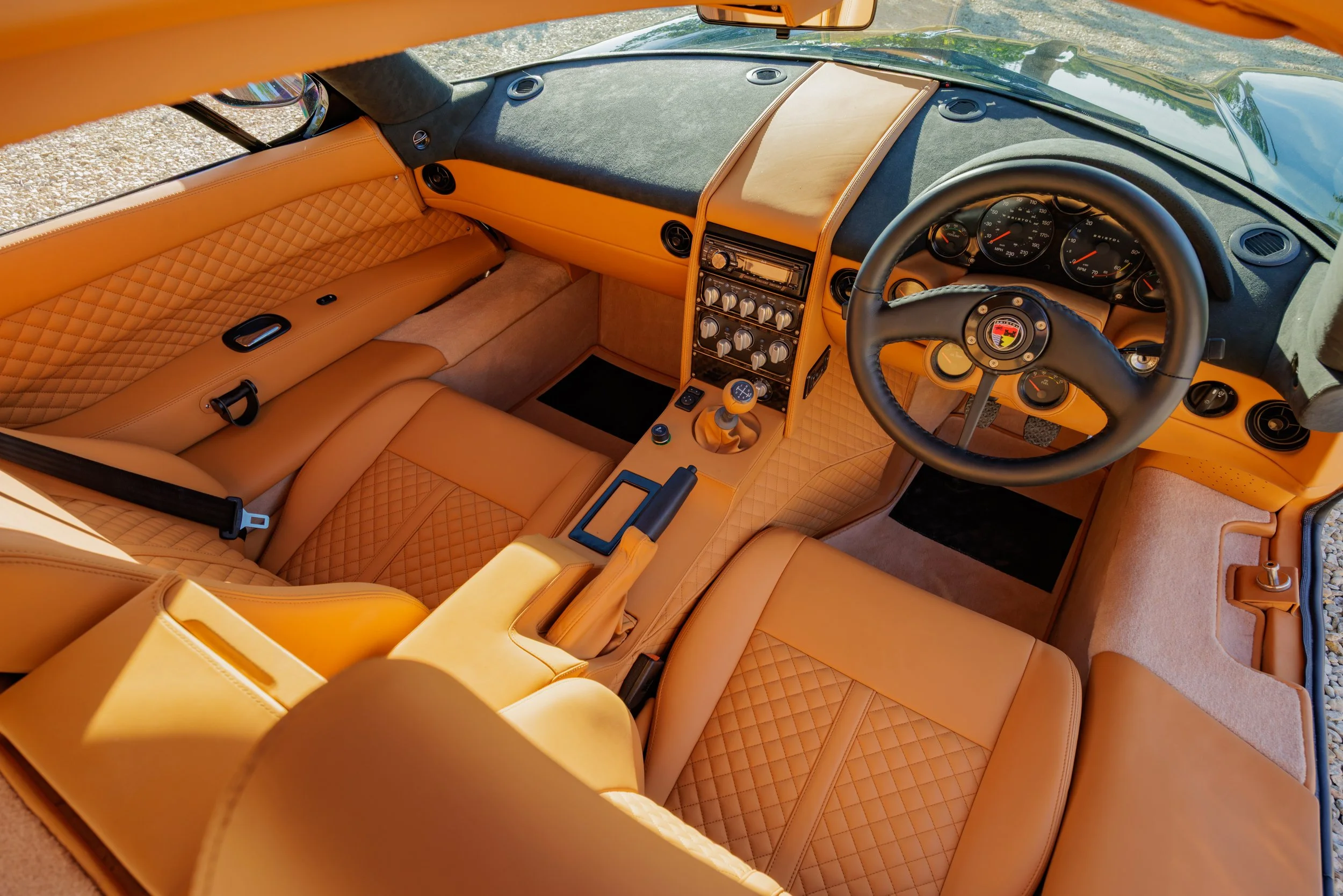
Each will be hand-built to the customer's preferred specification and can be supplied in either right- or left-hand drive. Bristol also intends to offer the cars to major export markets, including the USA.
Prices will be available on application – which, given the rarity of the cars and Bristol's traditional approach to exclusivity, probably won't come as much of a surprise.
A very different kind of comeback
The Fighter is more than simply a convenient model for a revived Bristol Cars, however. It represents an attempt to close a chapter that was left unfinished when the original company stopped production.
Bristol entered administration in 2011, with Kamkorp Autokraft subsequently acquiring the marque's intellectual property and goodwill. The company later unveiled the Bristol Bullet in 2016, but that project never progressed to series production.
The new Bristol Cars is therefore positioning its return as something different. Rather than attempting to pretend the intervening years didn't happen, it is deliberately reconnecting with a tangible piece of the company's history.
Leading the revival is owner and director Paul King, who says the objective is not simply to resurrect the Bristol name but to preserve the qualities that made the company so unusual in the first place.
There is also a significant link to Bristol's past in the form of Richard Hackett, who has returned to the company as chairman.
Hackett was a close adviser and associate to former Bristol boss Tony Crook during the period in which the Fighter was originally conceived and built. His return gives the revived company a direct connection to the people and philosophy behind the original car.
And that philosophy was certainly different.
Bristol was never interested in becoming a volume manufacturer. Its cars were produced in tiny numbers for customers who wanted something considerably more individual than the latest Mercedes, BMW or Porsche.
That makes the Fighter an appropriate starting point for the company's new era.
From aircraft to 210mph supercar
Bristol's unconventional approach can be traced right back to its origins.
The company was established in 1945 as a spin-off from the Bristol Aeroplane Company, producing its first car – the Bristol 400 – in 1946.
Aviation remained a major influence throughout the marque's history, with Bristol developing cars that placed considerable emphasis on engineering and high-speed touring rather than simply following the latest styling trends.
The company's motorsport credentials were equally impressive. The Bristol 450 secured first, second and third places in the two-litre class at the 24 Hours of Le Mans in both 1954 and 1955.
The Fighter represented perhaps the ultimate expression of that engineering-led philosophy.
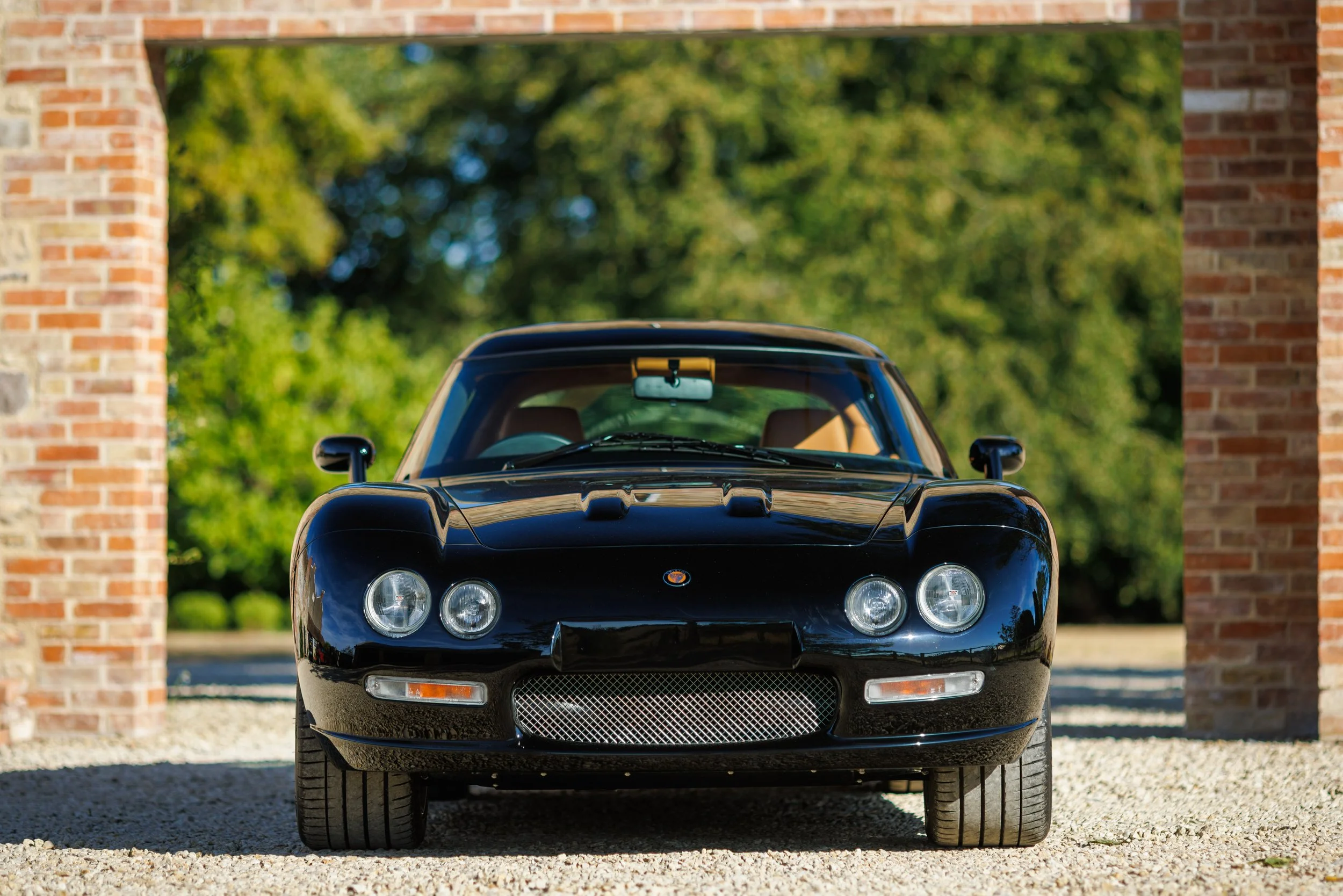
With its enormous V10, gull-wing doors and claimed 210mph top speed, it was certainly capable of competing with some of the world's most exotic machinery. But unlike a Ferrari or Lamborghini, it remained unmistakably a Bristol – understated, unusual and engineered with a sense of purpose.
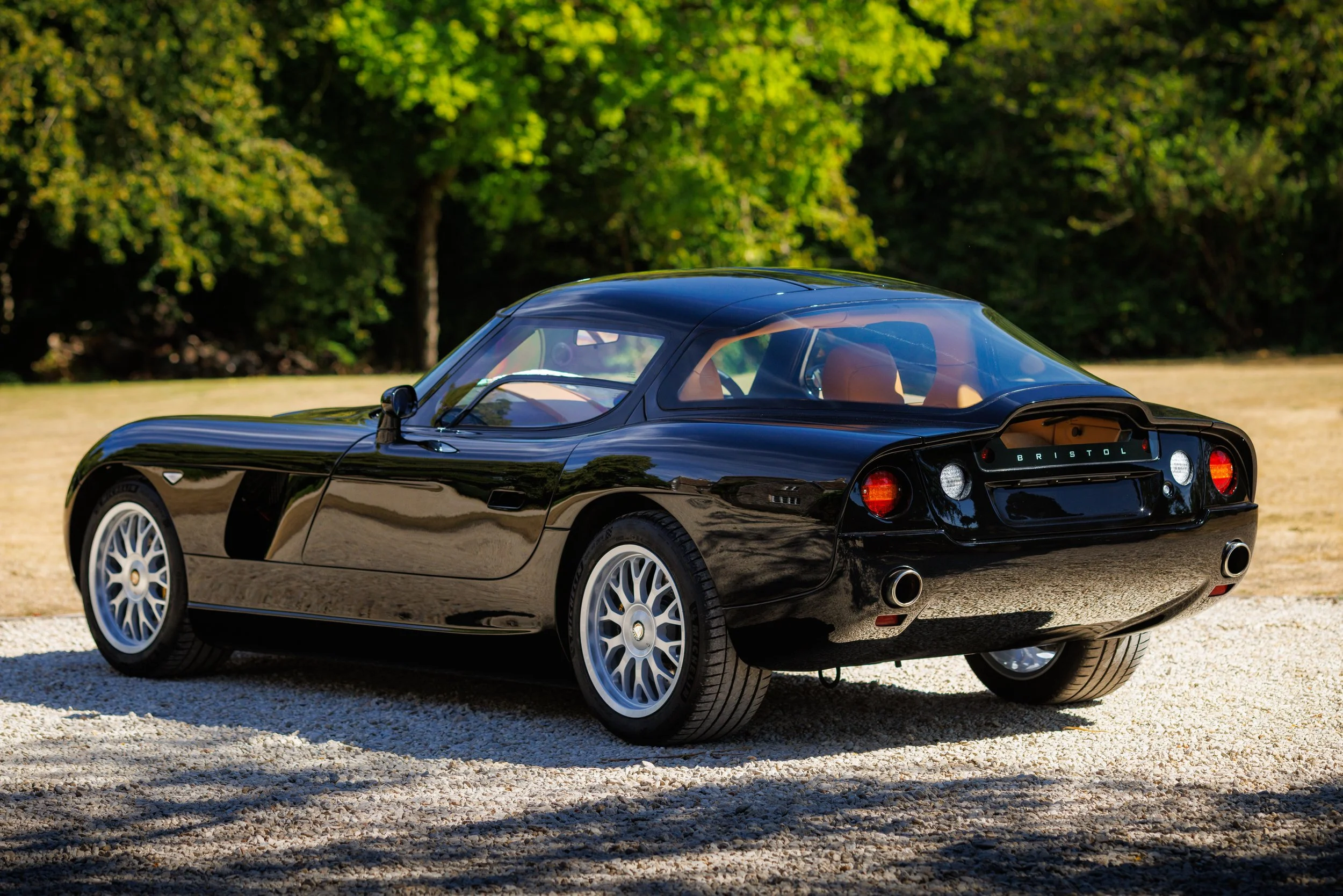
The newly completed car retains that character, finished in a striking black-over-tan configuration.
Built in Britain
The revived Bristol Cars also intends to keep production in the UK.
The Fighter project is being undertaken with a "prestigious" British manufacturing partner, which Bristol says will provide the engineering, craftsmanship and low-volume manufacturing expertise required to complete the remaining cars.
For a marque whose British identity has always been central to its appeal, keeping production at home is clearly an important part of the company's plans.
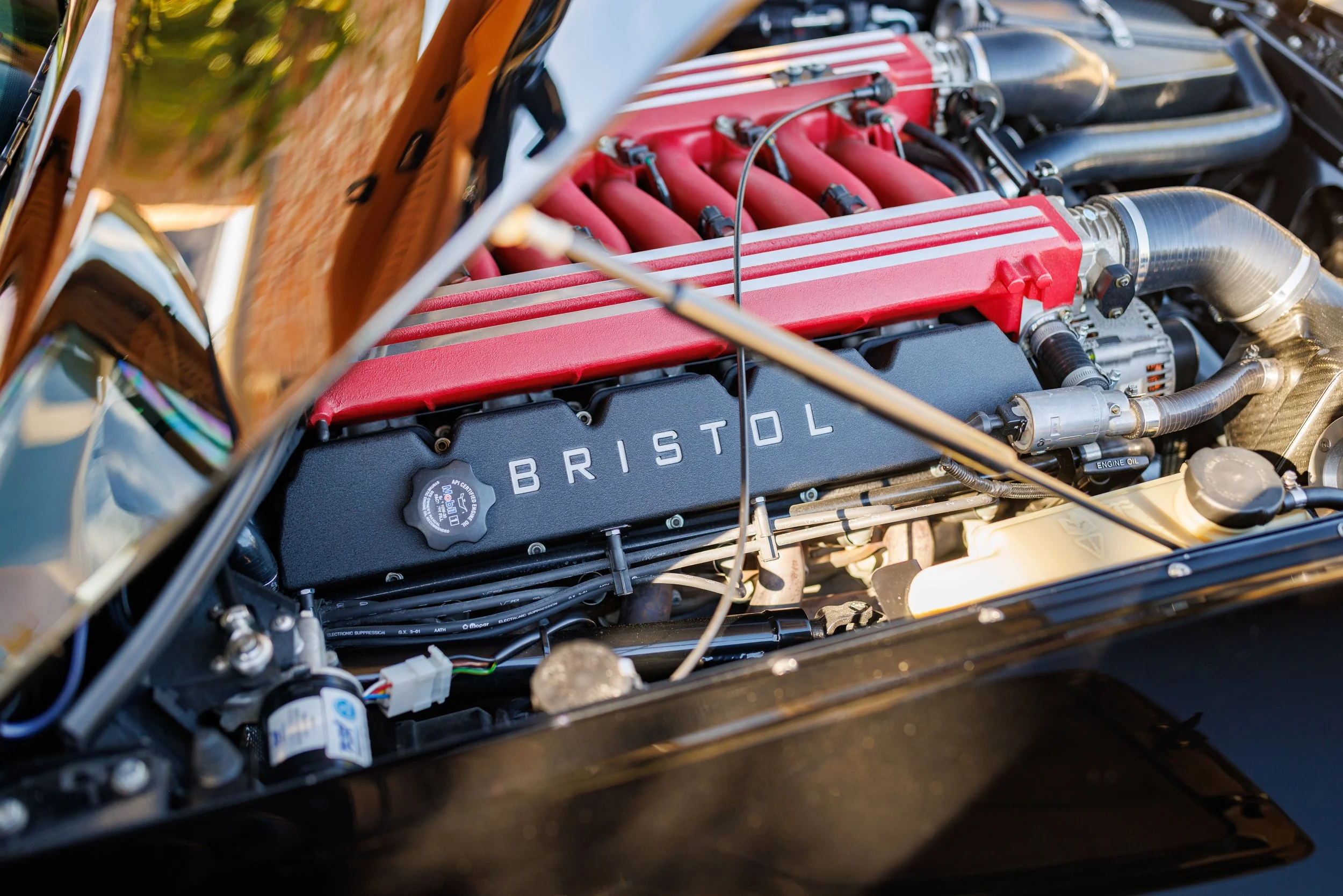
And Bristol insists the Fighter is only the beginning.
The completion of the five remaining chassis is being described as the first chapter of the marque's return rather than the entire programme. The company says it intends to build on the foundations of British manufacturing expertise, its heritage and the knowledge brought by Hackett as it develops its future plans.
Exactly what those plans involve remains under wraps for now.
For the moment, though, Bristol has chosen a suitably Bristol way to announce its comeback: resurrect an unfinished, 210mph, 8.0-litre V10 supercar that has been sitting in the shadows for years.
In an automotive industry increasingly dominated by electrification, SUVs and increasingly similar-looking cars, there is something rather appealing about that.
The Fighter was eccentric, expensive and unconventional when it first appeared. Fifteen years after production ended, it remains all three.
And now, remarkably, Bristol is giving it one last chance to finish what it started.