Autonomous Vehicle Levels Explained
As North America, Australia, New Zealand, China and Europe forge ahead with autonomous vehicles - whether its hands-off driving, or a full Robotaxi - we break down what all the different levels of autonomy mean and why it matters.
What is Autonomy and Why is it Needed?
As we reported on back in April, self-driving cars are currently under review by regulators in Europe following Dutch regulator RDW’s recommendation.
The RDW has carried out extensive testing of Tesla’s Full Self Driving capabilities quoting “This driver controlled assistance system has been extensively examined and tested for more than one and a half years on our test track and on public roads. Safety is RDW’s top priority. Using this driver assistance system correctly makes a positive contribution to road safety.“
This recommendation is currently under review with the EU and is pending a vote as early as the end of June. If a majority of EU countries agrees, every EU country can adopt Full Self Driving overnight, or by a predefined start date stipulated by the EU. It potentially opens up the chance of a Robotaxi fleet to operate in all 27 member nations, as well as personal cars using FSD on open streets.
Robotaxis
The same recommendations are also happening in China from the likes of XPENG announcing recently that the production of it first Robotaxi has started, as reported by Jim in the previous article.
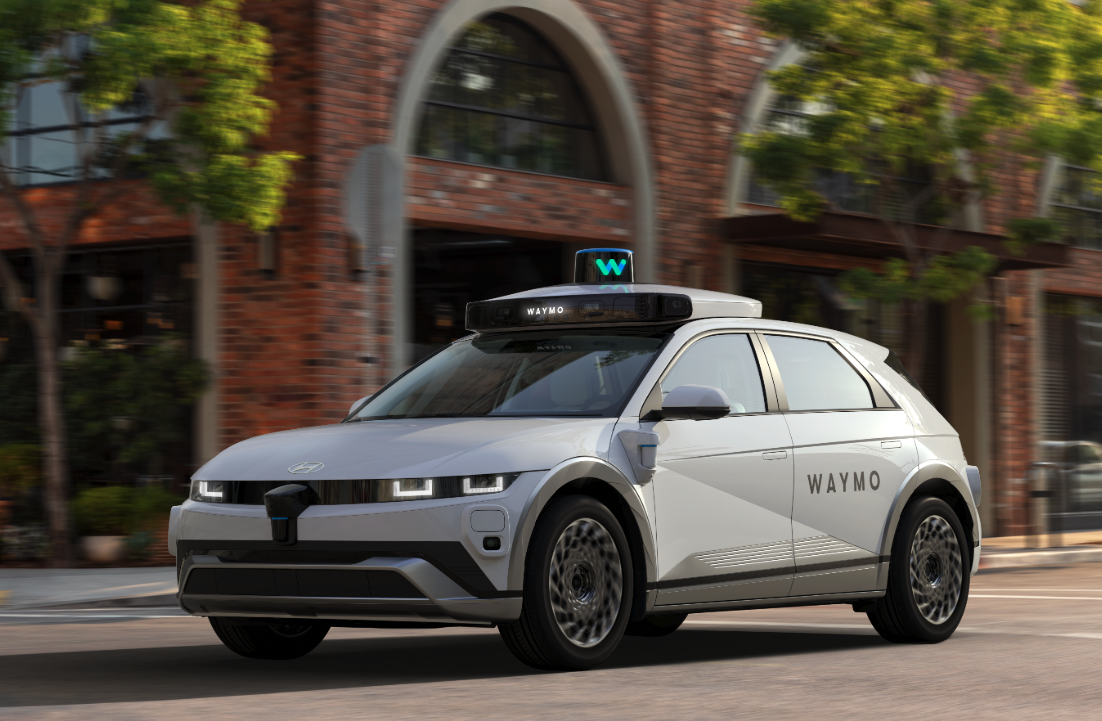
Other manufacturers that are well established, such as Google’s WAYMO is already testing on the streets of London, but the system is already in use in various cities within the United States, and has been for several years now.
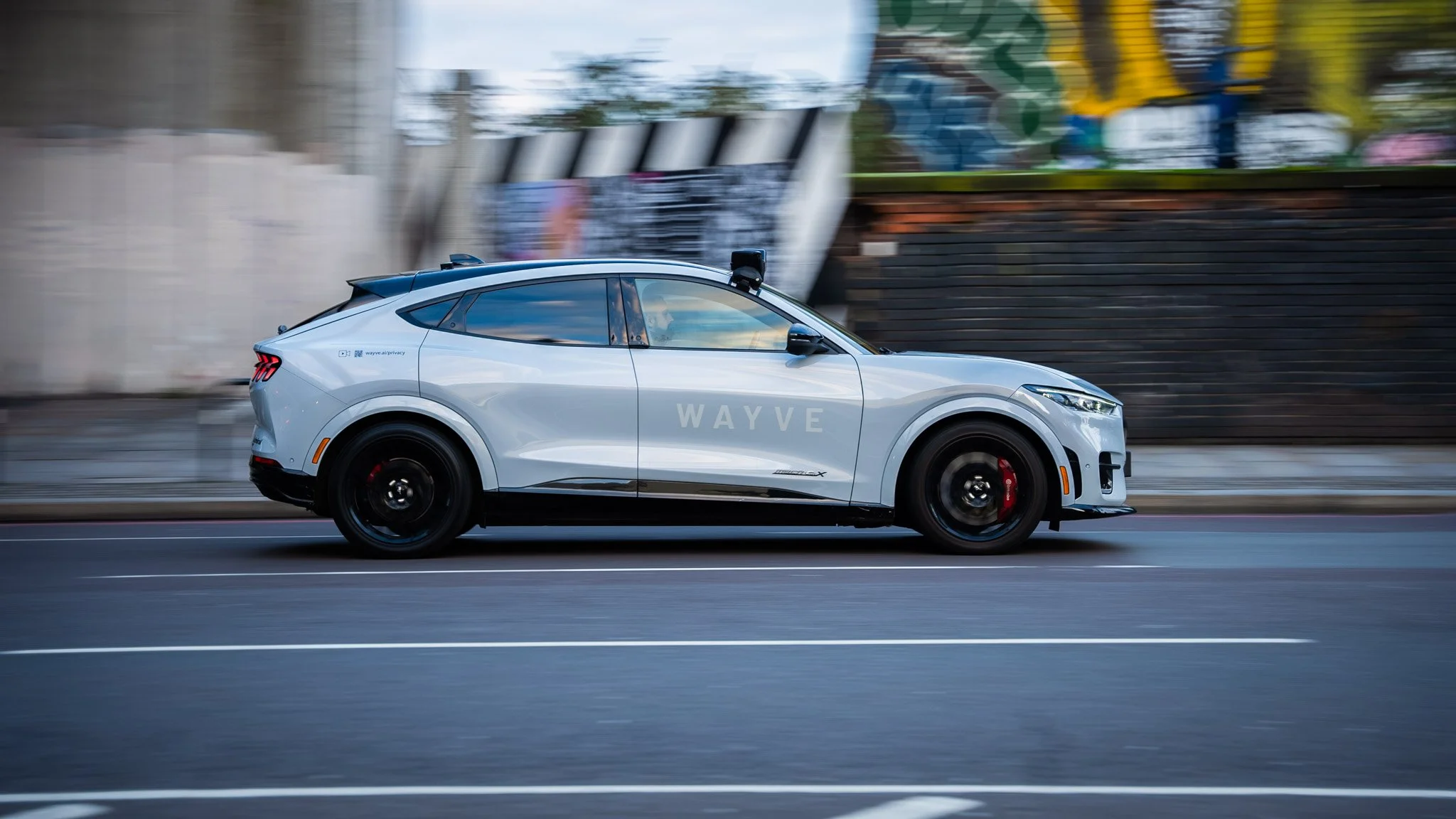
Wayve is a U.K. autonomous vehicle operator partnering with Nissan, Uber and Nvidia to produce autonomous vehicles whilst working closely with the Government.
For Robotaxi’s, this means no human driver onboard, where passengers will board an empty vehicle, instruct where the car with the destination, and the cars moves, brakes and steers on its own to the desired destination. This is often within the boundaries of a geo-fenced area of a city. The age of autonomy is upon us.
Autonomy in Customers Cars
The technology isn’t just reserved for Robotaxi’s because many manufacturers are working on their own proprietary autonomous systems, or are partnering with the likes of Nvidia to produce autonomous vehicles, as Mercedes announced at the start of 2026.
Cars like Ford’s Blue Cruise, which allows hands off driving on specific motorways, or Nissan’s ProPilot and Tesla’s Autopilot which offer similar experiences, are on the spectrum of autonomy, with more advanced systems like Tesla’s Full Self Driving - as mentioned at the top of the article - permits unsupervised or supervised autonomy that’s hand-off driving on any street. More on the distinction between supervised and unsupervised later.
Autonomy Purpose
You may be wondering why so much effort by so many companies and manufacturers is being spent on autonomous vehicles.
Well, there are a few trains of thought on this, but first and foremost it’s to make the streets safer, as noted by the RDW.
Autonomous vehicles have 360 degree vision, and some opt for a suite of sensors, such a LiDAR, Radar, Ultra Sonic Sensor as well as cameras. Onboard compute, or AI compute will handle the decisions as a human would, but without emotions, meaning autonomous vehicles never get tired, are never impaired as some drivers are, and dedicate their compute to driving only, e.g. they’re not distracted.
Autonomous vehicles also won’t get road rage, will not take grievance to other road users mistakes, and they will not get angry at other drivers.
For autonomous vehicles, only logic applies. Decisions are made in milliseconds drawn from its sensor suite and real-world surroundings, but based on billions of miles of driven data from where it was trained.
Another train of thought splits in two when it comes to robotaxis. On the one hand, passengers can get into a car and feel safe without a human driver who they do not know.
And on the other hand, it may help people with disabilities to become more mobile, such as those with vision impairment, or blindness, plus elderly and less able bodied people, where public transport is tricky to navigate and may not take them from door-to-door.
The other element to this is mobilising multi-occupancy vehicles or pods - taking on new routes that busses, trains and trams don’t manage whilst lowering the cost of the trip.
With autonomous vehicles so far having been electric, there’s no expensive human driver and no expensive liquid fuel, plus less maintenance since there is no engine. Savings can be passed to customers.
And this is an important point because it may open up rural routes were busses could no longer afford to serve as profit margins were squeezed into negative territory by the cost of fuel, wage hikes, and adding large and expensive busses to areas with a smaller populous.
By adding smaller autonomous vehicles, that have much lower overheads, it can bring back much needed transportation for people to reach other villages and towns from rural locations. There is no reason why bus companies cannot operate these alongside their larger fleet of diesel busses.
Autonomy does not necessarily have to replace public transport, but it may add to improved mobility and take the pressure off public transport to serve smaller communities, or relieve congestion on busy town and city streets as drivers find alternatives to crowded - and often expensive - public transport.
One last thought on this is that overtime the number of cars on the roads has increased, some of this through population growth, but also with changes to car financing since the 90’s. This last point has ensured cars are more affordable through a suite of different finance packages, and so accessing cars has become more affordable to more people.
However, despite the finance packages available, cars cost money to own and maintain, and that can put a strain on personal finances especially as some households may have multiple cars. Families could see value in reducing the number of cars in a household if they can rely on convenient, and inexpensive Robotaxis for those local journeys.
We are nearing the dawn of sci-fi as autonomy will undoubtedly bring about the age of personal autonomous transportation as a service.
Autonomy Levels Explained
As autonomy finds its way into customers cars over the coming years, understanding what each level means gives an indication of the cars capabilities. As the technology progresses, so will the levels that manufacturers will offer.
So, what do all the different levels of autonomy mean?
Six levels describe autonomous vehicle capabilities that were established by the SAE International standards. SAE International was originally called the Society of Automotive Engineers and is a global professional association and standards organisation centred on developing standards for the transportation industry, ranging from fully manual cars to completely driverless systems with no human intervention.
Level 0: No Autonomy
Control: The human driver performs all driving tasks, such as steering, braking and accelerating.
Role: The system may provide assistance, such as emergency braking as well as a raft of warnings like blind-spot monitoring.
Level 1: Driver Assistance
Control: The vehicle can handle one specific task at a time such as cruise control or lane keep assist.
Role: The human must be in control of the vehicle at all times and ready and prepared to take command at any moment.
Level 2: Partial Driving Automation
Control: The system controls the steering, acceleration and braking simultaneously.
Role: While the car drives itself, the human driver must remain fully engaged, attentive, and keep their hands on the wheel (e.g., Tesla Autopilot or Nissan ProPilot). This is a supervised system, by the human driver.
Level 3: Conditional Driving Automation
Control: The car handles all aspects of driving in specific conditions whether its slow-moving traffic or driving on designated motorways.
Role: The human does not need to monitor the road but must be prepared to take over when the system requires intervention. This is a supervised system.
Level 4: High Driving Automation
Control: The vehicle handles all driving tasks in defined geographical areas such as geofenced robotaxis as seen with Waymo, or automated delivery shuttles as used by Amazon in some countries.
Role: No human driver is needed and the vehicle can safely abort and pull over if it encounters conditions beyond its capabilities. This is an unsupervised system.
Level 5: Full Driving Automation
Control: The system can navigate all roads globally under any weather and traffic conditions without human assistance. The car offers near sentient-like abilities, able to think for itself, make appropriate decisions based on its surroundings and date input.
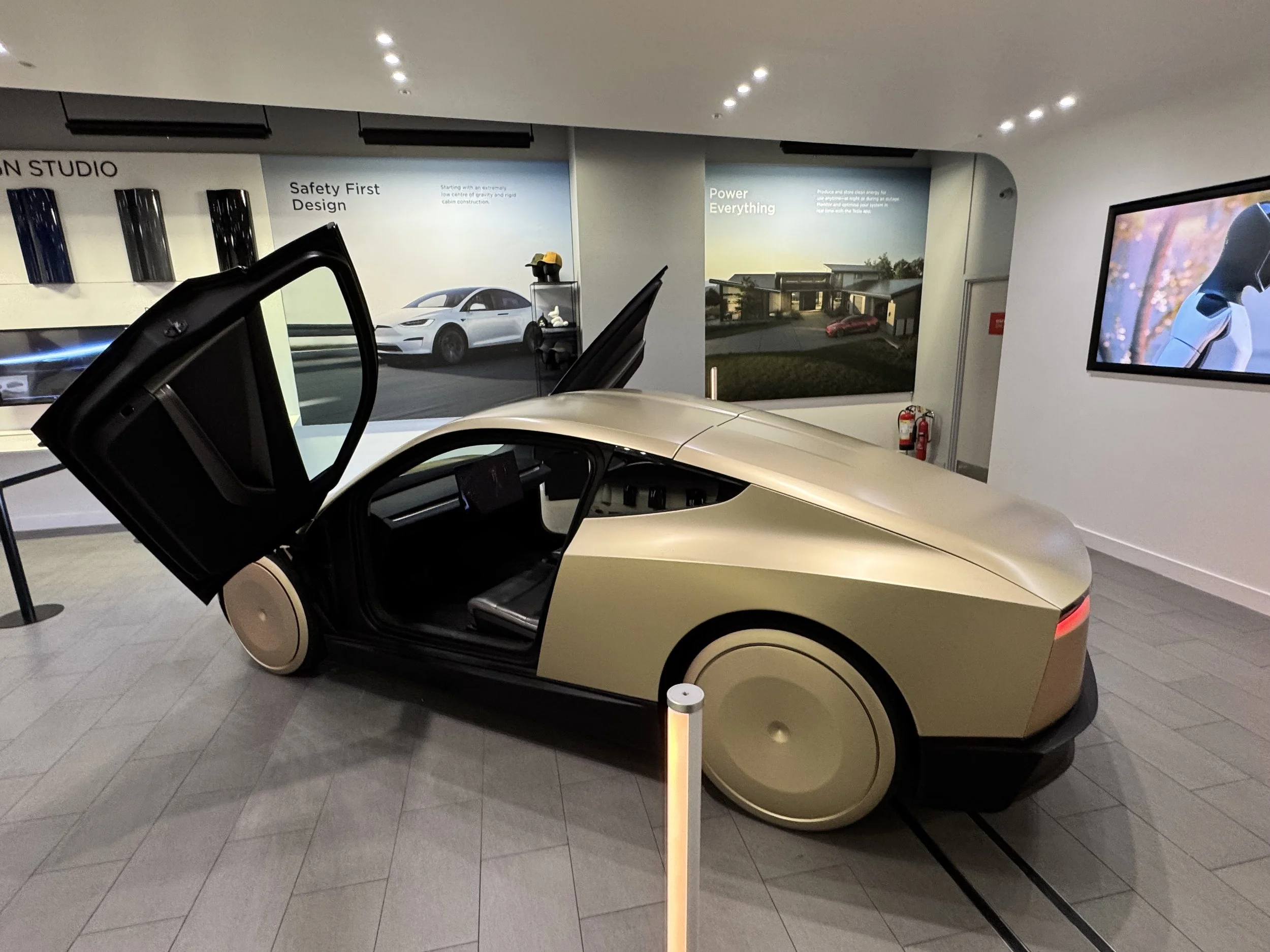
Role: Passengers are riders and the vehicle may not even have to include a steering wheel or pedals, as we see with Tesla’s Cybercab. This level is the goal for true Robotaxi fleets, replacing the driver in all situations and enabling travel to any destination without pre-mapping. The car can think for itself and acts in the best interests of the passenger, safely delivering them to their destination. This is an unsupervised system.
You may be able to recognise your own cars autonomy level within the six described above, but it may also help to understand that much progress is required for these systems to become ubiquitous. Autonomy in personal cars is at the discretion of the driver - such as cruise control - and it may remain that way for a while yet. But as autonomy develops, and real-world data provides evidence of significant safety improvements, people may start to see the value it offers in protecting their loved ones.
———
About the Author
Graeme Cobb is a lifelong car enthusiast with a passion for writing about cars, EVs, industry updates and more.
You can find Graeme on 𝕏 at @graeme_cobb or YouTube @REV-EV.