
China’s Robotaxi Race Accelerates as XPENG Starts Mass Production
Chinese EV manufacturer XPENG has officially unveiled its first mass-produced Robotaxi, marking a significant milestone in the company’s autonomous driving ambitions. The vehicle rolled off the production line in Guangzhou on 18 May, with XPENG claiming it is the first automaker in China to achieve mass production of a Robotaxi through full-stack in-house development.
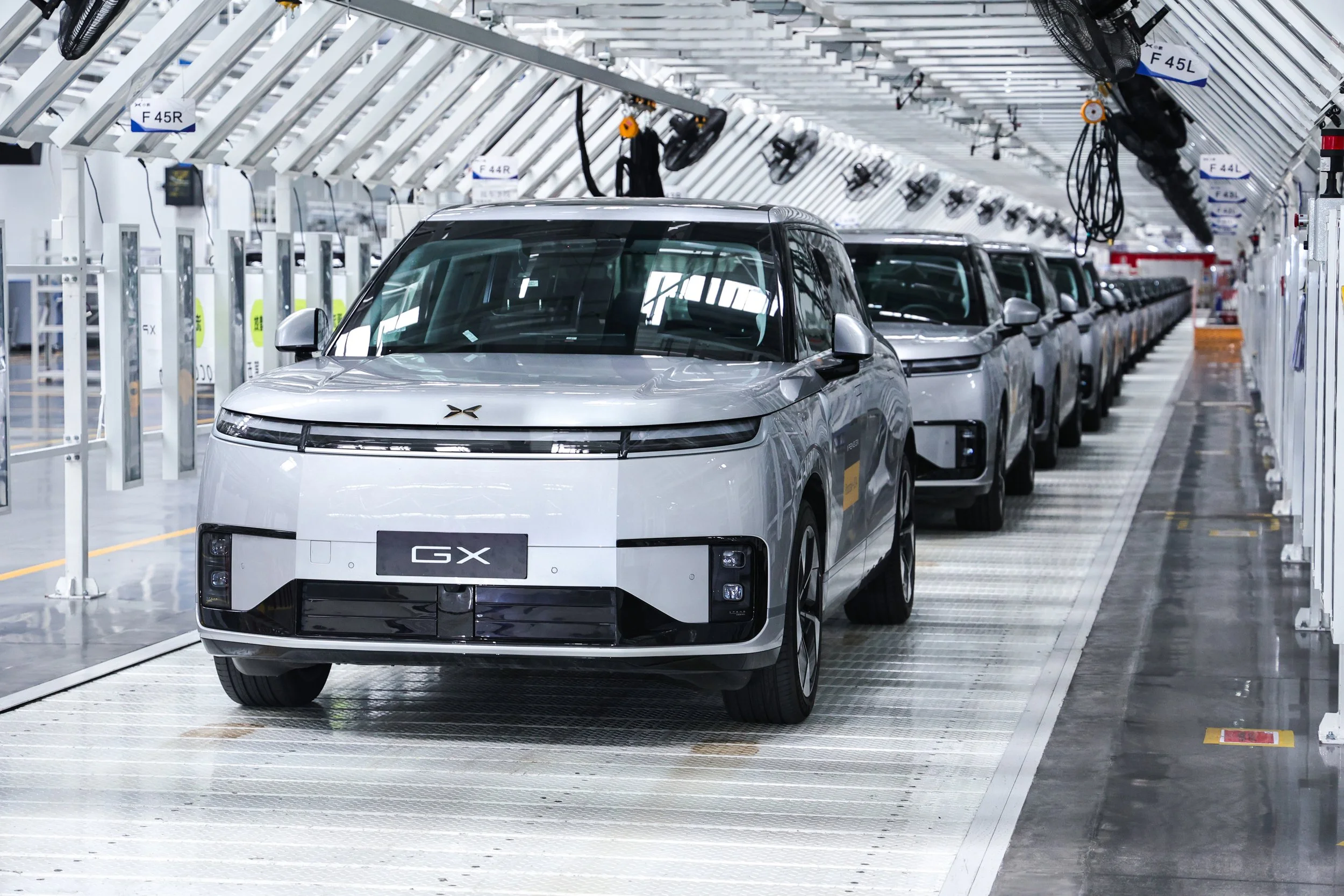
The first XPENG Robotaxis roll off the production line
Built on the company’s new GX platform, the production-ready Robotaxi has been engineered to Level 4 autonomous driving standards. XPENG says the model uses four of its self-developed Turing AI chips, delivering a combined computing power of 3,000 TOPS — a figure the company describes as industry-leading.
Unlike many rival autonomous vehicle projects, XPENG’s system does not rely on LiDAR sensors or high-definition maps. Instead, it uses a pure vision-based setup combined with the company’s VLA 2.0 end-to-end AI model. According to XPENG, this architecture reduces response latency to under 80 milliseconds while improving the system’s ability to operate across different cities and road environments without extensive remapping.
The company secured a public road testing permit for intelligent connected vehicles in Guangzhou earlier this year, allowing the Robotaxi programme to move into regular L4 testing on public roads. XPENG later established a dedicated Robotaxi business division in March to oversee development, testing and future commercial operations.
Inside, the Robotaxi has been designed to offer a more premium passenger experience than many current autonomous shuttle concepts. Features include privacy glass, reclining gravity seats and rear entertainment screens, while occupants can also interact with the cabin through a built-in voice assistant.
XPENG says pilot Robotaxi operations are scheduled to begin during the second half of 2026. These trials will focus on assessing the viability of the technology, passenger acceptance and the wider commercial business model. The company’s stated aim is to achieve fully autonomous operations without an onboard safety operator by early 2027.
As part of its wider strategy, XPENG also confirmed plans to open its Robotaxi software development kit (SDK) to partners, with Chinese mapping and mobility platform Amap announced as its first ecosystem partner.
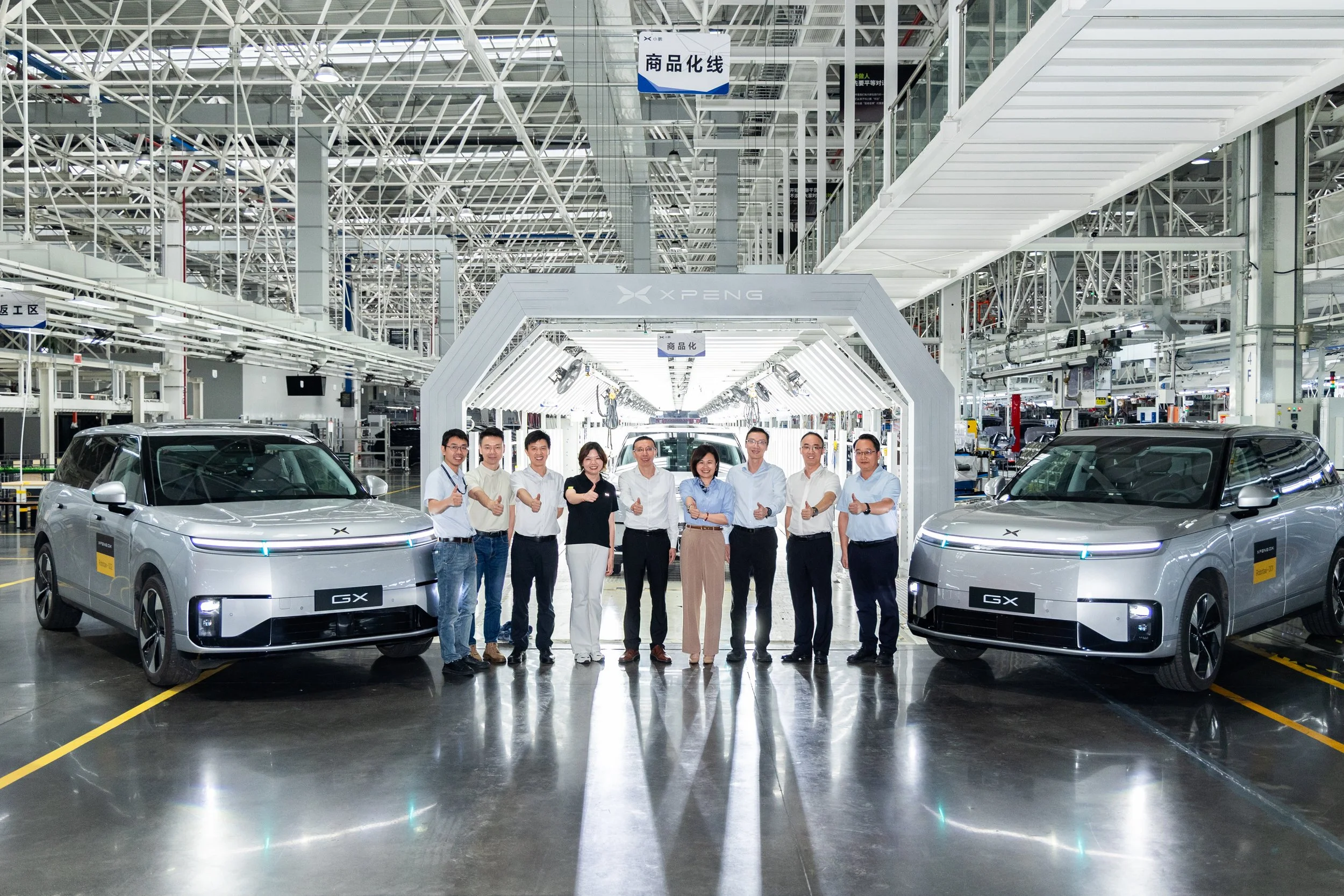
The company plans to begin pilot Robotaxi operations in the second half of 2026
The Robotaxi forms part of XPENG’s broader “physical AI” ecosystem, which also includes the company’s humanoid robot project, IRON, and its flying car programme. All three reportedly share the same VLA 2.0 AI model foundation.
Founded in 2014, XPENG has rapidly expanded beyond traditional EV development into AI-driven mobility technologies. The company is listed on both the New York Stock Exchange and the Hong Kong Stock Exchange, with headquarters in Guangzhou and additional operations in Beijing, Shanghai, Silicon Valley and Amsterdam.