11 Cars Driven, 11 Mini Reviews Given at the SMMT Test Day
Jim has already described what the SMMT Test Day is all about, as well as explaining the amazing facilities at Millbrook Proving Grounds, so I’ll not cover this here.
Instead, I got to see the SMMT Test Day with newbie eyes, and I was almost overwhelmed by the sheer number of cars that were available to test. A kid in a candy store is perhaps the best analogy to describe my day, as there was almost too much choice and I crammed in what cars I could. And there was some truly sensational cars that could have tempted me, too. From a few Maserati’s, to BMW latest iX3 and onto some more exotic one-offs, plus Volkswagen brought their entire GTi range of Golf’s to celebrate their 50th GTi anniversary and yes, the original Mk1 was there, too.
However, with Jim’s YouTube channel focused on family cars, I acted with a little restraint and decided to focus on the same, albeit with one little treat.
Below you will find 11 brief test drives and 11 brief impressions for each. Every car was taken on the Hill circuit which replicates Alpine roads, with plenty of twisty roads, sharp bends, banked sections, steep hills, blind descents and some rumble strips, or ribbed sections.
It really lent itself to testing the handling, ride quality and driver engagement. But there’s another twist, and this time it’s not the course, because I reveal my personal winner at the end, and it’s perhaps not what anyone will be expecting.
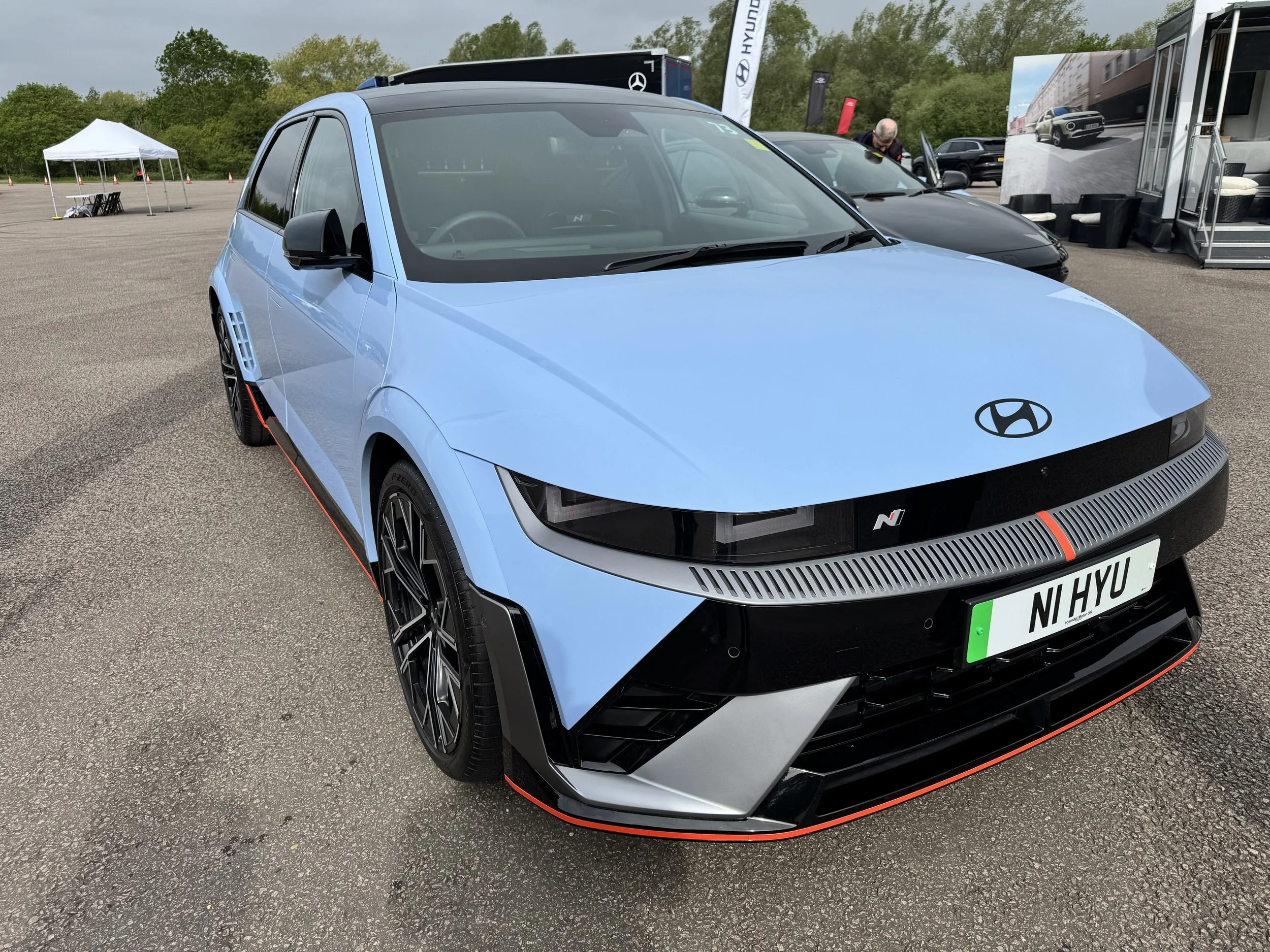
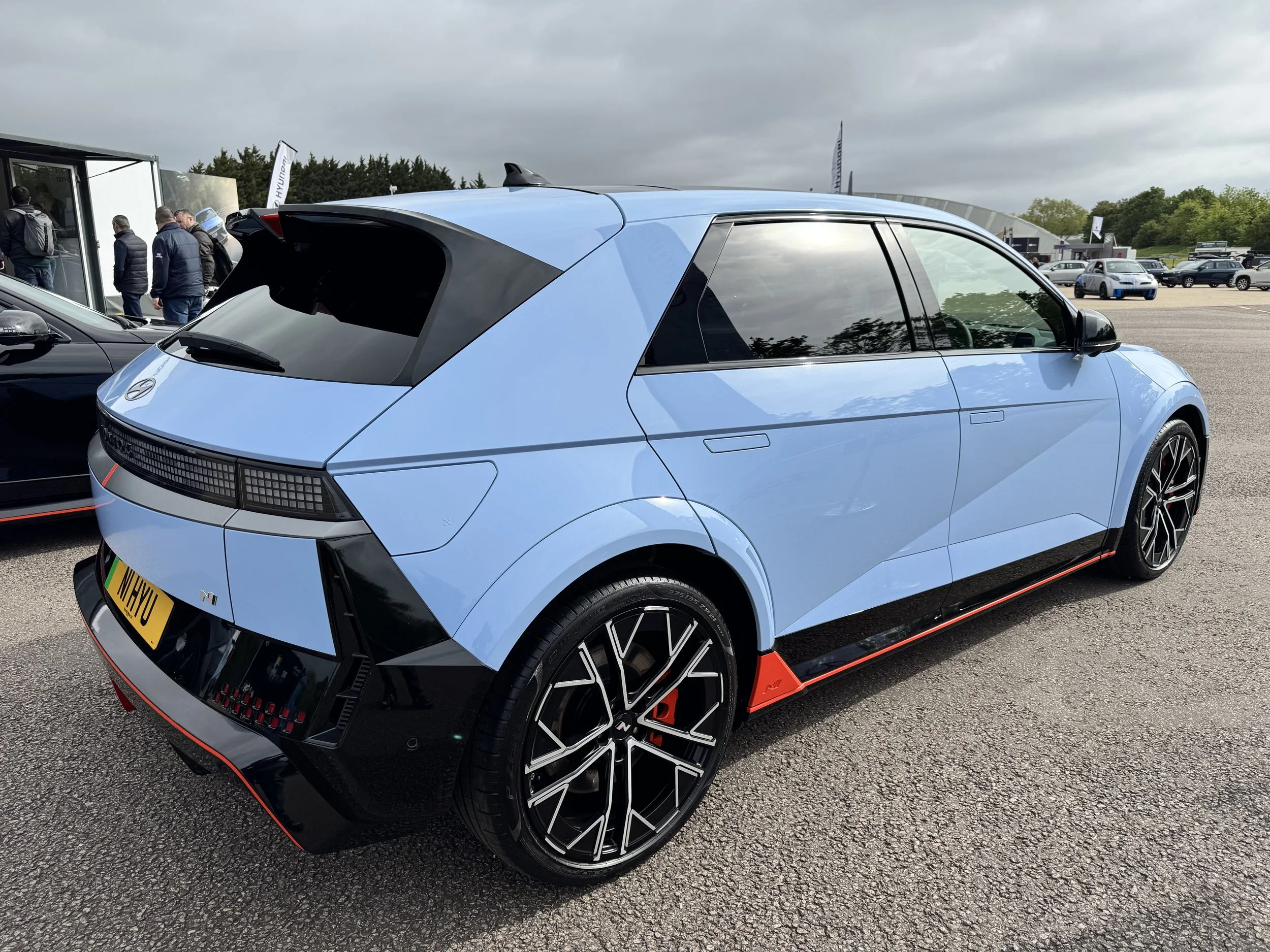
Hyundai IONIQ 5 N
Ok, I admit, it’s not a natural family fit, and this was my treat, but it has 5 seats and it’s a hatchback with a decent boot, so it fits the brief, sort of.
This was perhaps the shortest test of the day because it was just ridiculously fast that I returned to base in the blink of an eye and with a broad smile across my face.
The magic sauce was not in the fake engine noises, or faux gearchanges - I didn’t bother with either - but it was how the car felt to drive, how it could turn into undulating bends, and steer on the crests of hills through tight turns as if the tyres were made from glue.
Nothing phased this car, not even the ribbed sections that everyone ignored, yet it remained planted and settled with a determination that any bend had no limits.
If I can sum up this car, it would be sensational. But perhaps what is the most sensational element to this is it did this without an engine. Without noise, without the drama of a loud exhaust. It needed none of that to be a thoroughly engaging and entertaining car to drive.
Boot Space: 480 litres
Range: 278 miles (WLTP)
Price: £65,800
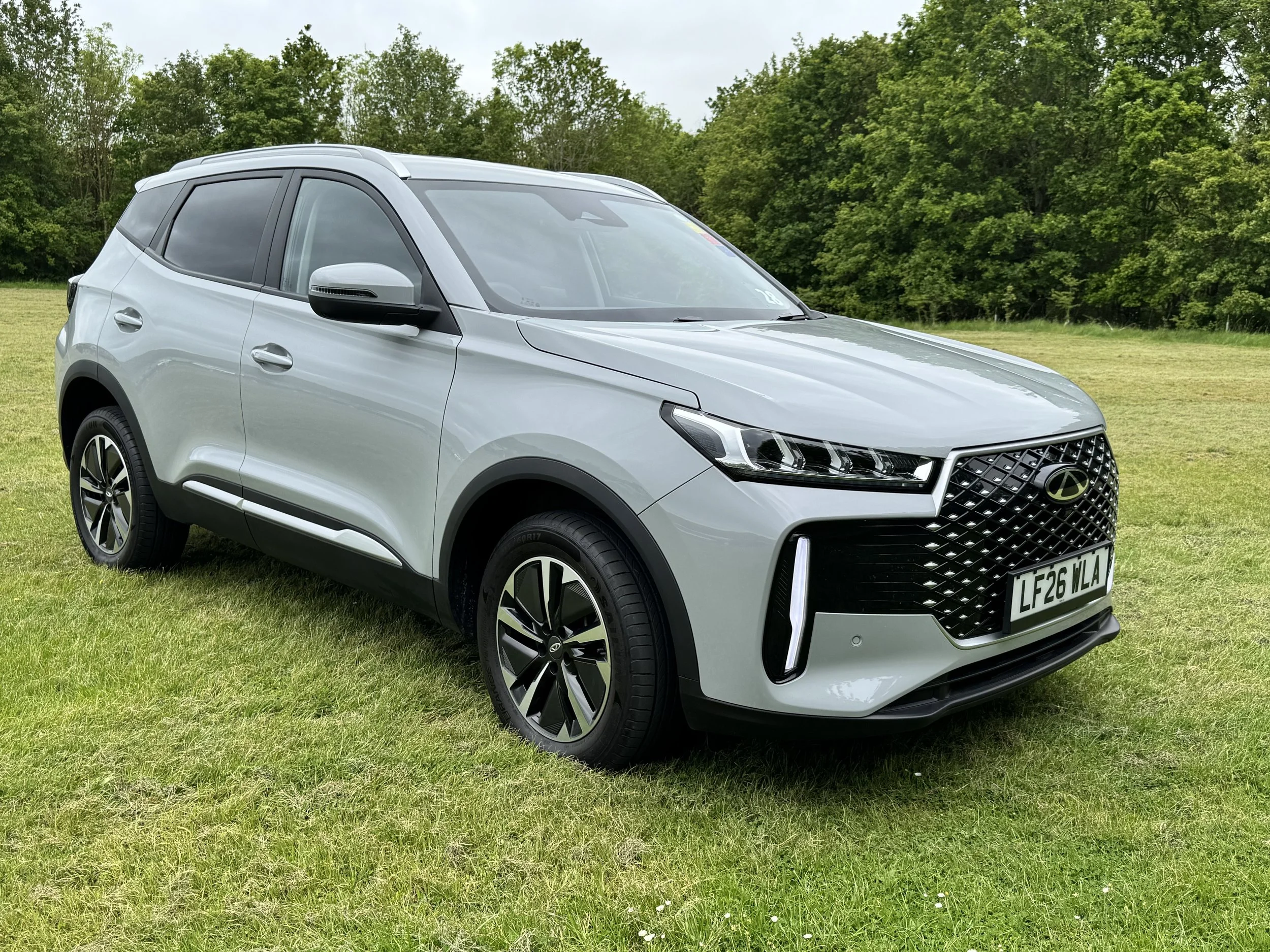
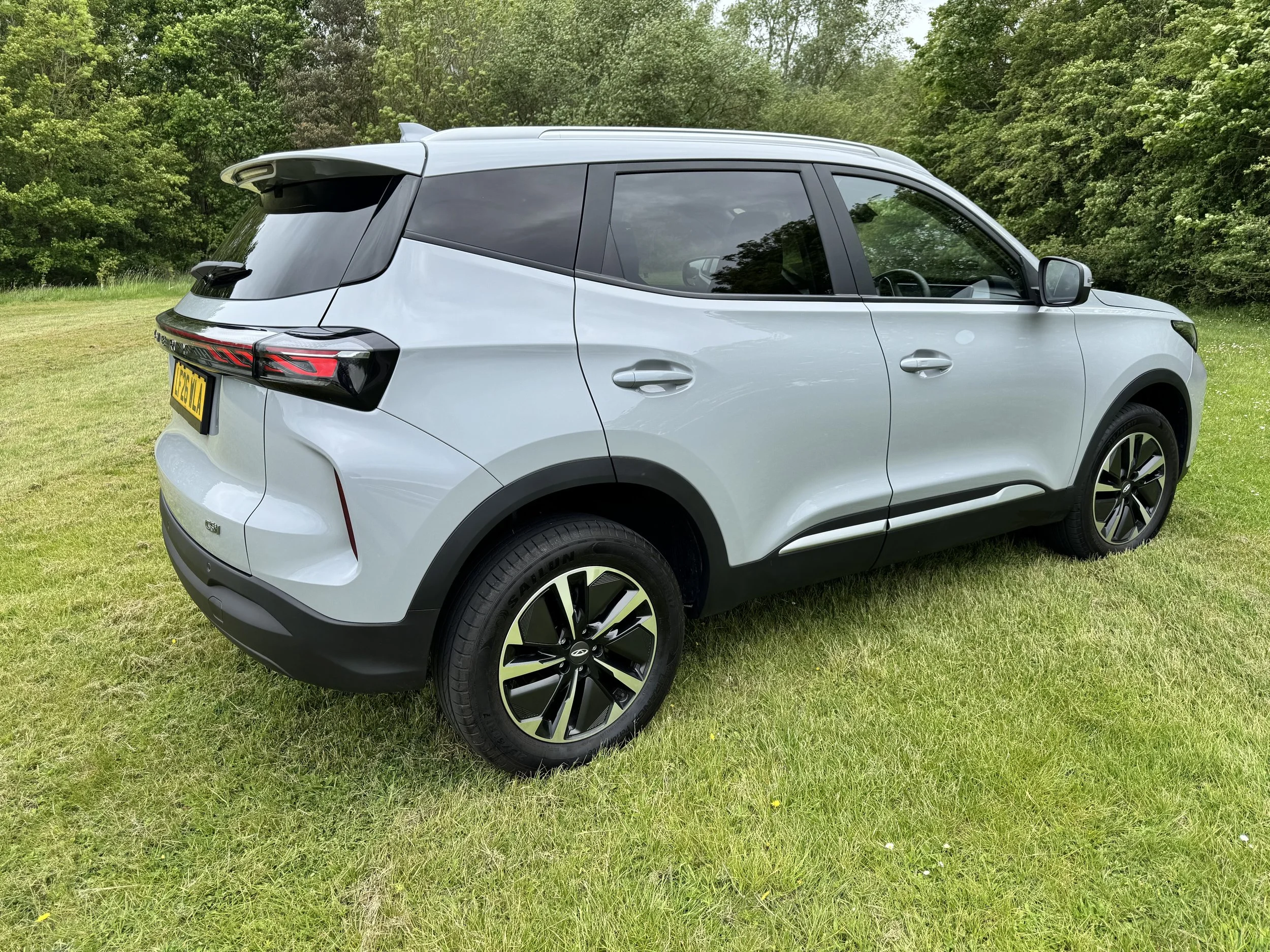
Chery Tiggo 4
From the best track car I had driven to the polar opposite because the Tiggo 4 isn’t designed for high speed thrills. In fact it’s a car that I’m considering for my Mum, but it will serve family’s well, too.
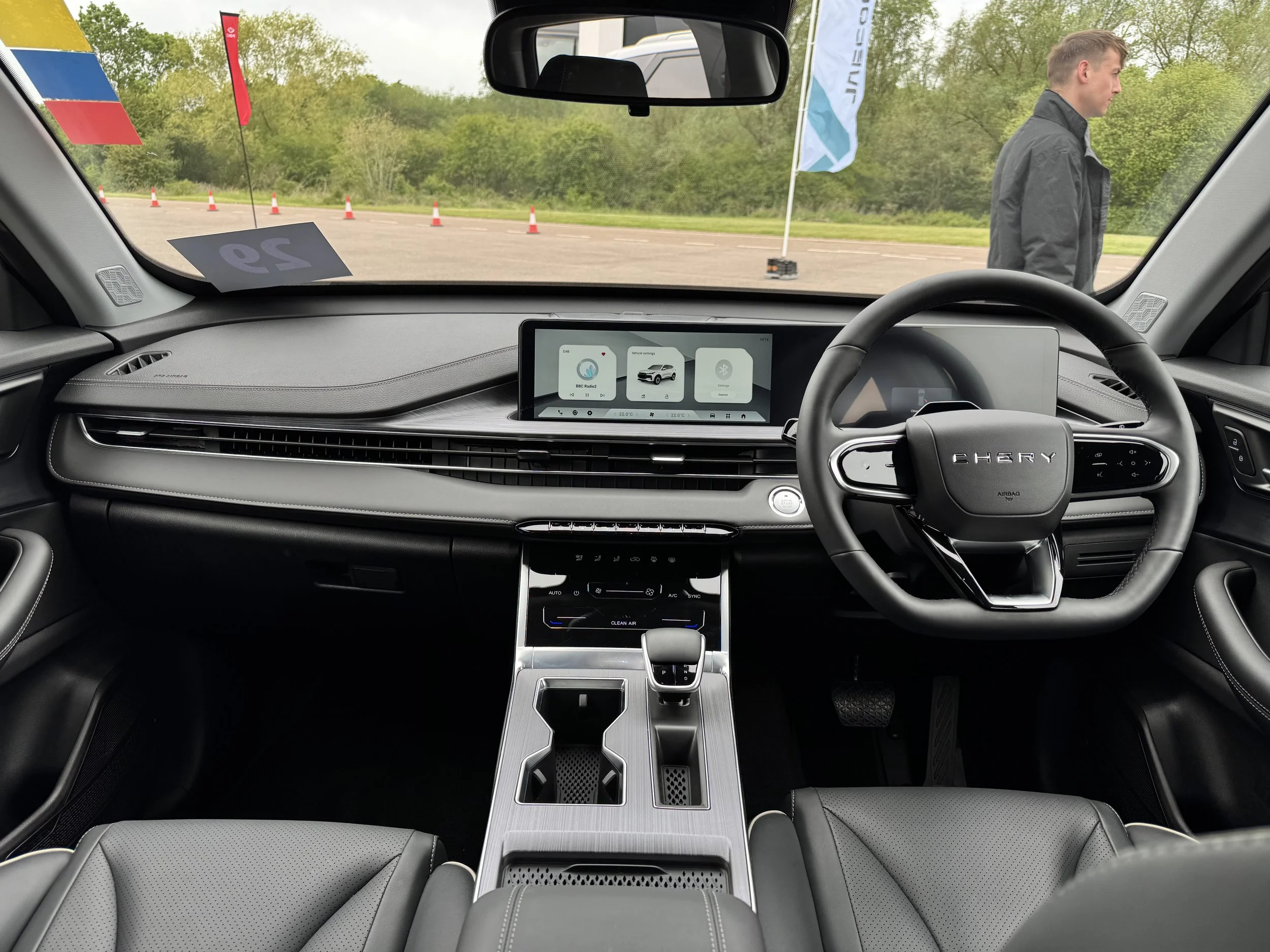
Jim recently reviewed the Tiggo 4 so I was curious to see it first hand, and it was a delight when I climbed aboard. There was a sense of quality, with a good blend of carefully chosen - almost luxurious - materials from the brushed metals in the floating centre console to the stitched leather across the dashboard. It was lot more premium than it’s £19,995 price tag suggested.
Powered by a 1.5 litre, 204 bhp hybrid engine with 310 Nm of torque, it isn’t wanting for power, but that power is delivered so differently to an EV. And the engine sometimes misunderstood the test track and what I was trying to achieve. That’s no fault of the car because this has been set to drive its occupants about gracefully and efficiently, and not be tortured on a test track.
But, being fairly short, with an upright and tall stance, it leaned into the corners a little, although it was never unnerving. However, it didn’t take too kindly to the rumble strips as it became unsettled at higher speeds.
This car is focused on family rather than fun, and I was pushing the Tiggo 4 beyond its design brief of delivering great value, great efficiency and great quality.
Space inside was good in the front and back of the car, plus the boot was generous, too, with a low loading lip. There was even some open storage in the floating centre console that large enough for a decent sized bag, too.
Undoubtedly this will make for a great addition to family life thanks to its low price and lower running costs, but I hope Chery will also introduce an EV version of this at some point.
Boot Space: 430 litres
Efficiency: 52.3 mpg (WLTP)
Price: £19,995
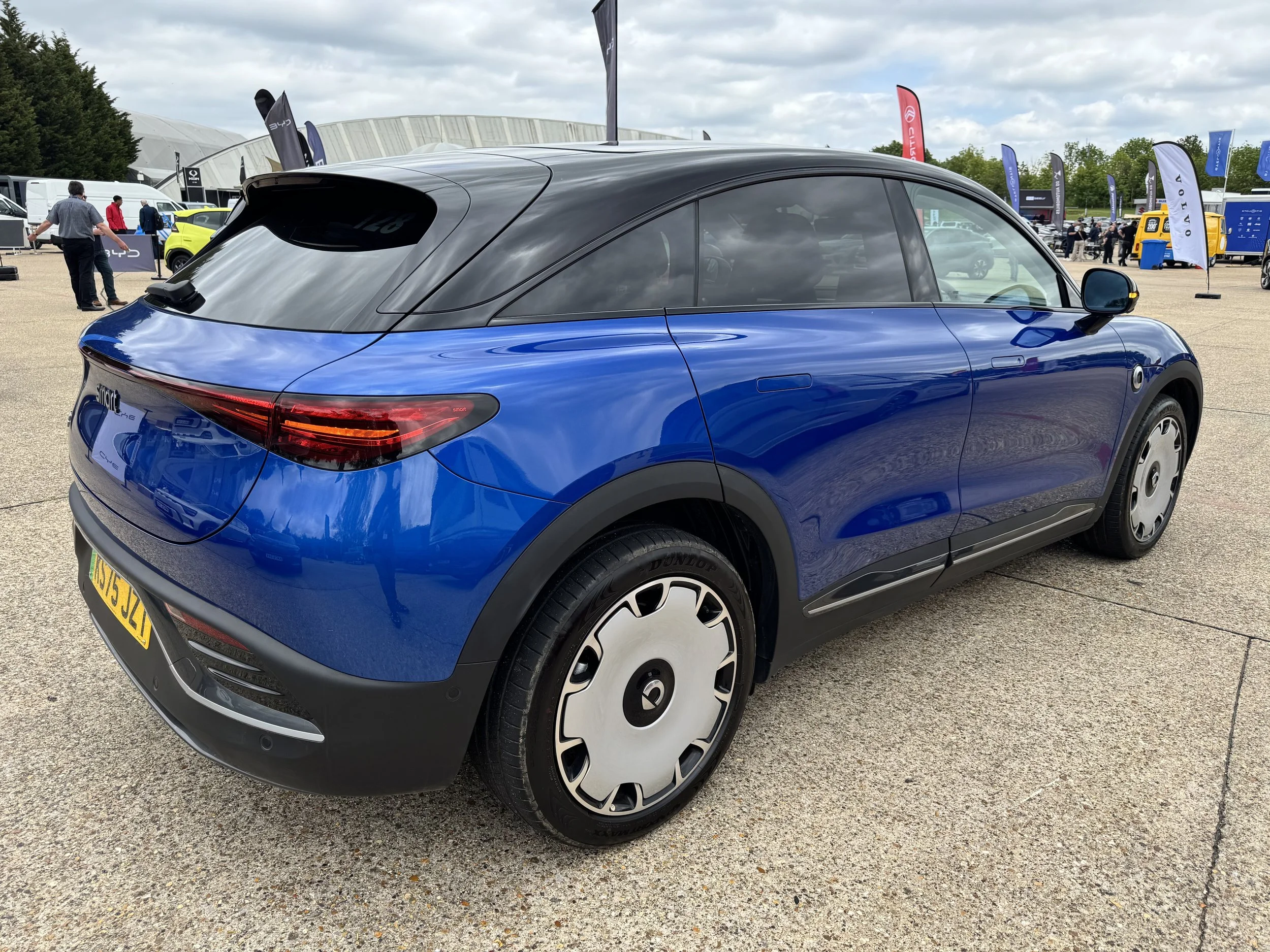
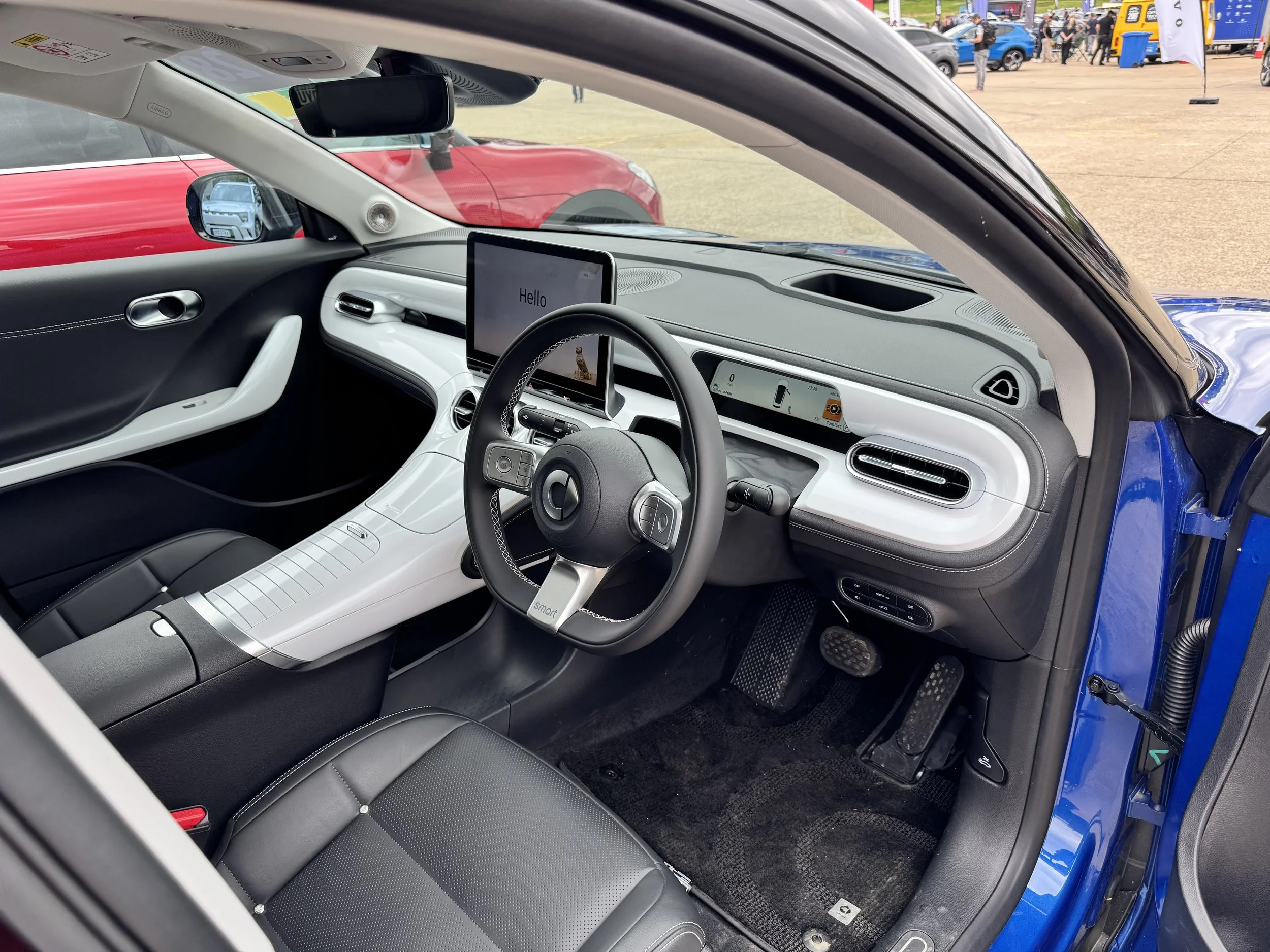
Smart #3
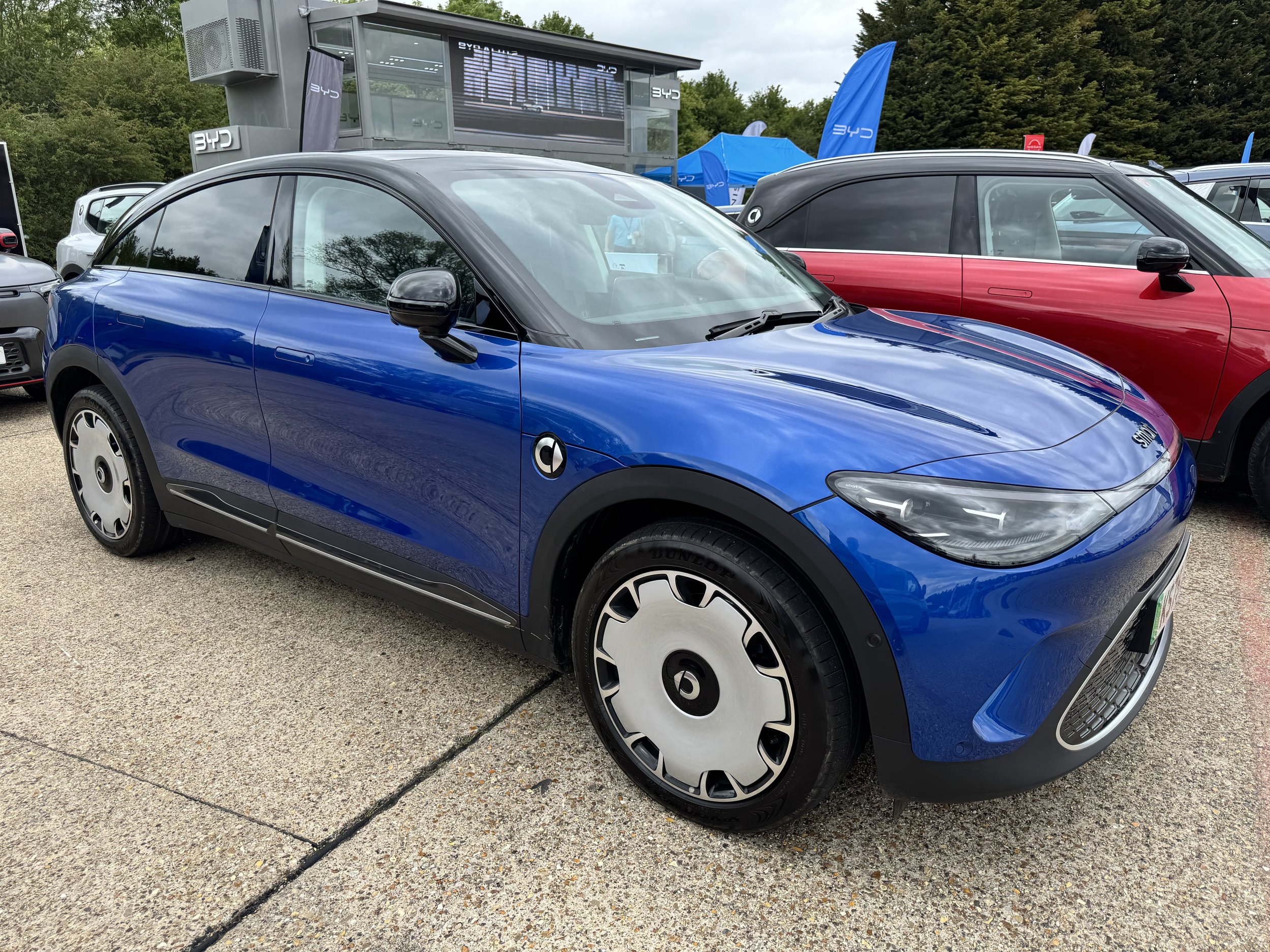
I feel this car doesn’t fetch the attention it deserves, because it’s such a lovely design inside and out, focused more as a family hatchback with it’s low slung roof line.
It took the test circuit on the chin and delivered what was a lovely and engaging drive, rewarding even. There was something fresh about it - like it had a little raw talent hidden beneath the surface - as it handled the corners exceptionally well, remaining flat, and pushing on through the bends, delivering the car ready and alert for the next challenge. It was actually quite a joyous thing to drive, if I’m honest.
The only negative was that it became a little unsettled over the rumble strip section, although it never felt like it wasn’t in control. Other than that, it was one of the surprises of the day because I wasn’t expecting it.
I was less keen on the gloss white centre console and dashboard elements, but that’s just my impression as others may find it refreshing.
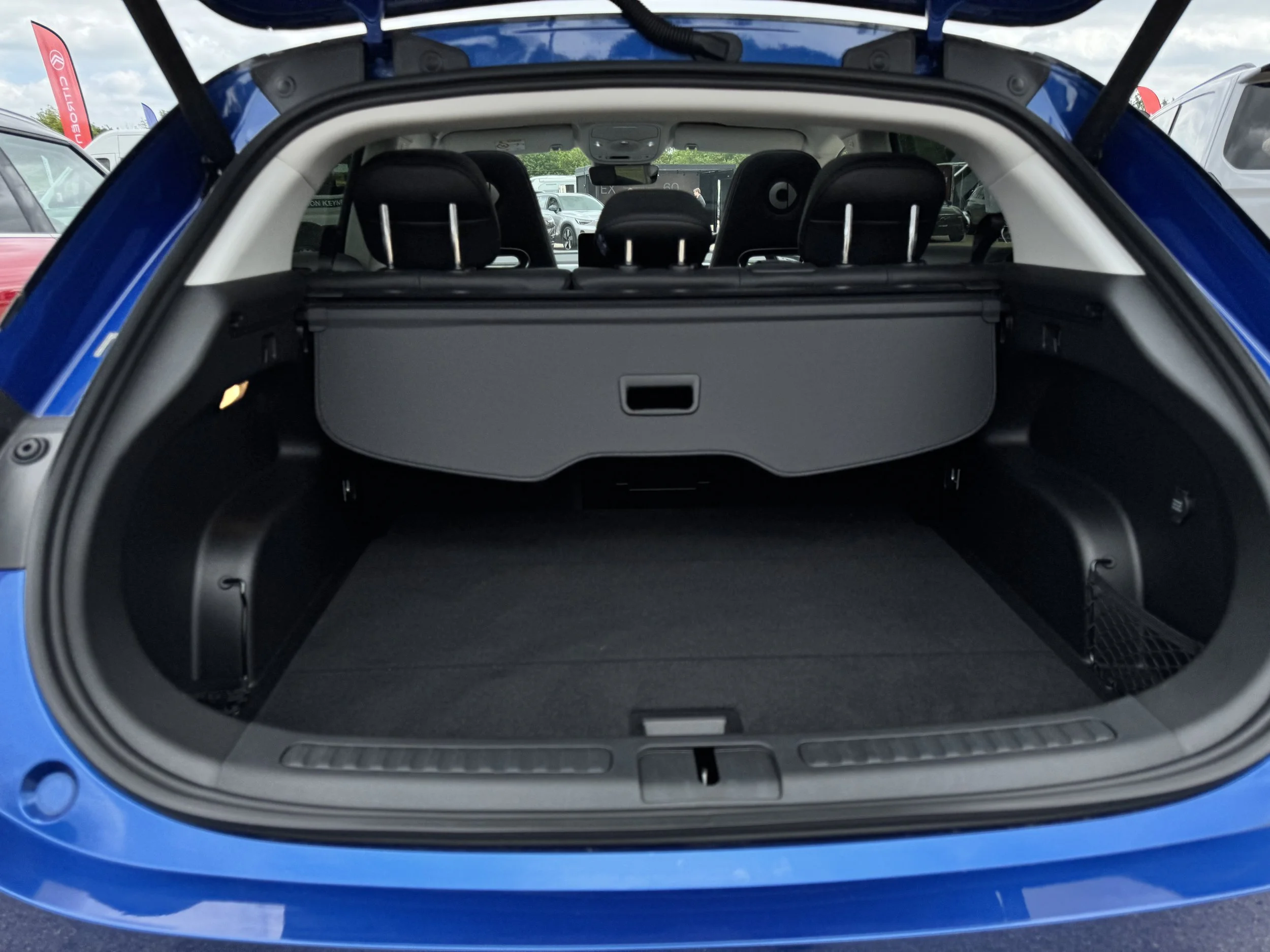
The boot was an okay size, but there was plenty of under-boot floor storage. Rear legroom was plentiful for me sitting behind my driving position, and I’m around 5’ 9” in height.
Boot space: 370 litres
Range: Up to 283 miles (WLTP)
Price: From £33,960
Smart #5
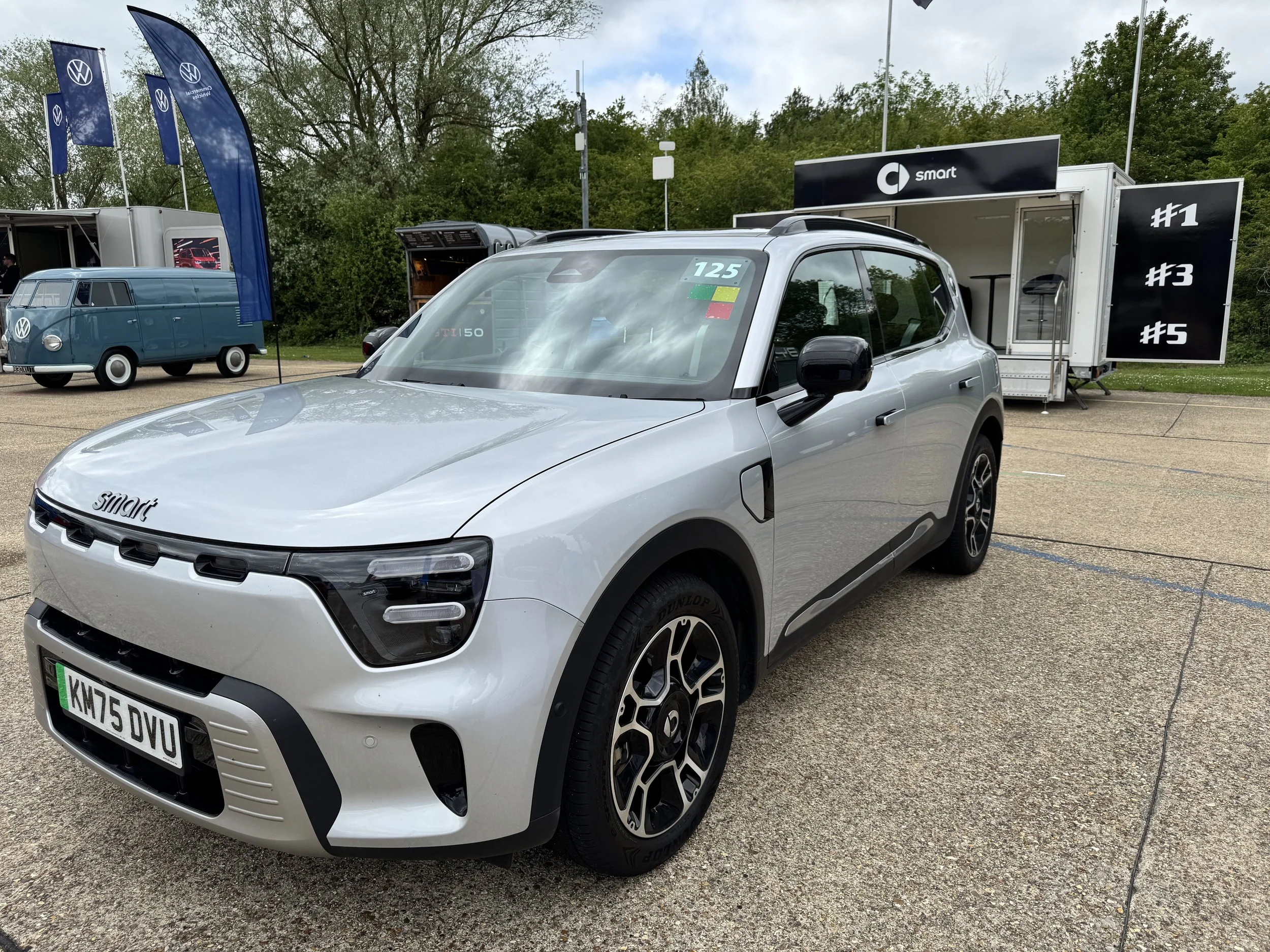
This was a completely different proposition to the #3, being a full-sized SUV. It had an absolute abundance of space inside, whether it was in the front, back or the boot, the latter of which was huge.
It was beautifully appointed with a dashboard display that resembled a large TicTac, but material choice was excellent and well executed. It felt far more luxurious than its price suggests, too.
Sharing the same platform and similar shape to the Mercedes GLB, I actually prefer the looks of the Smart #5. It maybe a boxy SUV, but it’s unmistakingly an electric car with some thought gone into its design to elevate it above a crowded market.
Out on the test route, it had a completely different feel to it over its smaller sibling. Whereas the #3 wanted to be driven with enthusiasm, the #5 took a different approach. It handled the circuit exceptionally well remaining flat through the twisties, conducting itself confidently on the road. It just felt firmly planted and not even the rumble strips could dent that confidence. You can literally chuck the worst at the #5 and it will carry on regardless without making a fuss.
Boot Space: 630 litres
Range: Up to 366 miles (WLTP)
Price: From £39,800

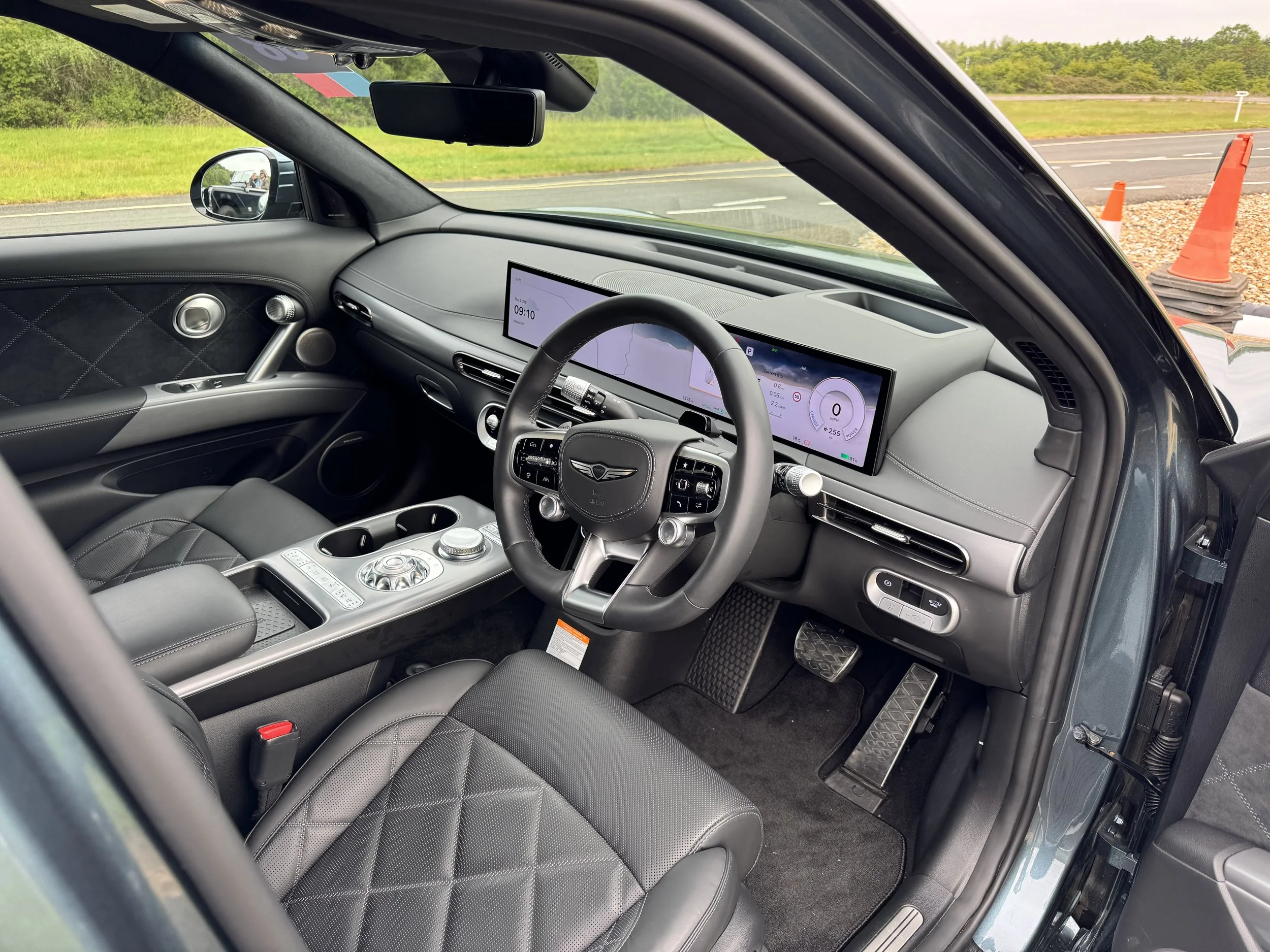
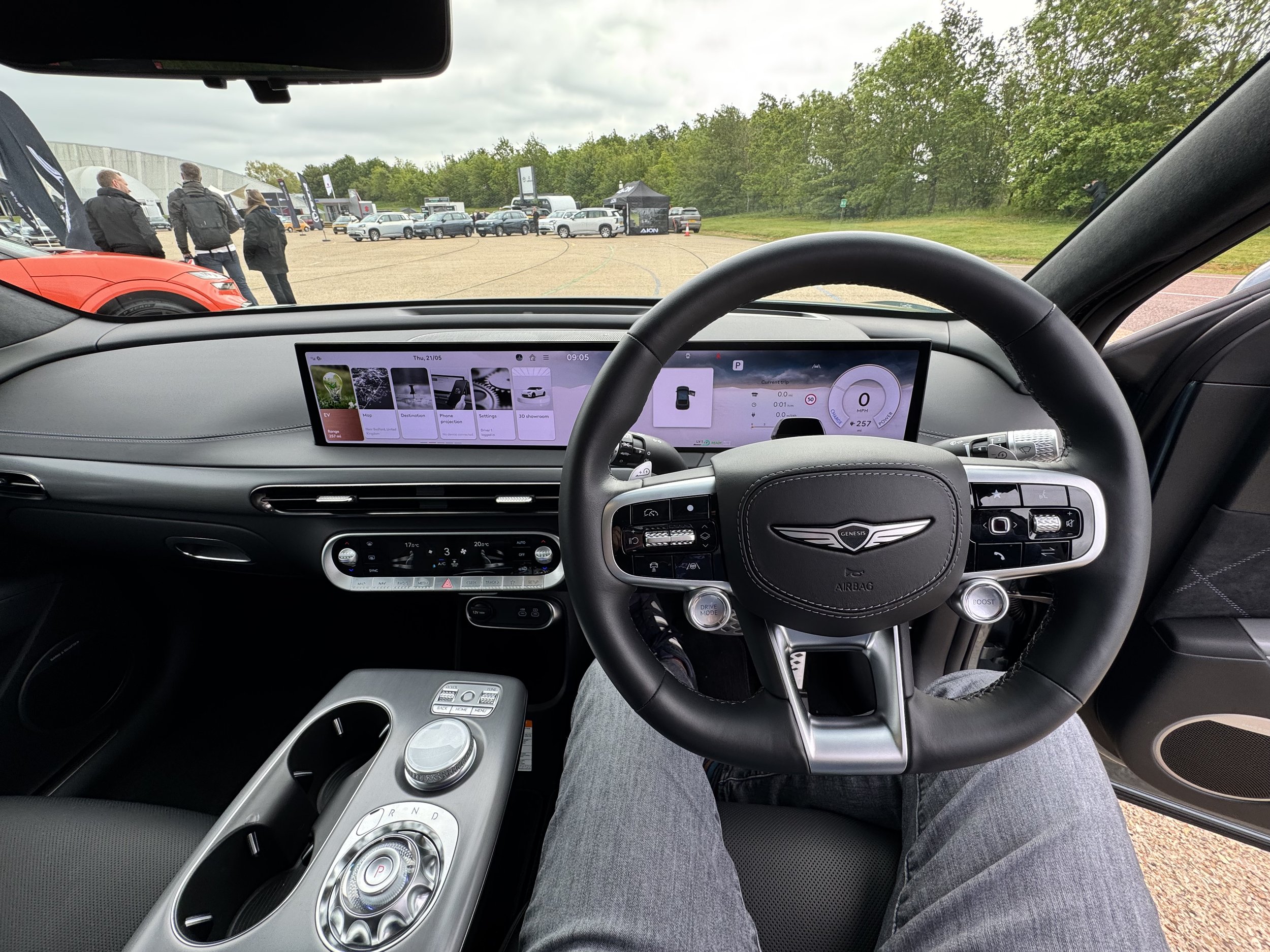
Genesis GV60
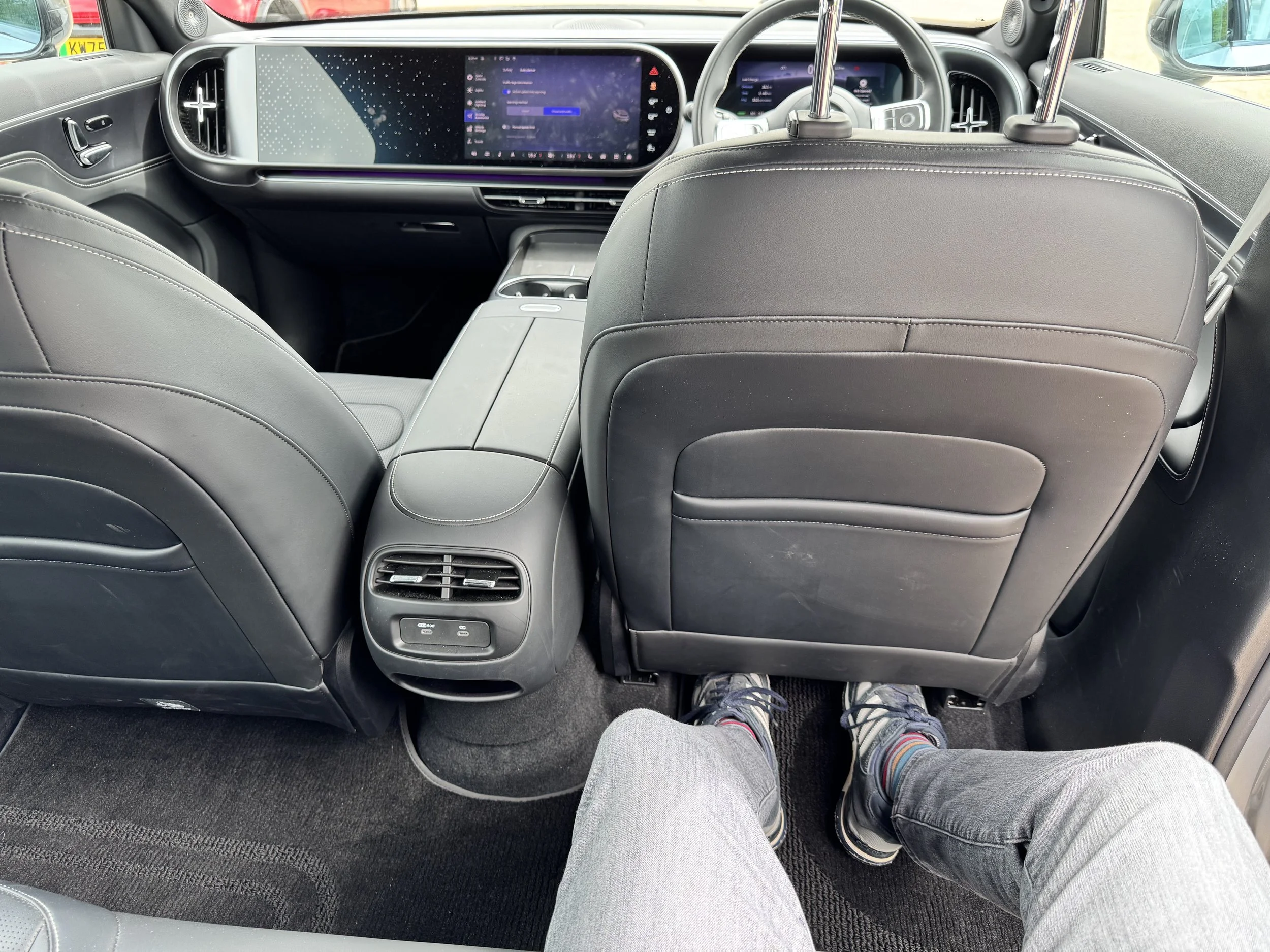
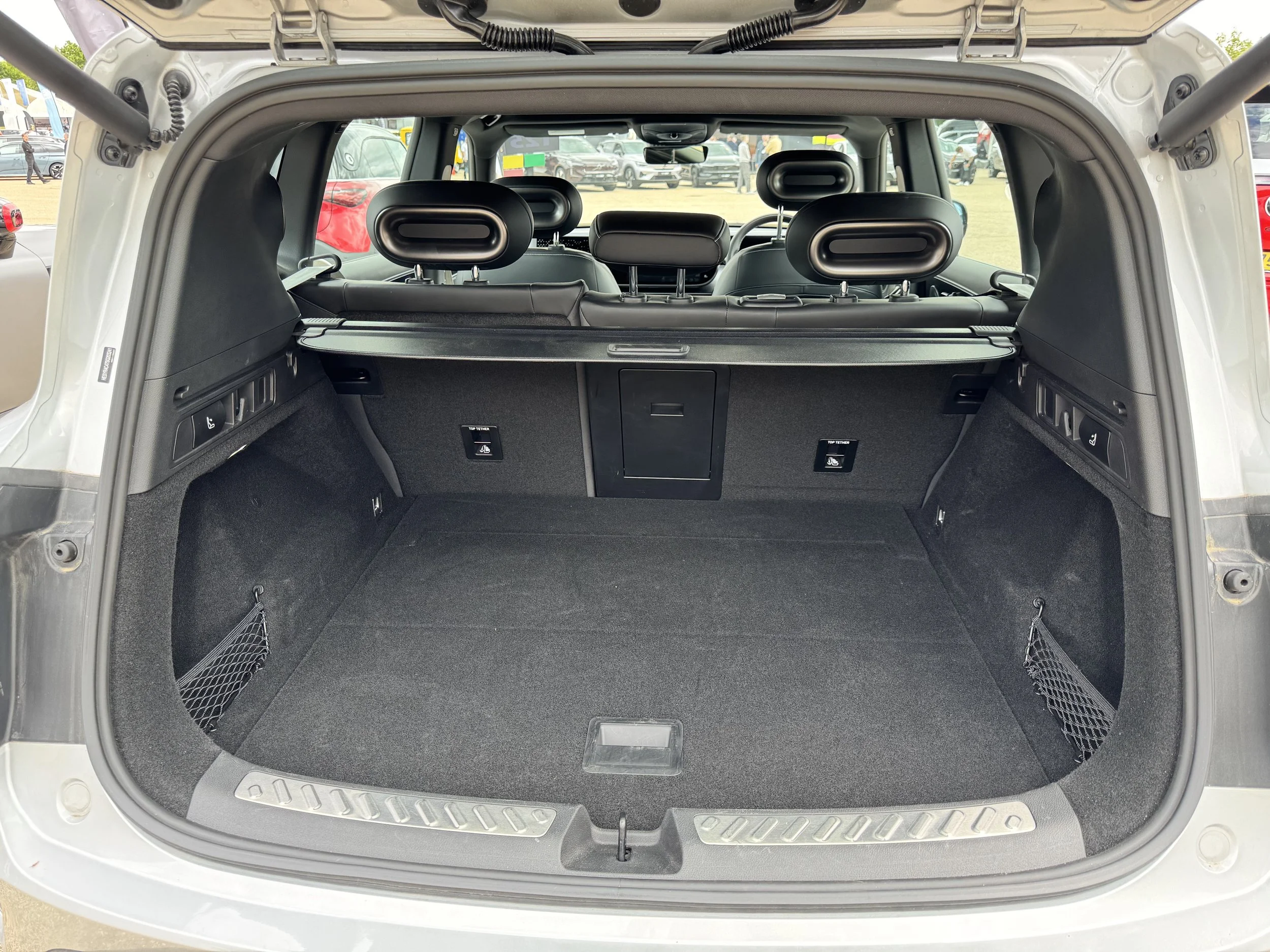
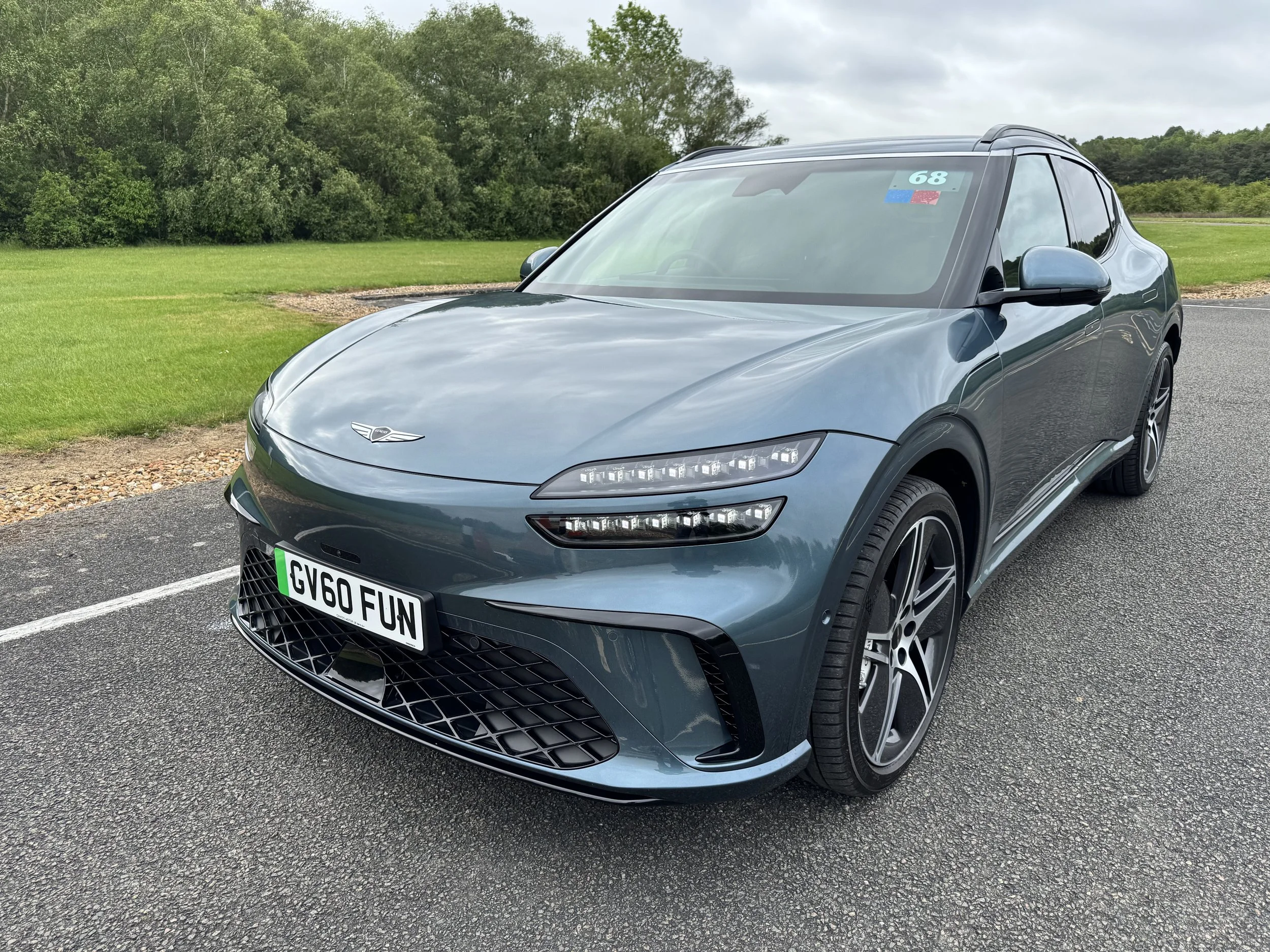
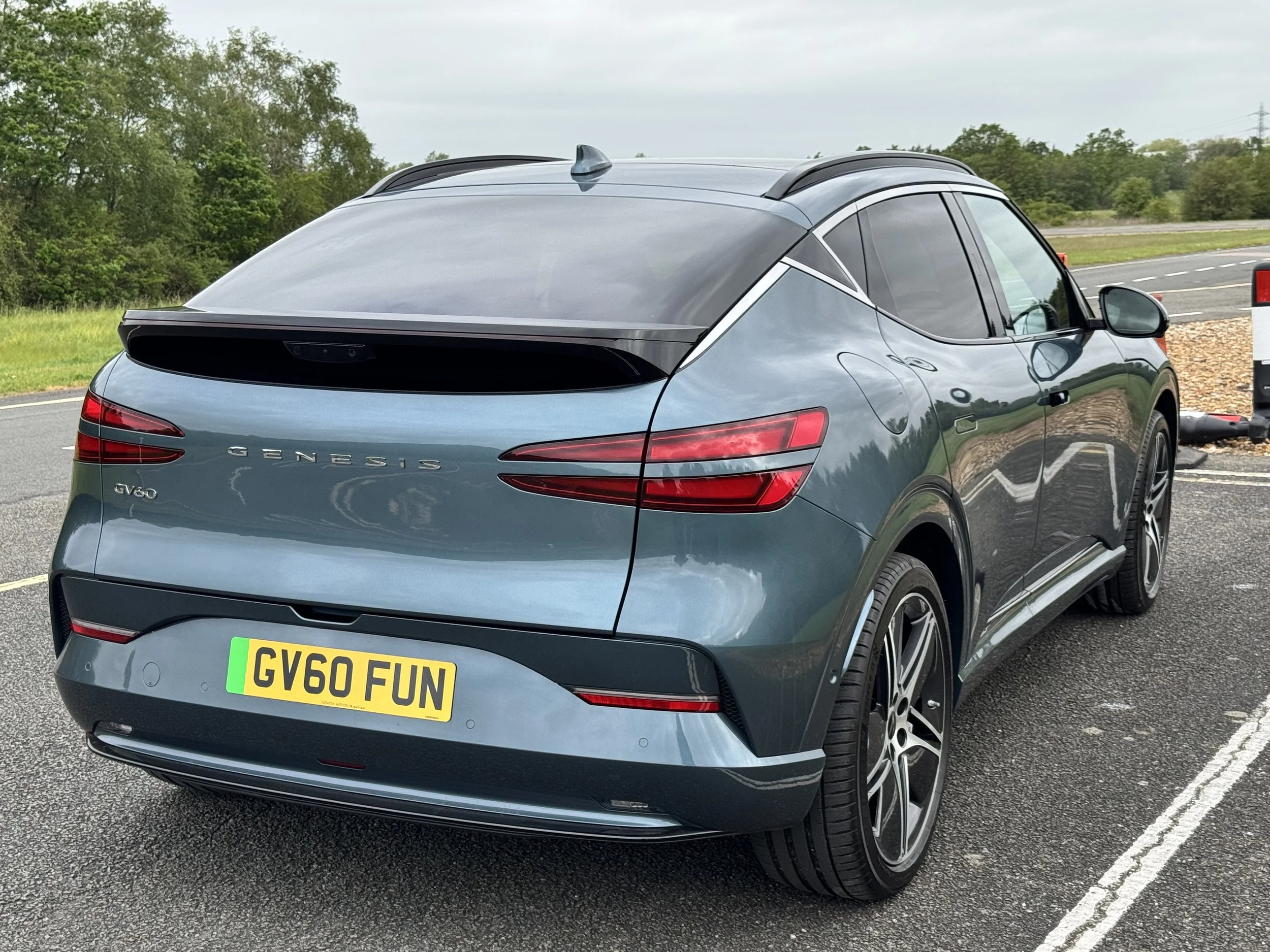
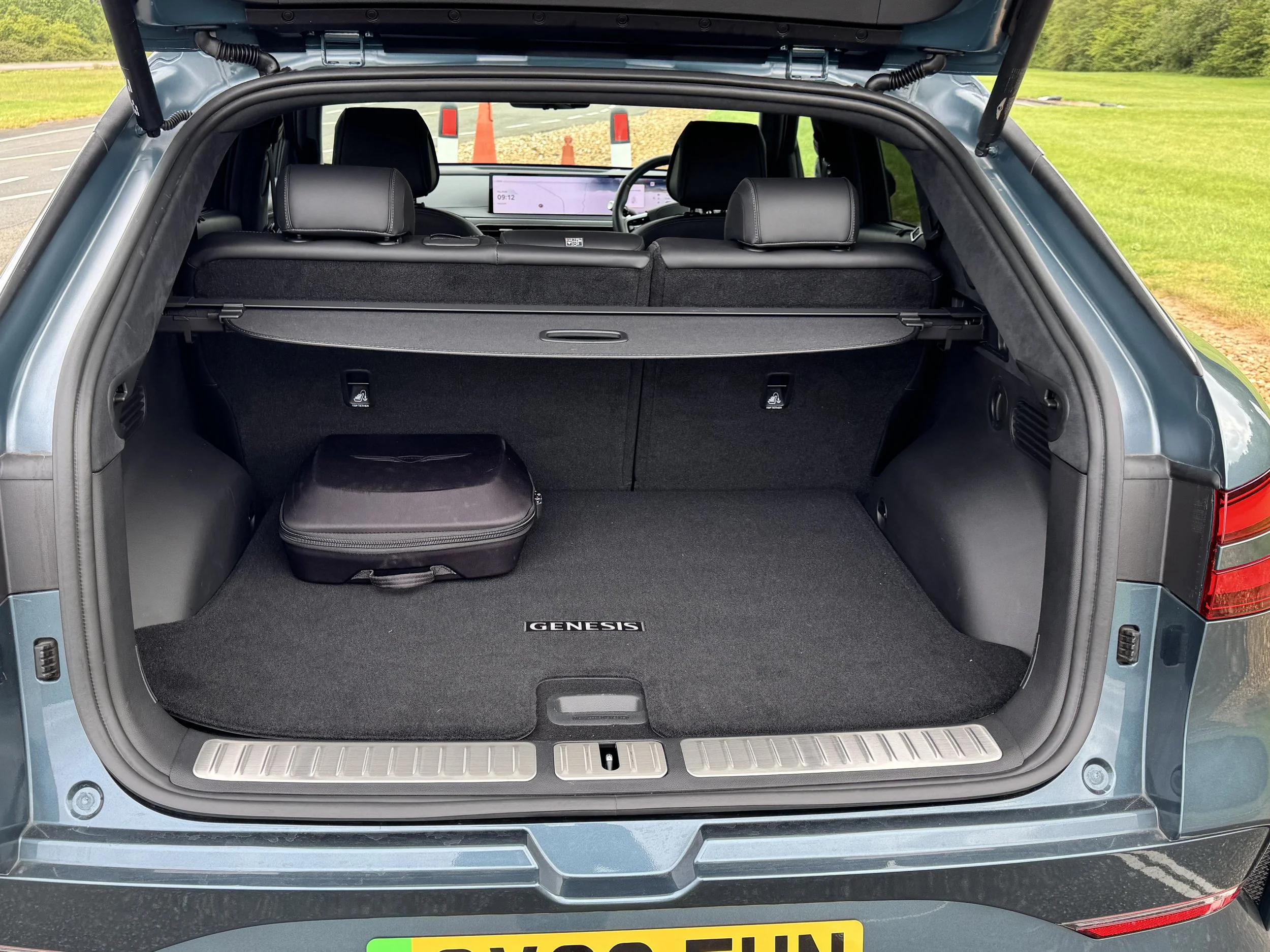
The Genesis GV60 is Hyundai and Kia’s premium brand. It was spacious inside in the front, and rear, but the boot wasn’t class leading.
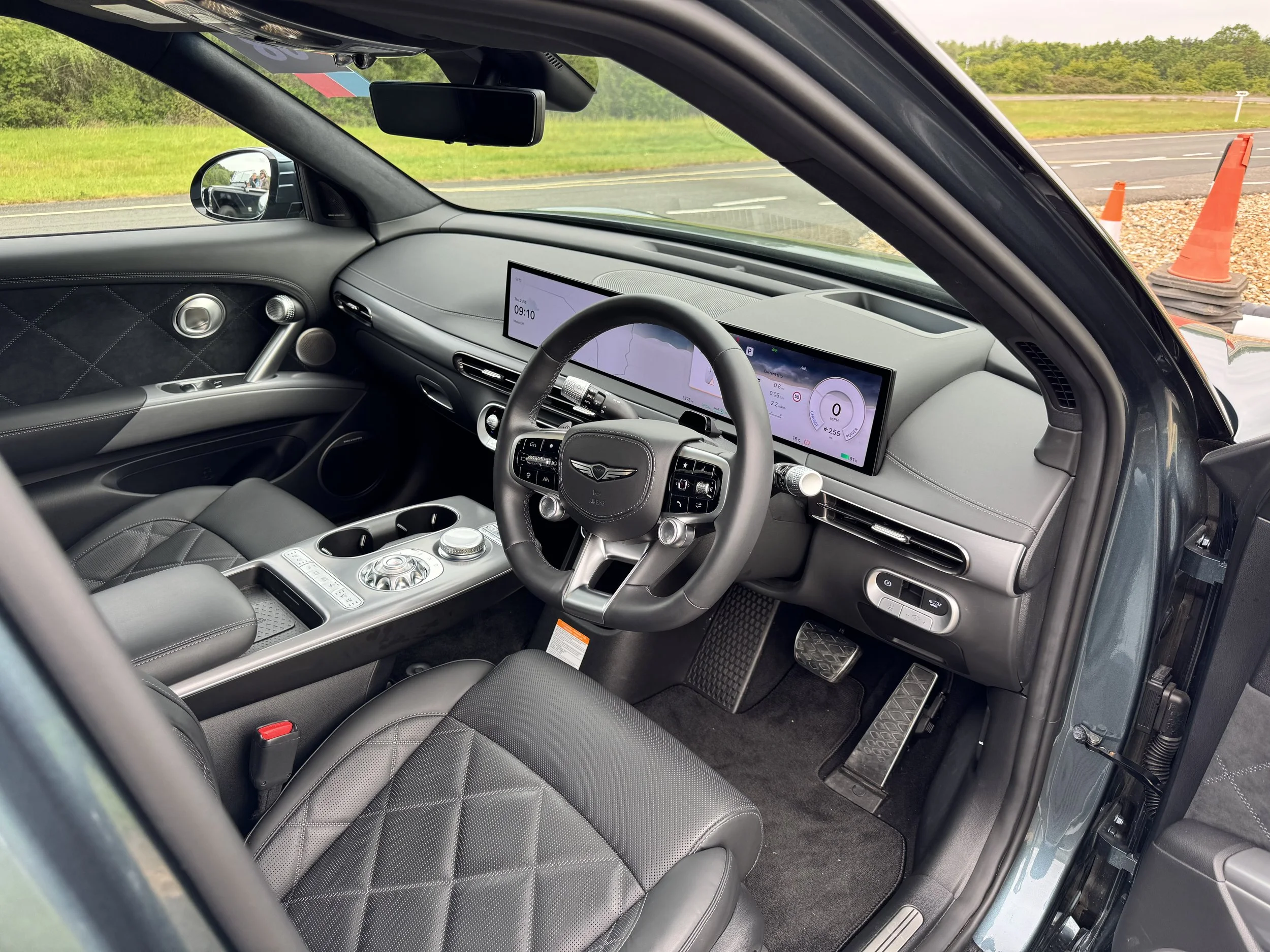
The interior had a noticeable step-up in perceived quality with nice dramatic touches like the crystal ball in the centre console that swivels to reveal a gear selector when the car is turned on. It’s unnecessary, but adds to the theatrics of premiumness.
The dashboard was nicely presented, and the materials chosen were good quality with a nice diamond stitched pattern on the seats.
Out on the test track there was no drama, it was never unsettled, and it felt like a solid, dependable car. It turned in well, had little body lean and it made for a very decent drive. I wouldn’t say it was entertaining, but it was reassuringly pleasant .
For customers that don’t want a traditional German premium brand, the Genesis GV60 offers a premium EV that’s just a little different. In a world where being premium is becoming shouty to stand apart from its competition, Genesis does so gracefully, and with elegance.
Boot space: 432 litres
Range: Up to 348 miles (WLTP)
Price: From £54,115
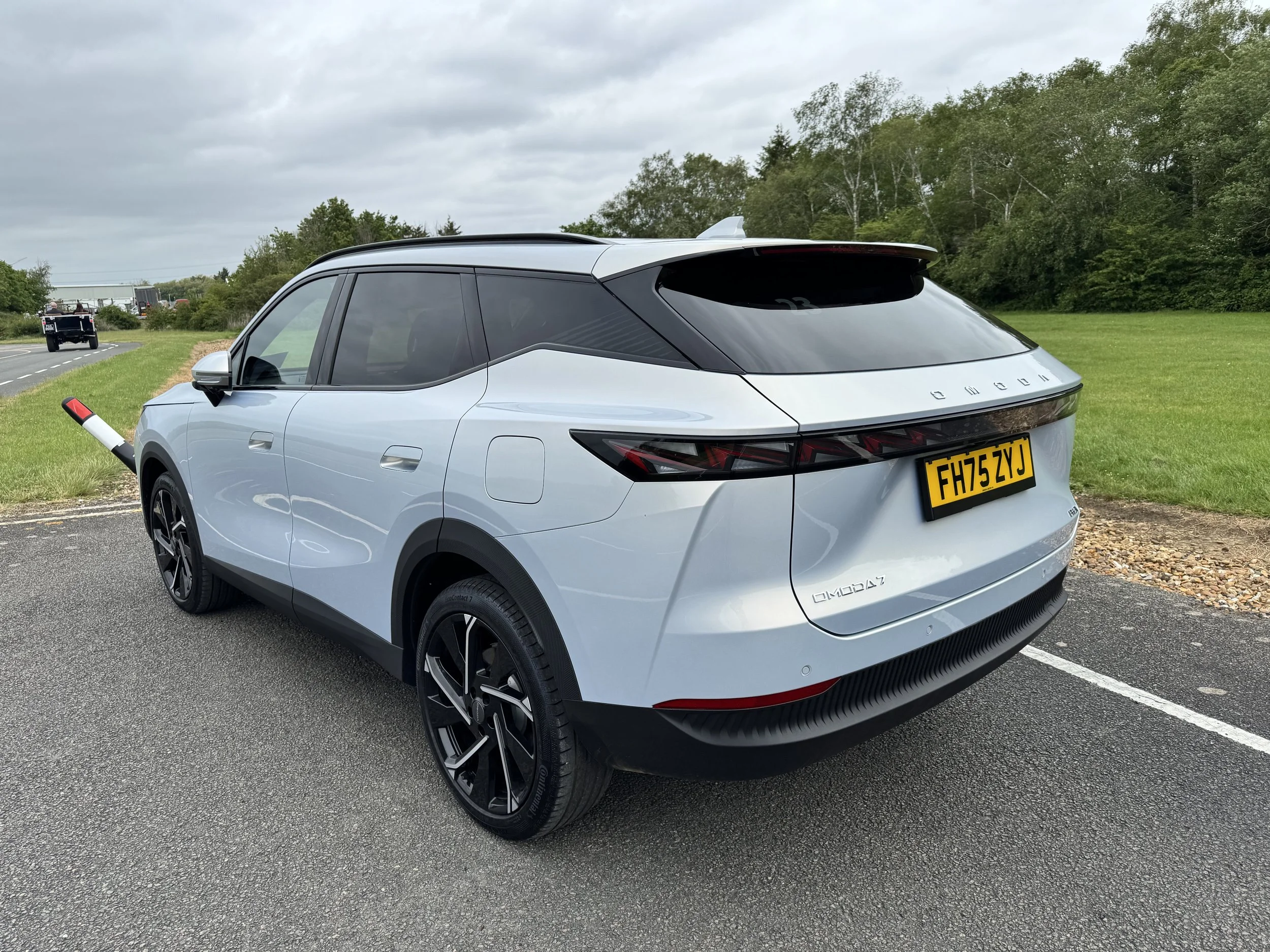
Omoda OMODA 7
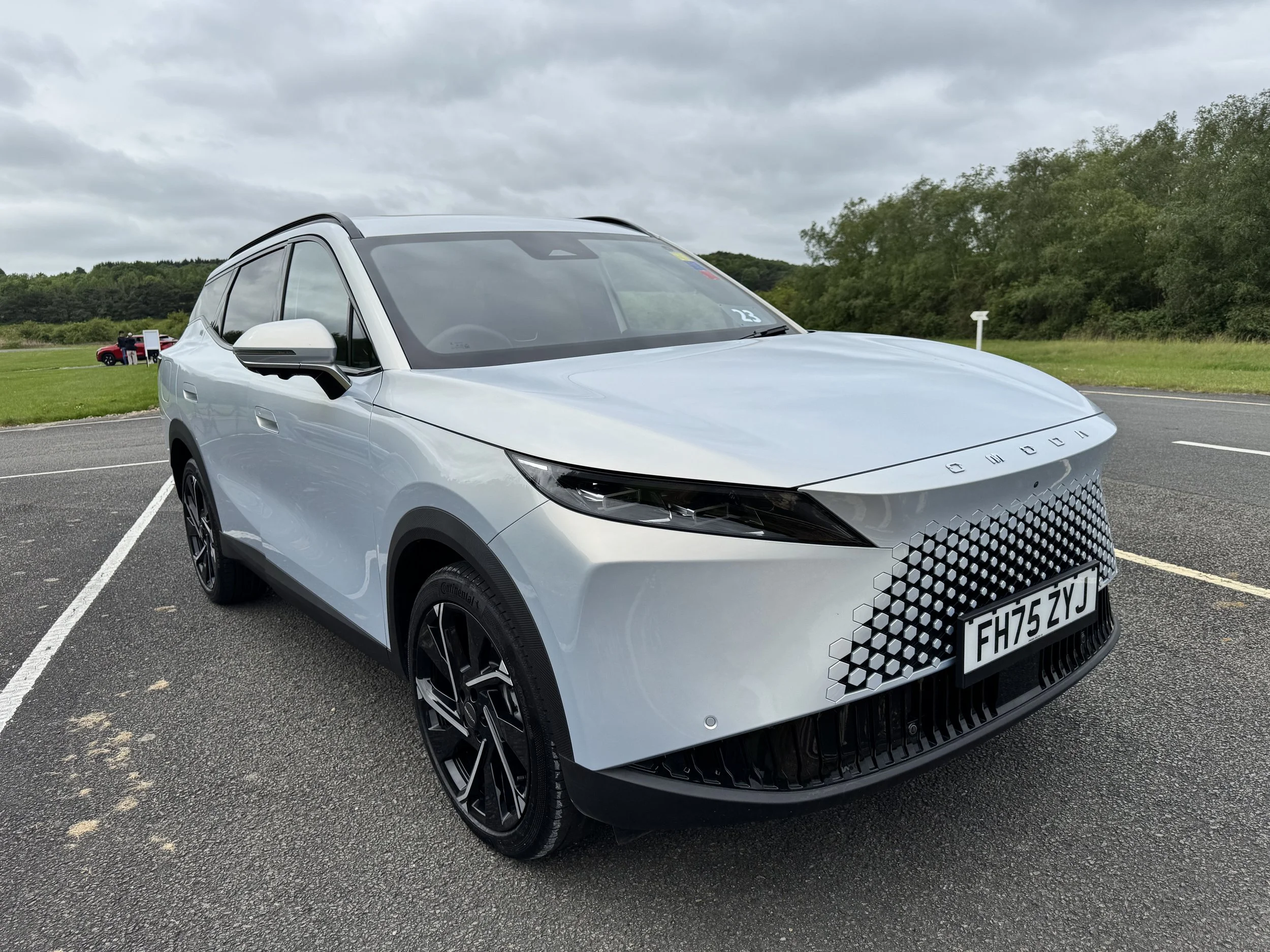
There were a number of Omoda’s to pick at the event, so I opted for the middle one. It was a plug-in hybrid that had plenty of charge remaining, which given that it was the afternoon, it speaks volumes about the efficiency from its 18.4 kWh battery.
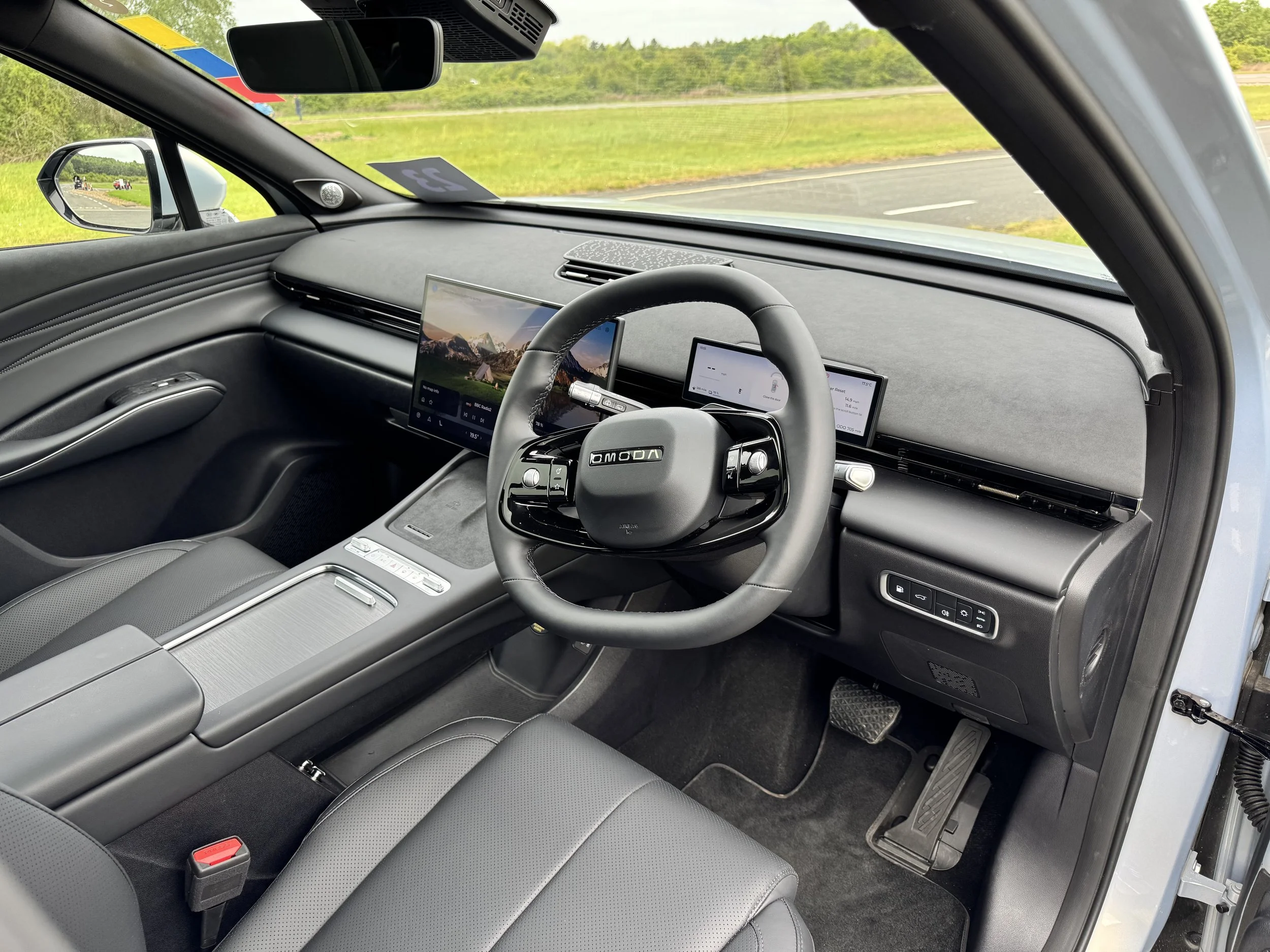
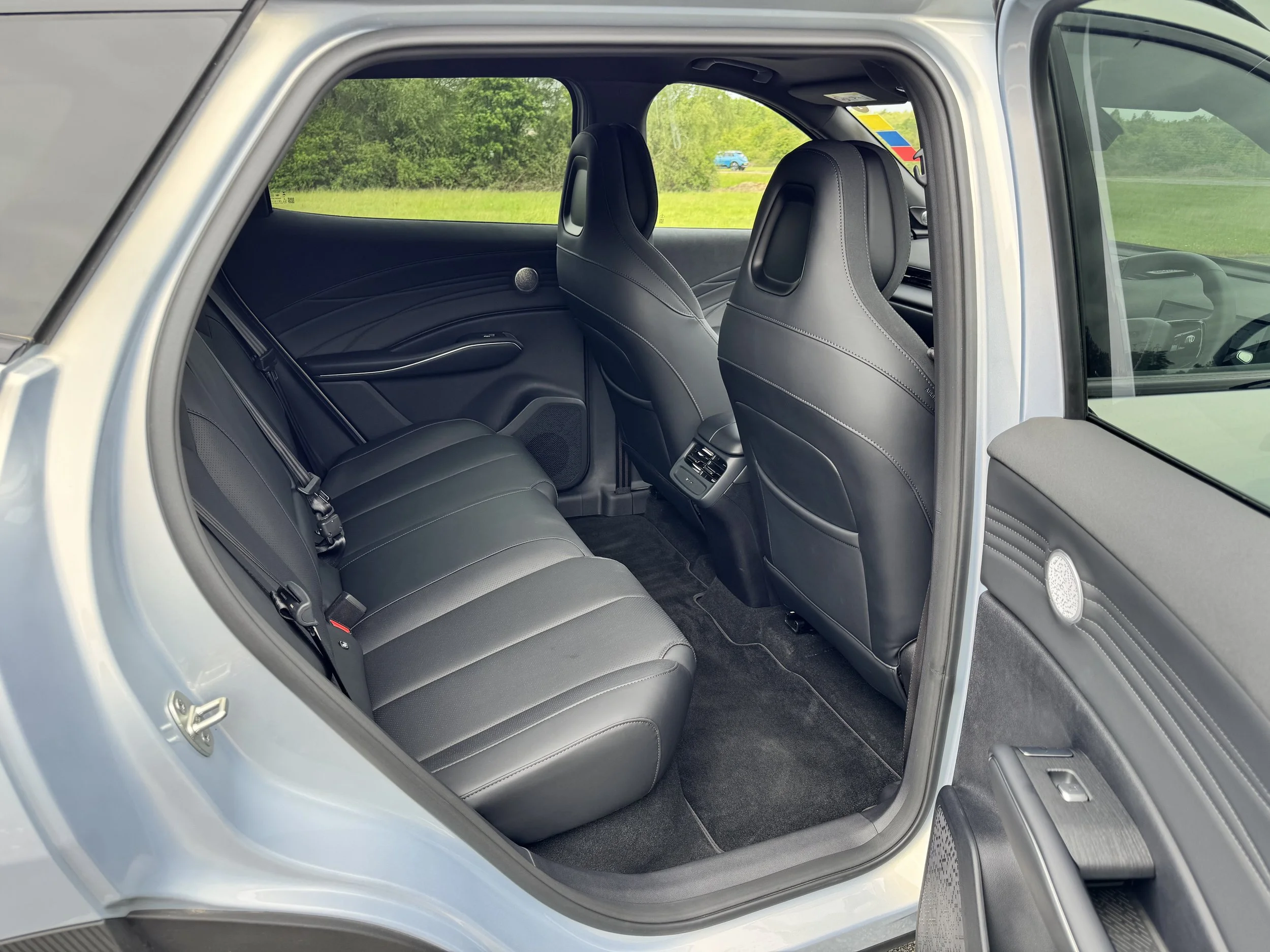
The OMODA had an abundance of space everywhere, with what I can only describe as enormous legroom in the back, a huge boot and somewhere for a bag in the centre console. It seemed nicely appointed, too, with a good blend of textures and materials to elevate it into a near premium finish.
This will undoubtedly be a family winner, in particular because the battery is good for 50+ miles of range in EV only use, and that will translate to very favourable combined MPG figures.
It didn’t divert to petrol power on the test track - or at least I didn’t notice - which speaks volumes about its refinement qualities as it was a hushed place to be.
I tried pushing it around the course, but despite it being punchy and unphased by the track - including the rough bits - it did lean a little in the bends, and I felt it being caught by a strong crosswind. It didn’t unsettle the car, I just felt a little turbulence.
It will undoubtedly serve a family exceptionally well, in exceptional comfort and refinement, which is exactly what it’s designed for.
Boot space: 590 litres
EV only Range: 56 miles
Combined Driving Range: 700 miles
Price: From £32,000
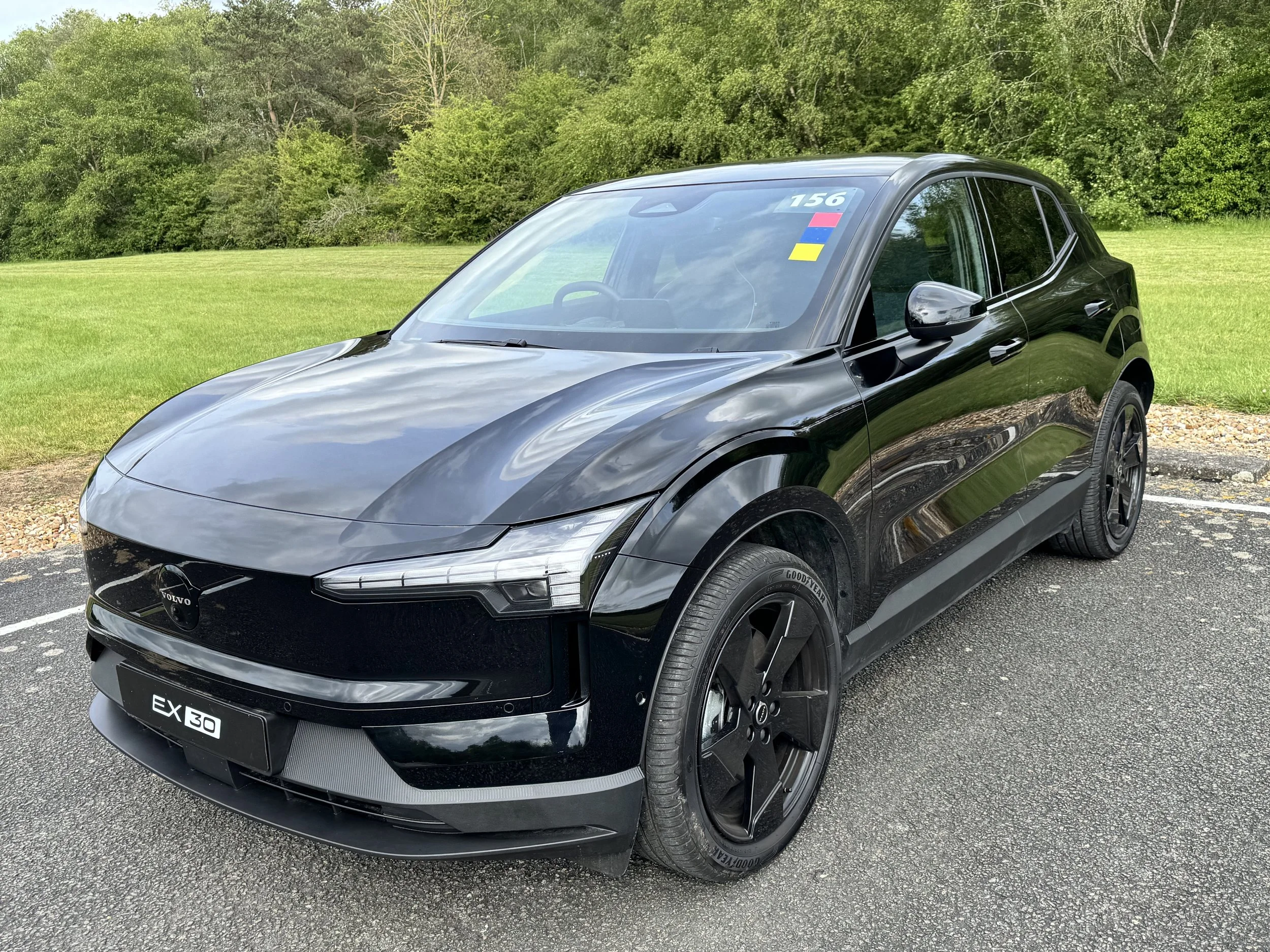
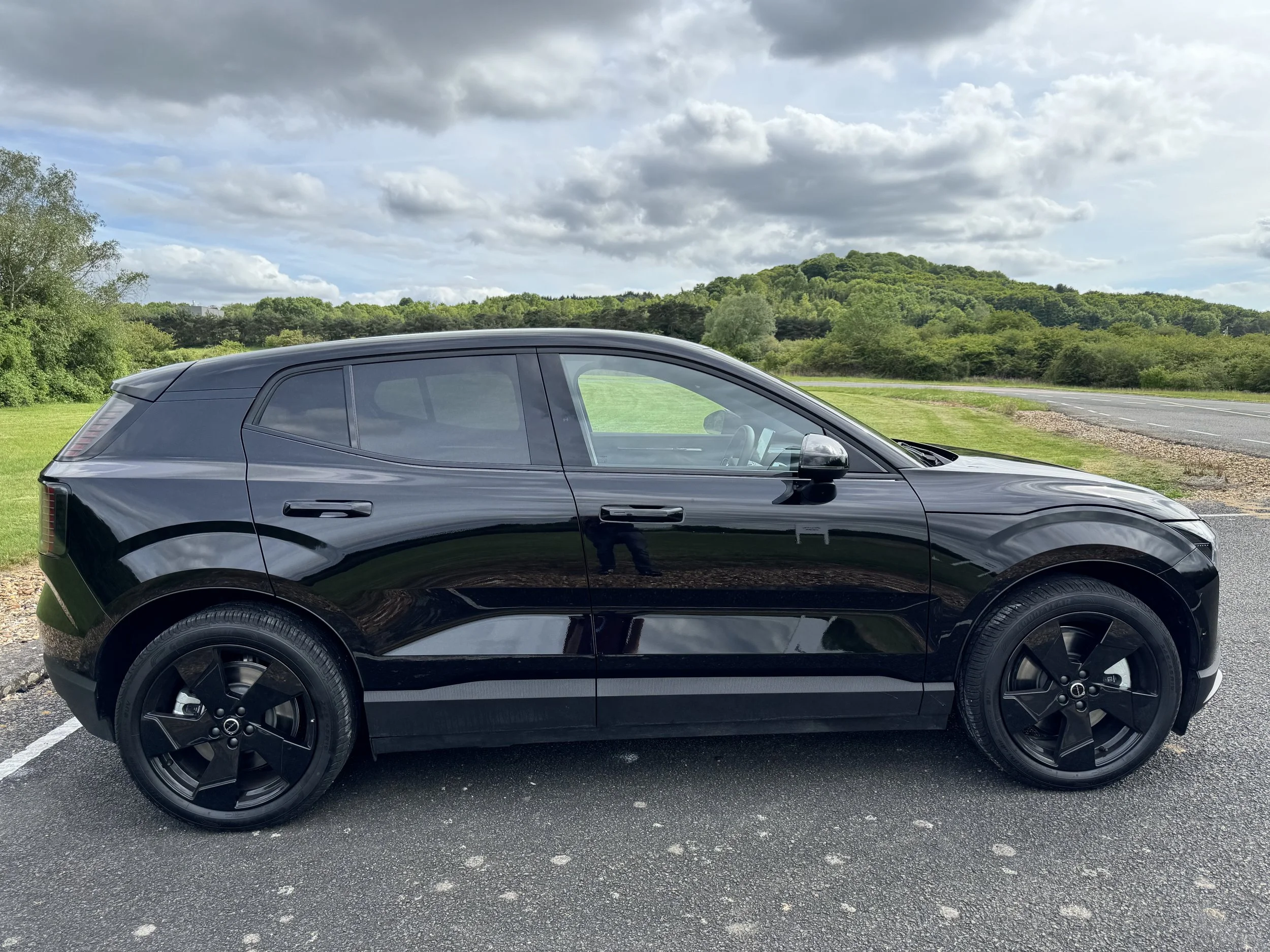
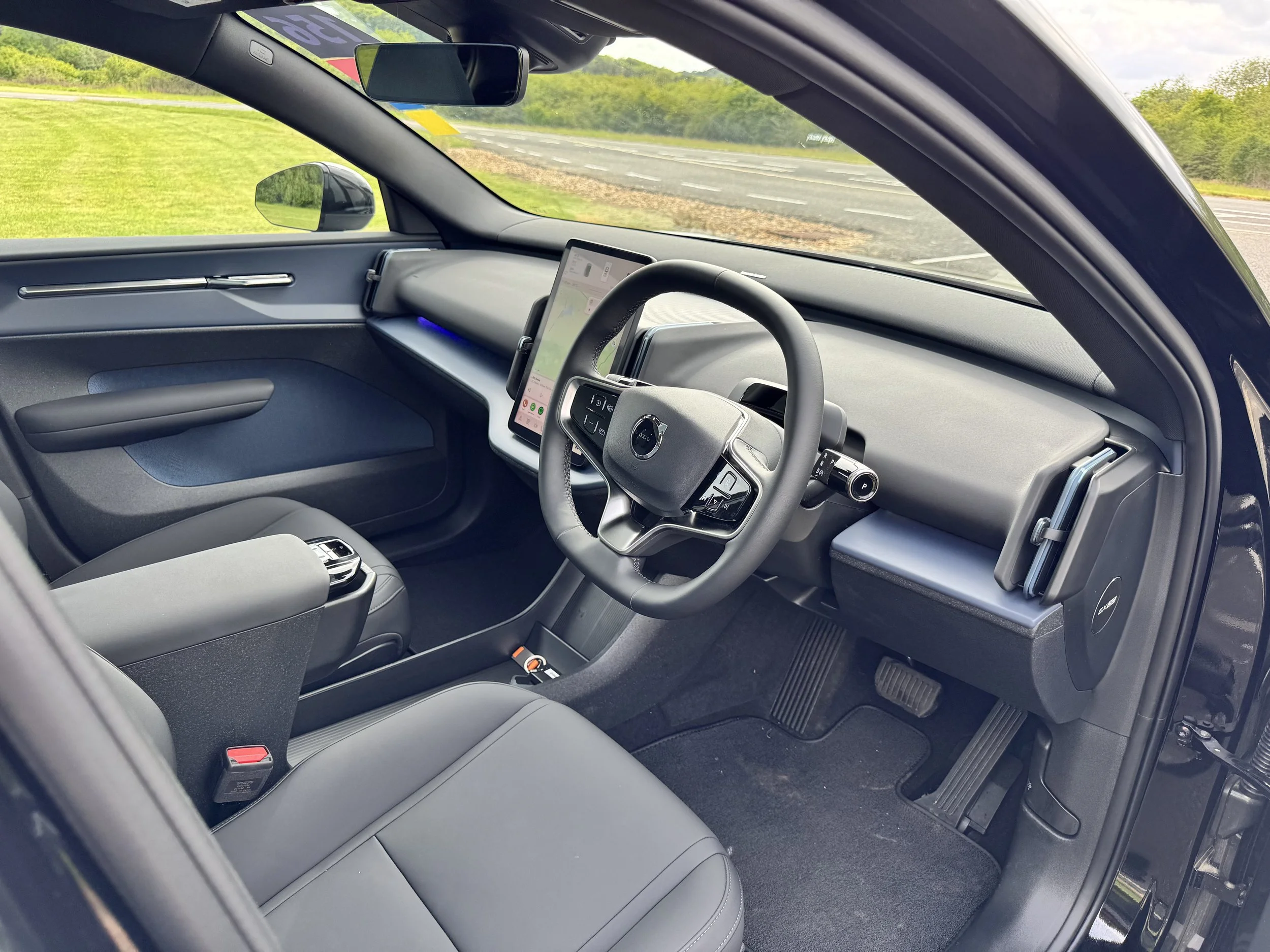
Volvo EX30 Twin Motor Black Edition
This is Volvo’s smallest cars, in its fastest format, with the top-spec Black Edition trim and the EX30 had a very familiar feel to it for any Tesla owner, thanks to the minimalist interior and centrally mounted and only screen.
Out on the course I was underwhelmed slightly. It’s a nice enough car to drive, but I didn’t feel it was very engaging. That’s not necessarily a negative point as most who opt for a Volvo will be grateful for its dependability. It remained a planted car, taking corners and bends well, and the rumble section didn’t bother it at all.
However, there was one slight quirk that I noticed. Despite one-pedal driving - which I prefer and use to slow into bends - there was a strange lift-off sensation at speed, which I can only describe as feeling similar to ABS when its activated.
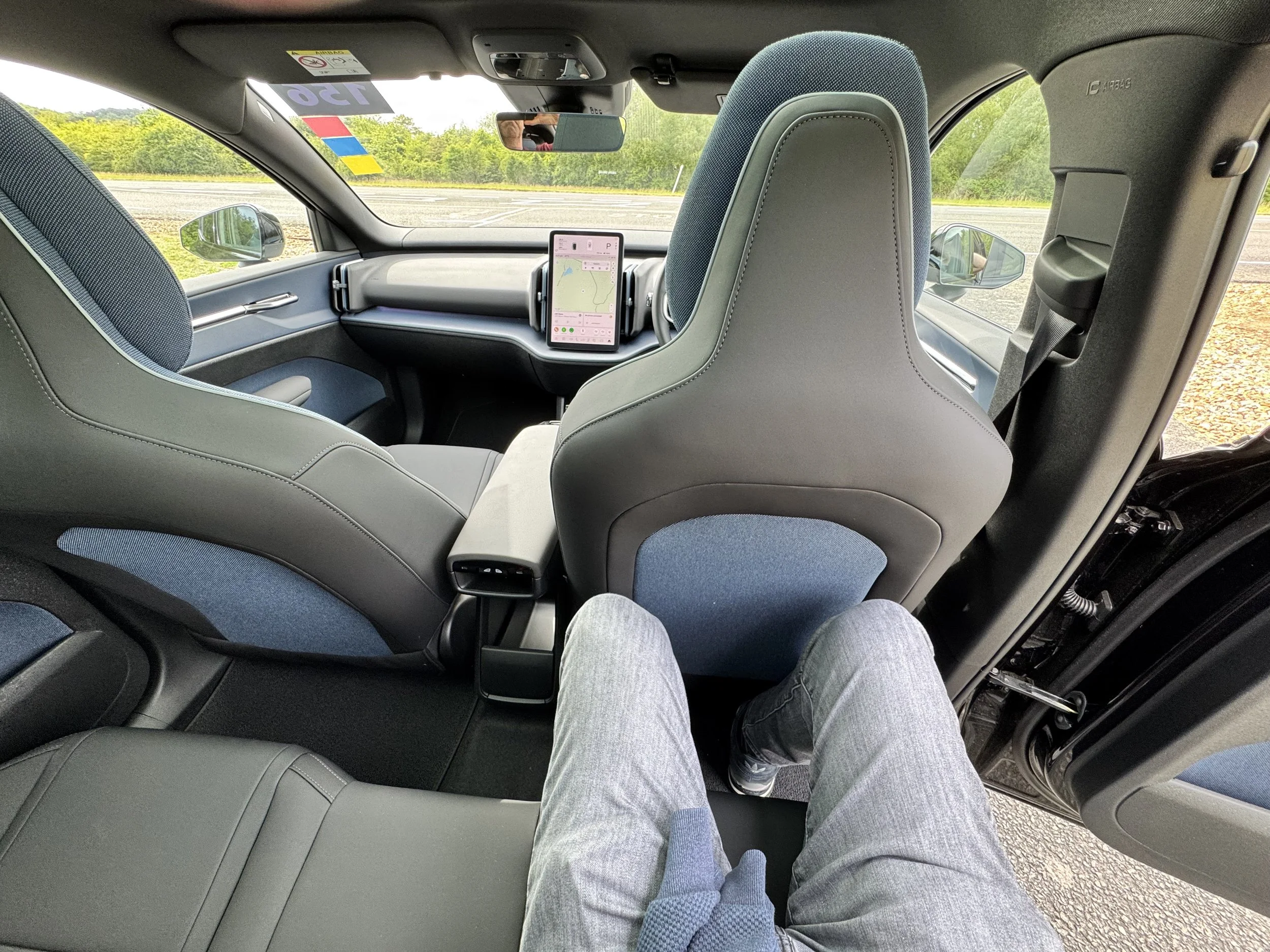
Inside, the interior was cramped in the back with my knees touching the seat in front, and that was set to my driving position. Boot space was adequate, however, there was plenty of under-floor storage.
Boot space: 318 litres
Range: Upto 296 miles (WLTP)
Price: From £33,060
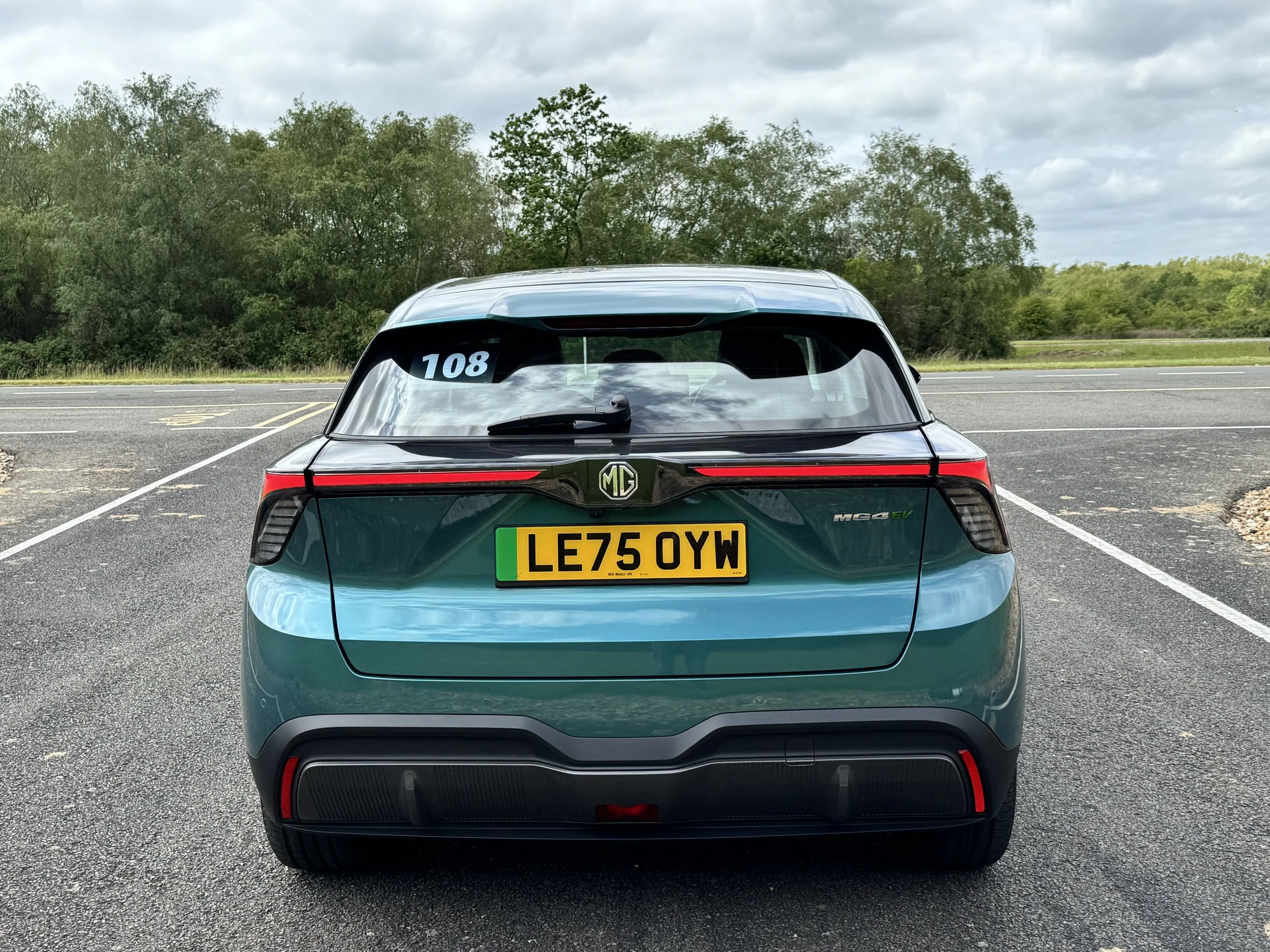
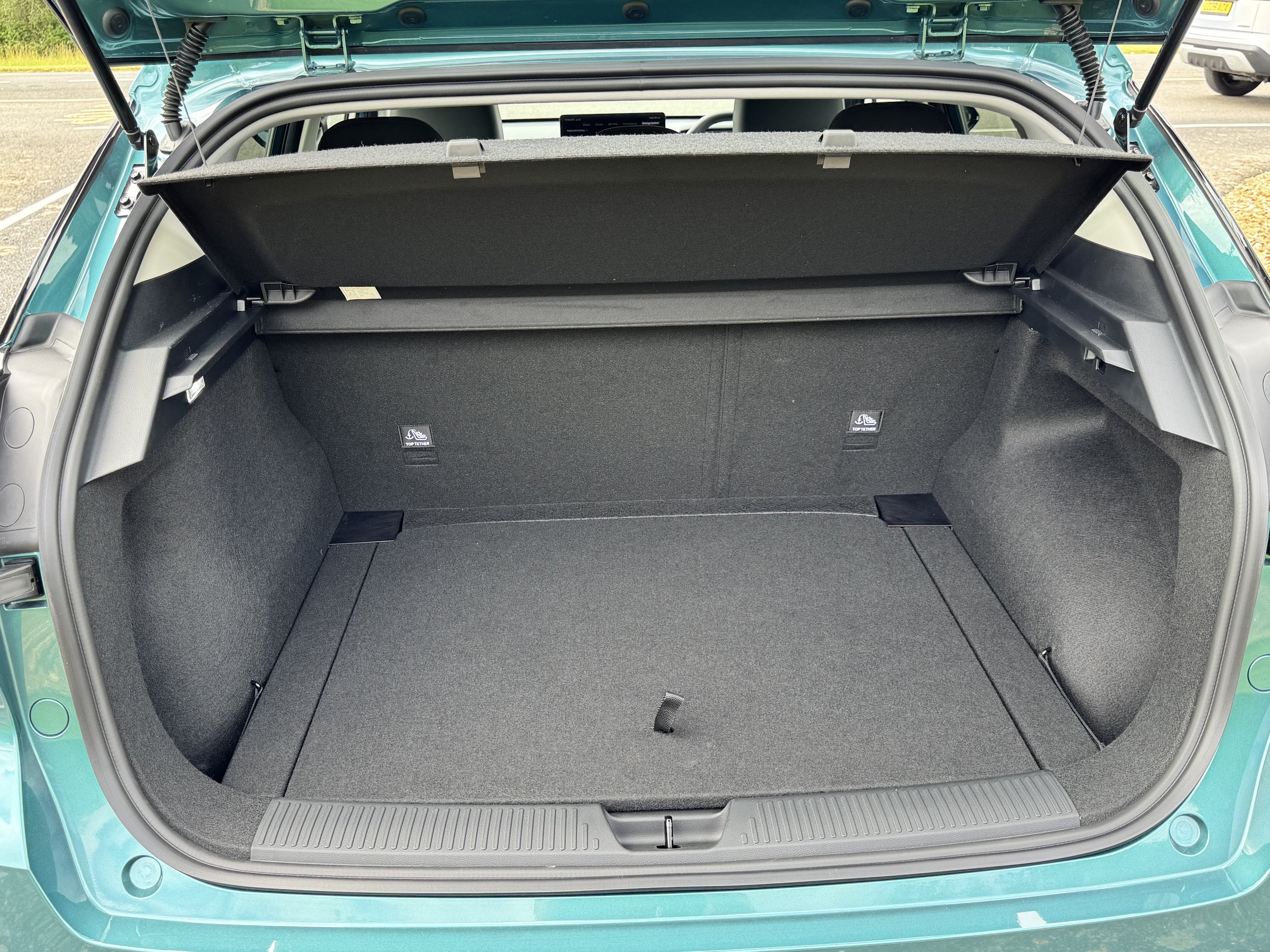
MG 4 (refresh)
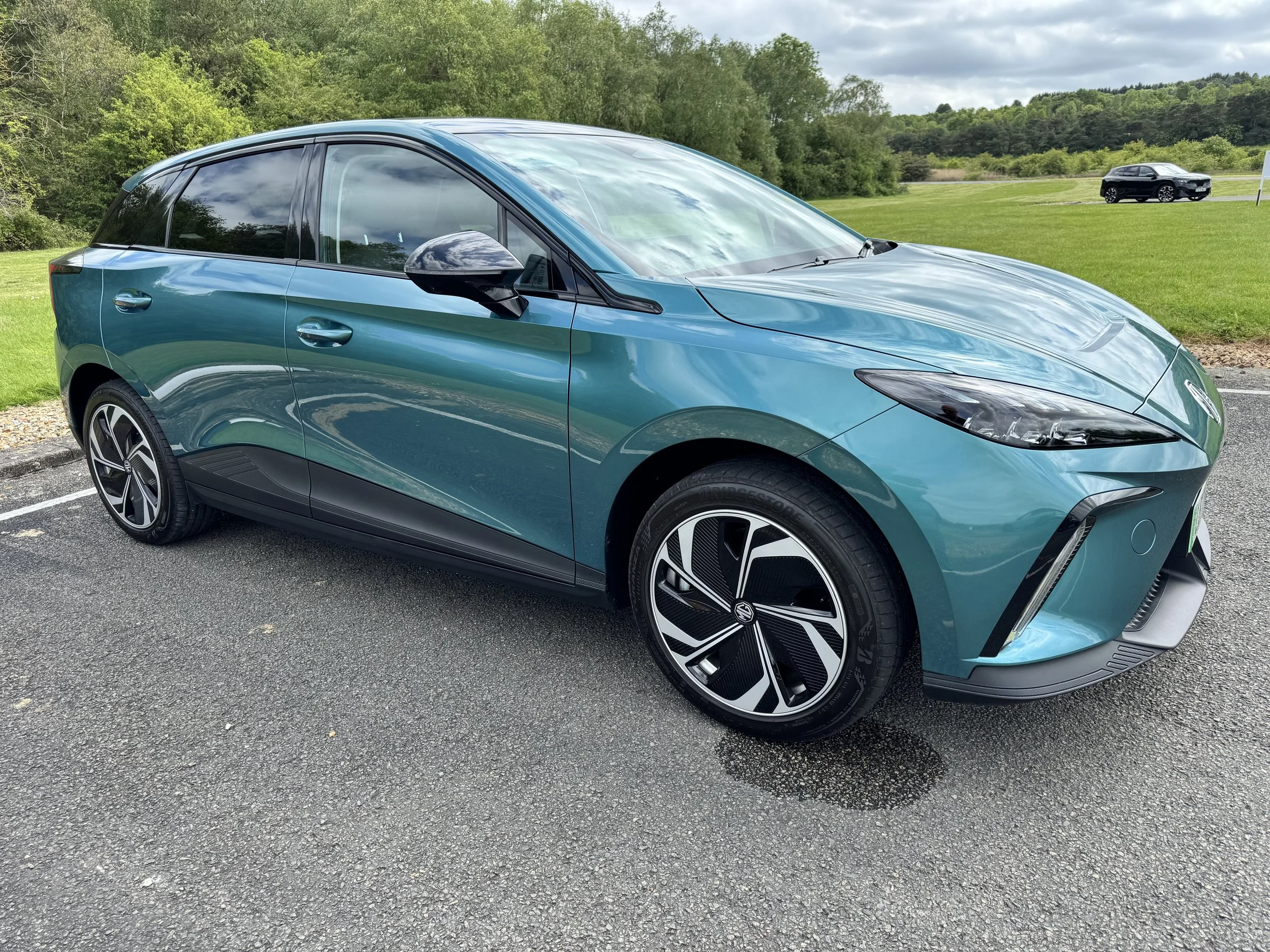
Having read up about this, and having watched Jim’s reviews, the MG 4 has a lot going for it. It’s a long distance cruiser and is a smallish, rear-wheel drive family hatchback. On paper it should be a thoroughly enjoyable car to drive.
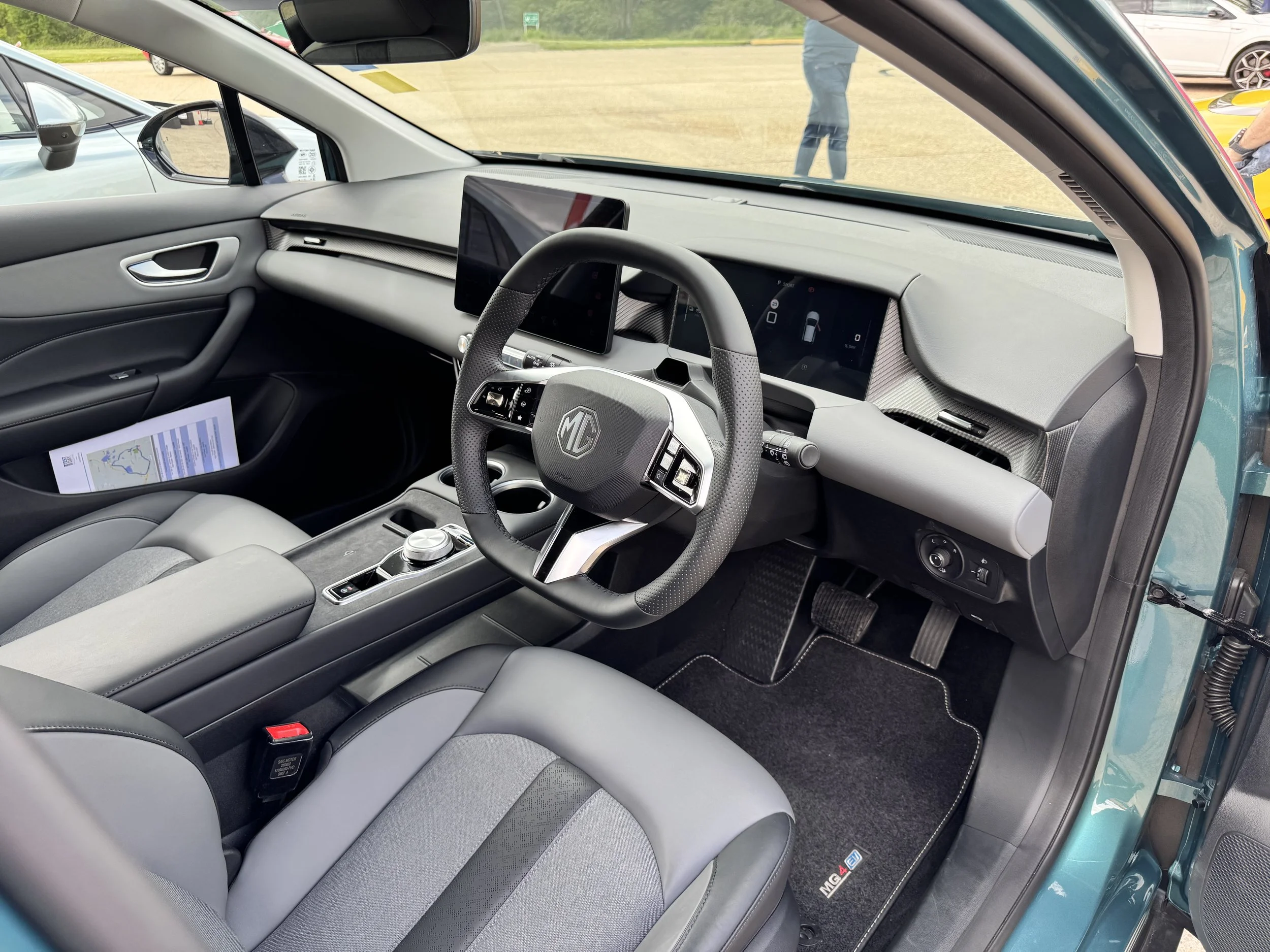
Inside, the update is a huge step up from the outgoing model in terms of quality, fit, finish and design, whilst outside it has kept the dynamic looks that so many have come to love.
As I mentioned previously, I prefer the strongest regen setting and the one pedal driving wasn’t strong enough for my liking, despite being adjustable. Some may actually prefer that, though.
It certainly was a spirited drive; there was plenty of punch and it steered well into turns with confidence, but it became unsettled on the ribbed surfaces and that made me ease off a little.
Although it was perfectly fine to drive, I never felt it gave me the kind of dynamics I was expecting from a rear-wheel drive car. But then I have to remember, this is a family hatchback and a very decent one at that and it will be perfectly fine for everyday use, just don’t hoon it around a track and expect to be rewarded with thrills, because there’s an XPower version for that.
Boot space: 388 litres
Range: Upto 338 miles (WLTP)
Price: From £29,995
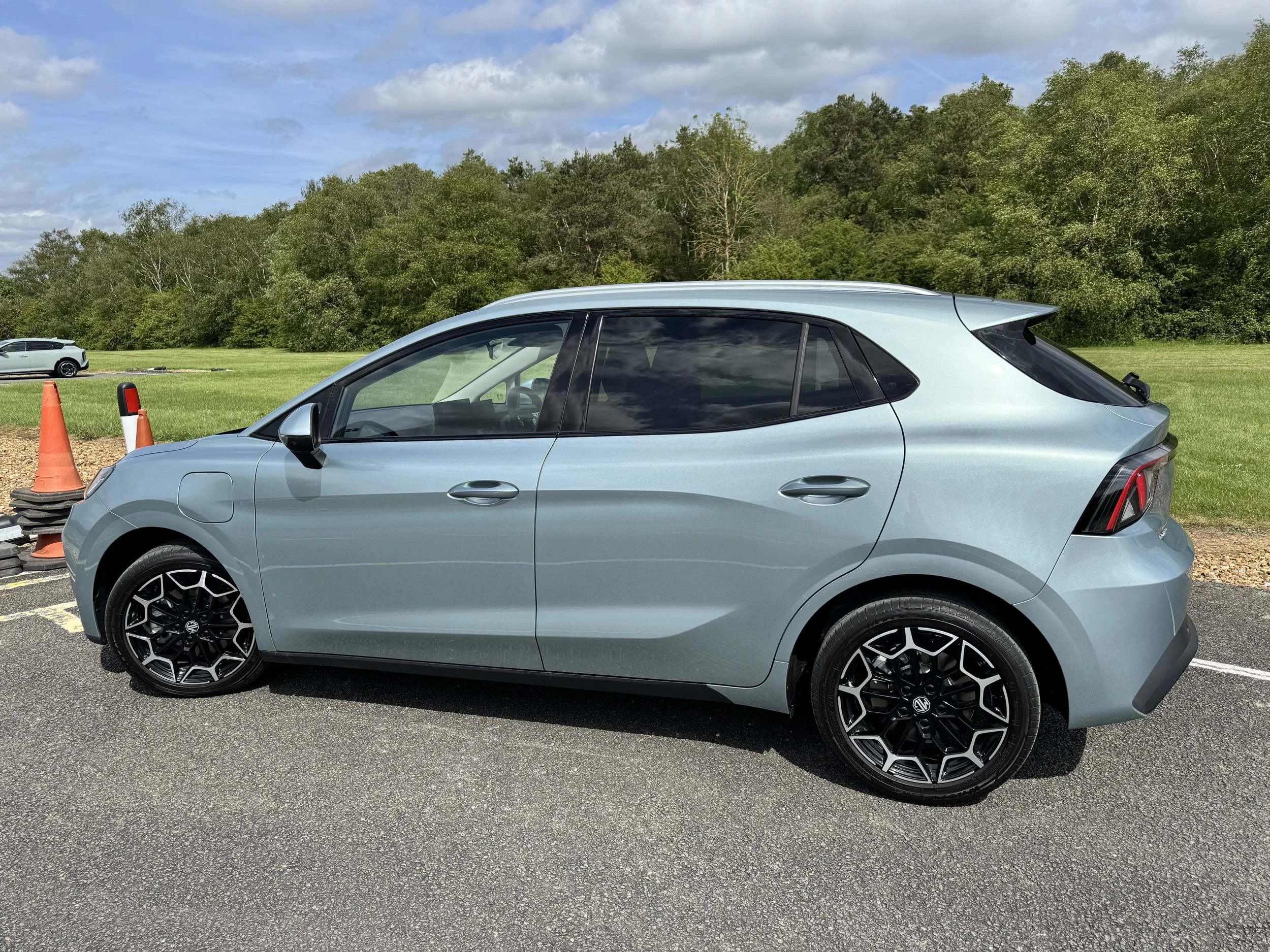
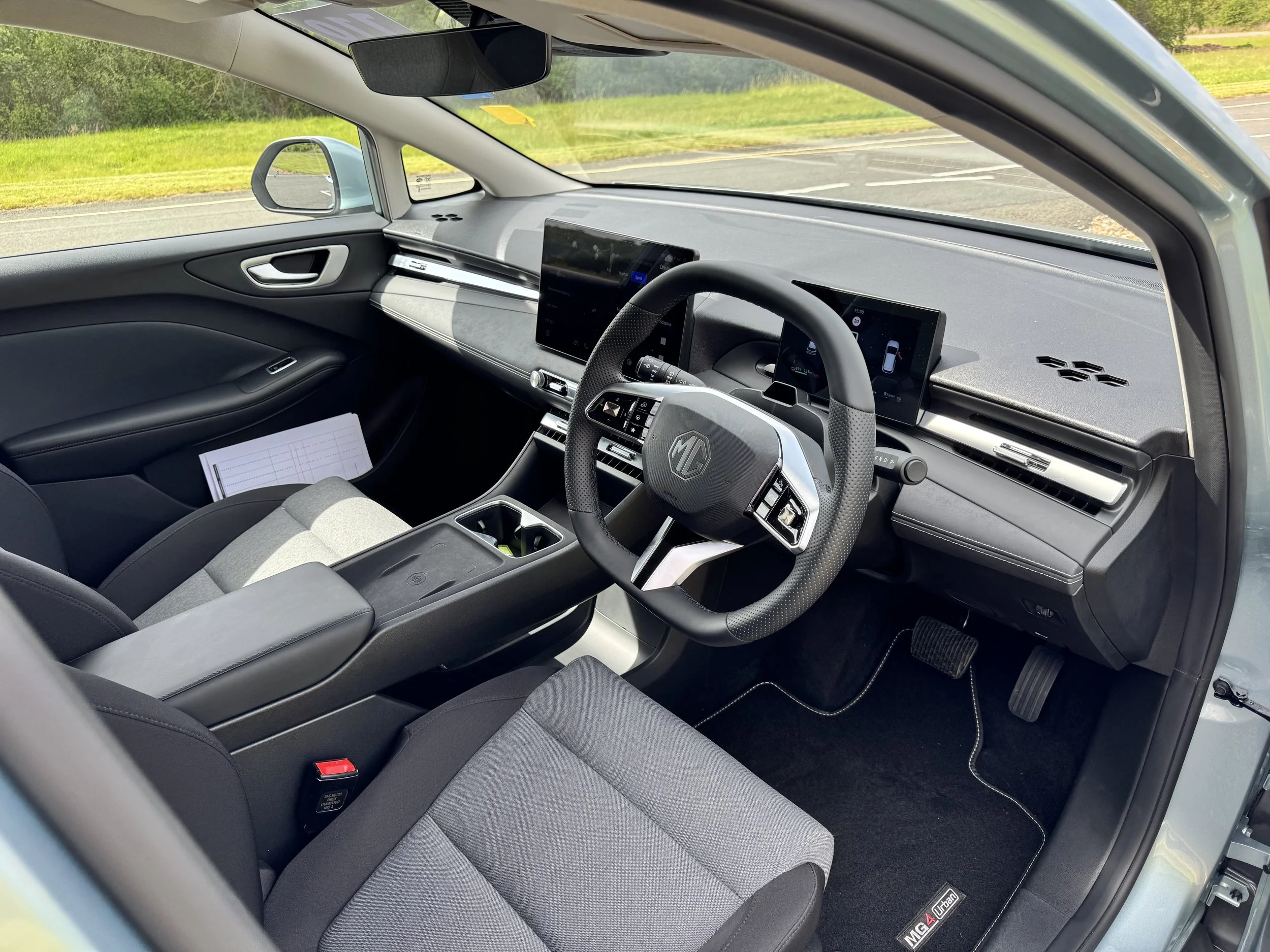
MG 4 Urban
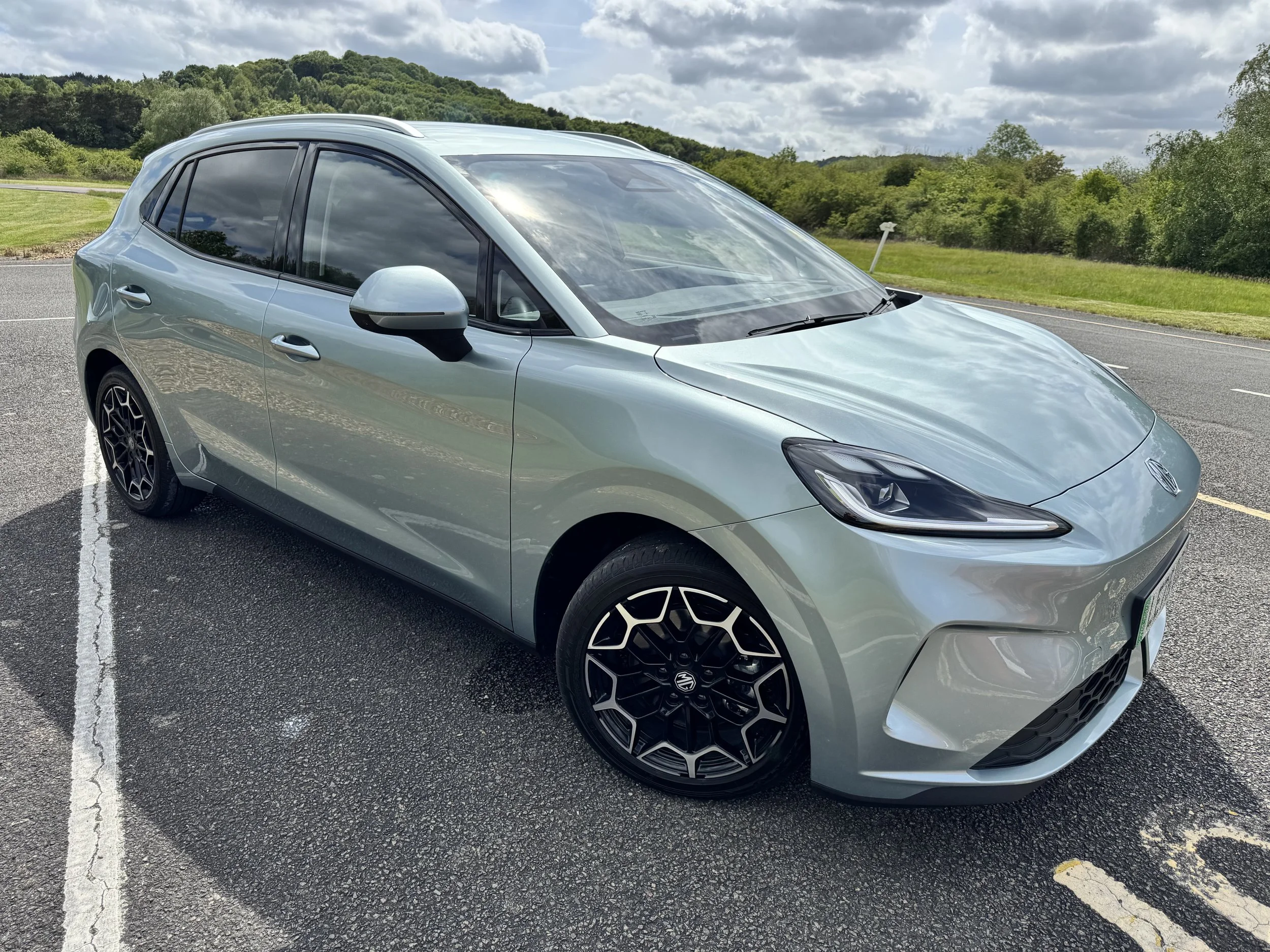
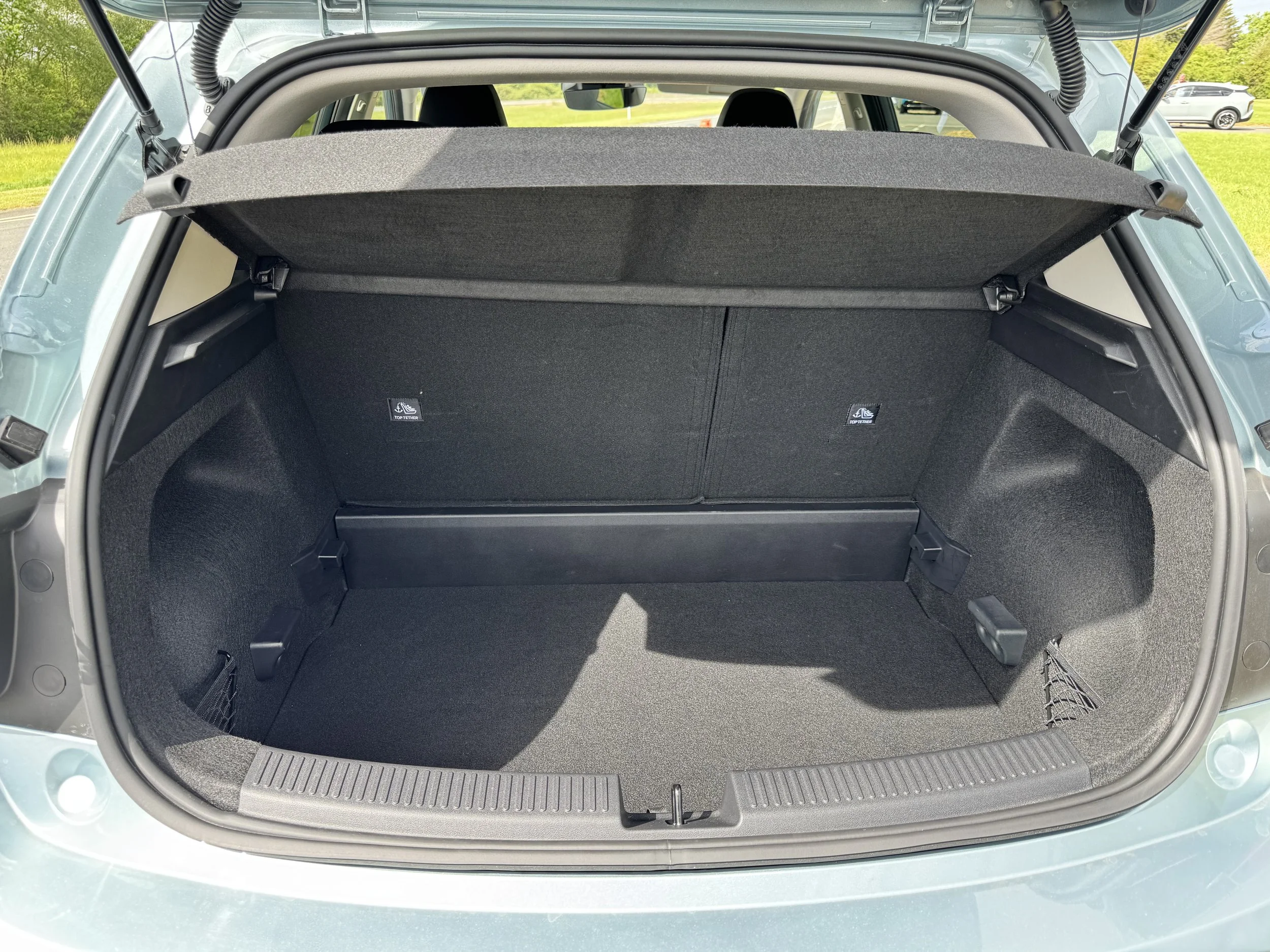
The MG4 Urban is a completely different car to the MG 4 refresh. For a starters, this is pitched more as a value proposition, but it’s on a front wheel drive platform, and it comes standard with a heat pump across the range, as well as a raft of equipment. The boot seemed huge and there was even more storage under the boot floor.
Inside, it felt well put together and it was a thoroughly pleasant and comfortable place to be sat, but on the road it impressed me more, because nothing would unsettle this car. Not only that, but it handled the track exceptionally well. You can drive this car and thoroughly enjoy it at the same time. It even put a smile on my face over the course.
If I were to pick between the 4 refresh and the 4 Urban, I would choose the latter, because it just seems that MG has learned from the legacy MG 4 and perfected it in the Urban.
However, if its outright range that’s required, pick the MG 4 refresh.
Boot space: 577 litres
Range: 258 miles (WLTP)
Price: From £23,495
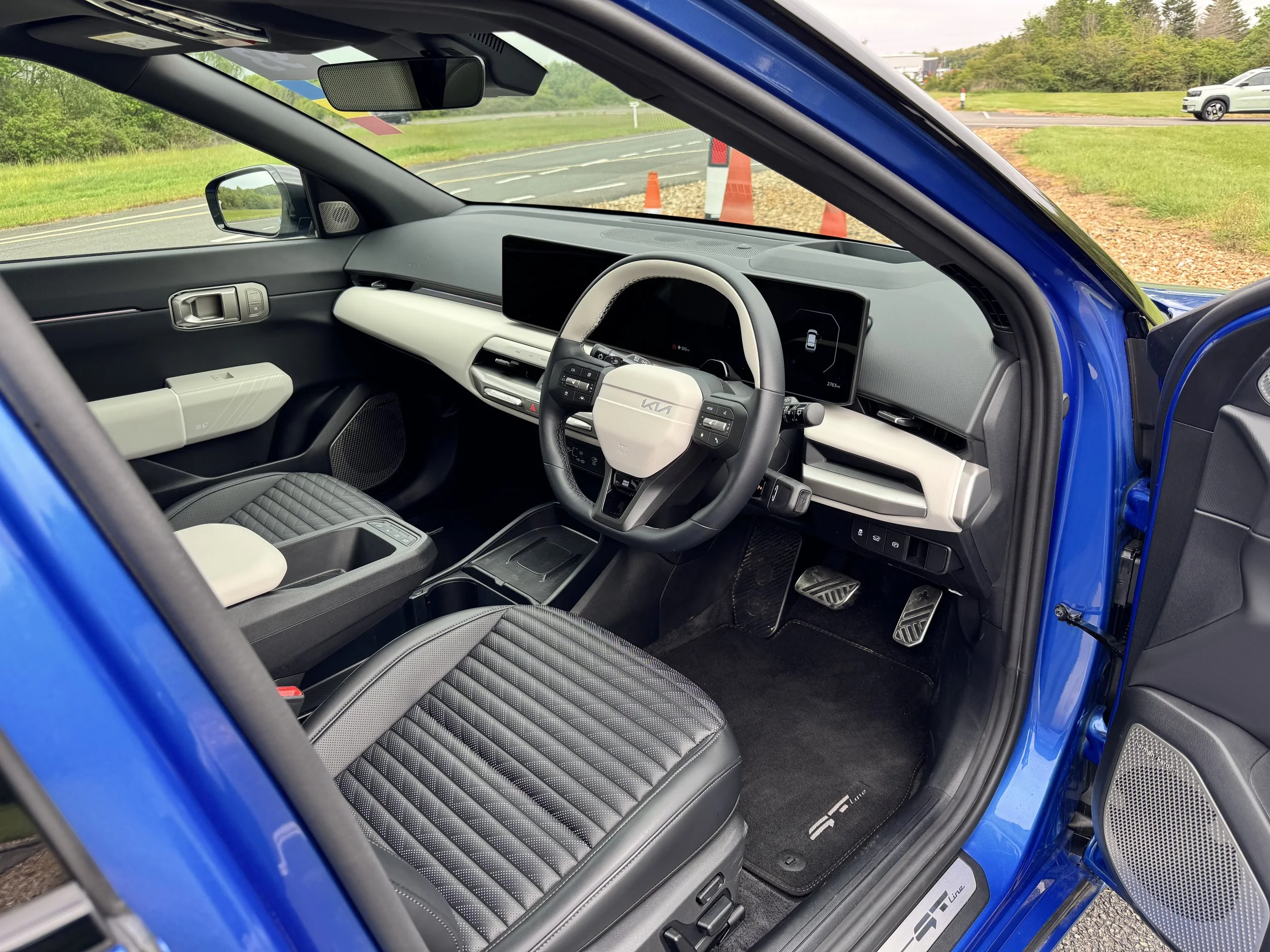
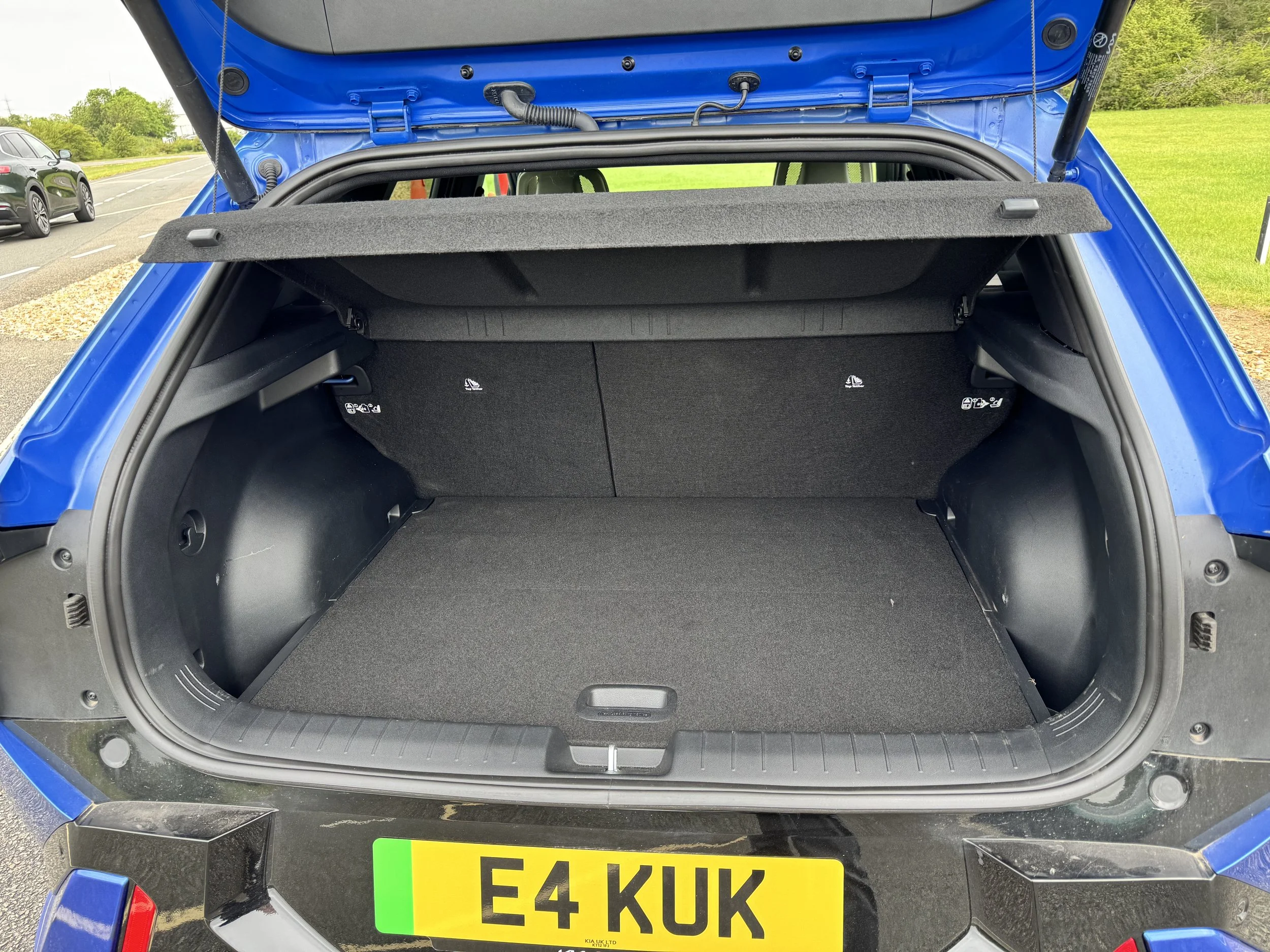
Kia EV4
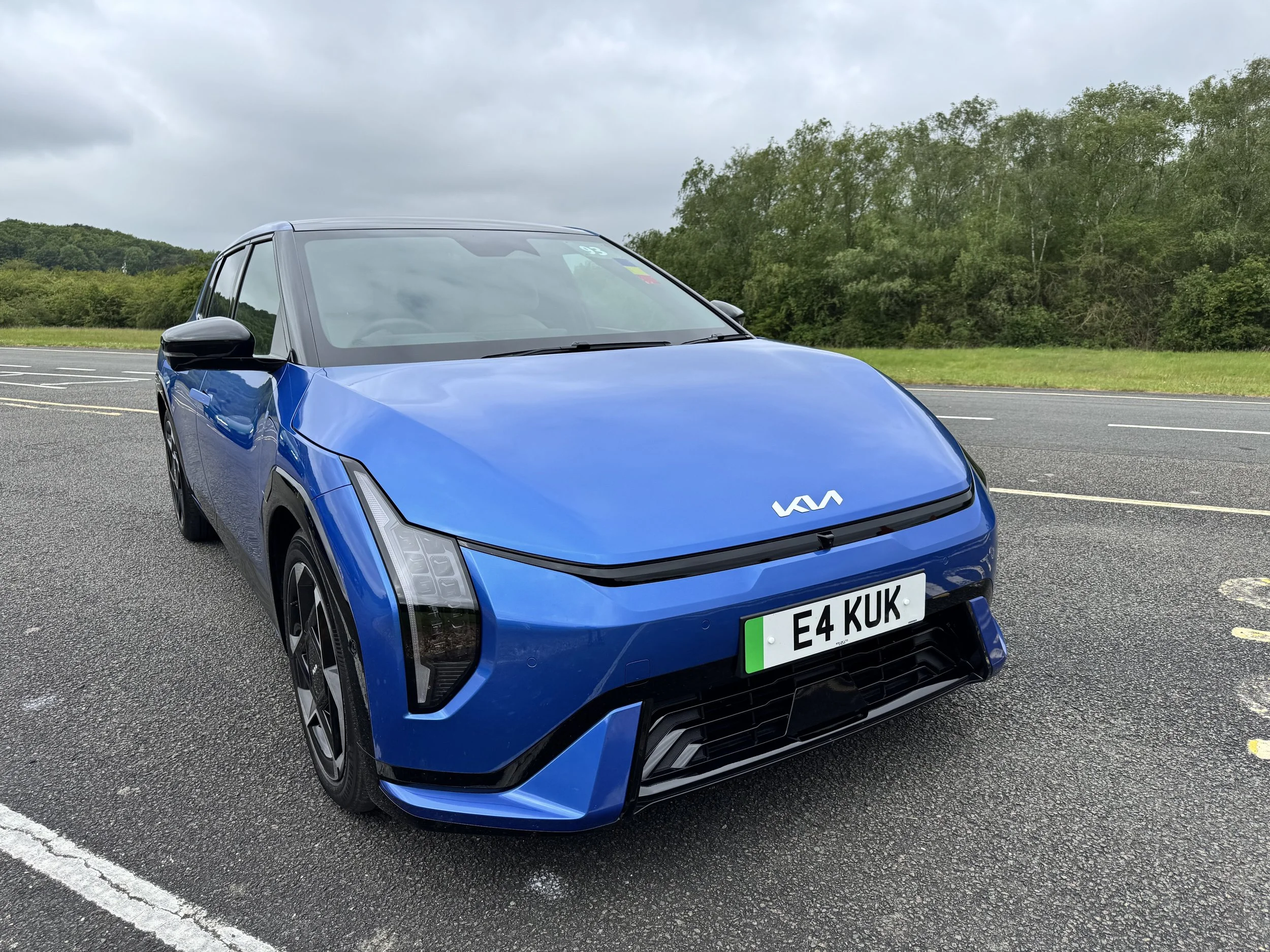
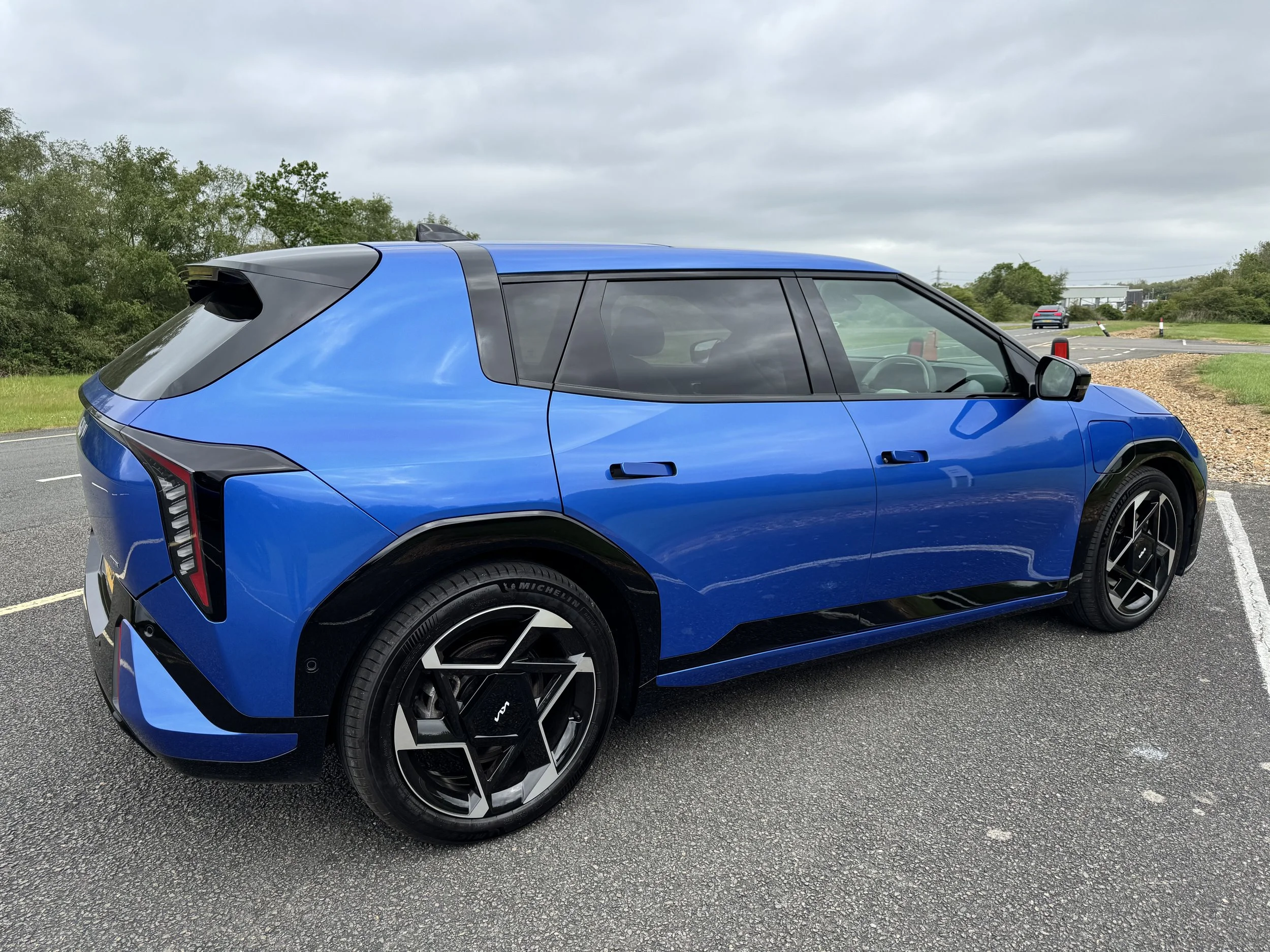
Larger than the MG4, it hits that mid-sized sweet spot for family transportation. I have a lot of time for family hatchbacks because they’re often overlooked for an SUV, but in this case, I really think it deserves more attention.
The Kia EV not only had a generous amount of space in the rear, and a decent boot, but it shames much larger cars including some SUVs.
The seats were on the firm side, but not uncomfortable as they supported me very well in all the right areas, but better side bolsters would have been welcomed.
The dashboard had a dash of style, minimalism and some buttons and was a very pleasant place to be sat.
But out on the road and this ordinary - if not striking looking - hatchback excelled. There was plenty of power and instant torque on demand, coupled with outstanding handling. This car felt like it could be driven hard, and bring a smile to the face at the same time, as it did with me.
Out on the circuit, the nose would tuck into any turn and bend, and simply handle it so well. It was never unsettled, and even across the rough section it didn’t transmit any harshness into the cabin.
This was a great car that I thoroughly enjoyed driving.
Boot space: 435 litres (hatchback)
Range: Up to 388 miles (WLTP)
Price: From £33,245
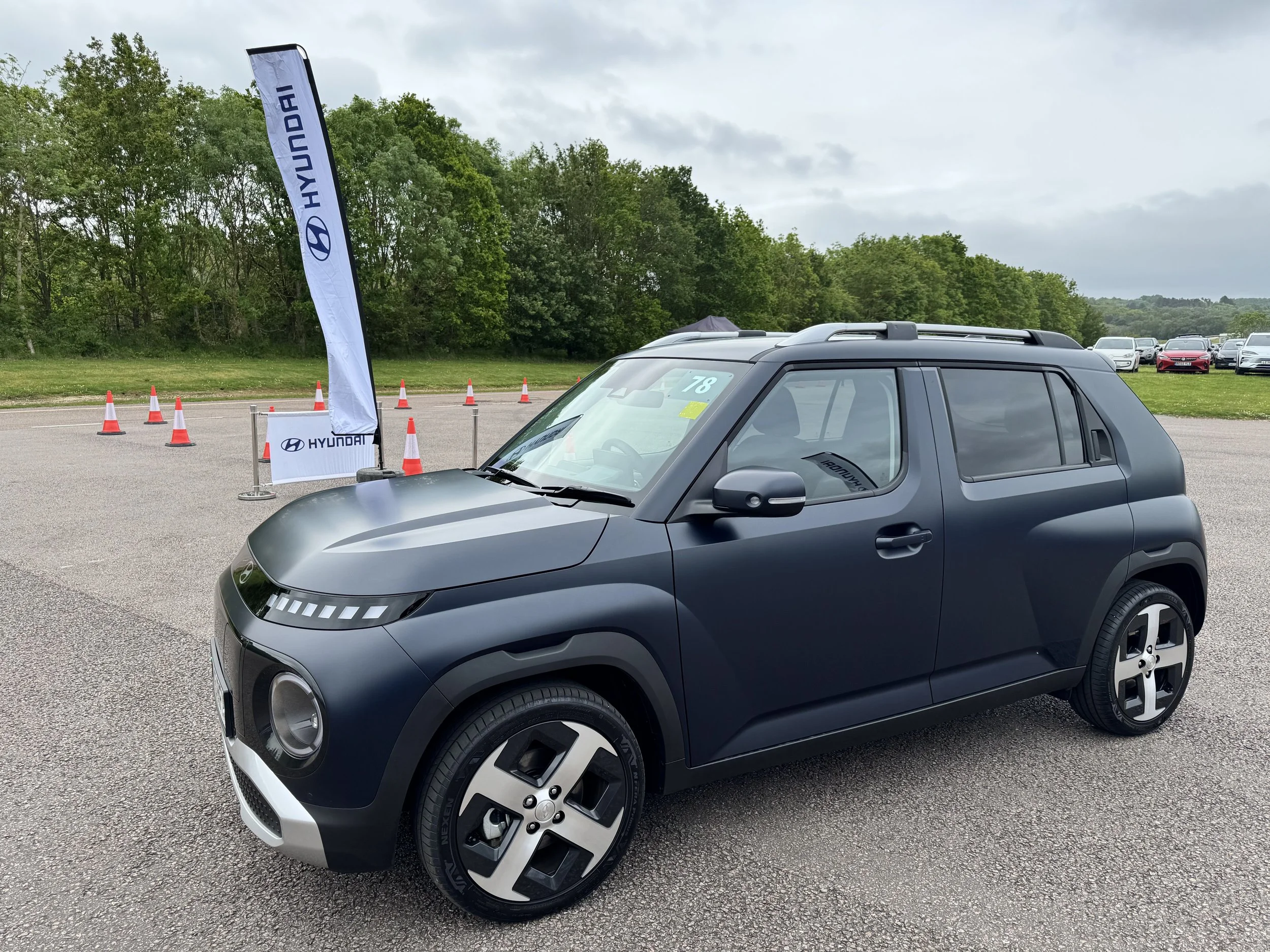
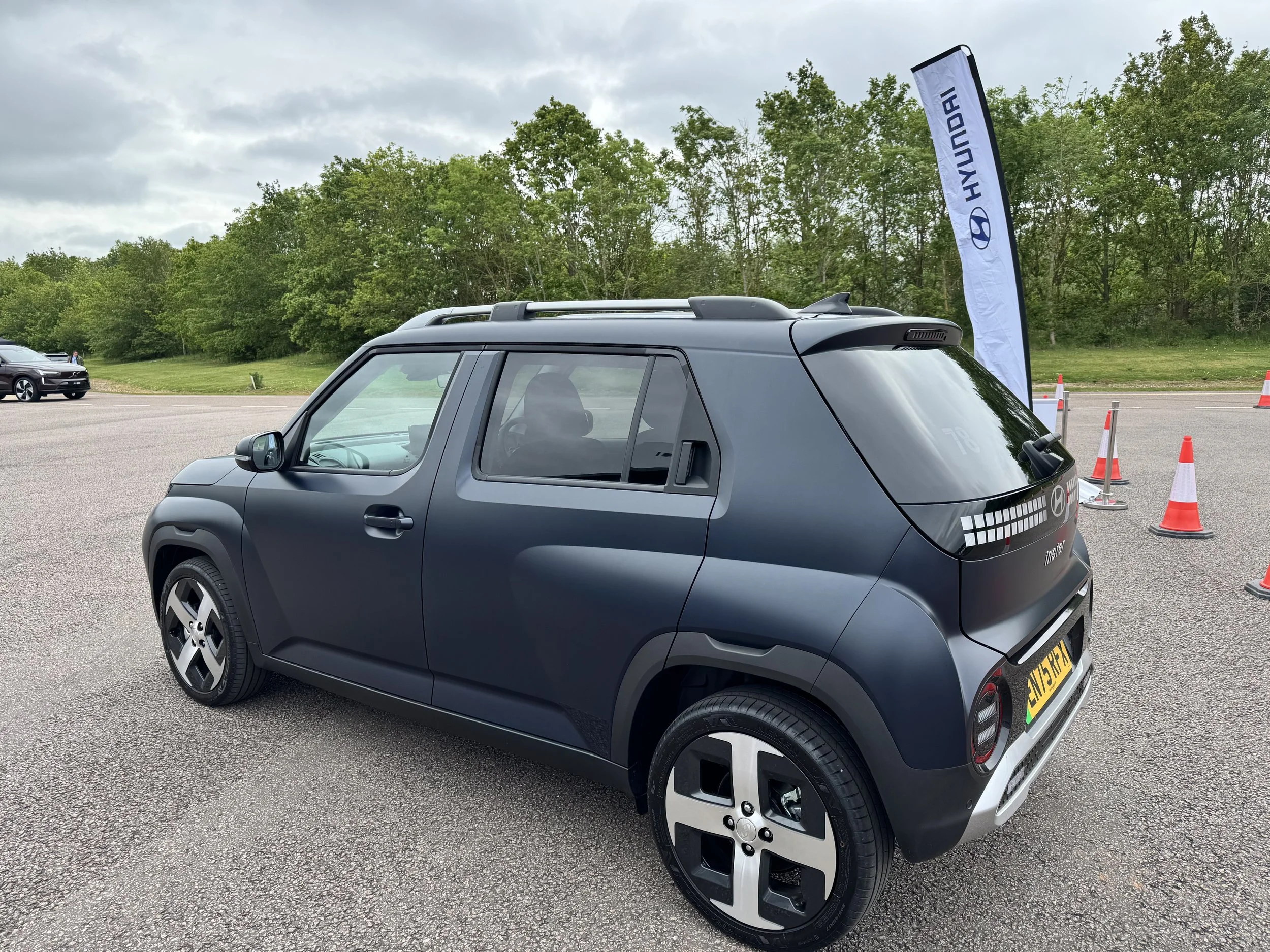
Winner - Hyundai Inster
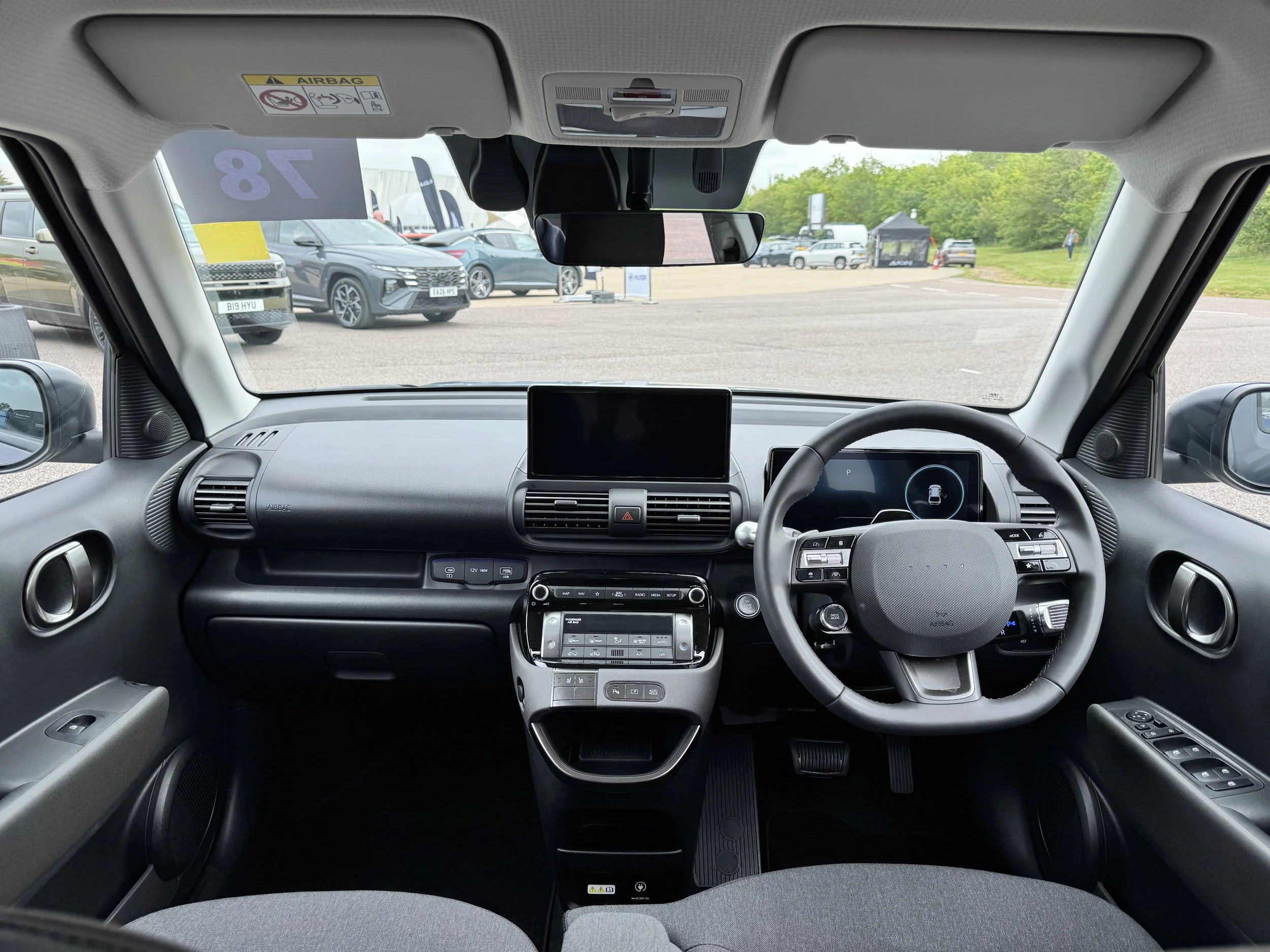
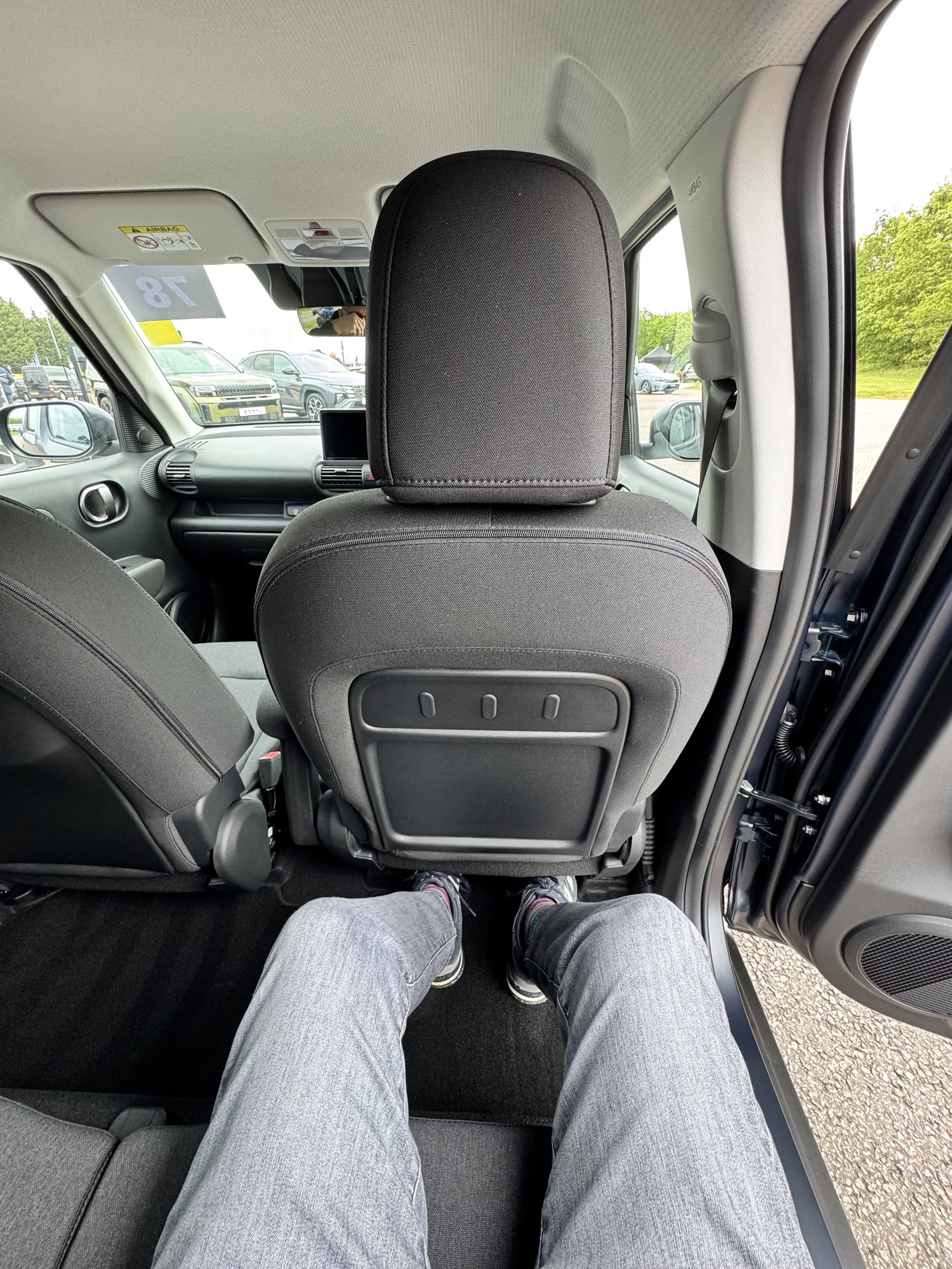
I have only ever sat in an Inster and wondered how they made such a small car so spacious inside. This epitomises Sir Alec Issigonis’s approach to this classic Mini (but with modern day safety tech) by designing a car on a small footprint with large car proportions inside.
I can only describe sitting in the rear - with the driver’s seat in front in my driving position - as luxuriating in leg-stretching comfort. But it doesn’t end there, because there was room for a weeks worth of family groceries in the boot, too. And if more boot space was needed, the rear bench can slide forward extending the boot area - and I would still have leg room in the rear!
And that’s where I thought its brilliance would end, but I was mistaken. Because out on the track, the Inster delivered an absolutely thrilling drive. It never lacked torque - even in the mid range - and that instant surge meant that climbing a steep hill with a sharp bend at the top was tackled with ease, and yet it just delivered me around it with such spirit and entertainment.
I could feel the car tucking into the bends with a surge of torque pulling me around the other side. It was an absolute hoot to drive. That short wheel base didn’t even feel unsettled at any point, either.
Hats off to Hyundai for building a mini masterpiece.
Boot space: 280 litres
Range: 229 miles (WLTP)
Price: From £23,755
———
About the Author
Graeme Cobb is a lifelong car enthusiast with a passion for writing about cars, EVs, industry updates and more.
You can find Graeme on 𝕏 at @graeme_cobb or YouTube @REV-EV.