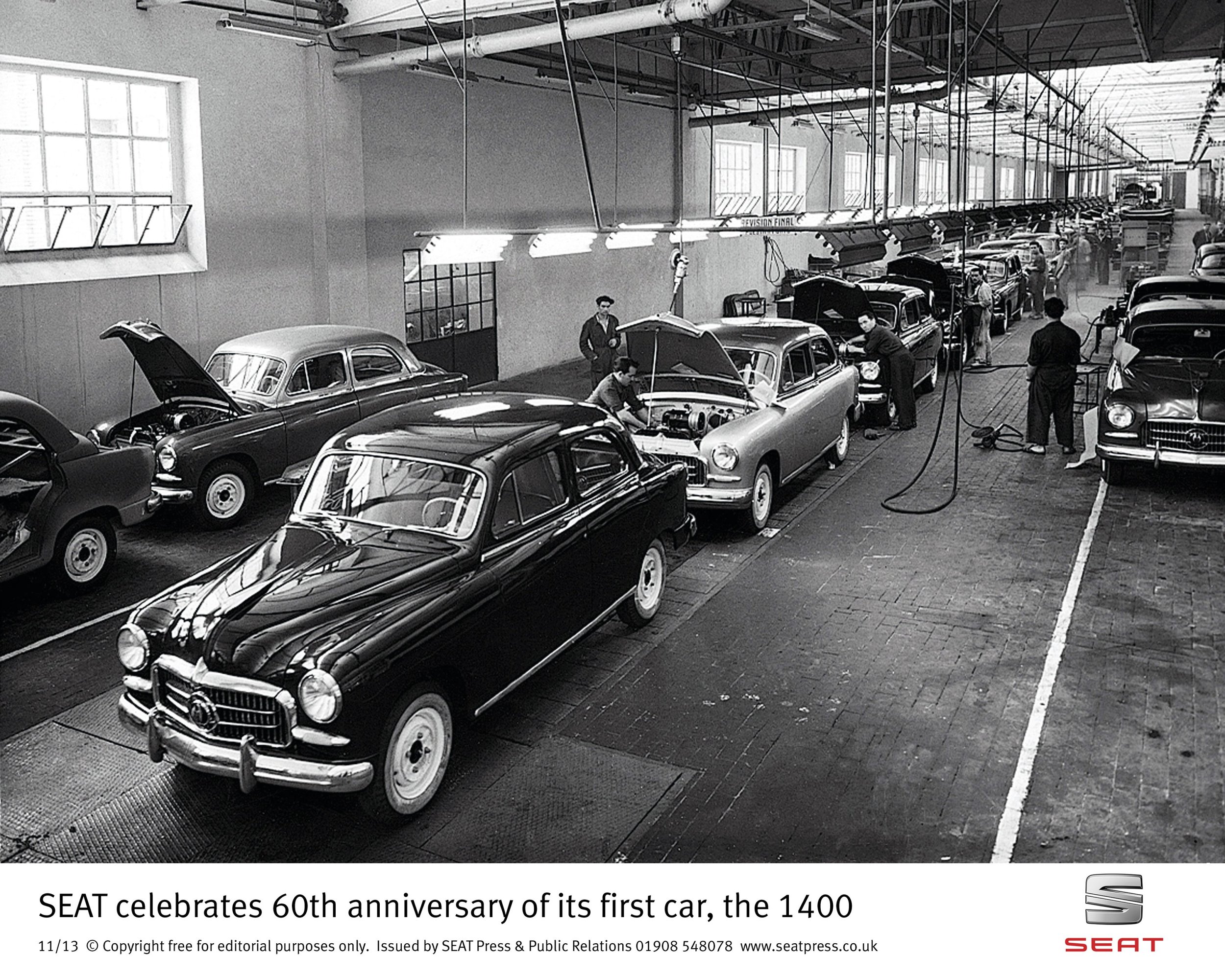
SEAT’s first Factory opened in the Zona Franca area of Barcelona in 1953, rolling out its first model, the SEAT 1400, as a joint venture between the Spanish government’s agency ‘Instituto Nacional de Industria (INI)’, which held a majority stake, alongside several major Spanish banks, and Fiat, which took a 7% interest. FIAT also provided technical support as well as granting the production licence for SEAT to use its models.
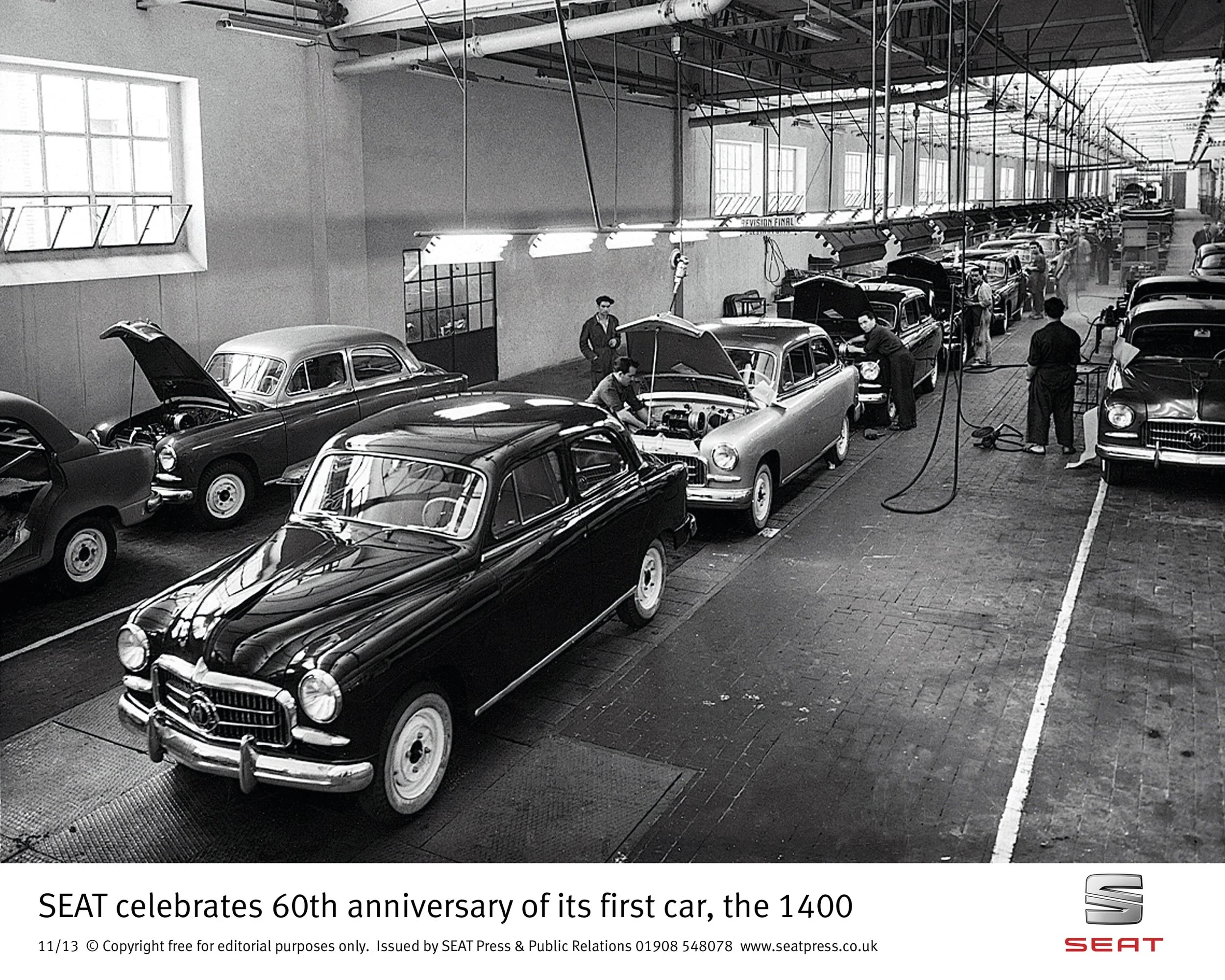
SEAT 1400
SEAT described the 1400 as “an elegant and luxurious saloon designed in the spirit of the most popular American sedans of the '50s.”
It was a pricey purchase back in 1953, costing 121,875 pesetas which is approximately £51,000 in today’s money and it was a rear-wheel drive, front-mounted, water cooled 44 PS engine complete with a four-speed manual gearbox.
My earliest memory of SEAT was in the 1980’s when my Mum purchased a B-registered, twin-sunroof FIAT Panda which is the exact moment that I first noticed the SEAT Marbella, which was based on the FIAT Panda, albeit with a slightly different grille.
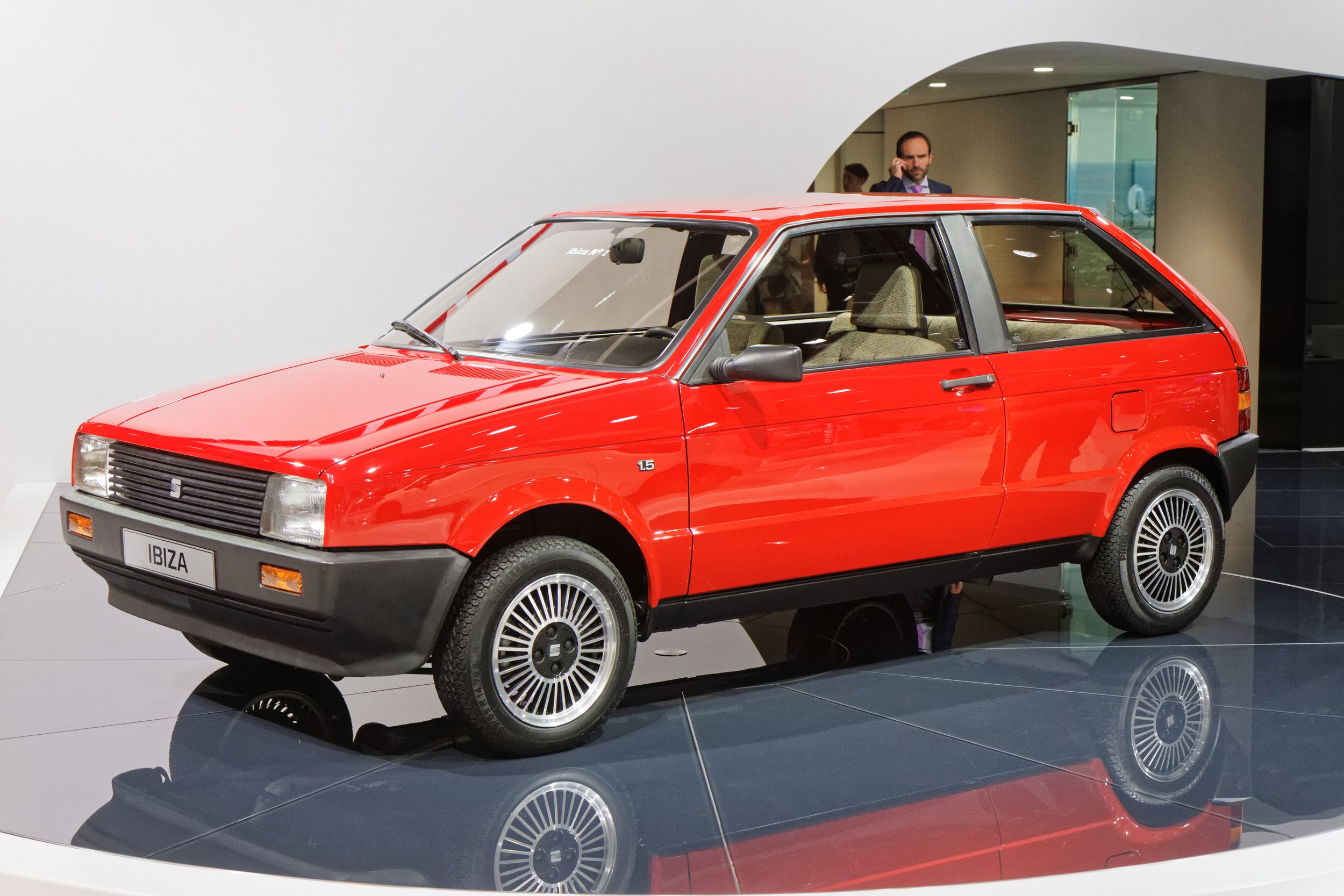
SEAT went on to make many versions of FIAT cars, from the ridiculously tiny 500 to the Porsche inspired first generation Ibiza, which is a car I still remember to this day having spotted it as a child.
The Ibiza was a true head turner for 1984 with an incredibly attractive design, and it’s this car that put SEAT on the map following a huge sales success that grew into the 90’s and beyond.

SEAT Ibiza
The gearbox and powertrain were developed in collaboration with Porsche under the licence ‘System Porsche’ which often adorned the side of the car in classic 80’s graphics.
But it wasn’t until 1986 until Volkswagen took ownership of SEAT in full, marking VW’s first acquisition.
Despite all the success that SEAT has had over the 73 years that it’s been selling cars, the spin-off Cupra brand really shook things up for the incumbent Spanish company. Cupra was the flagship trim for SEAT models, that served sporty, fast hatchbacks as Volkswagen did for the GTi, and was inspired by SEAT’s entry into the FIA 2-litre World Rally Cup in the 90’s that thrust the coveted CUPRA badge forward.
Note: Cupra is words smashed together; Cup and Racing.
Since CUPRA was spun off from SEAT to become another Volkswagen Group vehicle brand in its own right, it quickly become synonymous for a more edgy, sporty design language inside and out, making really appealing looking, performance cars for the everyman and everywoman. And this new brand entry came just as SEAT was objectively indistinguishable from Skoda producing similar products, both in design and execution. And Skoda thrived built on a reputation of offering great value alternative cars to its Volkswagen sister brand with its various unique selling points. Adding SEAT into the mix claiming a similar crown somehow didn’t engage the same enthusiasm.
However, over the past 12 months the Volkswagen Group has been subject to storm after storm, and is now looking to dramatically cut costs, labour and factories, trimming its model line-up in half with a new focus on adding value back in to their brands.
And while the transition towards electric vehicles continues to develop at a pace, SEAT really lagged behind as it offered no electric cars since the Mii was discontinued. And this fast changing environment looks to have caught SEAT by surprise as the Volkswagen Group pushed CUPRA forward with new electric and plug-in hybrid models, as well as some petrol cars, too.
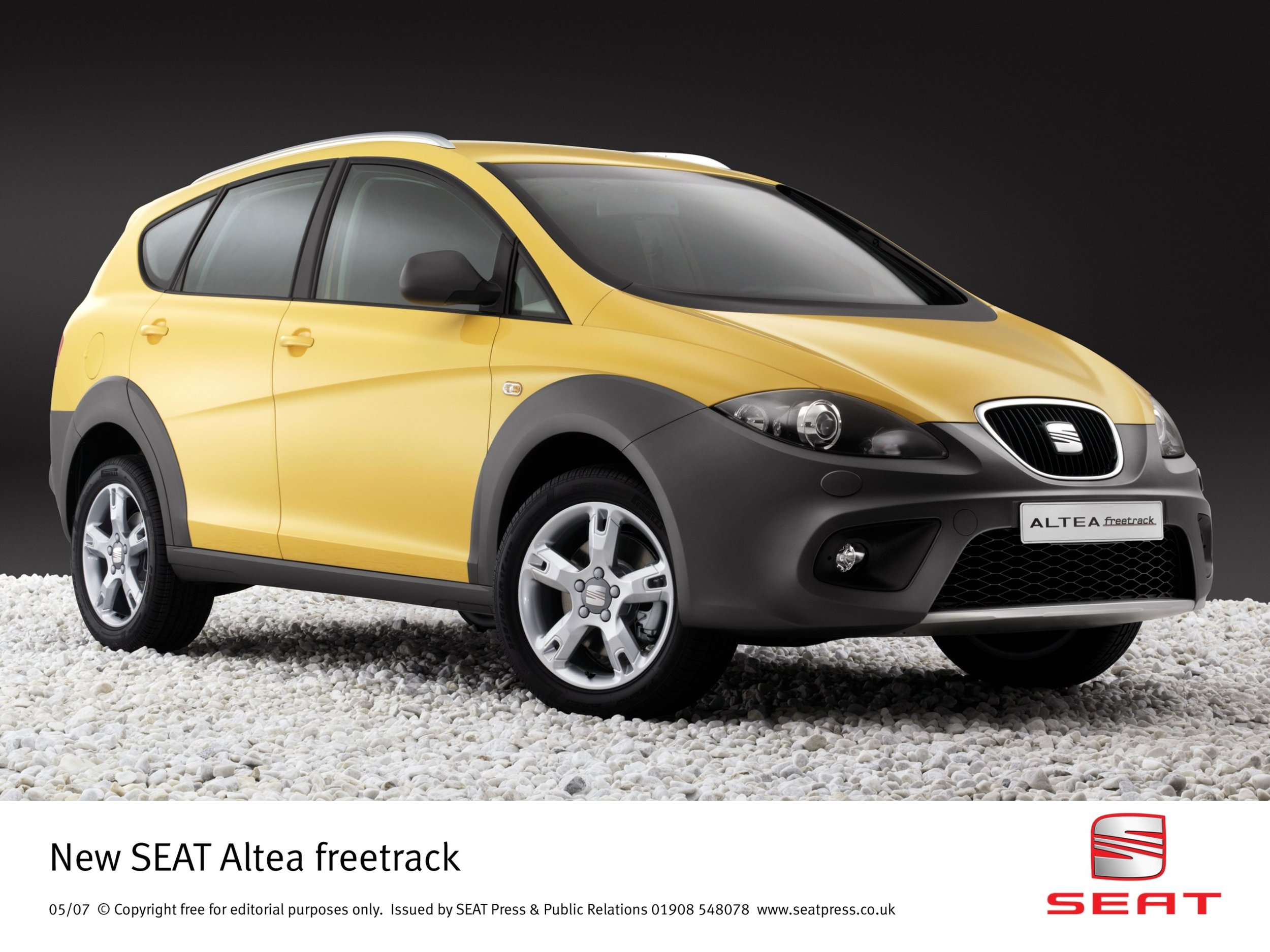
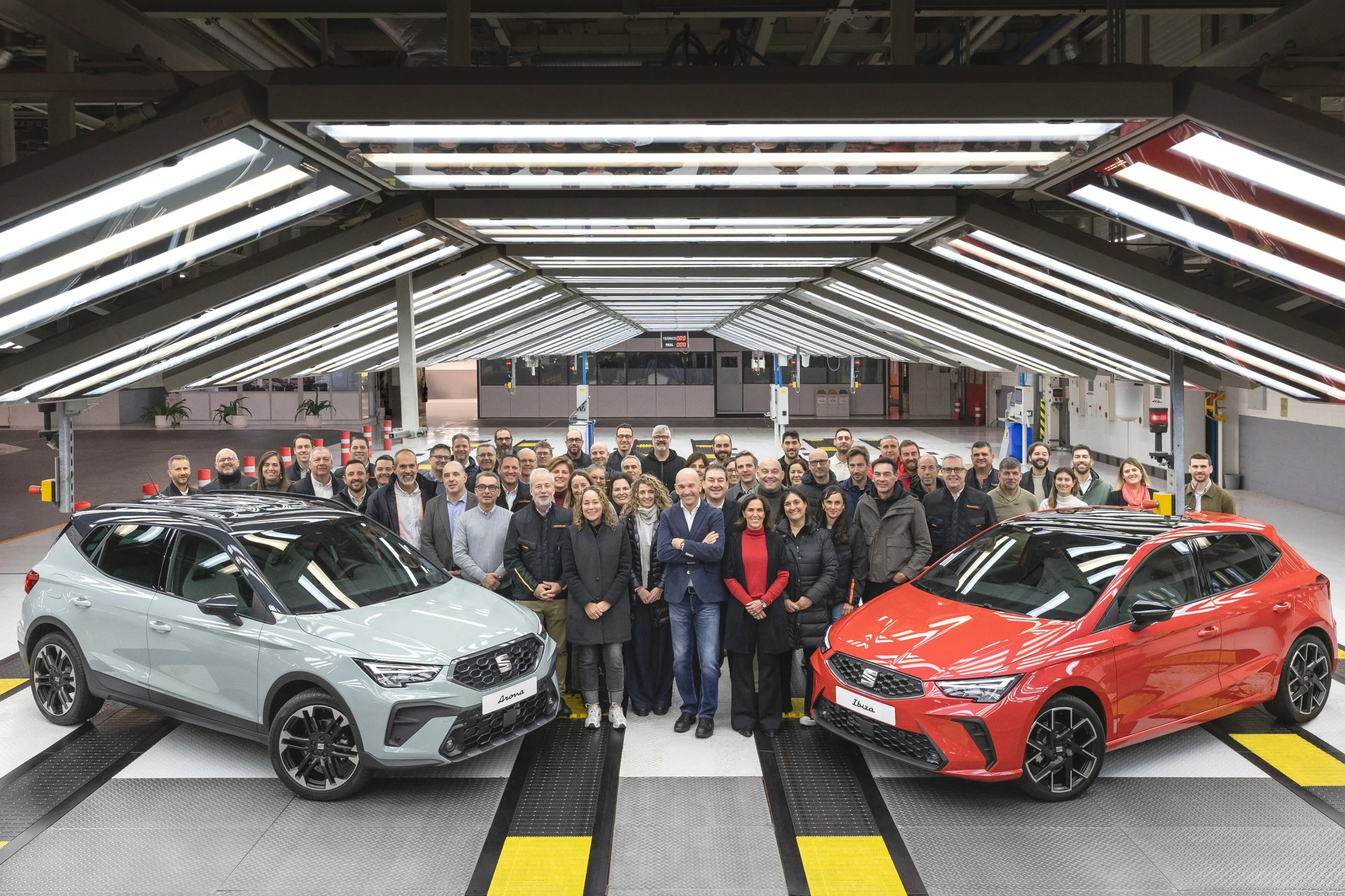
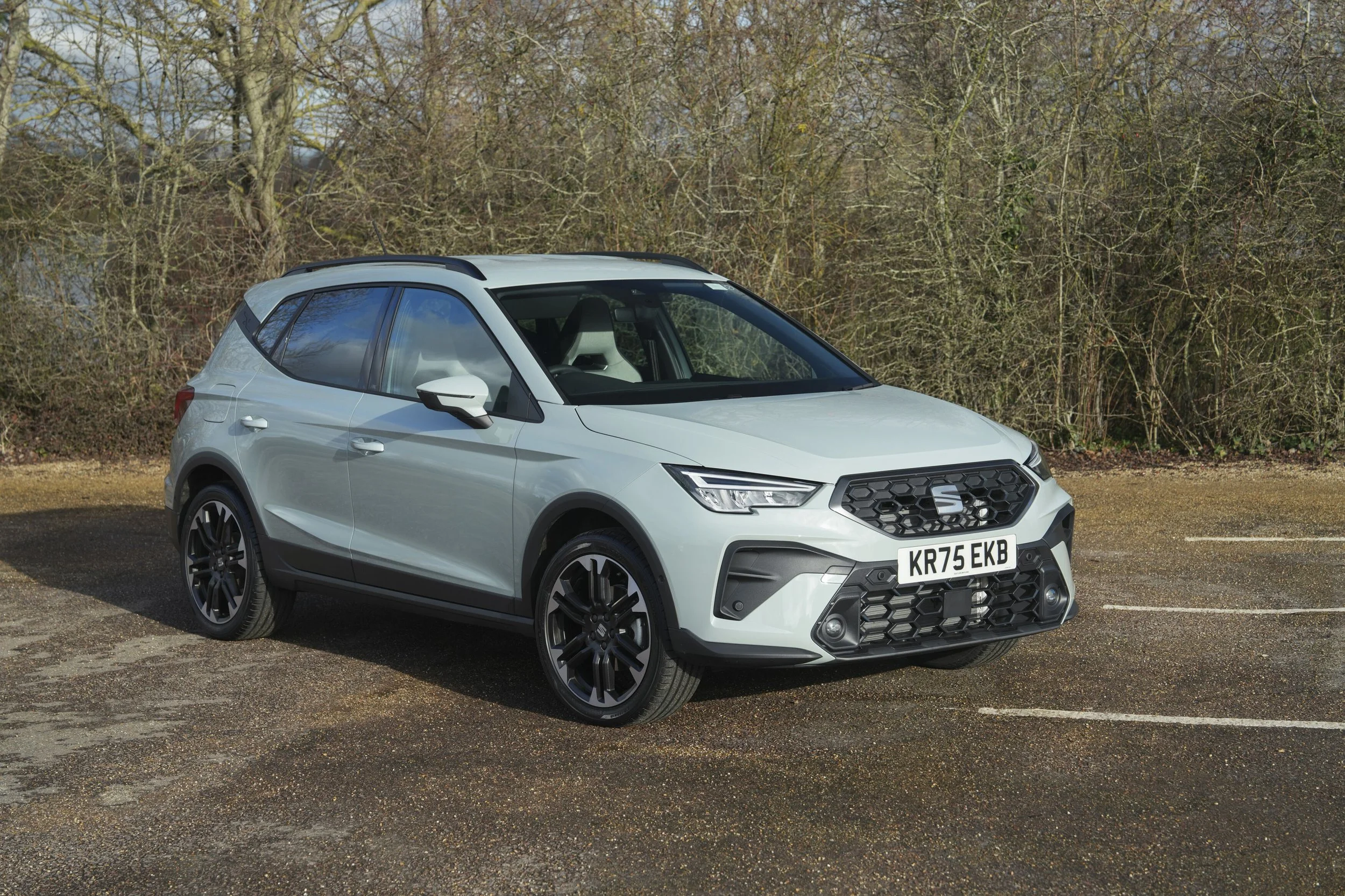
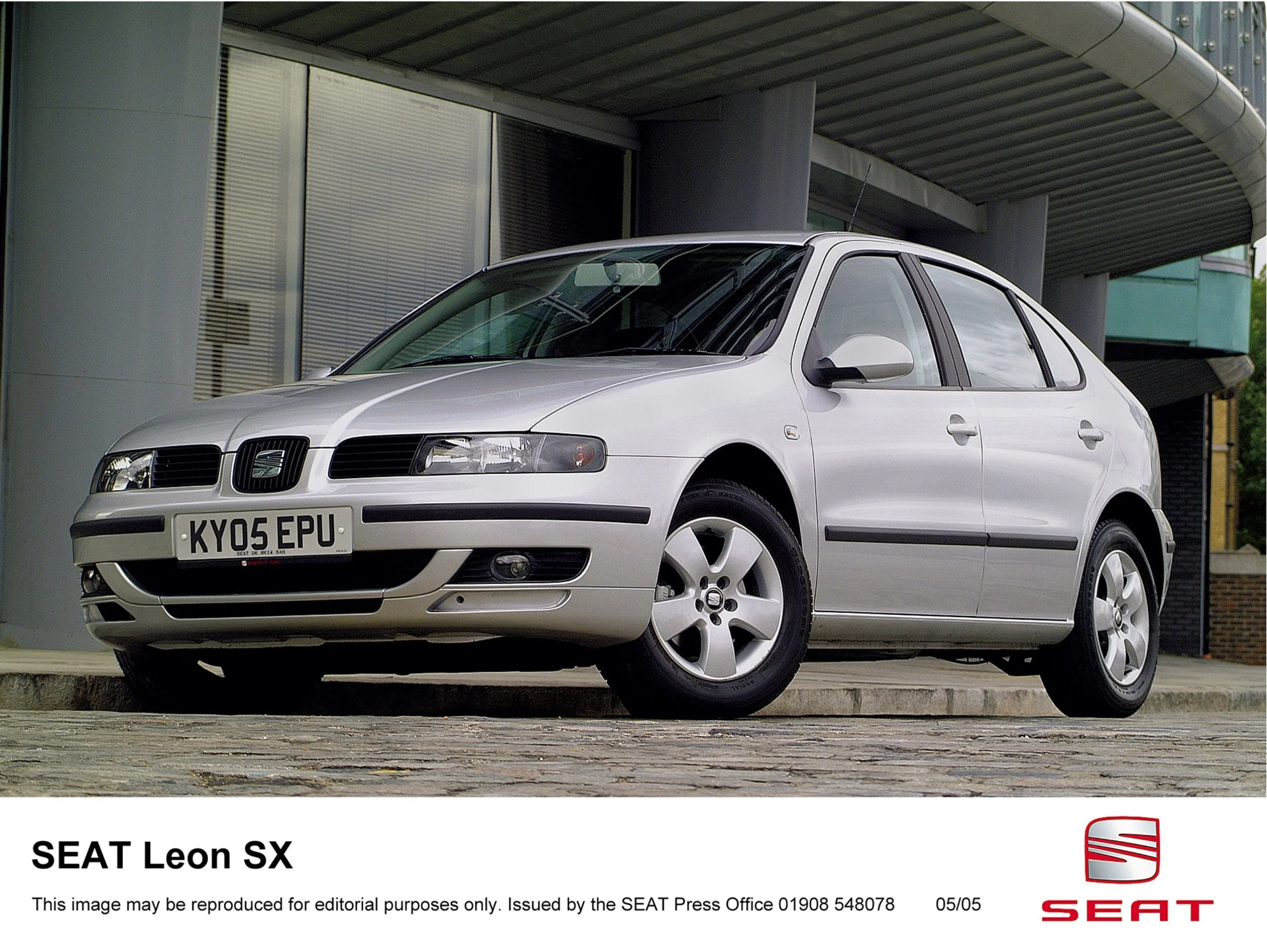
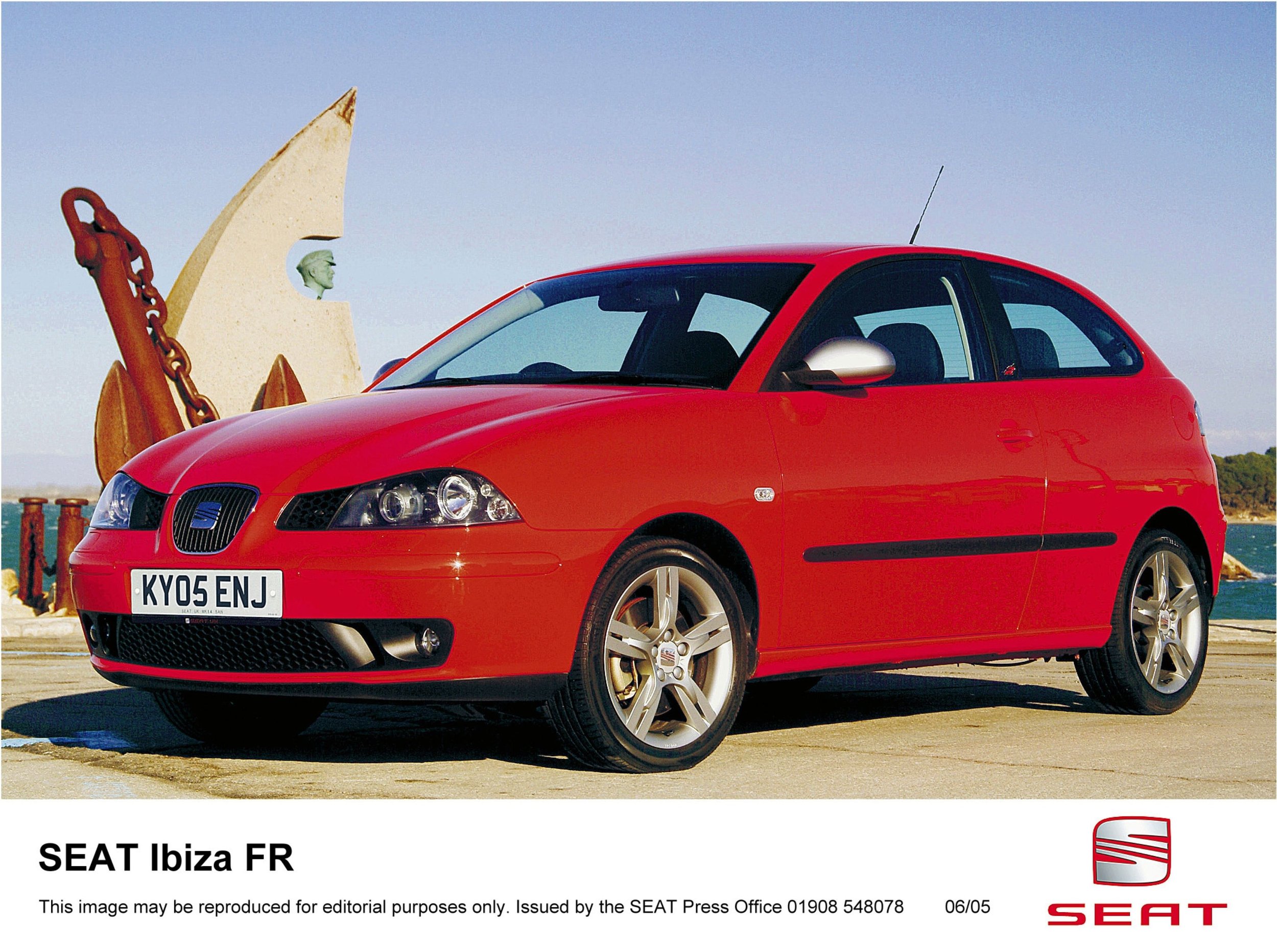
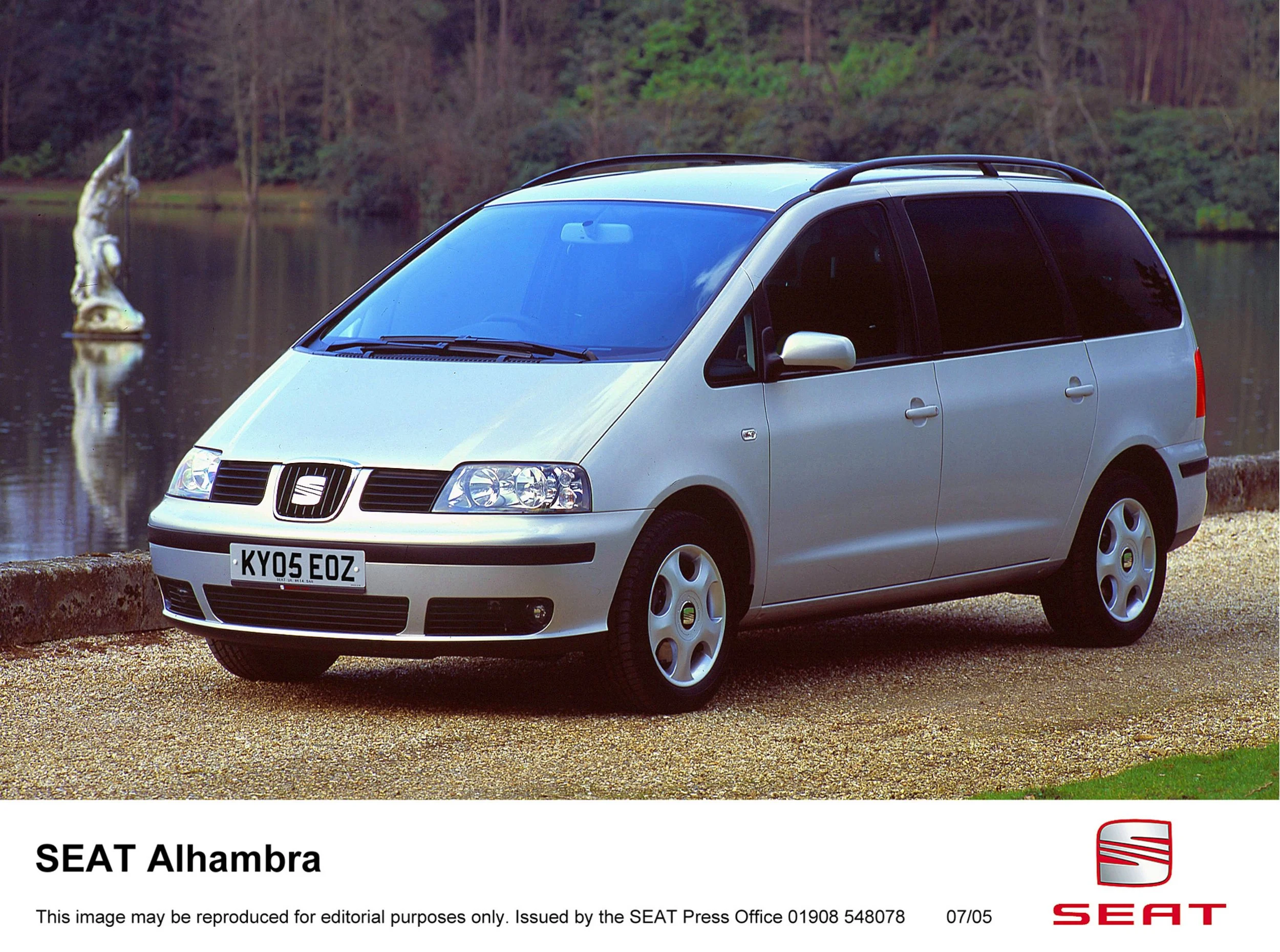
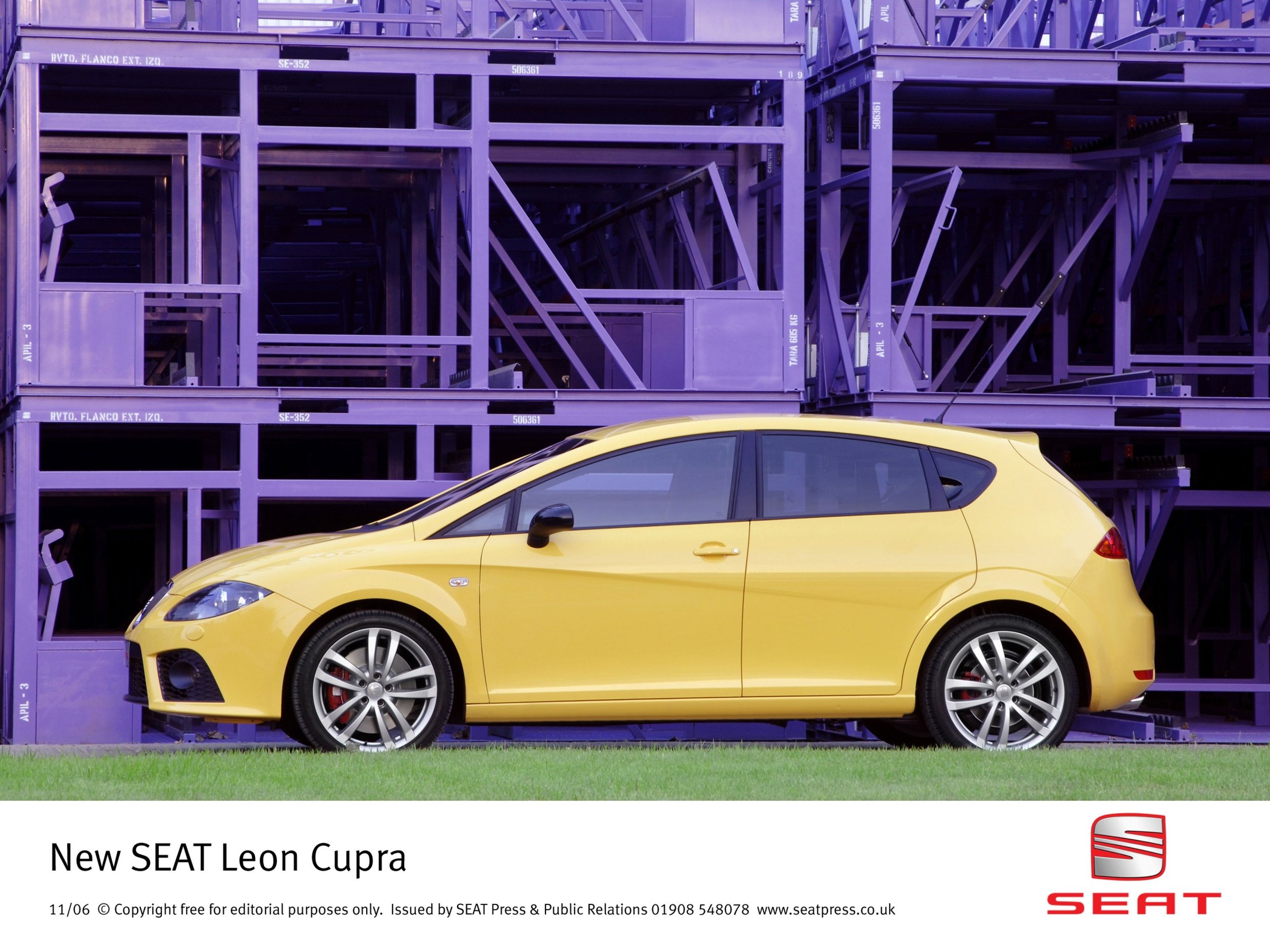
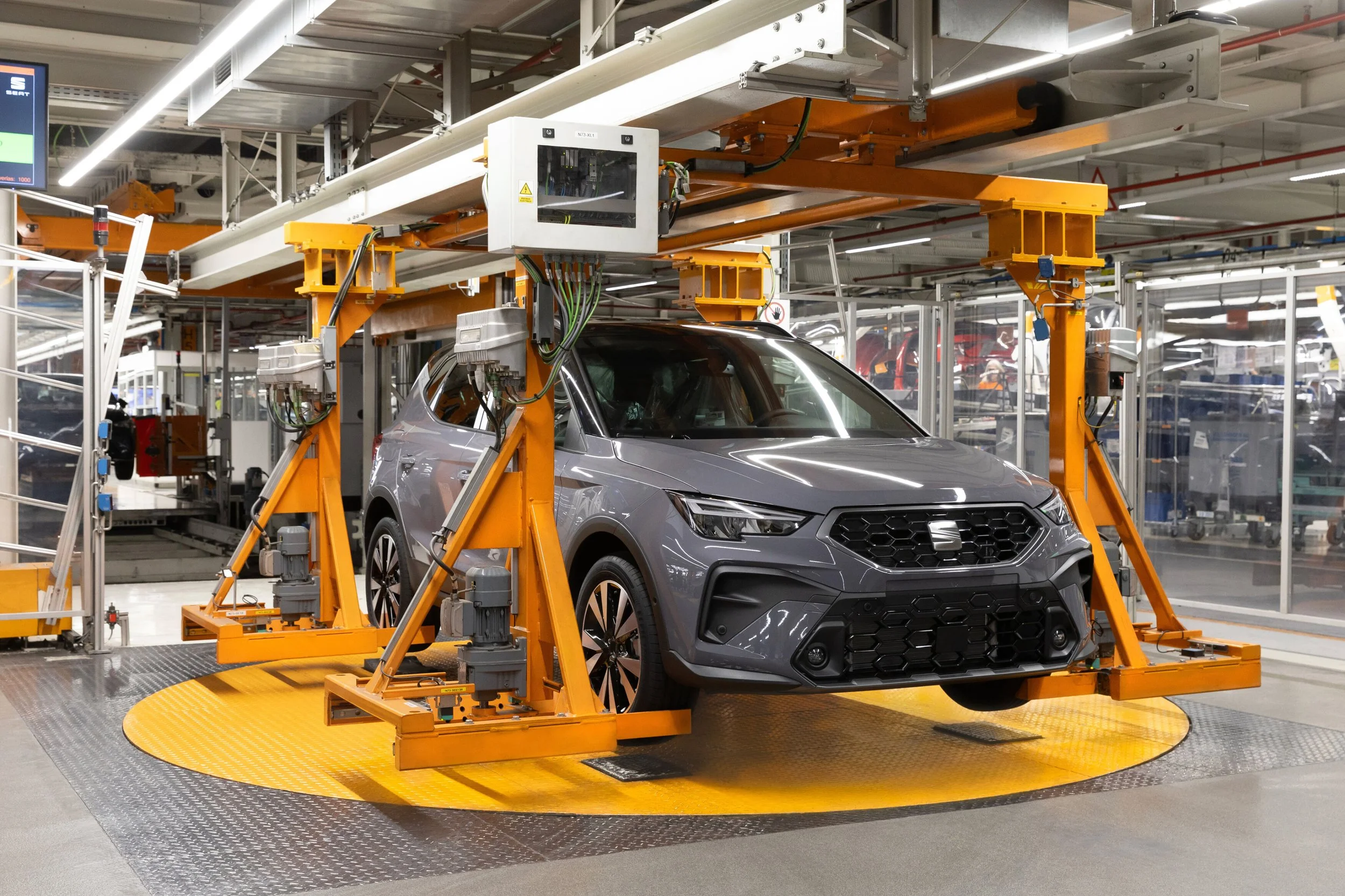
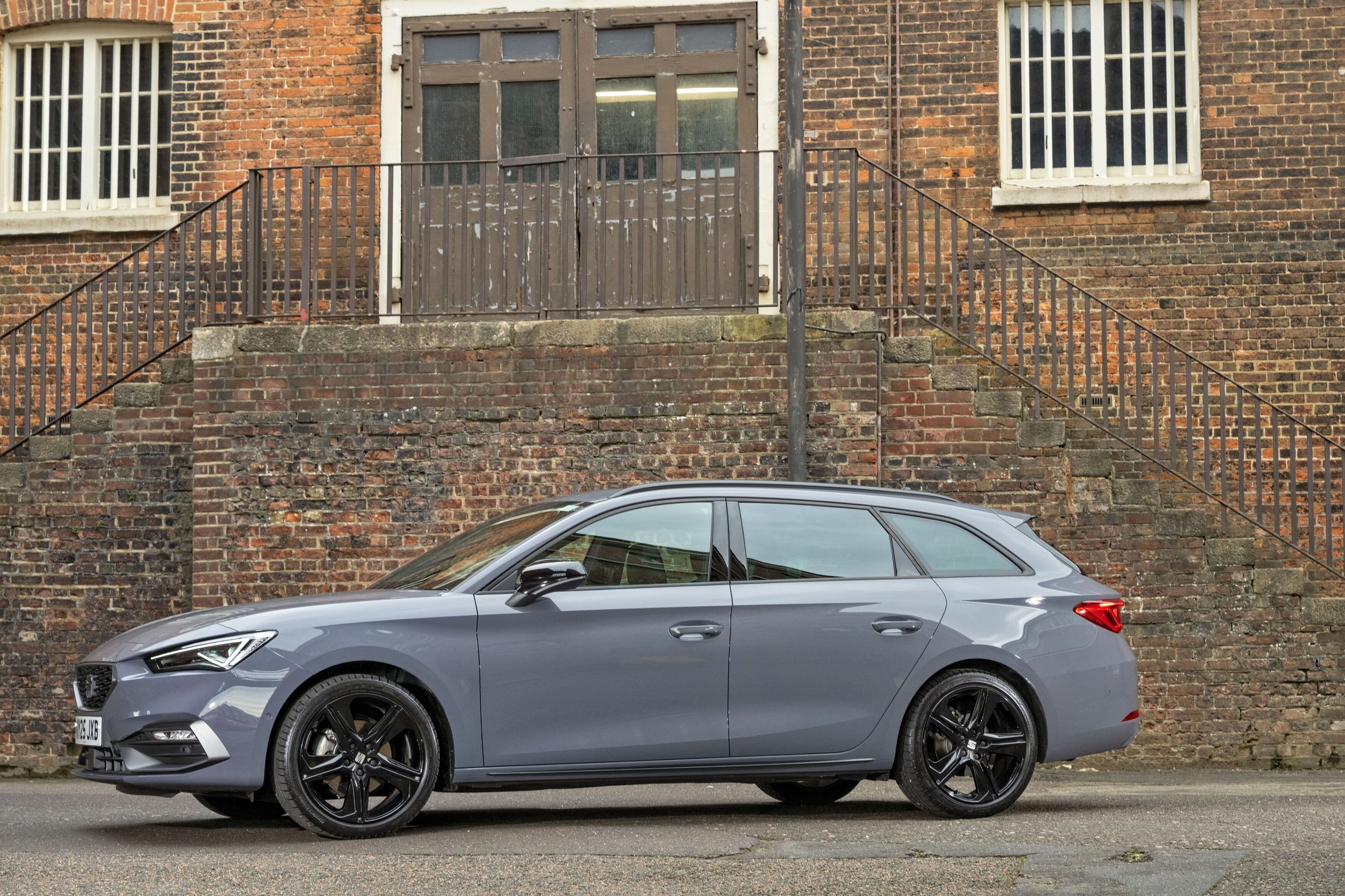
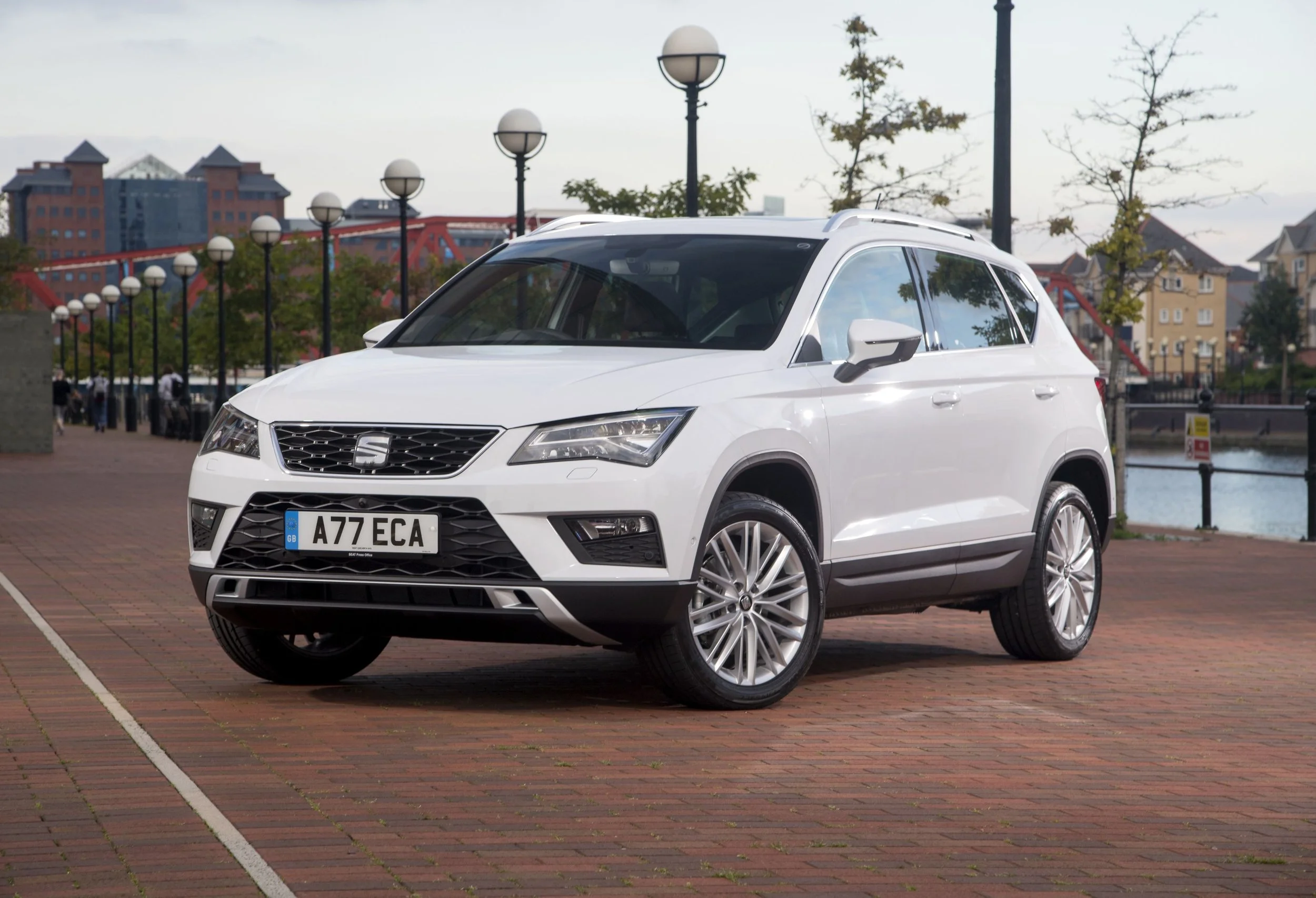
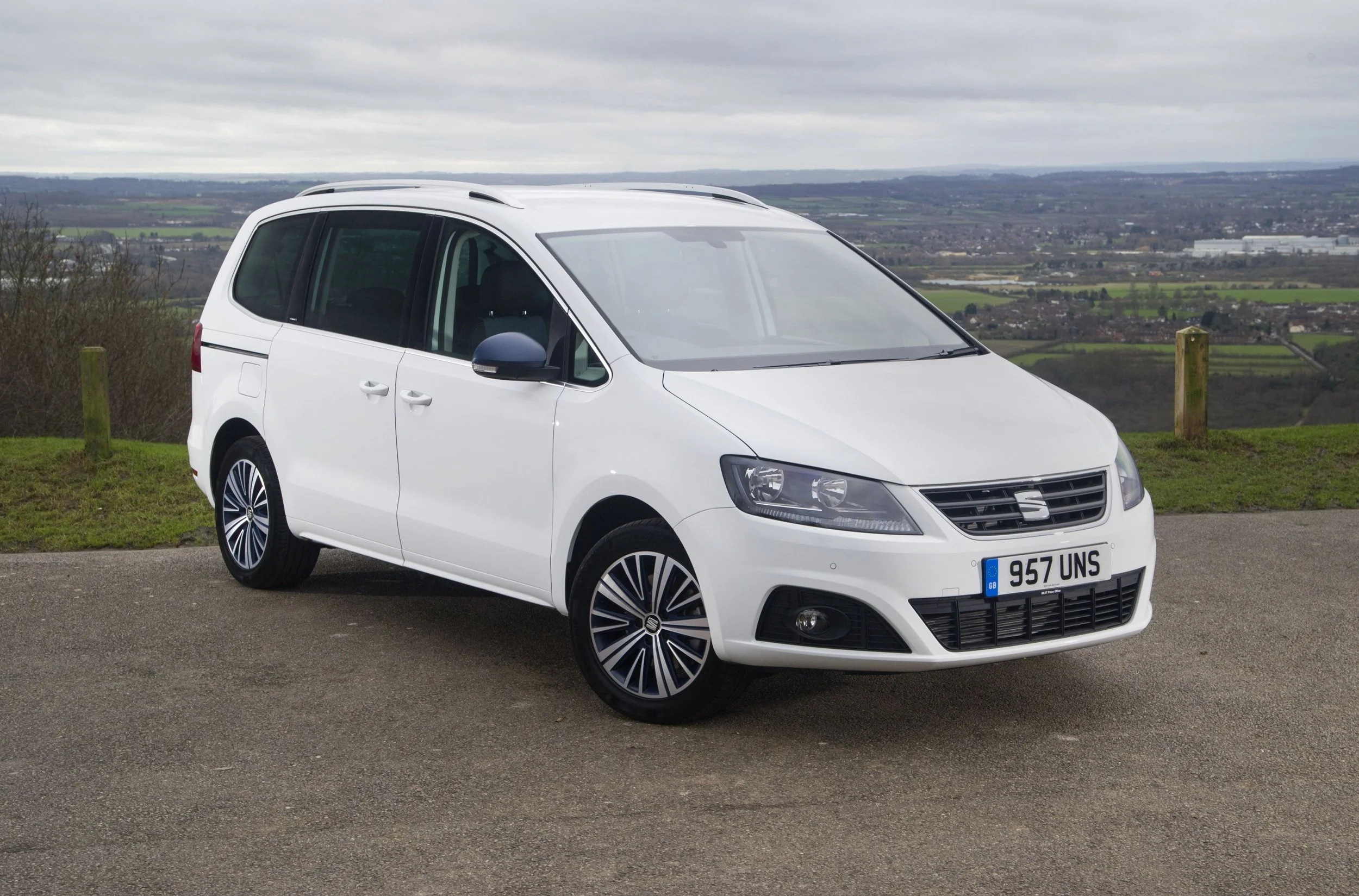
SEAT lacked the required strategy to push it into the new electrified era and, as its parent company looks to prioritise its investments and business models, SEAT S.A. could be wound down and discontinued altogether as one possible scenario.
For now, SEAT says it “will continue with the launches and product updates already planned, including the introduction of mild-hybrid versions of the Ibiza and Arona planned for 2027.”
It’s hard to place SEAT in the Volkswagen Group as standing apart from Skoda or Volkswagen, whereas CUPRA’s design language really emphasis it as VW’s sporty non-premium brand. SEAT just became too generic to continue indefinitely on the same path.
SEAT says that “Whatever scenario ultimately emerges … our dealer network will continue to stand behind SEAT customers and fulfil its commitments to them.”
Volkswagen Group hasn’t yet made a final decision about SEAT and it maintains that it is business as usual with several scenarios remaining possible beyond 2030. For now the SEAT brand remains under assessment.
Curiously, though, this might not be the end of SEAT S.A. as the company states that is “has a solid future transforming into an automotive powerhouse within the Volkswagen Group” … “ as SEAT S.A. expands its industrial responsibilities within the Group, we expect employment to increase in ahead.”
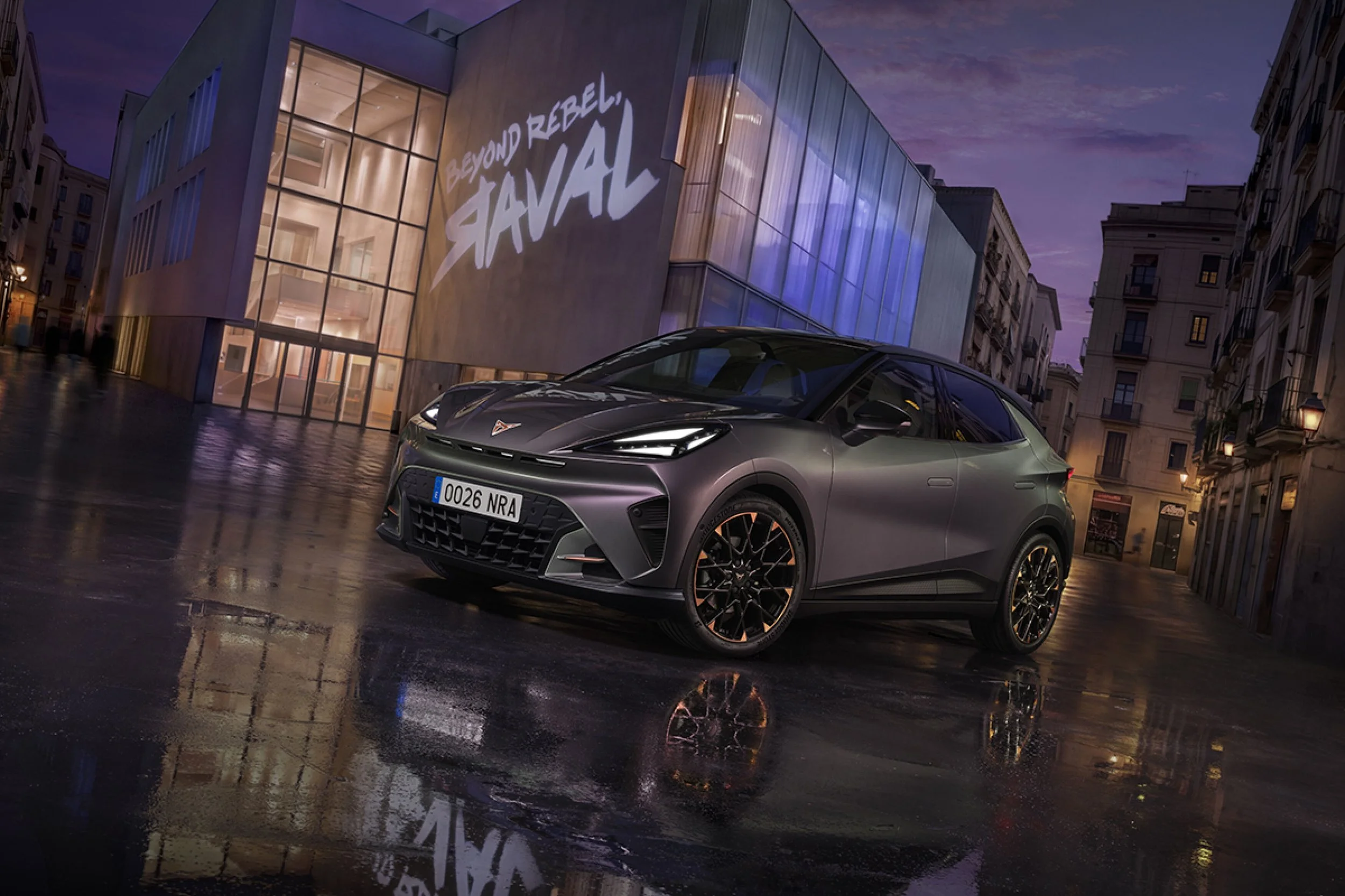
The all-new Cupra Raval electric car
Markus Haupt, CEO of SEAT & CUPRA, said: “SEAT S.A. is entering a new chapter from a position of strength. We are becoming an automotive powerhouse, with a growing industrial role within the Volkswagen Group and CUPRA reaching its full potential. This is a story of transformation, with CUPRA as a key driver of our future growth and profitability. At the same time, our industrial responsibilities are growing and, with them, employment. We are building a strong future for SEAT S.A. and for Martorell.”
Whilst the language has an element of vague, deliberate fluffery about it, there at least appears to be a strategy ahead for SEAT S.A., which might transform from being a manufacturer of its own brand, to being the key player behind Volkswagen Group’s new age industrialisation strategy, leading the development of the MEB21 platform and the production of the Electric Urban Car Family in Martorell. SEAT also has the ability to produce combustion, hybrid and fully electric vehicles at its factories, albeit without stating which brands those factories could produce vehicles for.
If I was to speculate, SEAT cars may not survive, but SEAT’s expertise and manufacturing processes may assist the Volkswagen Group, whilst SEAT S.A. becomes the research and development arm for the group with a true focus on innovation that’s lasered on delivering compelling products, training employees in new areas of the business and being the powerhouse behind the group.
In other words, the reset button may be laser focused on SEAT S.A., with the spotlight clearly on the Spanish brand, albeit it may sacrifice its cars to be able to focus on delivering great products throughout the entire group, whilst CUPRA becomes the new SEAT car brand. I live in hope, at least.
———
About the Author
Graeme Cobb is a lifelong car enthusiast with a passion for writing about cars, EVs, industry updates and more.
You can find Graeme on 𝕏 at @graeme_cobb