
2027 UK launch for Chery electric vans and trucks
Chery is preparing to enter the UK commercial vehicle market with a new range of electric vans and trucks, with its DELIVAN brand expected to launch in Britain and other European markets during 2027, as the Chinese manufacturer looks to establish a larger presence in Europe.
The company used the IAA Transportation 2026 show in Hannover to showcase its latest commercial vehicles, including the DELIVAN van range, C&C Trucks' new Phoenix electric heavy-duty trucks and an autonomous delivery vehicle called ROBOX.
Unlike a conventional vehicle launch, Chery's plans extend beyond the vehicles themselves. The company is developing an ecosystem covering charging, battery swapping, energy storage, fleet management and vehicle conversions.
Chery says it is also establishing operations in the UK and Germany, with European R&D and service capabilities and a network of local partners.
New DELIVAN electric vans
The DELIVAN range is likely to be the most relevant part of Chery's commercial vehicle plans for British buyers.
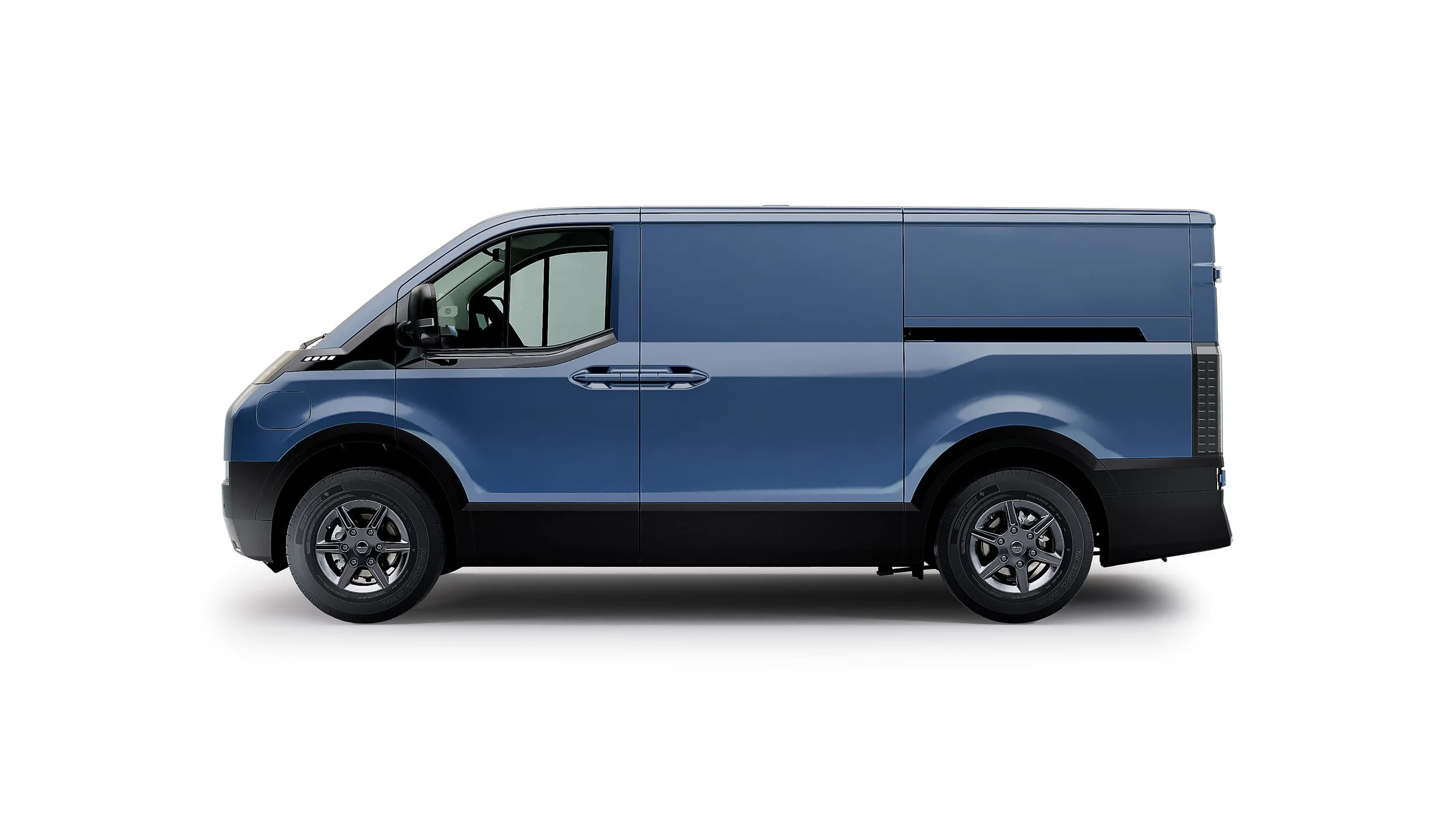
Two base vehicles were shown at Hannover, alongside four specialist conversion solutions. The range includes a short-wheelbase, low-roof model aimed at passenger transport and a medium-wheelbase, high-roof van designed for urban freight.
Chery also showed a medium-wheelbase high-roof concept and a chassis-cab vehicle intended to support applications such as parcel delivery, refrigerated transport and municipal work.
There are few technical details available at this stage. Chery has not yet confirmed UK prices, battery capacities, payloads or official driving ranges, so direct comparisons with established electric vans such as the Ford E-Transit, Mercedes eSprinter and Volkswagen ID. Buzz Cargo will have to wait.
The company is nevertheless taking a clear aim at fleet operators rather than simply private buyers. Its DELIVAN proposition includes connectivity and fleet-management software, remote diagnostics and servicing, while a separate division will work with specialist companies on vehicle conversions.
Kia has taken a similar approach with its PV7 announcement, with both manufacturers highlighting their attempts to reduce commercial vehicle downtime as a potential problem solver for businesses.
C&C Trucks targets longer-distance haulage
Alongside the vans, Chery is developing a much larger range of commercial vehicles through its C&C Trucks brand. Two new HGVs were unveiled at IAA Transportation: the Phoenix EV and Phoenix REEV.
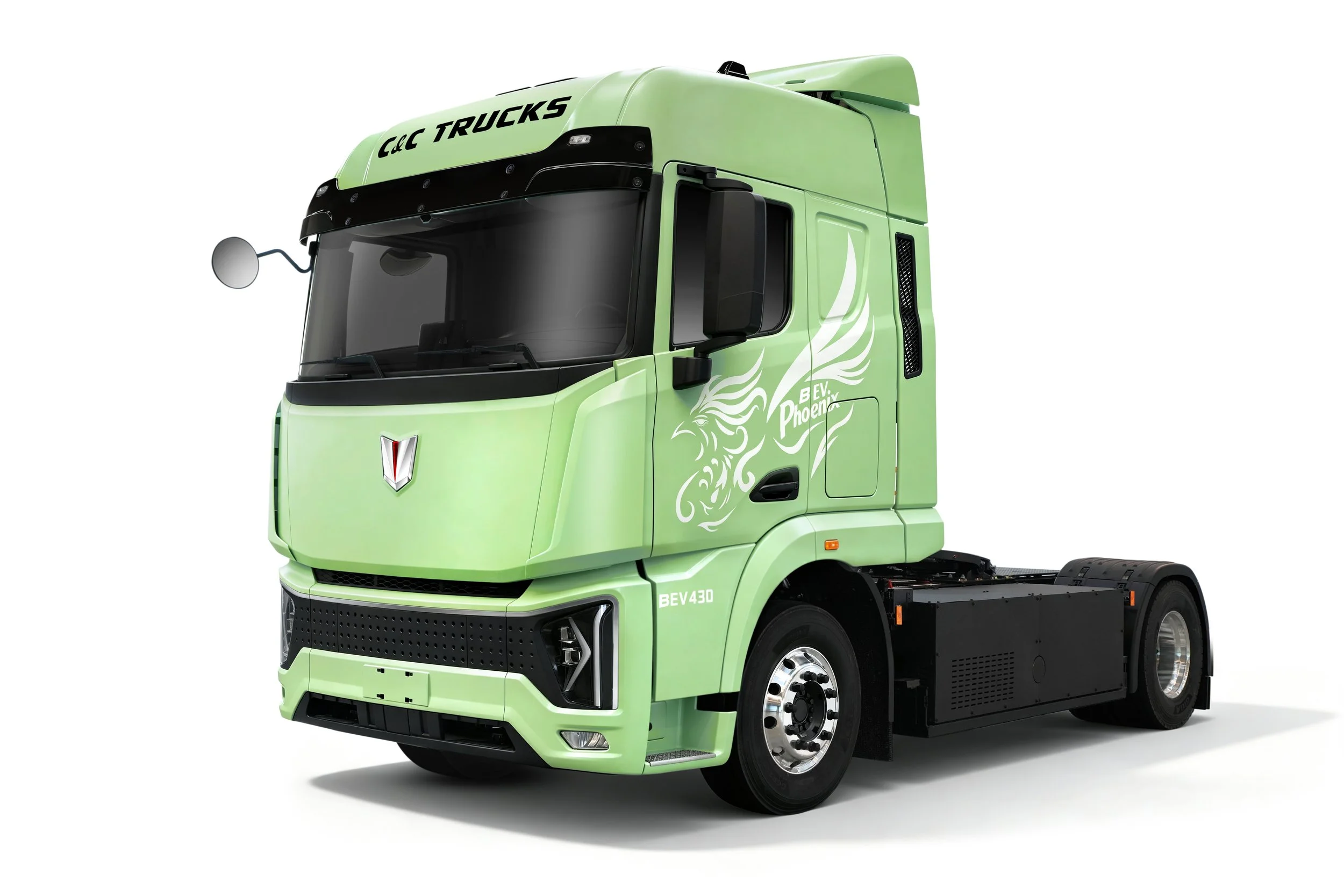
The Phoenix EV is a fully electric truck intended for high-intensity short- and medium-haul freight operations. One of its more notable features is rapid battery swapping, allowing a depleted battery to be exchanged rather than waiting for the truck to recharge conventionally.
Chery says the truck has been developed with factors such as climbing ability, energy consumption and operation in colder weather in mind.
The Phoenix REEV takes a different approach. It uses range-extender technology and is intended for medium- to long-distance cross-regional transport, particularly in areas where charging infrastructure is limited.
That makes the REEV potentially more relevant to international haulage than a conventional battery-electric truck, although Chery has not yet provided the detailed powertrain, battery, range or payload figures needed to assess how competitive it will be.
The company says the two trucks are designed around a mixture of rapid battery swapping and different methods of energy replenishment, with the aim of increasing vehicle availability for commercial operators.
Battery swapping rather than charging stations
Large electric trucks can require substantial charging infrastructure, which can be expensive and difficult to install at depots or along international routes. C&C Trucks has therefore been working with battery specialist Gotion High-Tech on a system combining battery swapping with conventional charging, solar generation and stationary energy storage.
The proposed system is modular and designed to be relocated without major civil engineering work.
For operators running fixed routes, this could offer an alternative to installing large permanent charging facilities. However, the success of the system will depend heavily on the availability of compatible battery-swap infrastructure and how widely Chery can establish it.
C&C Trucks has already completed its first customer vehicle handover for the Europe-Africa transport corridor at IAA Transportation, suggesting the technology is moving beyond the demonstration stage.
An autonomous van for deliveries
Chery is also developing the ROBOX, a small autonomous logistics vehicle designed for applications such as last-mile deliveries, factory-site logistics and refrigerated transport.
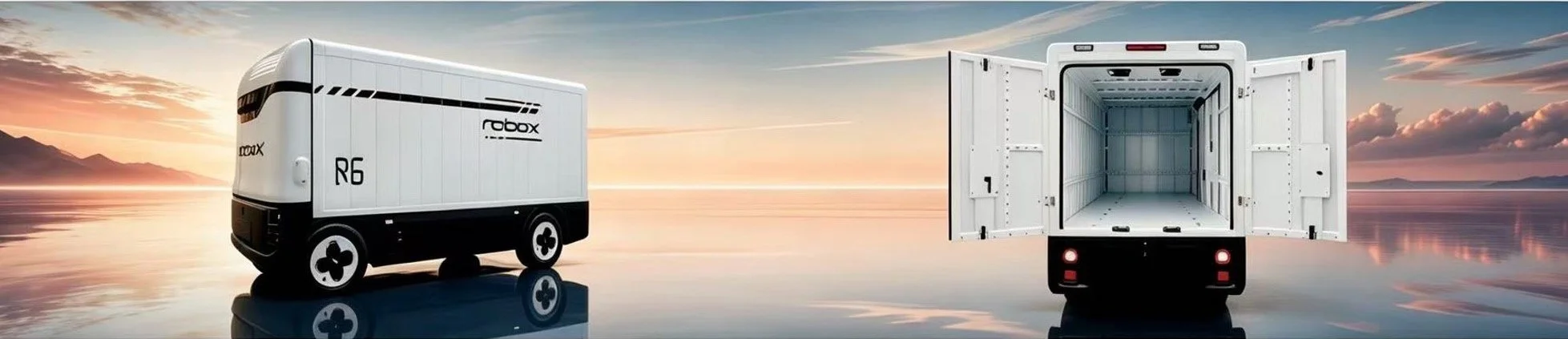
The ROBOX autonomous logistics vehicle is in development
The vehicle uses a drive-by-wire chassis and is being developed with Level 4 autonomous driving capability. Its sensor system combines LiDAR, millimetre-wave radar and cameras, while Chery says its electro-mechanical braking system has a response time of less than 100 milliseconds.
The technology is clearly more experimental than the DELIVAN vans, and there is no indication yet that ROBOX will be offered to UK operators in the same form.
Its inclusion at Hannover does, however, demonstrate the breadth of Chery's commercial vehicle ambitions, which extend from conventional vans through heavy-duty trucks to highly automated delivery vehicles.
Chery is also looking at the energy side
Another significant part of the company's strategy is the relationship between electric commercial vehicles and energy infrastructure.
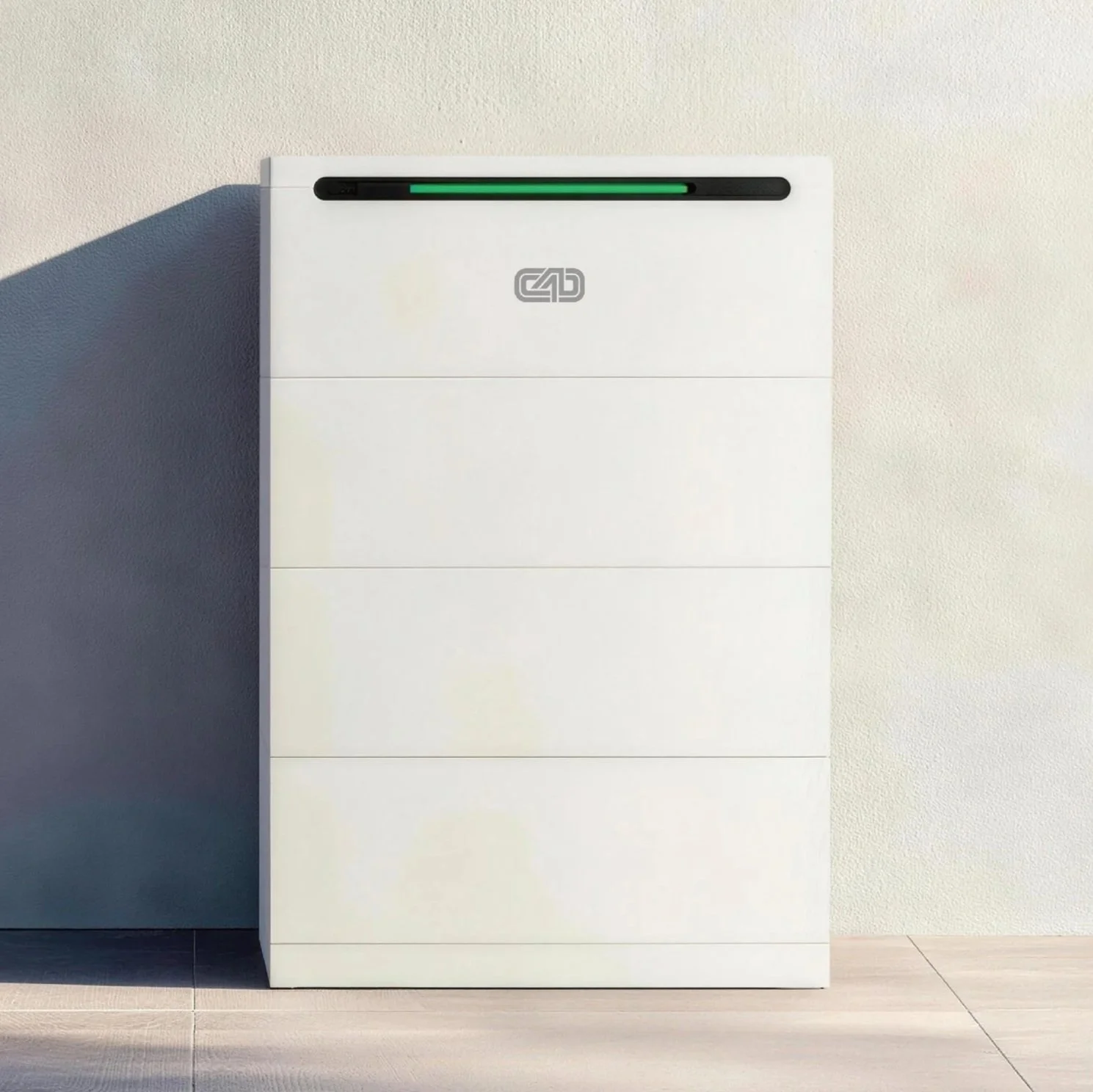
Chery's Energy division is demonstrating vehicle-to-grid (V2G) technology, stationary battery storage, depot energy networks and solar generation alongside its commercial vehicles.
The concept is that vehicles parked at a depot could potentially act as additional energy storage, while solar panels and stationary batteries could be used to reduce the amount of electricity drawn from the grid.
Chery says its system could also allow operators to take advantage of different electricity tariffs and, where permitted, feed surplus energy back into the grid.
Whether this delivers a meaningful financial benefit for UK fleets will depend on energy prices, tariffs, regulations and the eventual cost of Chery's equipment.
What does this mean for the UK?
Chery's arrival could add another significant competitor to Britain's increasingly crowded electric commercial vehicle market. The company already has experience establishing its passenger-car brands in the UK, but commercial vehicles present different challenges. Fleet operators tend to place considerable emphasis on reliability, payload, running costs, residual values, servicing and dealer support, as well as purchase price.
Chery appears to recognise this, with its European strategy involving local service operations, R&D and partnerships rather than relying entirely on vehicles imported from China.
The company has yet to reveal enough information to establish how competitive the DELIVAN vans or Phoenix trucks will be. In particular, UK pricing, payloads, battery capacities, charging times, ranges and warranty arrangements will be crucial.
Chery is attempting to offer the vehicles, charging infrastructure, energy storage and fleet-management systems as one package. Whether fleet operators actually want that approach will become clearer when the DELIVAN range reaches the UK in 2027.