
2026 Volkswagen T-Roc Review
The Volkswagen T-Roc has always occupied a sweet spot in the UK market - a compact SUV that blends hatchback sensibilities with just enough rugged appeal to satisfy shifting buyer tastes. Now in its second generation, Volkswagen hasn’t torn up the rulebook. Instead, it’s taken a car that already sold in its millions and applied a careful, considered evolution.
And, whisper it quietly, that’s exactly what most buyers will want.
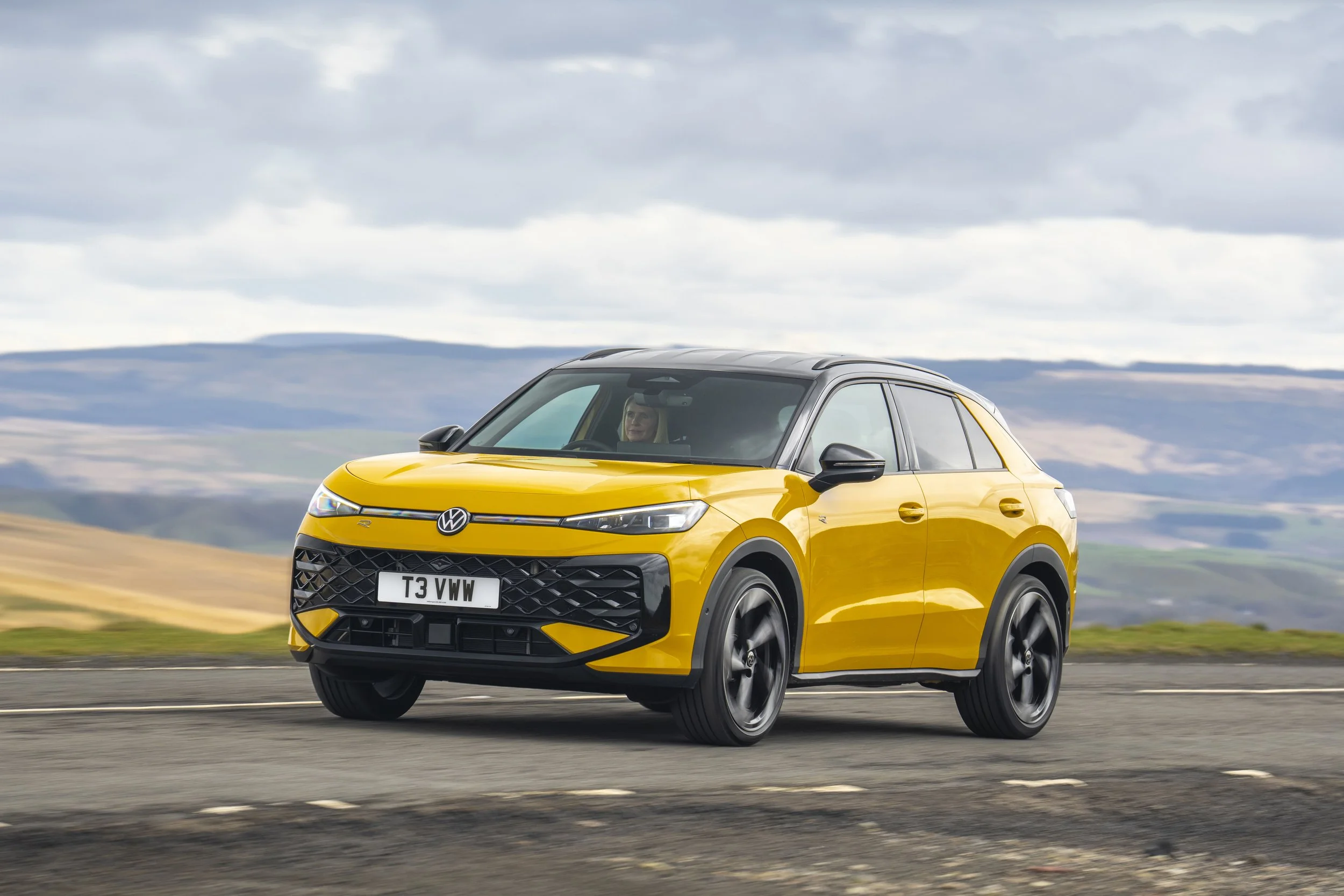
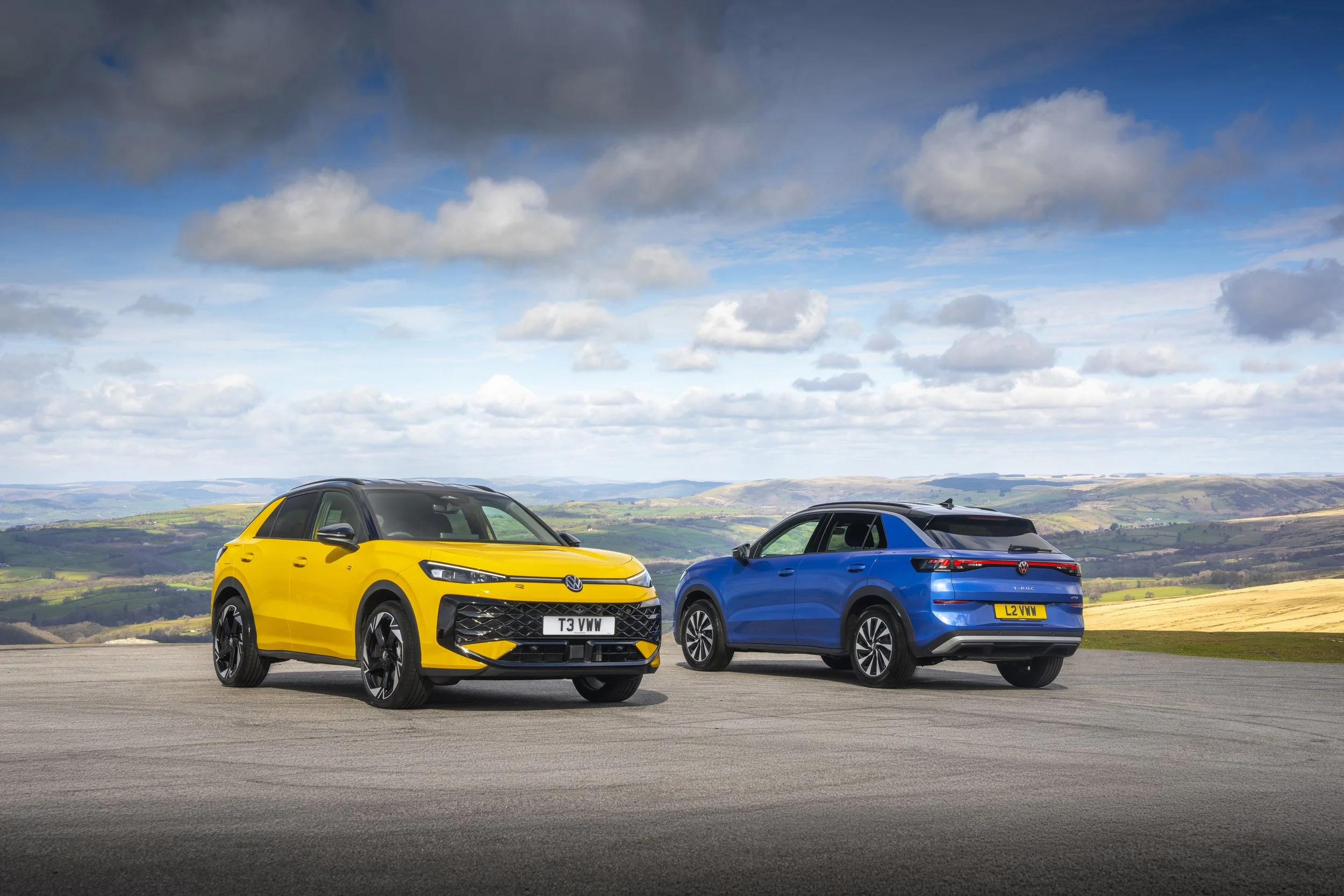
From the outside, the new T-Roc is instantly recognisable, but noticeably sharper. There’s a cleaner, more modern front end, now featuring a full-width light bar that visually widens the car, while higher-spec models can be equipped with Volkswagen’s impressive IQ.Light matrix LED headlights. Around the back, a similarly bold light signature - complete with illuminated VW badge - gives the T-Roc a more premium, almost concept-car-like finish at night. It’s not revolutionary, but it is cohesive, contemporary and unmistakably Volkswagen.
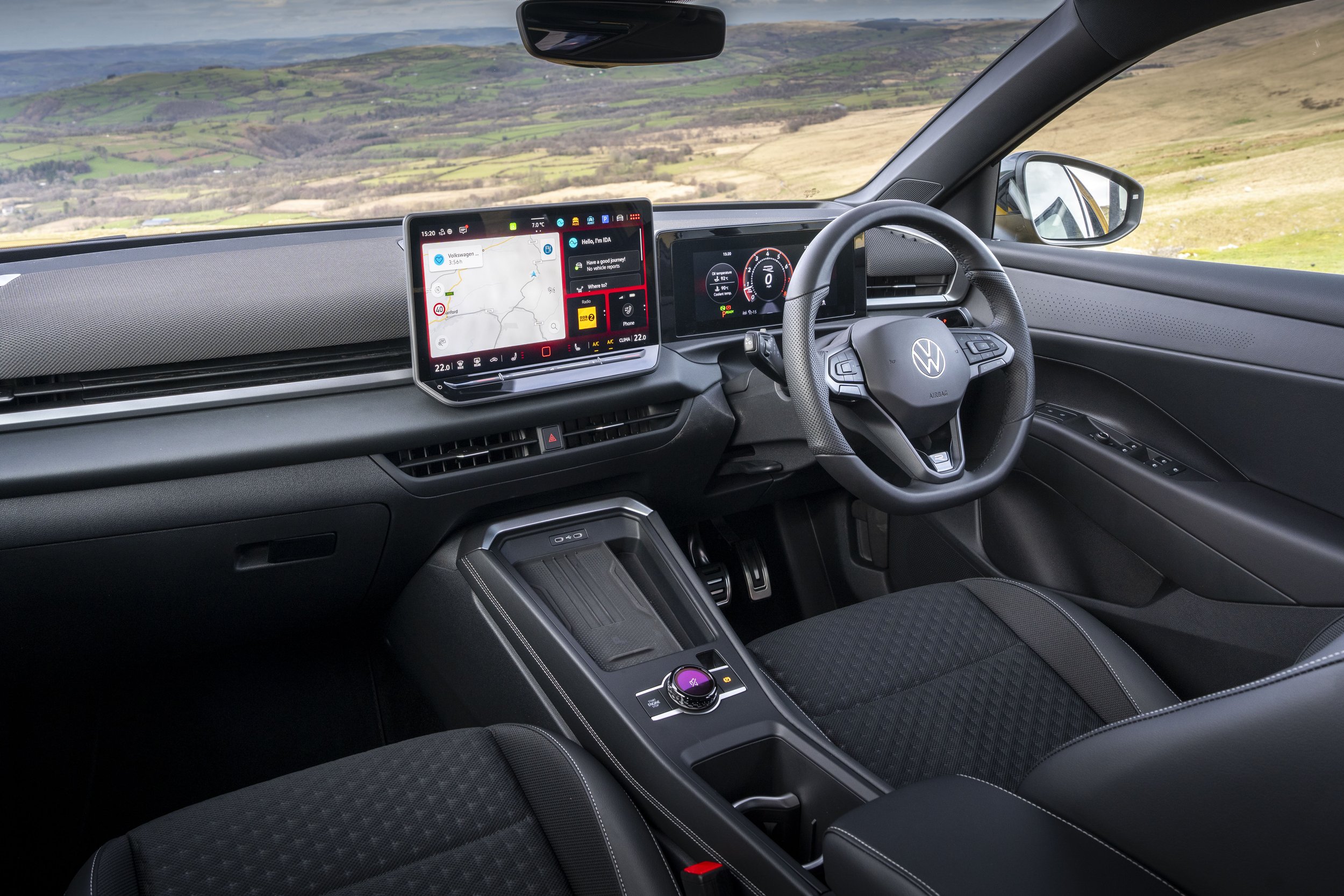
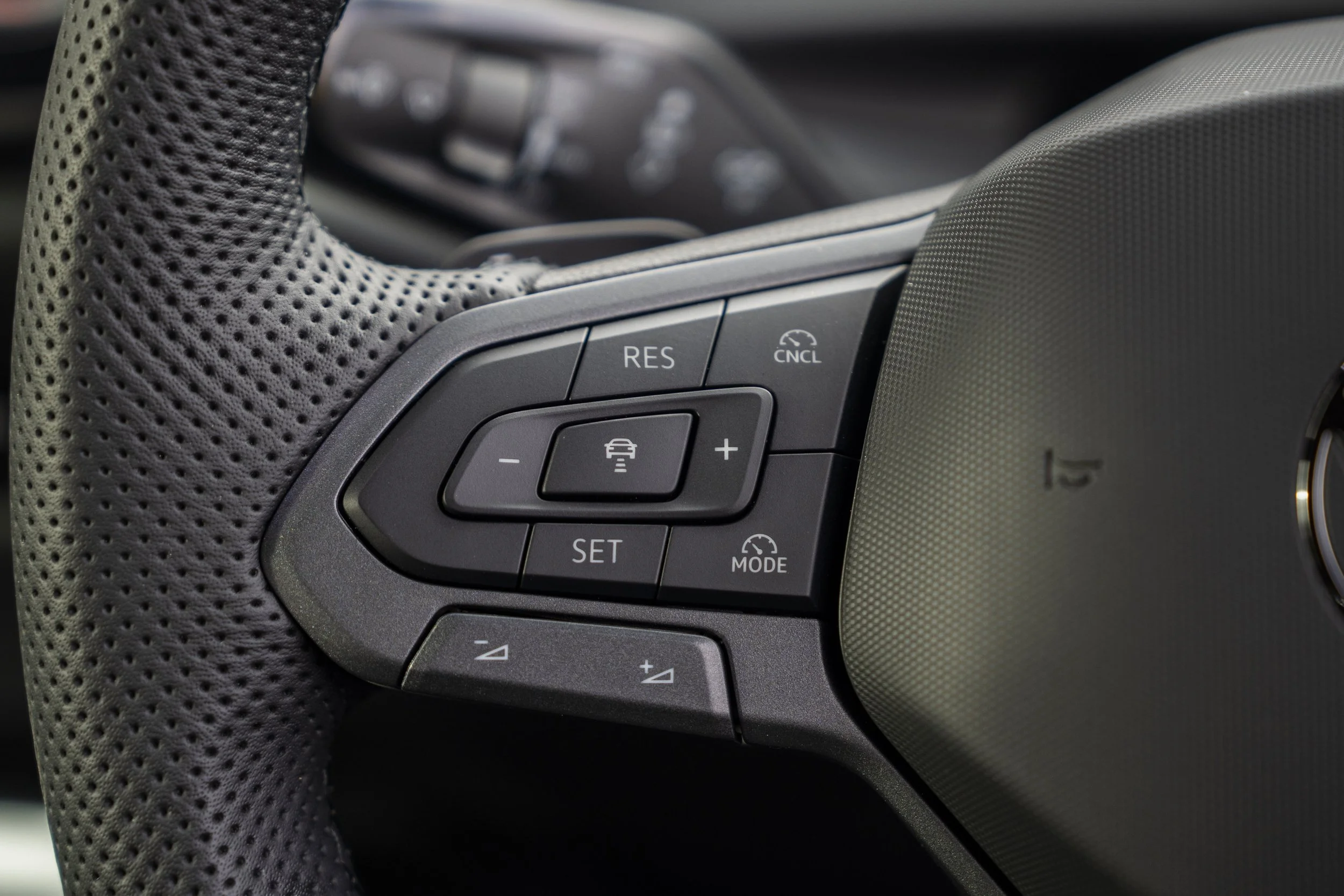
Step inside, and the improvements are more meaningful. If recent Volkswagens occasionally felt like they’d sacrificed usability at the altar of minimalism, the T-Roc marks a welcome course correction, albeit they could have gone farther with the aesthetics. Physical buttons have returned to the steering wheel — a move that will delight anyone who struggled with the brand’s previous haptic controls - and the overall layout is refreshingly intuitive.
Dominating the dashboard is a 12.9-inch infotainment display, paired with a 10-inch Digital Cockpit. The system is slick, responsive and built around a smartphone-style interface that most drivers will adapt to quickly. Crucially, it’s not just about screen size - the clarity and contrast of the display make it genuinely easy to read on the move, even in bright conditions. Apple CarPlay and Android Auto are, of course, standard, but the native system is good enough that you may not feel compelled to bypass it.
Material quality has also taken a slight step forward. While there are still some harder plastics lower down, the areas you interact with most feel solid and thoughtfully finished; it does feel that more attention could have been paid to “percieved value” on the interior front - things are still very conservative but small touches like felt-lined door bins to stop items rattling - show a renewed focus on everyday usability rather than showroom gimmicks.
Space remains one of the T-Roc’s strong suits. It sits neatly between the Taigo and Tiguan in Volkswagen’s SUV line-up, and that positioning works well in practice. Boot space stands at a healthy 475 litres, with a practical square shape and useful underfloor storage. The 40:20:40 split rear bench adds flexibility, making it easy to carry longer items without sacrificing passenger space.
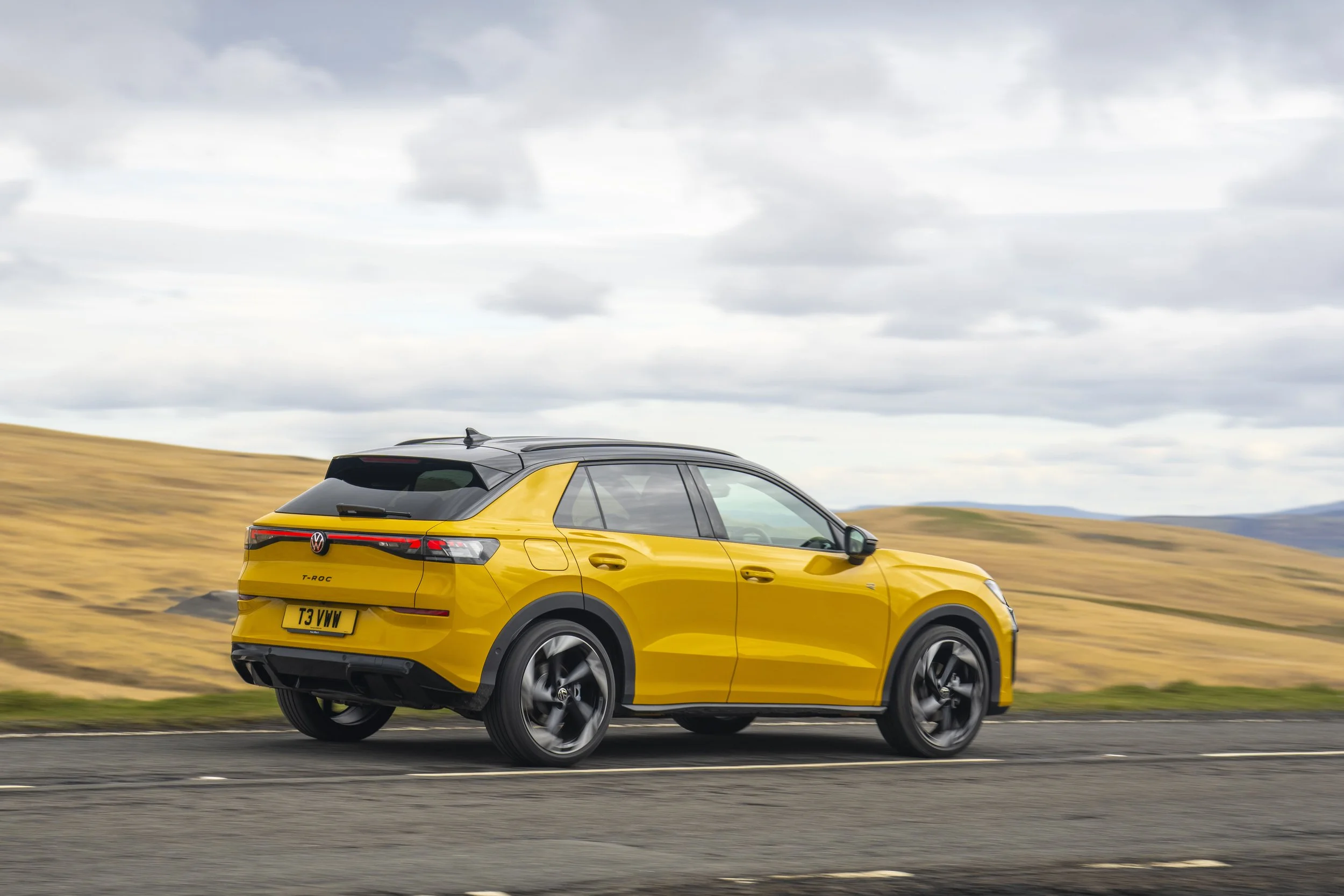
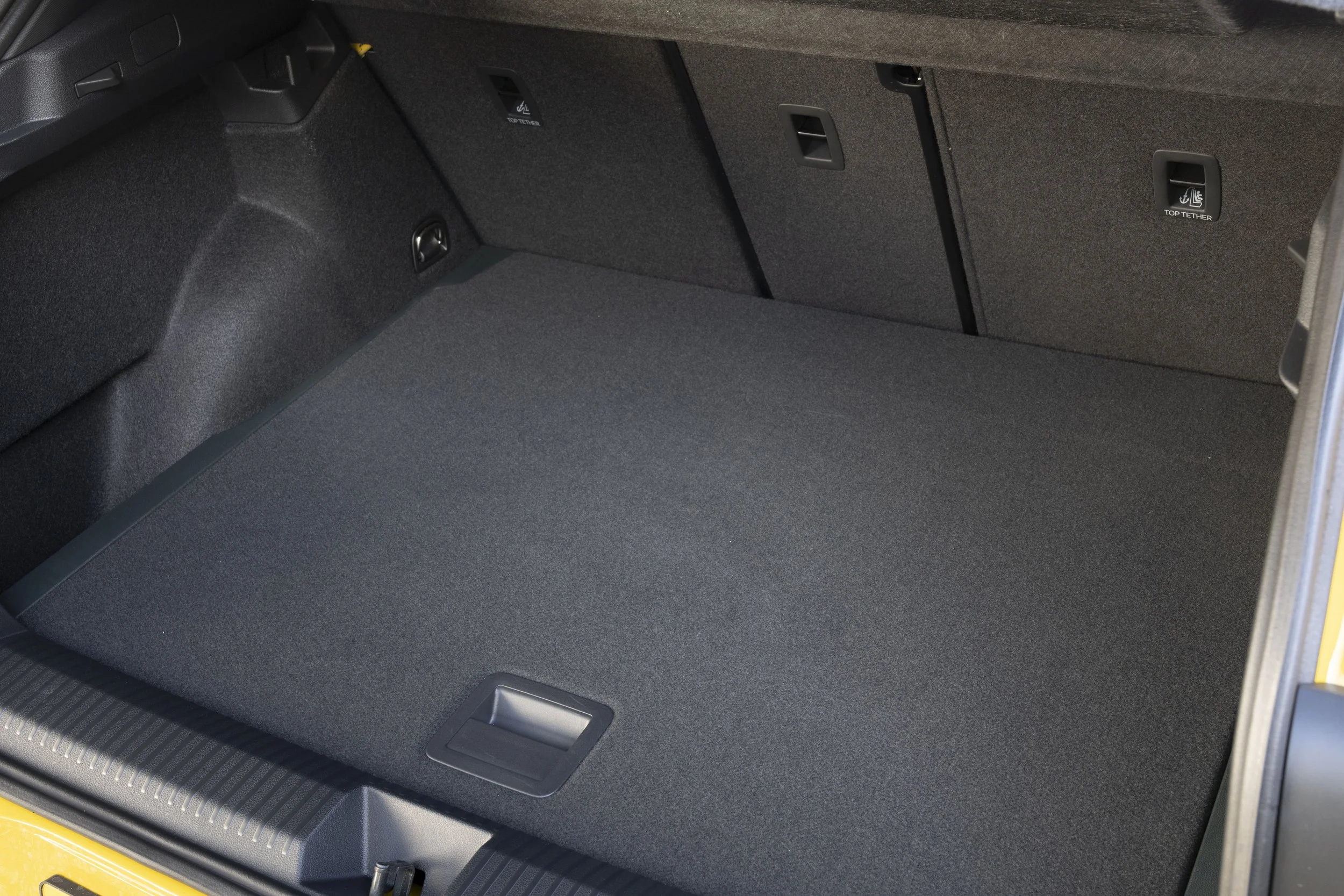
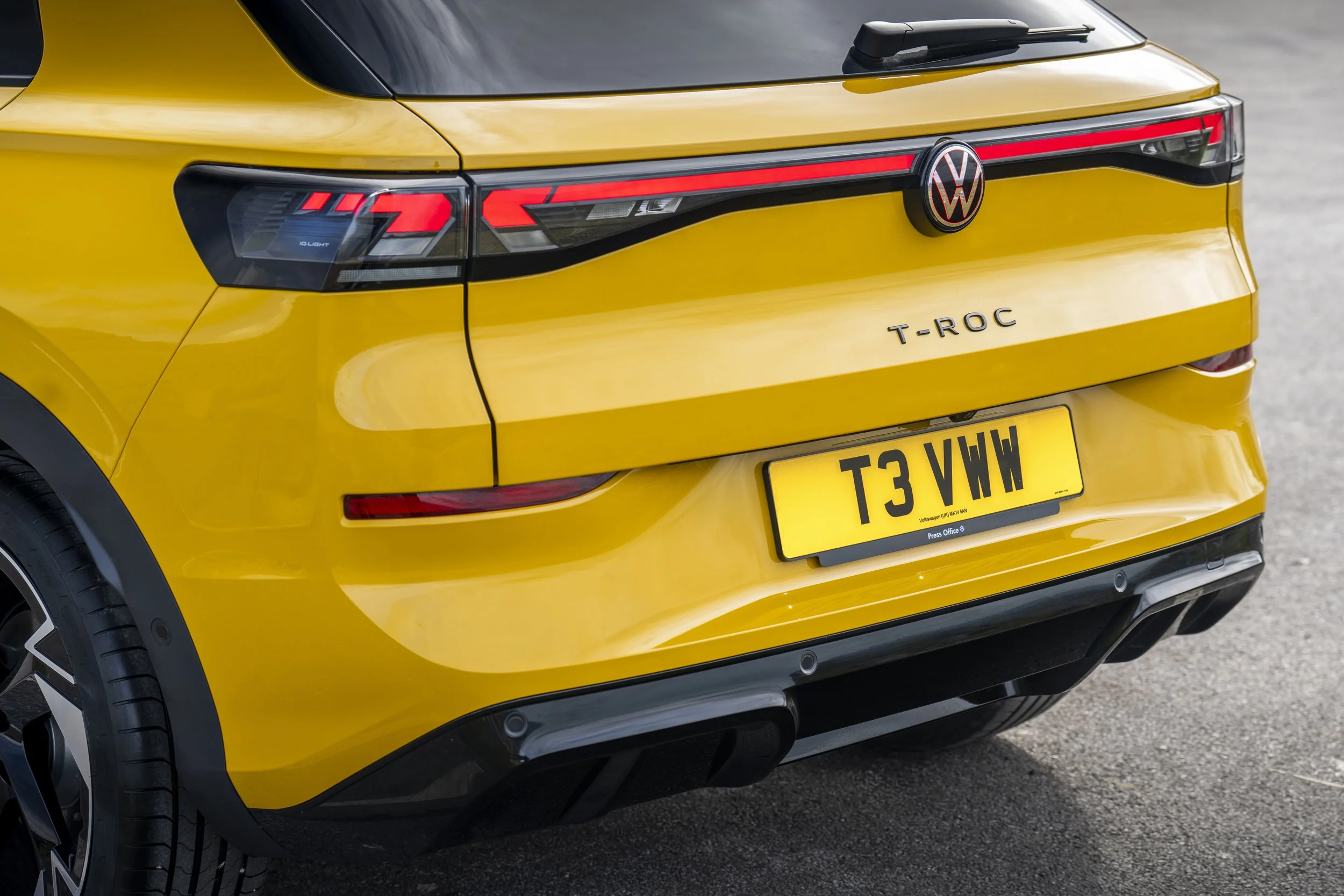
Rear seat room is adequate rather than generous. Two adults will be perfectly comfortable, with decent headroom and good foot space thanks to a sensibly packaged floor. A third passenger is possible, but the central hump means it’s best reserved for shorter journeys.
On the road, the T-Roc continues to play to Volkswagen’s traditional strengths. The 1.5-litre eTSI mild-hybrid petrol engine, paired with a seven-speed DSG automatic gearbox, is a familiar but highly effective combination. With around 150PS on tap, 0–62mph comes up in roughly 8.9 seconds, while fuel economy of around 50mpg is achievable in mixed driving.
More importantly, it feels well-suited to the car’s character. It’s smooth, responsive, and just engaging enough to keep keen drivers interested. The DSG gearbox shifts cleanly and unobtrusively, while paddle shifters offer a touch more involvement if you want it.
The chassis strikes an equally pleasing balance. The steering is light but direct, body control is tidy, and there’s enough composure through corners to remind you that Volkswagen still understands how to make a car feel cohesive. It’s not a hot hatch in disguise, but it is more enjoyable than many rivals in this class.
At the same time, it remains entirely comfortable and easy to live with. Around town and on longer motorway runs, it settles into a relaxed, refined rhythm that suits everyday driving perfectly.
There is, however, a caveat - and it’s a familiar one. Price.
Entry-level models start at around £31,500, which feels competitive on the surface. But as you move up the range — particularly into R-Line trim with options — the T-Roc can quickly edge past £40,000. At that point, it finds itself competing with increasingly sophisticated alternatives, including larger SUVs and even entry-level premium models. Check out the latest lease prices on the T-Roc over at Leasing.com
Still, value isn’t purely about headline price. The T-Roc offers a well-rounded package: strong efficiency, solid practicality, intuitive technology and a driving experience that’s just engaging enough to stand out.
Summary
Ultimately, this is a car that knows exactly what it is. Volkswagen hasn’t tried to reinvent the compact SUV — it’s simply refined one of the class’s most successful formulas. The result is a car that feels more polished, more usable and more complete than before.
It may not be the most exciting choice on paper, but spend some time with it and the appeal becomes clear. The new T-Roc is an easy car to recommend — not because it dazzles in one particular area, but because it does everything well. And in this segment, that might just be the smartest move of all.
PROS
✓ Strong balance of comfort and driving enjoyment for the class
✓ Improved interior usability with proper physical controls
✓ Efficient and smooth 1.5 eTSI engine with DSG gearbox
CONS
✗ Prices climb steeply with higher trims and options
✗ Rear space only really suited to two adults
✗ Some lower cabin materials still feel a touch basic from a premium marque