
100k UK sales in 2 Years : The OMODA JAECOO Story
When OMODA arrived in the UK in August 2024, followed by JAECOO just a few months later, there was no guarantee that British motorists would embrace two unfamiliar Chinese brands. Yet, less than two years on, OMODA and JAECOO have collectively passed 100,000 UK sales, with their combined market share approaching 5.7 per cent. For brands that were virtually unknown to British car buyers just two years ago, that is a remarkable achievement and a clear indication of just how quickly the UK market is changing.
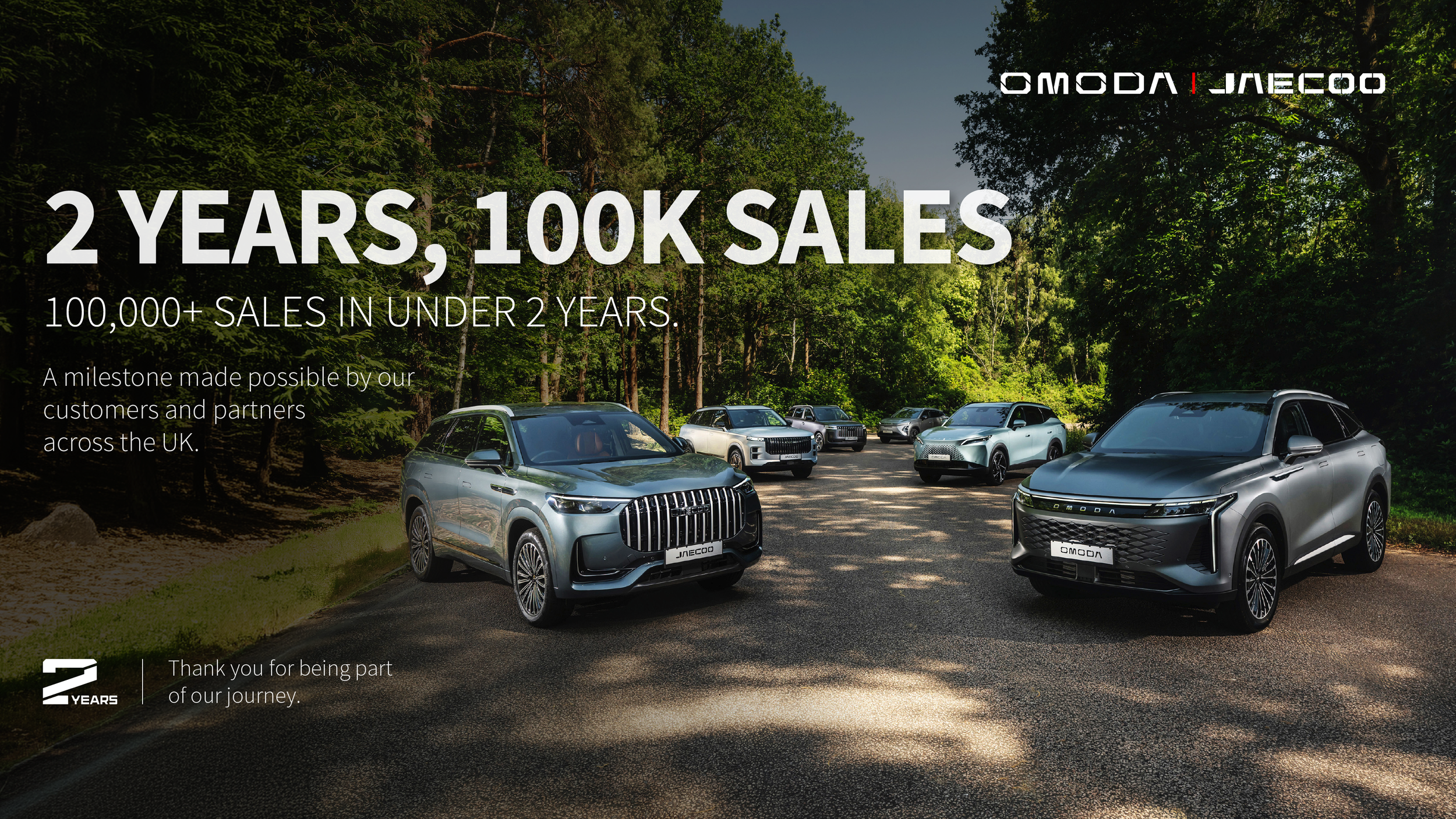
The figures are particularly interesting because this isn't simply about aggressive fleet sales or heavily discounted cars finding their way into rental fleets. The JAECOO 7 has been one of the UK's 10 best-selling cars since September 2025, with more than 53,000 examples registered since going on sale in February last year. Around 66 per cent of those registrations have been retail sales, while 75 per cent of buyers have chosen the flagship SHS-P plug-in hybrid. The OMODA 5 has also performed strongly, passing 36,500 sales, with 71 per cent of those registrations going to retail customers. In other words, these aren't just cars that companies are buying because big discounts are being offered to the likes of Hertz and Enterprise; a significant proportion are being chosen by ordinary British motorists.Those numbers make a comparison with MG particularly relevant.
MG has already demonstrated that a Chinese-owned automotive business can move from relative obscurity to becoming a familiar presence on British roads. Its success was built around competitive pricing, generous equipment, lengthy warranties and a growing dealer network, backed by a willingness to offer the cars British buyers actually wanted.
OMODA and JAECOO have clearly taken note, although their positioning is arguably a little more ambitious. Rather than simply attempting to undercut established manufacturers, the two brands have increasingly presented themselves as technology-rich, well-equipped alternatives to mainstream and, in some cases, premium SUVs.
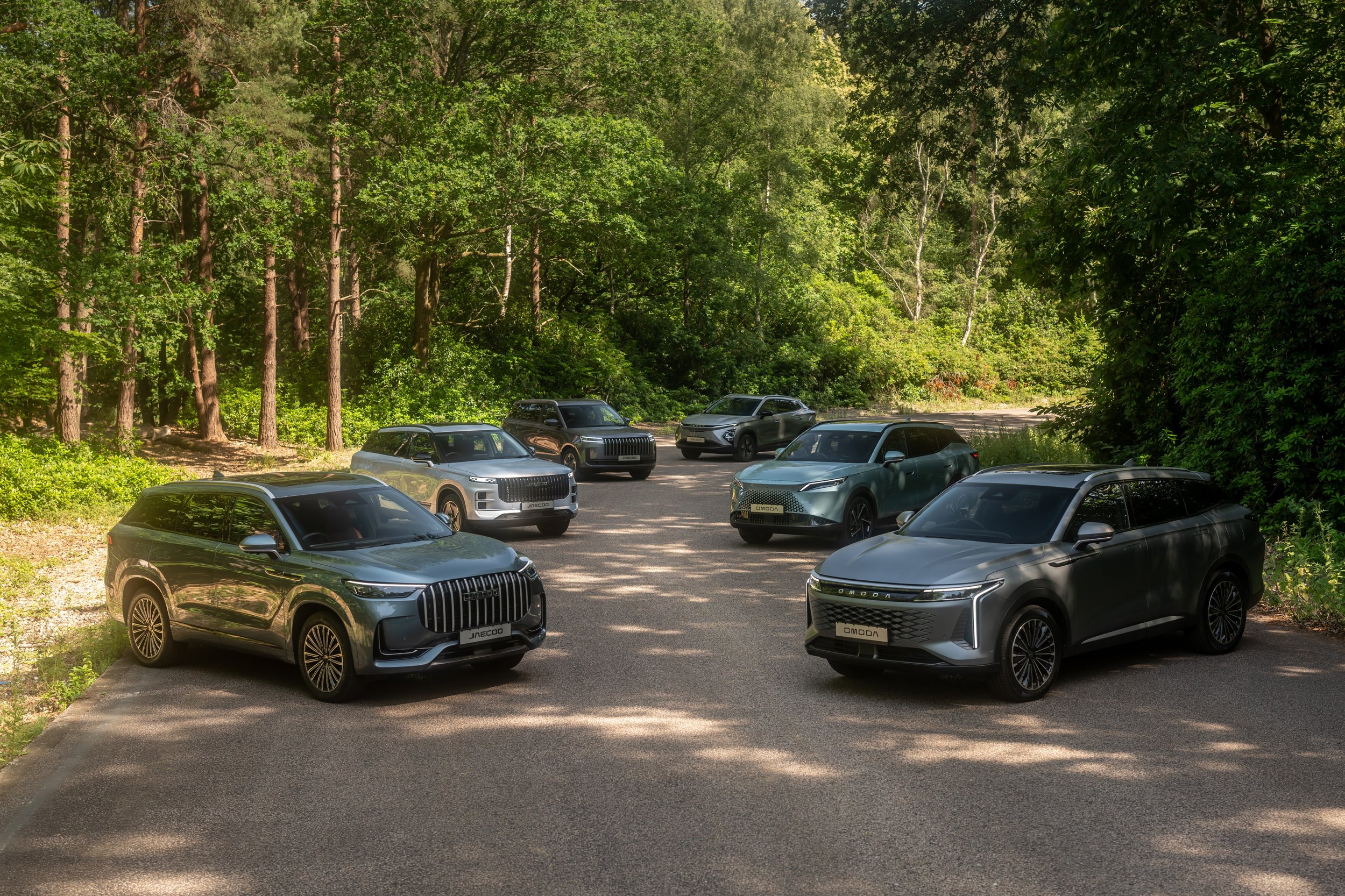
The speed at which the range has expanded has also been important. What began with the OMODA 5 and JAECOO 7 has developed into a much broader line-up, with the OMODA 5, OMODA 7 and OMODA 9 joined by the JAECOO 5, JAECOO 7 and JAECOO 8. Between them, the brands now offer petrol, hybrid, plug-in hybrid and fully electric powertrains, giving them the ability to target a much wider section of the market.
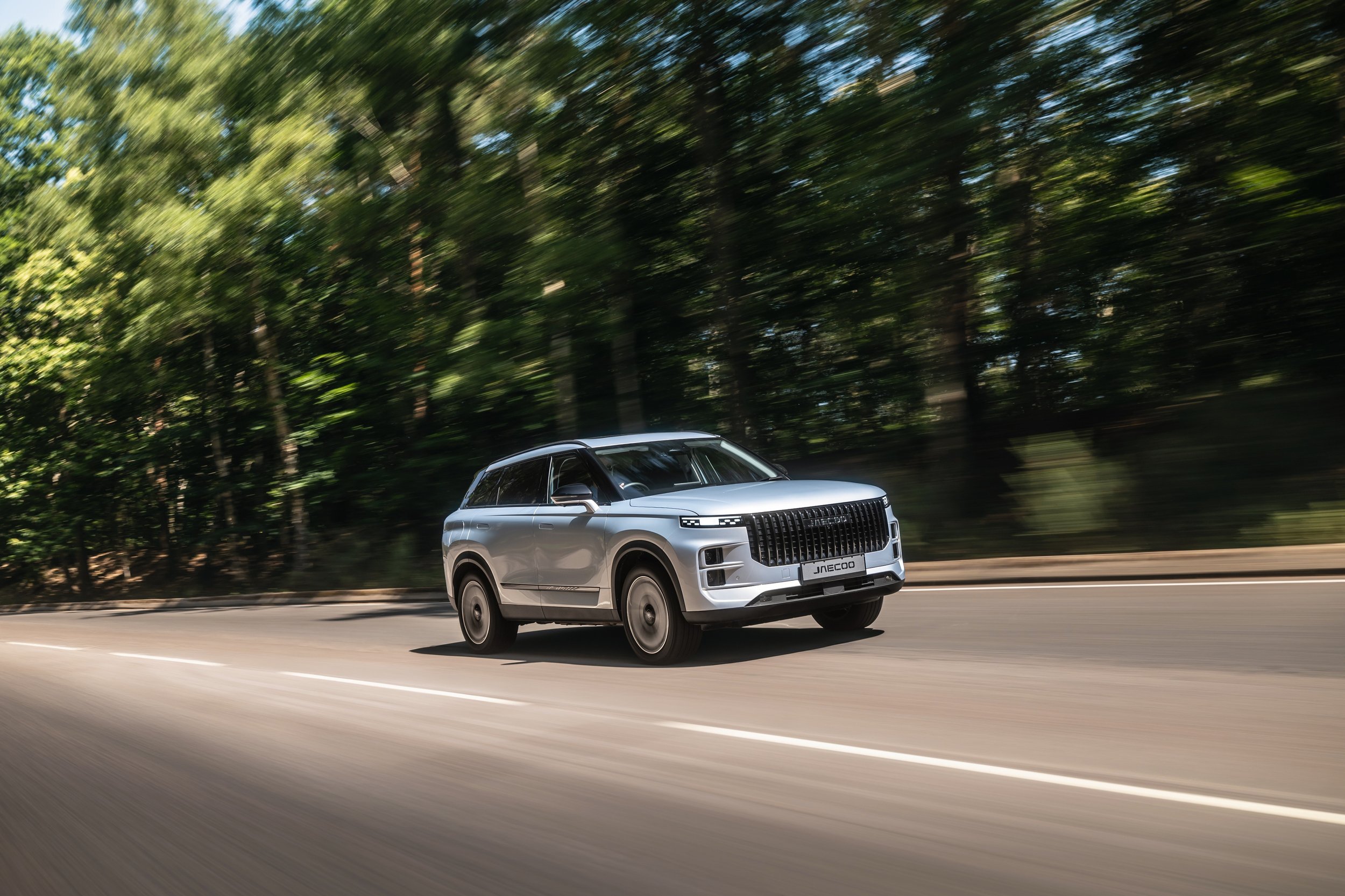
Sales of the JAECOO 7 have been nothing short of miraculous
Perhaps the most impressive part of the OMODA and JAECOO story, however, is the speed with which the businesses have built their physical presence in Britain. The brands now have more than 144 retailers across the country, alongside investment in parts, logistics, aftersales and roadside assistance. That may sound like fairly mundane infrastructure compared with a new car launch, but it is arguably much more important in determining whether a new manufacturer succeeds. A customer might be attracted to a heavily equipped SUV with a competitive price, but they need to know that somebody will still be able to service it, repair it and source parts for it several years down the line. Lot’s of these questions will only get worthwhile answers some time from now, but local dealerships do seem to give potential customers added confidence.
The UK remains a difficult market for new brands because buying a car is about considerably more than the specification sheet. Established manufacturers have decades of accumulated consumer trust behind them. British buyers know what a Volkswagen, BMW, Toyota, Kia or Ford represents; they know where their nearest dealer is and they have a reasonable idea of what their car will be worth when it is time to sell it.
“People are increasingly judging cars on what they actually offer, rather than simply how long the badge has been in the market.”
— Gary Lan, UK CEO, OMODA & JAECOO
The next stage of the OMODA and JAECOO story could be more significant than the first 100,000 sales. Getting the first wave of customers through the door is one thing; turning those customers into repeat buyers and advocates is another. The brands now need to prove that the ownership experience matches the promise made in the showroom, that residual values remain healthy, that their retailers provide the level of service British motorists expect and that the investment in the UK continues long after the initial excitement surrounding the brands has faded.
If OMODA and JAECOO can turn their spectacular first two years into a sustained ownership success story, their 100,000-sales milestone could eventually look less like a remarkable beginning and more like the point at which their UK story really started.