
Volvo V60 Review (2026): The Estate Car Isn’t Dead Yet
There’s something quietly refreshing about the Volvo V60. In a market dominated by SUVs, it doesn’t try to follow the trend or reinvent itself into something it isn’t. Instead, it sticks to a formula that, for many drivers, still makes far more sense — a well-built, comfortable, and genuinely usable estate car. And that’s exactly what makes it interesting, because while most buyers default to SUVs without really questioning why, the V60 offers a compelling alternative. It delivers the same everyday usability, but with better efficiency, a lower centre of gravity, and a driving experience that feels more natural on the road.
In the UK, the Volvo V60 sits firmly in the premium estate bracket, with prices typically starting from around £45,000 for entry-level mild hybrid models and rising to just under £60,000 for range-topping plug-in hybrids . That puts it directly in line with rivals like the BMW 3 Series Touring and Audi A4 Avant, but the key difference is how you’re likely to run it. Cars like this are rarely bought outright — they’re leased — and that’s where the V60 starts to make a lot more sense financially. If you’re considering one, it’s worth seeing what’s actually available in the real world rather than just looking at list prices, so check current deals here: Leasing.com
Visually, the V60 is classic Volvo. It’s understated but undeniably premium, with clean lines and just enough presence to stand out without ever looking overdesigned. The proportions are spot on for an estate, and unlike many SUVs, it looks like it belongs on the road rather than towering above it. The signature LED lighting still gives it a distinctive edge, and overall, it’s a car that feels quietly expensive rather than attention-seeking.
Inside, the same philosophy continues. Volvo has focused on simplicity and comfort rather than chasing gimmicks, and the result is an interior that feels calm, logical, and reasonably well put together albeit, a bit tired with the infotainment screen feeling quite dated. It should also be noted that tsome of the interior materials feel rather lacking for a car which, in the case of our test car, is priced at over £50,000. The seats are a real highlight - easily among the best in the class, and long journeys are where this car really comes into its own. Everything is designed to make driving feel effortless rather than engaging for the sake of it.
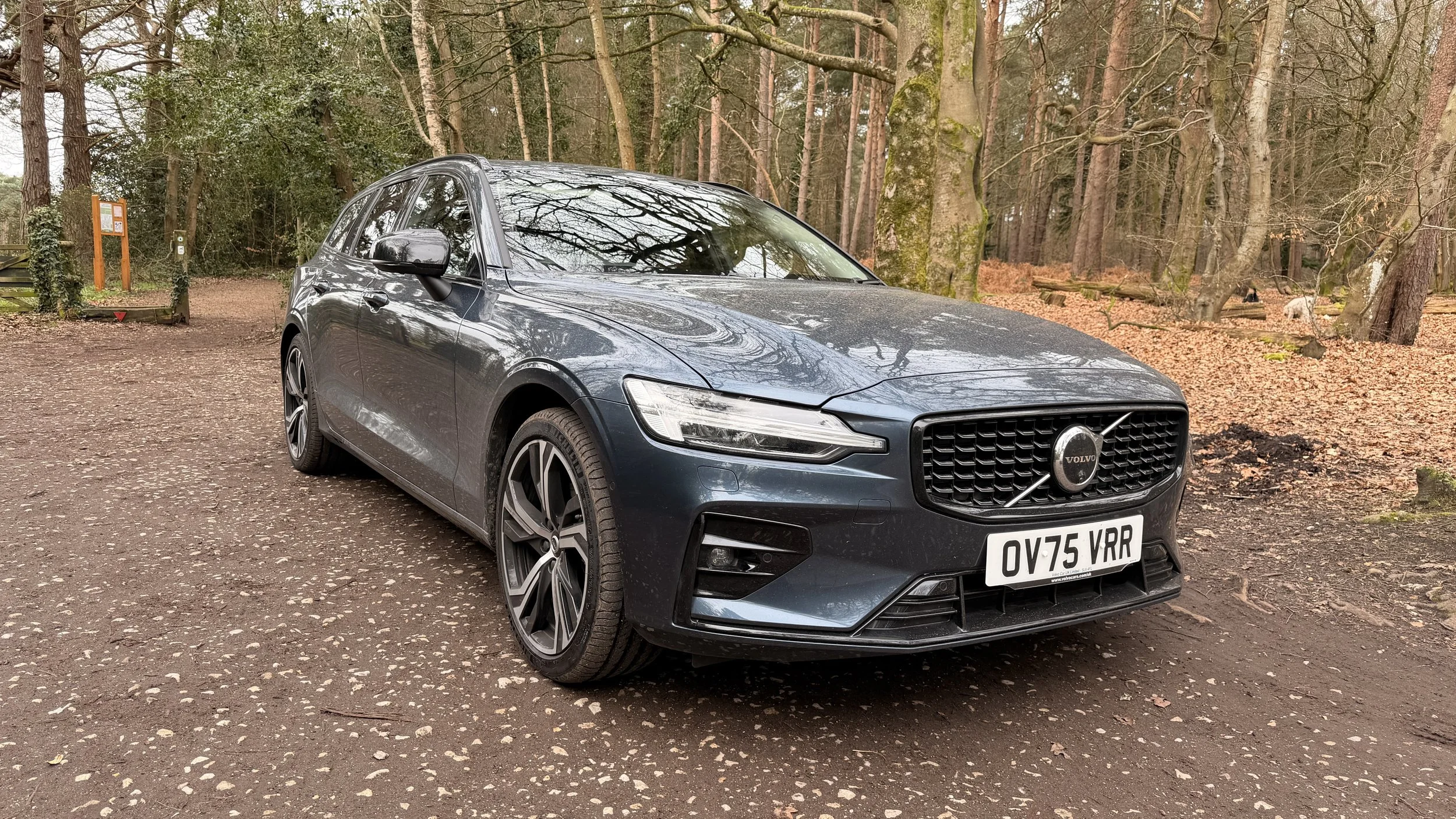
The exterior of the Volvo V60 has a timeless classiness to it
That theme carries through to the way it drives. The V60 isn’t trying to be sporty, and it doesn’t pretend to be. Instead, it prioritises refinement and comfort, and in that sense, it delivers exactly what most buyers in this segment actually want. It’s smooth over poor road surfaces, quiet at motorway speeds, and generally just very easy to live with. You get the sense that this is a car designed for real-world use rather than brochure appeal.
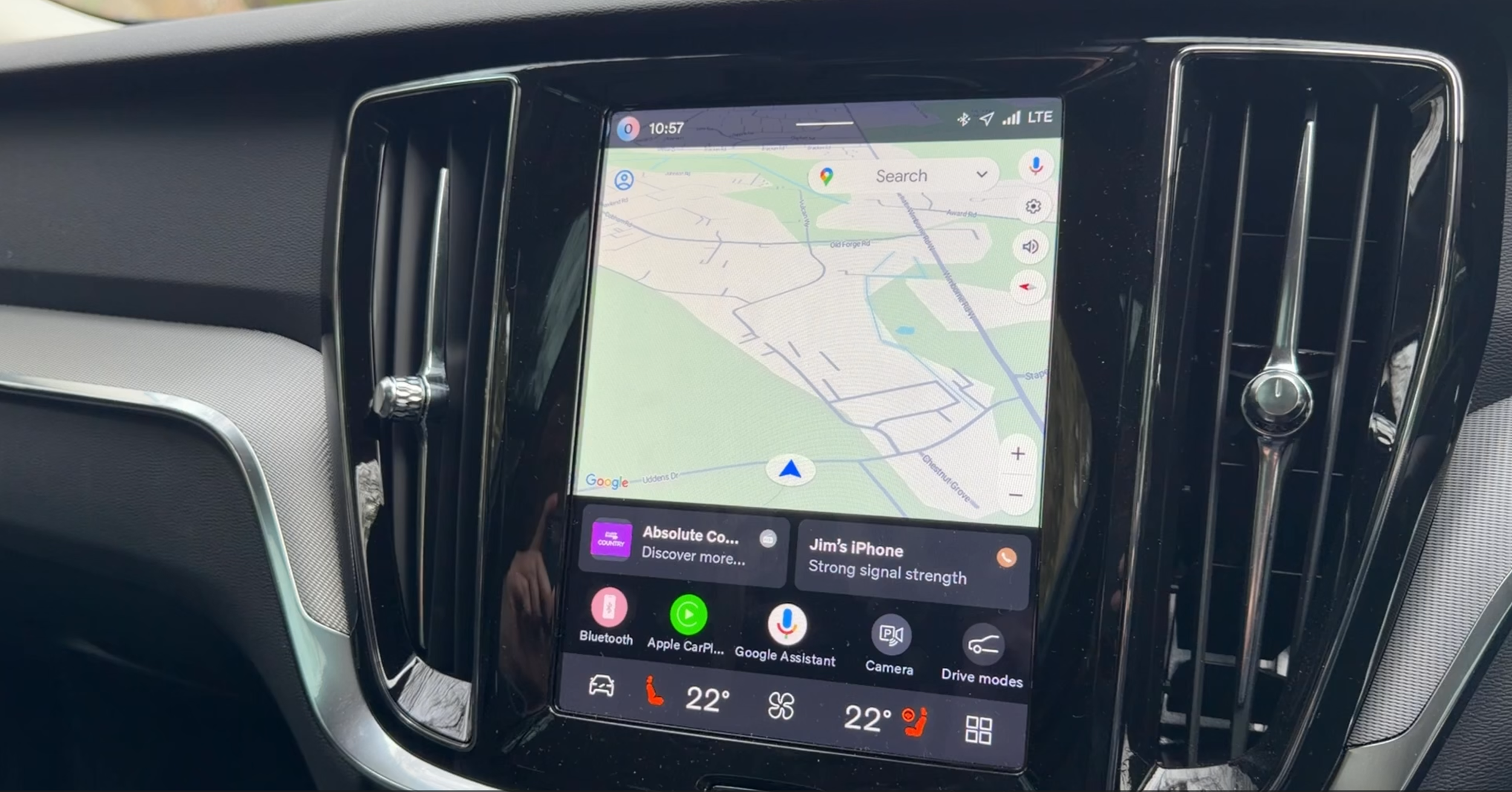
The infotainment screen is a bit of a let down and…oh no…piano black trim should never appear in a premium car
Under the bonnet, the range leans heavily towards efficiency, with mild hybrid and plug-in hybrid options making up the bulk of the lineup. For many buyers, the plug-in hybrid will be the most appealing choice, offering the ability to complete shorter journeys on electric power while retaining the flexibility of a petrol engine for longer trips. It’s a setup that fits modern driving habits well, particularly if you have access to home charging.
Where the V60 makes an especially strong case for itself is in its practicality. Estates like this have always excelled at making space usable, and that hasn’t changed. The boot is wide, easy to access, and more convenient to load than many taller SUVs, particularly when dealing with heavier items. Rear space is perfectly adequate for most needs, and while it may not offer quite the same sense of airiness as some larger SUVs, it rarely feels like a compromise in day-to-day use.
And that really brings us to the key question the V60 poses. Not whether it’s a good car — because it clearly is — but whether an SUV is actually necessary in the first place. For many drivers, the answer is probably no. The V60 does almost everything an SUV can do, but in a more efficient, more composed, and arguably more honest way.
When you look at the Volvo V60’s key rivals, the contrast in approach becomes pretty clear. Cars like the Volkswagen Passat Estate and Skoda Octavia Estate focus heavily on value and outright practicality, often undercutting the Volvo by a noticeable margin on price while offering significantly more boot space — the Passat, for example, can deliver around 690 litres compared to the V60’s roughly 520 litres . The Octavia takes that even further, positioning itself as the sensible choice with huge space and lower running costs, which is why it’s often seen as the go-to family estate . But where the Volvo justifies its higher price is in its more premium feel, stronger performance in higher-spec models, and overall sense of refinement. In simple terms, the Passat and Octavia appeal to logic — maximum space and value — while the V60 leans more towards comfort, design, and a slightly more upmarket ownership experience.
Verdict
The Volvo V60 doesn’t try to reinvent the formula - it simply refines it.
It’s comfortable, practical, and thoughtfully designed, with a driving experience that prioritises ease of use over unnecessary complexity. In a market that often feels driven by trends rather than logic, the V60 stands out by sticking to what actually works. The interior may lack some pazzaz compared to some key rivals, and the infotainment system does feel a touch dated.
If you’re considering an SUV, it’s worth taking a step back and asking whether you really need one. Because if you don’t, the V60 might just be the better car.
Pros
Exceptionally comfortable seats and ride quality
Clean, understated premium exterior design
Strong real-world usability and practicality
Efficient hybrid options, especially for mixed driving
Cons
Not particularly engaging to drive (but does it matter?)
Interior tech isn’t class-leading in responsiveness
Rear space is tighter than some SUV alternatives
Cockpit design is underwhelming
Check out our full video review of the Volvo V60 here
About the Author
Jim Starling is the founder of DefinitelyNotAGuru, a UK-based automotive media outlet focused on clear, honest, consumer-first journalism. His work cuts through marketing hype and technical jargon to help everyday drivers make sense of car buying, leasing, ownership costs, and the transition to electric vehicles.
An independent motoring journalist and long-term EV owner, Jim brings real-world experience to his reporting. Whether covering major international motor shows or testing family cars on UK roads, his focus remains the same: straightforward analysis and genuinely unbiased advice that puts the audience first.