
UK Car Industry on Track to Meet 2025 EV Targets
UK Car Industry on Track to Meet 2025 EV Targets
The UK car industry appears to be firmly on course to meet its electric vehicle (EV) targets for 2025, offering a rare piece of positive news amid wider uncertainty in the global automotive sector. Recent analysis suggests manufacturers are successfully adapting to the government’s Zero Emission Vehicle (ZEV) mandate, with electric models accounting for a growing share of new car sales.
Progress Towards 2025 Targets
Under the ZEV mandate, carmakers must ensure that an increasing proportion of the vehicles they sell are zero-emission. For 2025, this means around 28 per cent of new car sales must be electric. Current sales data indicates the industry is broadly on track to achieve this, helped by a wider range of EV models, competitive pricing, and regulatory flexibilities that allow manufacturers to balance sales across their portfolios.
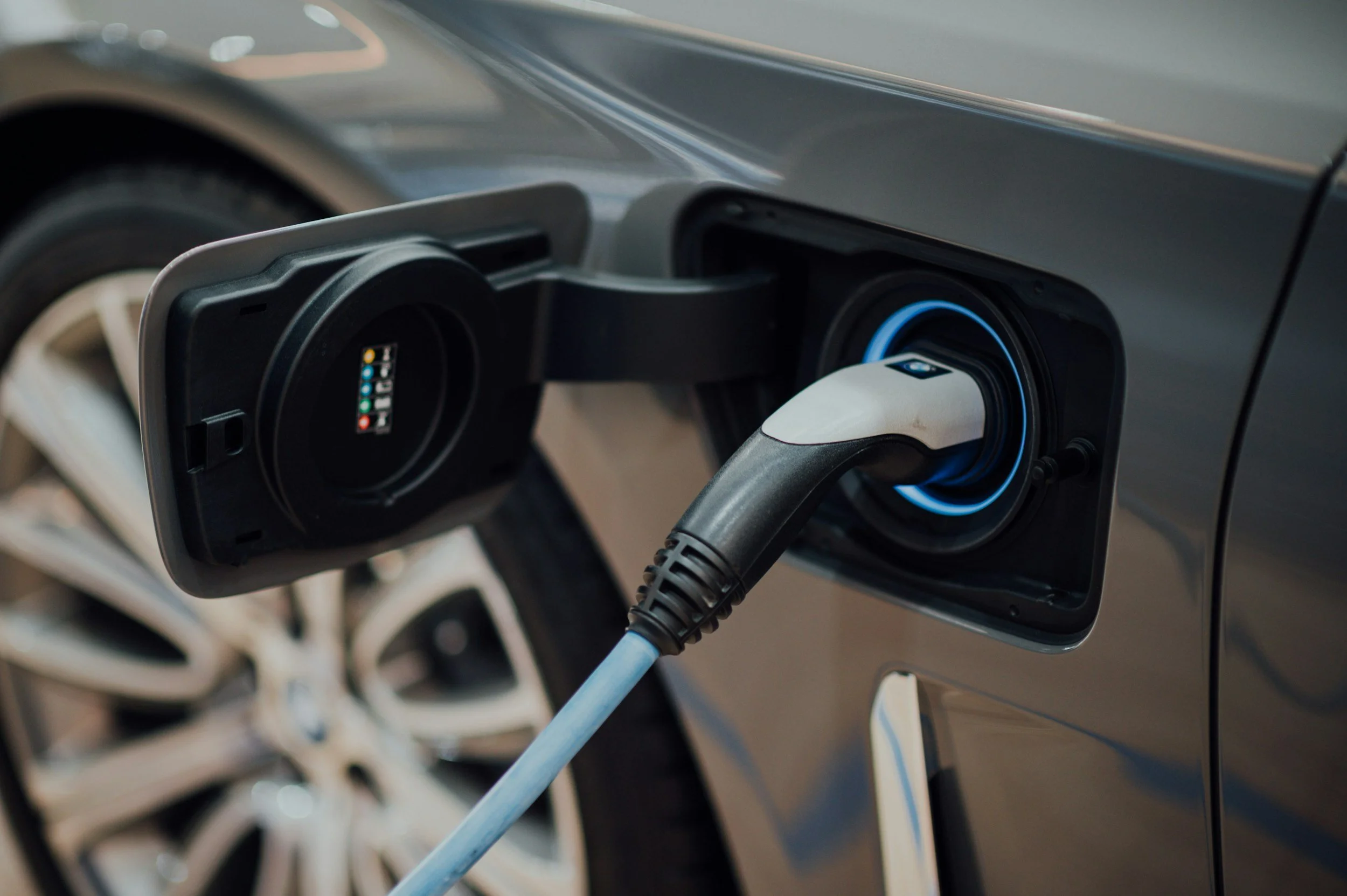
This progress reflects a shift in both supply and demand. Automakers have invested heavily in electrification, while consumers are becoming more familiar with EVs as everyday vehicles rather than niche alternatives. As a result, electric cars are now a mainstream option across multiple segments of the market.
Why the Targets Matter
Meeting the 2025 EV target is more than a symbolic win. It demonstrates that the UK’s regulatory framework is driving real change without causing major disruption to the market. For manufacturers, compliance avoids financial penalties and provides certainty for long-term investment decisions. For consumers, increased EV adoption brings greater choice, improved technology, and lower running costs compared with traditional petrol and diesel vehicles.
Crucially, early success strengthens confidence that the UK can meet more ambitious milestones later in the decade.
UK Sticks With EV Strategy as EU Softens Its Approach
The UK’s progress comes as policy approaches begin to diverge across Europe. While the British government has reiterated its commitment to phasing out new petrol and diesel cars — with bans scheduled for 2030 and tighter zero-emission requirements through to 2035 — the European Union has signalled a willingness to soften its own stance.
Recent EU proposals would dilute the planned 2035 petrol and diesel ban, allowing limited sales of combustion-engine vehicles under revised emissions targets. The move reflects concerns from some member states and manufacturers about costs, competitiveness, and consumer readiness.
In contrast, the UK has so far resisted similar calls to roll back its targets, arguing that policy clarity is essential to encourage investment in electric vehicle manufacturing, battery production, and charging infrastructure.
A Clearer Path for Industry and Investors
By sticking to its EV roadmap, the UK is aiming to provide certainty to the automotive sector at a time when global competition is intensifying. Clear targets help manufacturers plan production, support supply-chain investment, and accelerate the rollout of charging networks — all of which are critical to sustaining EV growth beyond the mid-2020s.
While challenges remain, particularly around infrastructure and affordability, the UK’s current trajectory suggests the transition to electric vehicles is gaining real momentum.
Looking Ahead
If the industry continues at its current pace, meeting the 2025 target could become a stepping stone rather than a stumbling block. As the EU reassesses its own approach, the UK’s decision to stay the course may ultimately position it as a more stable and attractive market for electric vehicle investment.
For now, the evidence suggests the UK car industry is not only adapting to electrification — but increasingly prepared to lead it.