
Say hello to the BMW i3 (Neue Klasse)
The BMW 3 Series has always been the core of the brand - not just its best-seller, but the car that defines what a BMW should feel like. For decades, that meant sharp handling, a driver-focused interior and just enough premium appeal to separate it from the mainstream. Now, with the arrival of the all-electric BMW i3 as part of the Neue Klasse, BMW isn’t just evolving that formula - it’s attempting to rebuild it from the ground up.
And naturally, the headline figures are designed to grab attention. Up to 900 km of range (that’s 559 miles of range!). 400 kW charging. Around 400 km added in 10 minutes. On paper, it sounds like a generational leap — and in fairness, if those numbers translate cleanly into the real world, it will be. But figures alone don’t define a 3 Series. They never have. What matters more is whether BMW has managed to carry over the things that actually made the car great.
There are reasons to be cautiously optimistic. Having recently driven the new iX3 - the first real glimpse of this Neue Klasse philosophy in action — it’s clear BMW is taking the fundamentals seriously. The iX3 impressed not because of its spec sheet, but because of how it drove. It felt composed, balanced and precise in a way that’s been missing from a lot of electric SUVs. There was a sense of connection that felt deliberately engineered rather than artificially added back in.
The i3 leans heavily on a new digital architecture to deliver exactly that kind of experience. BMW calls it the “Heart of Joy,” which sounds like marketing fluff, but the idea behind it is actually significant. Instead of multiple disconnected systems handling steering, braking and power delivery, everything is controlled through a central processing system that reacts far faster than before. In theory, that should mean smoother inputs, more predictable responses and a car that feels more natural to drive - not less.
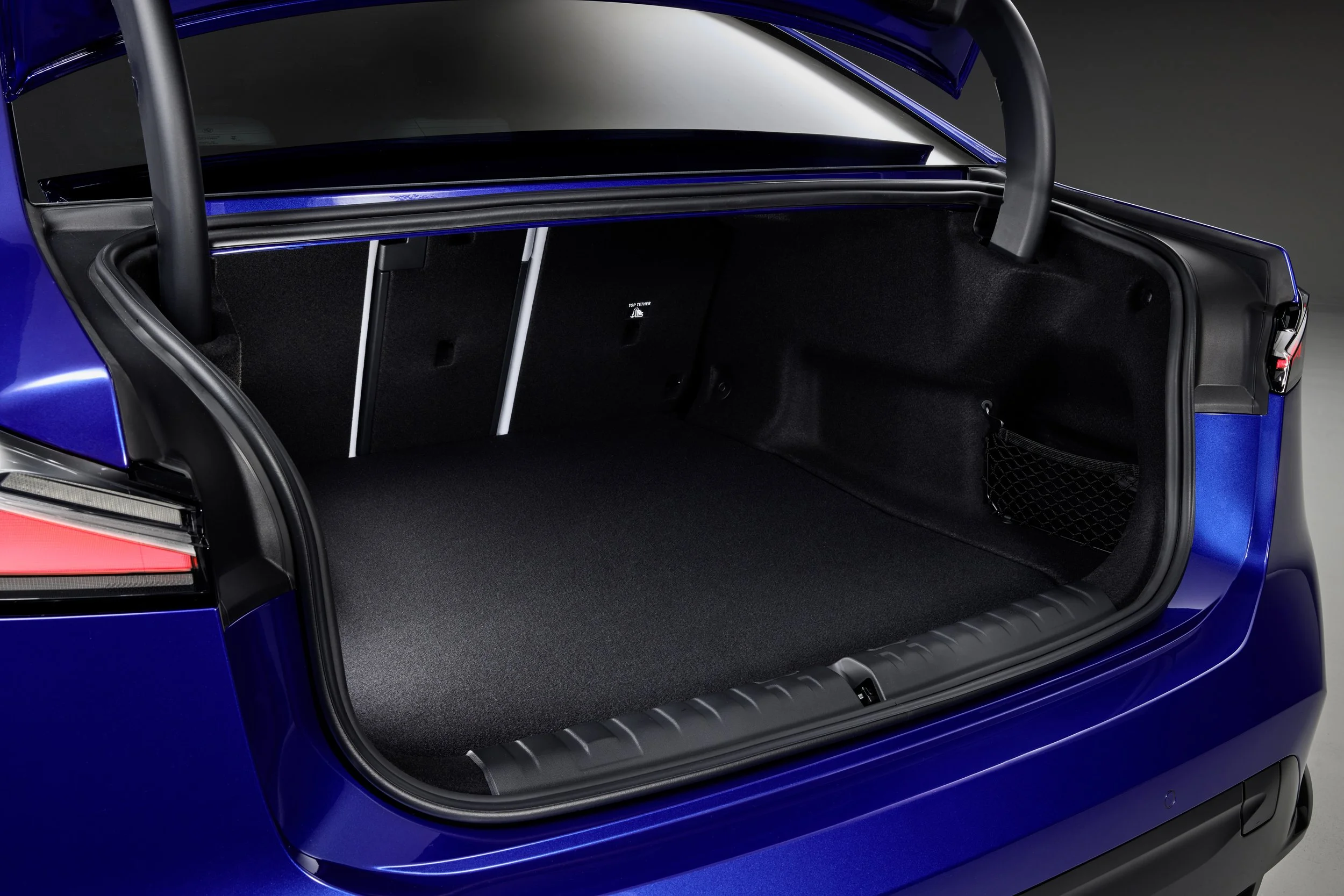
It’s also paired with a broader “superbrain” setup - four high-performance computers running everything from driving dynamics to infotainment. Again, it sounds like overkill, but in modern cars where software increasingly defines the experience, this kind of computing power is becoming essential rather than excessive. The key question is whether BMW uses it to enhance the driving experience or simply to layer on more features.
Performance, at least, looks promising. The i3 50 xDrive launches with 469 hp and 645 Nm from a dual-motor setup, and importantly, BMW hasn’t taken the easy route with off-the-shelf solutions. The combination of different motor types is designed to improve efficiency and consistency, not just outright speed. More importantly, the battery itself is integrated into the structure of the car, lowering the centre of gravity - a small detail that tends to make a big difference in how a car actually feels on the road.
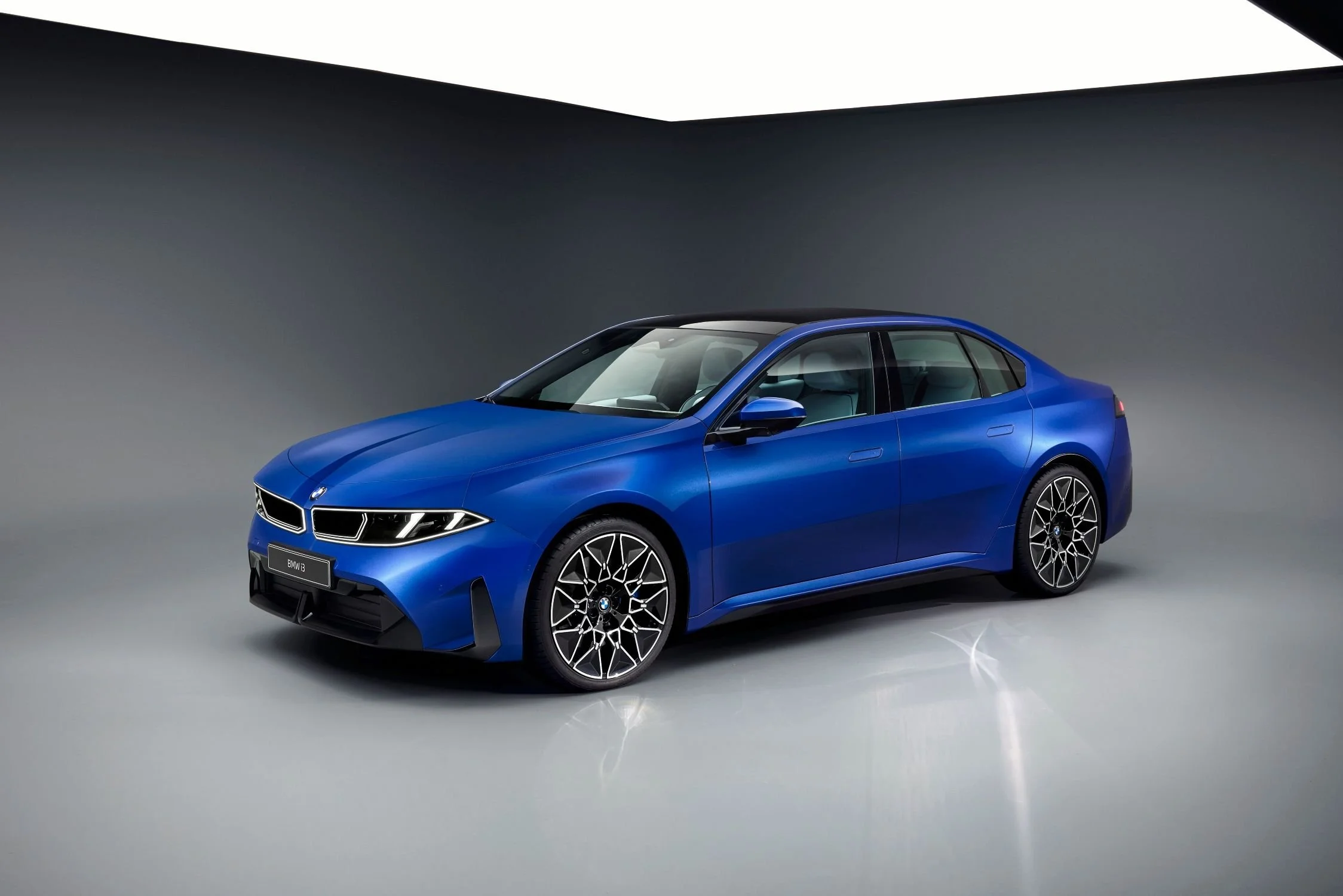
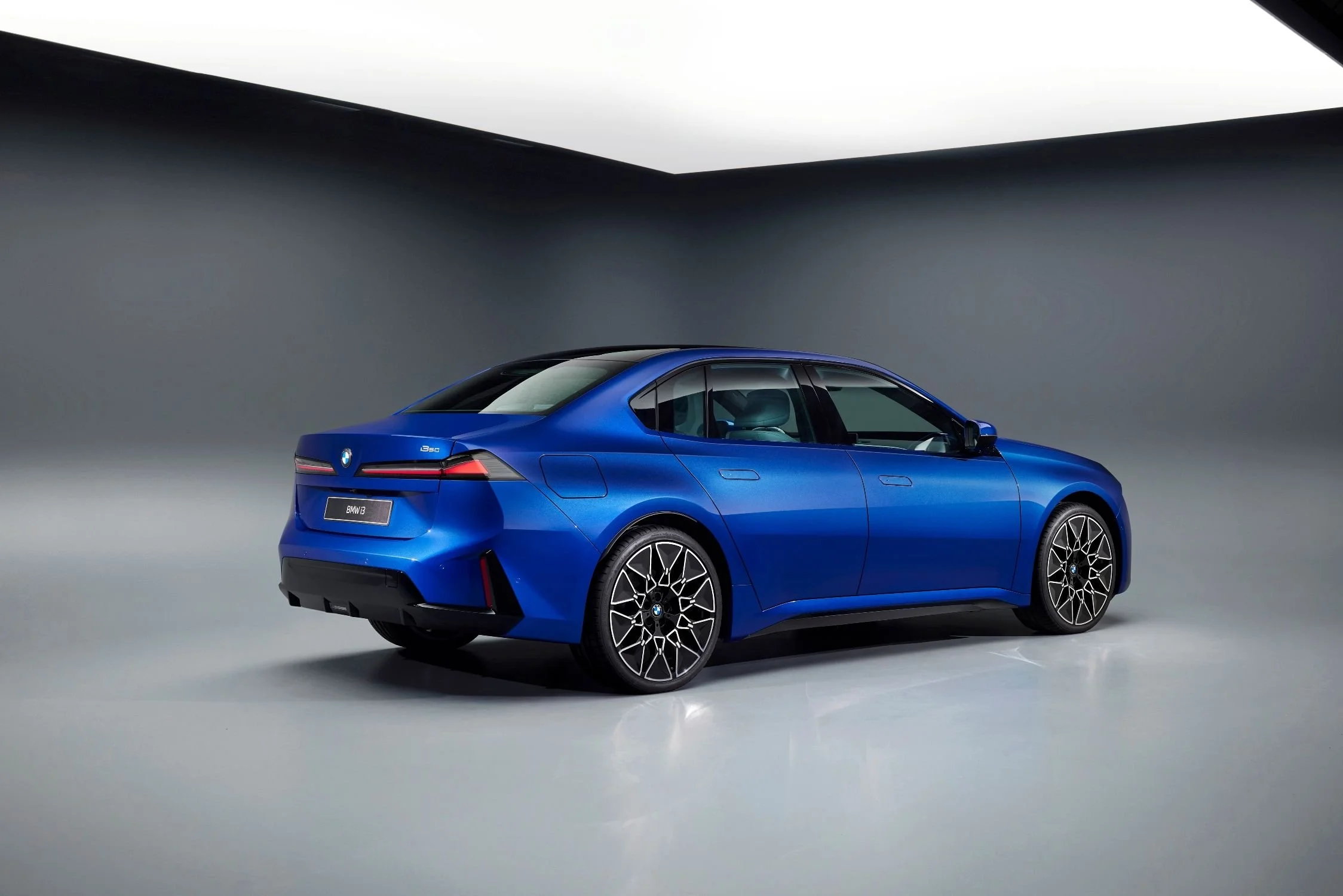
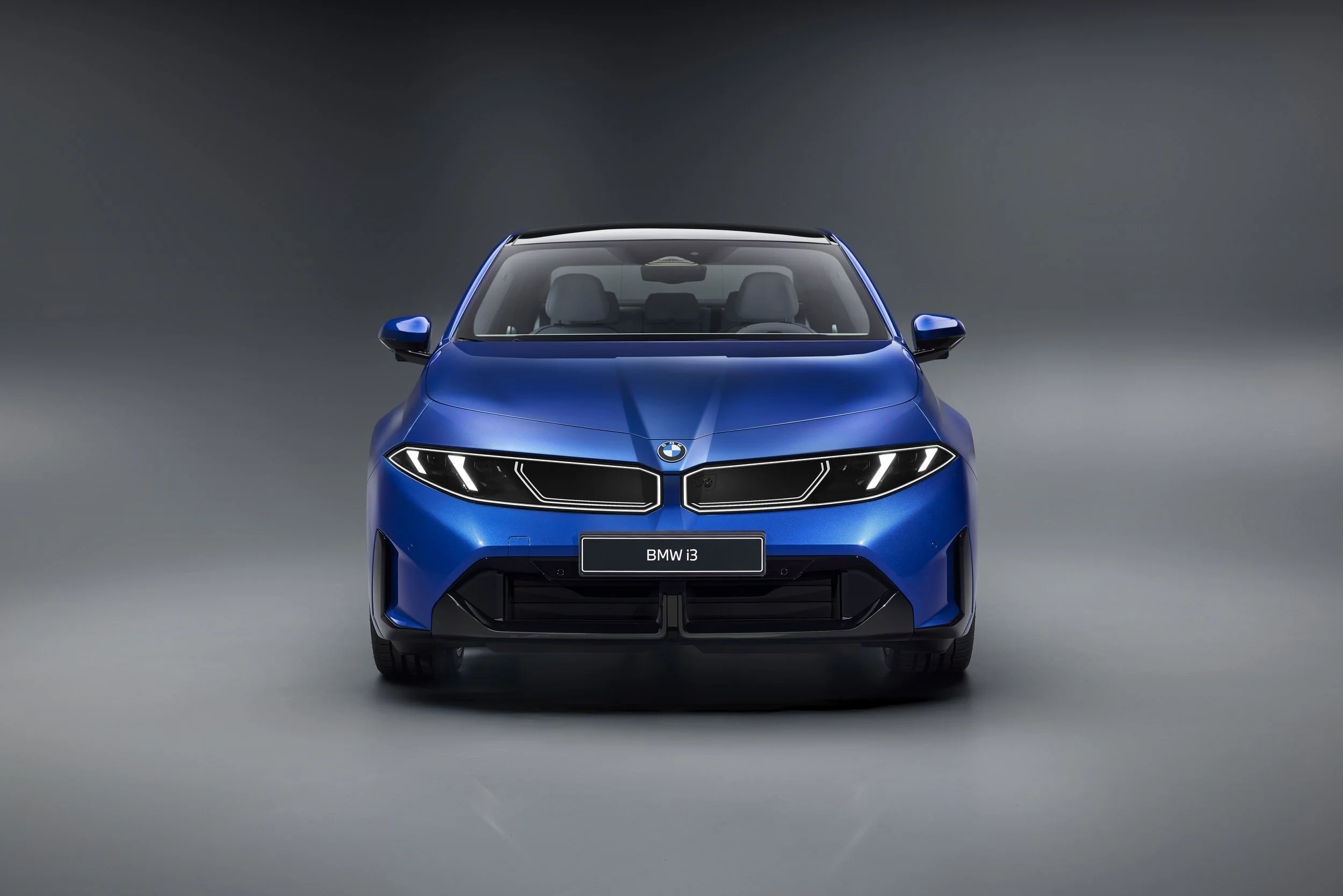
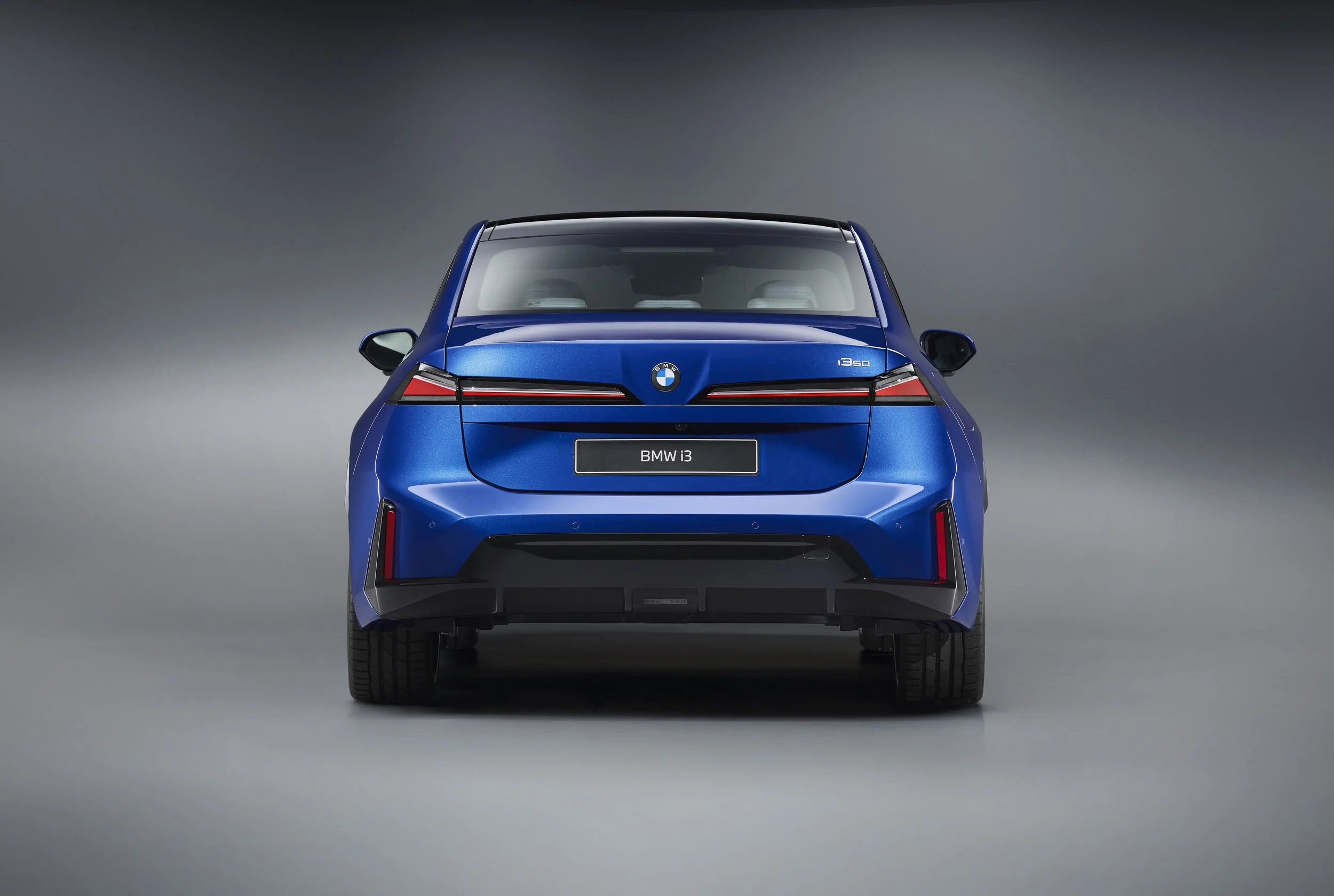
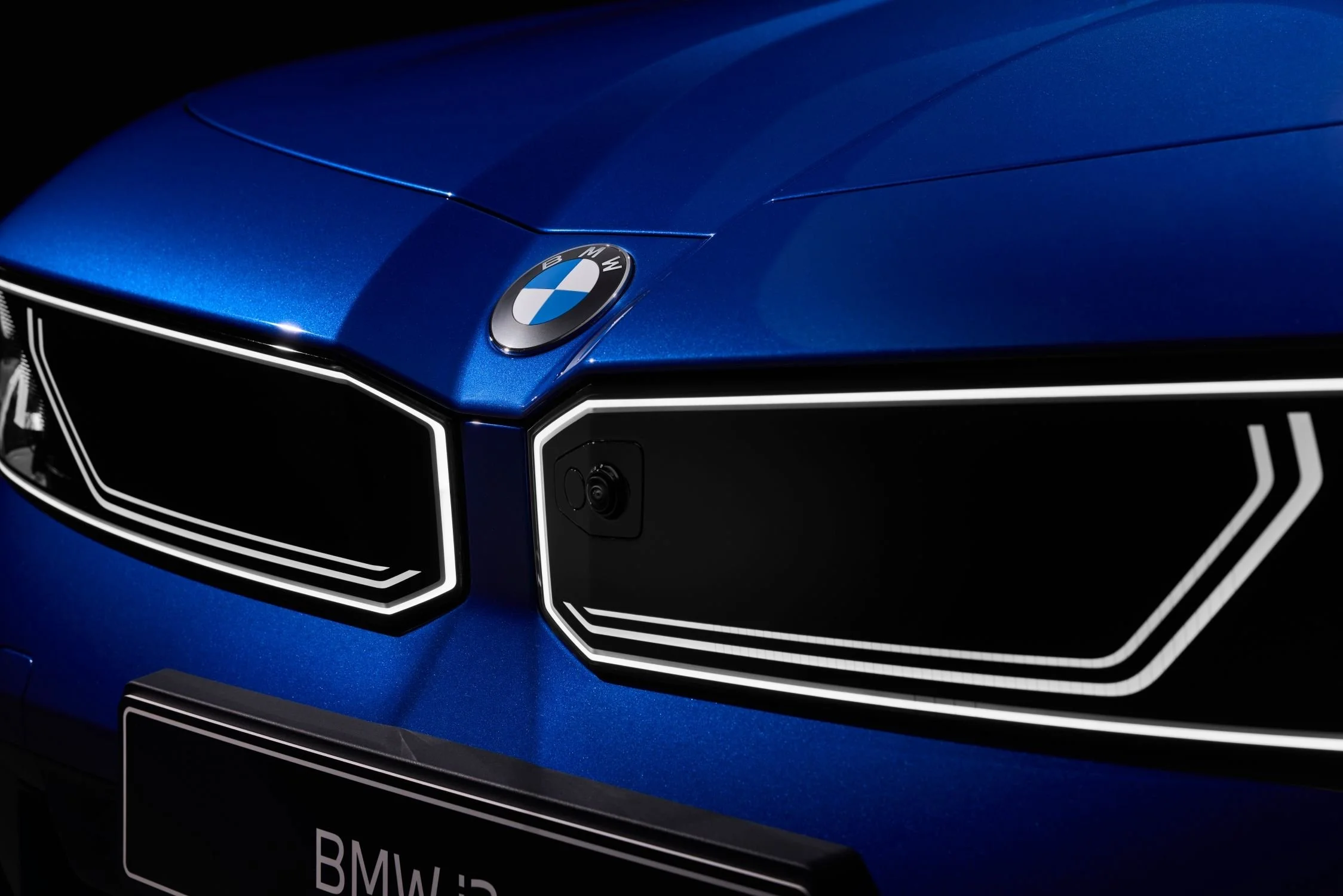
Then there’s the design, which is where BMW has shown a bit more restraint than expected. The i3 still looks like a 3 Series - long wheelbase, short overhangs, familiar proportions - just cleaner and more simplified. It’s modern without trying too hard to look futuristic, which is probably the right call for a car that carries this much brand weight.
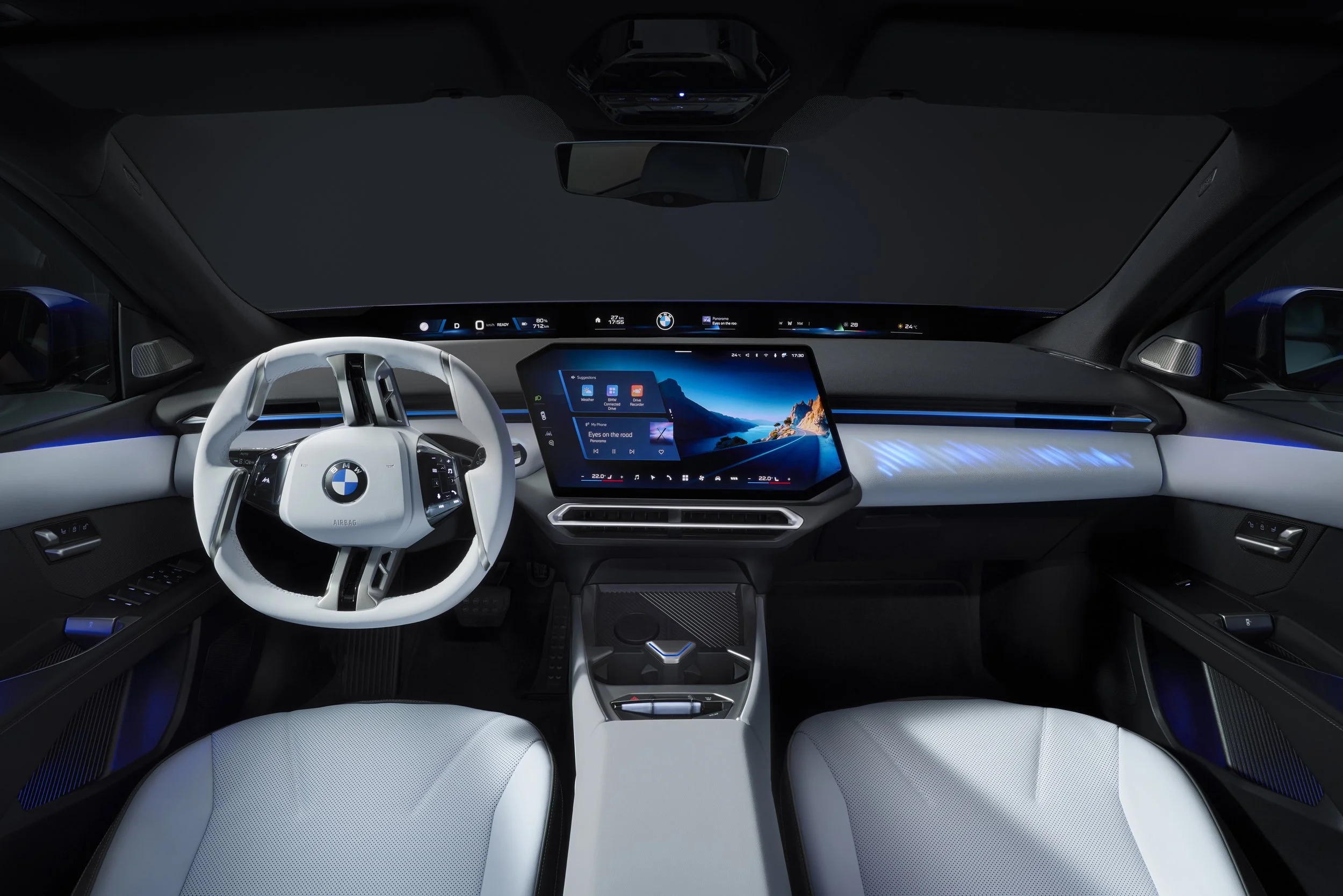
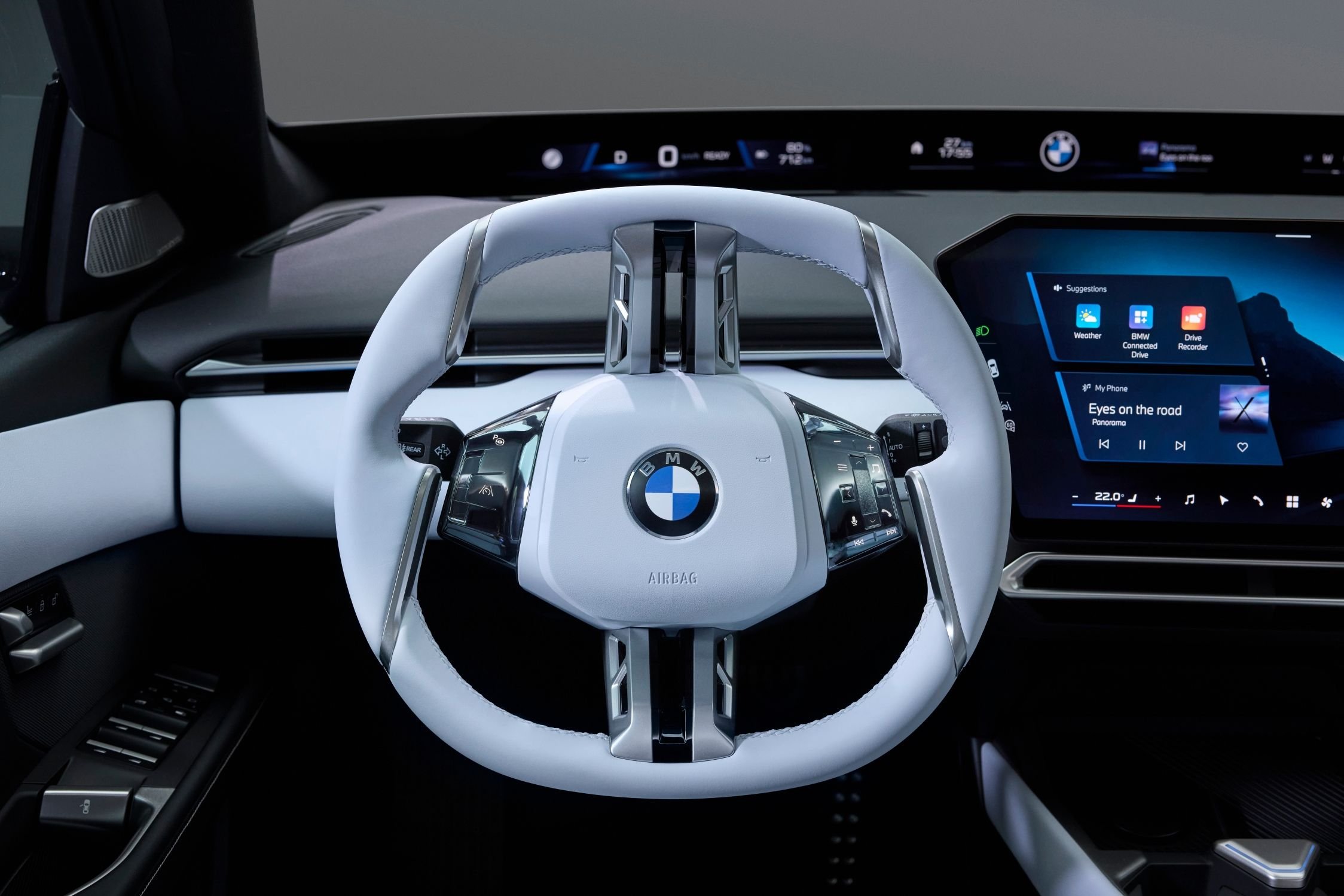
Inside, though, BMW has taken a bigger swing. The new panoramic display replaces traditional dials with a full-width projection across the windscreen, supported by a central screen and head-up display. It sounds like a gimmick, but based on experience with the iX3, it actually works. The system is intuitive, reduces the need to look away from the road, and feels like a genuine step forward rather than a change for the sake of it. That’s not something you can say about every new in-car tech feature.
Material quality and sustainability have also been pushed further than before, with a heavy focus on recycled materials and reduced production emissions. That’s important, but it’s also becoming standard across the industry - so while it’s good to see, it’s not what will make or break the car.
What will matter is whether the i3 delivers the same sense of balance that has always defined the 3 Series. Not just in terms of handling, but in how all the elements come together — performance, comfort, usability and engagement. That’s where many electric cars still fall short. They’re fast, they’re efficient, but they don’t always feel cohesive.
BMW seems to understand that risk. The messaging around the i3 isn’t just about range or charging speeds - it’s about maintaining “sheer driving pleasure,” even in an electric world. That’s easy to say, but much harder to deliver.
UK Pricing is still TBC but is expected to start at sub £50k (although we can usually expect an extensive options list from BMW) which will put this firmly up against lower range alternatives from the rest of the pack. Production begins in August 2026 at BMW’s Munich plant, with UK deliveries expected shortly after. By then, we’ll know whether this is genuinely the next chapter of the 3 Series story, or simply a very advanced electric saloon wearing a familiar badge.
If the iX3 is anything to go by, there’s genuine potential here. BMW hasn’t forgotten what made its cars appealing - it’s just trying to translate it into a completely different kind of vehicle. The i3 will be the real test of whether that translation has worked.
This is one that I cannot wait to test.
———
About the Author
Jim Starling is the founder of DefinitelyNotAGuru, a UK-based automotive media outlet focused on clear, honest, consumer-first journalism. His work cuts through marketing hype and technical jargon to help everyday drivers make sense of car buying, leasing, ownership costs, and the transition to electric vehicles.
An independent motoring journalist and long-term EV owner, Jim brings real-world experience to his reporting. Whether covering major international motor shows or testing family cars on UK roads, his focus remains the same: straightforward analysis and genuinely unbiased advice that puts the audience first.