
2026 OMODA 5 SHS-H Review
The OMODA 5 Hybrid (SHS-H) represents a significant step forward for the model, bringing a full hybrid powertrain to a car that already stood out for its design and value, but one that previously had a decidedly basic petrol offering (as well as a rather more appealing Full EV). In a segment dominated by familiar names, the OMODA 5 offers something a little different.
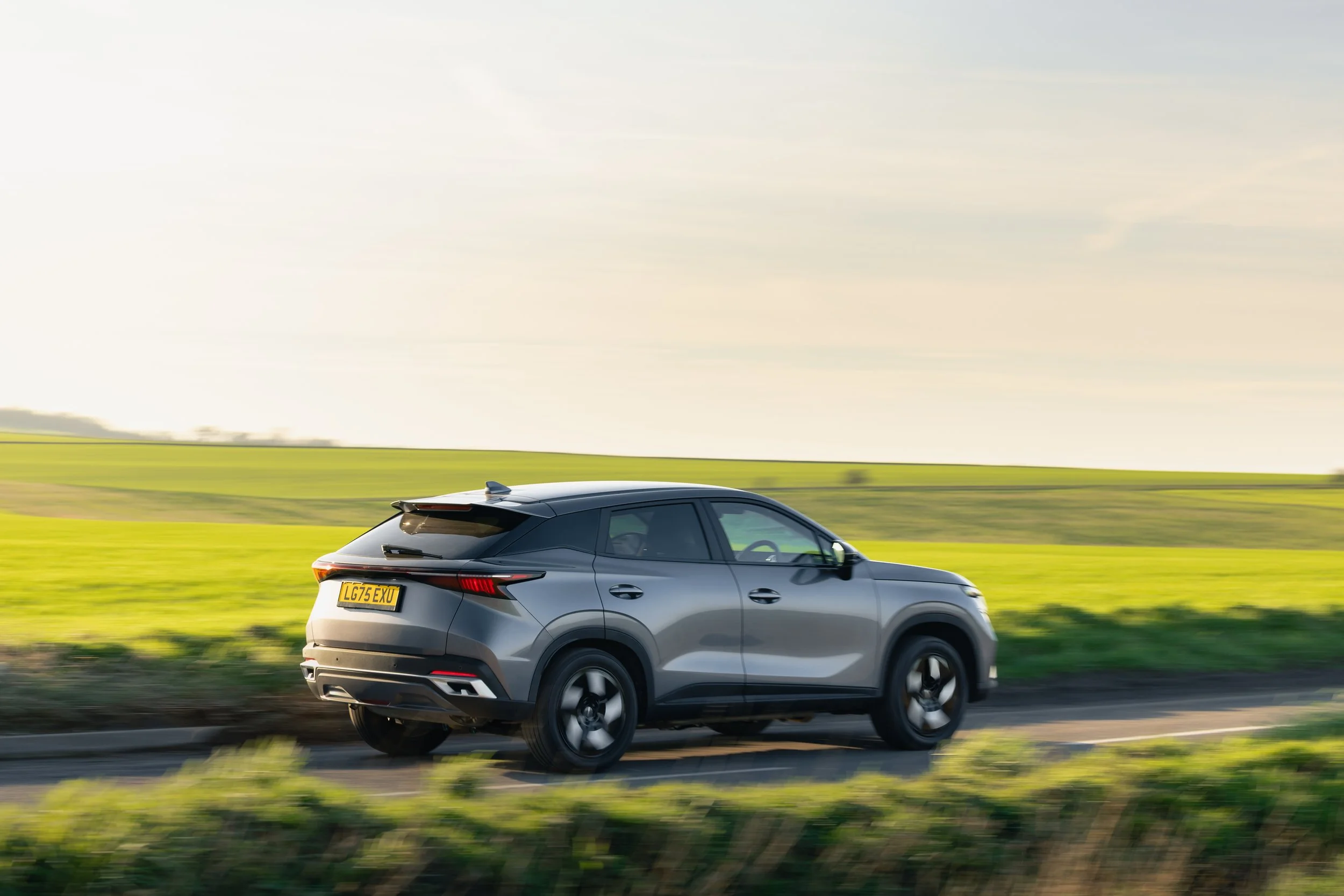
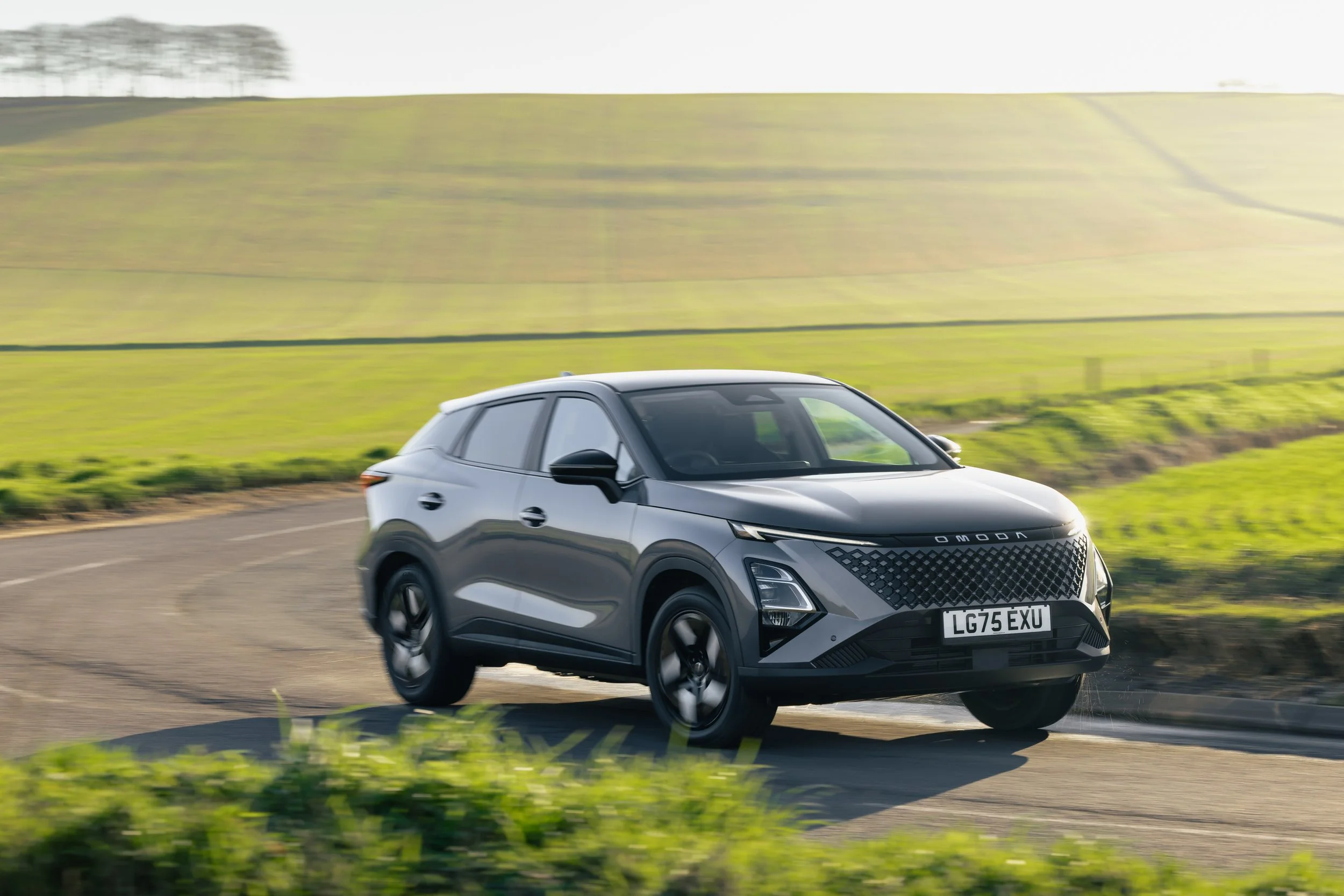
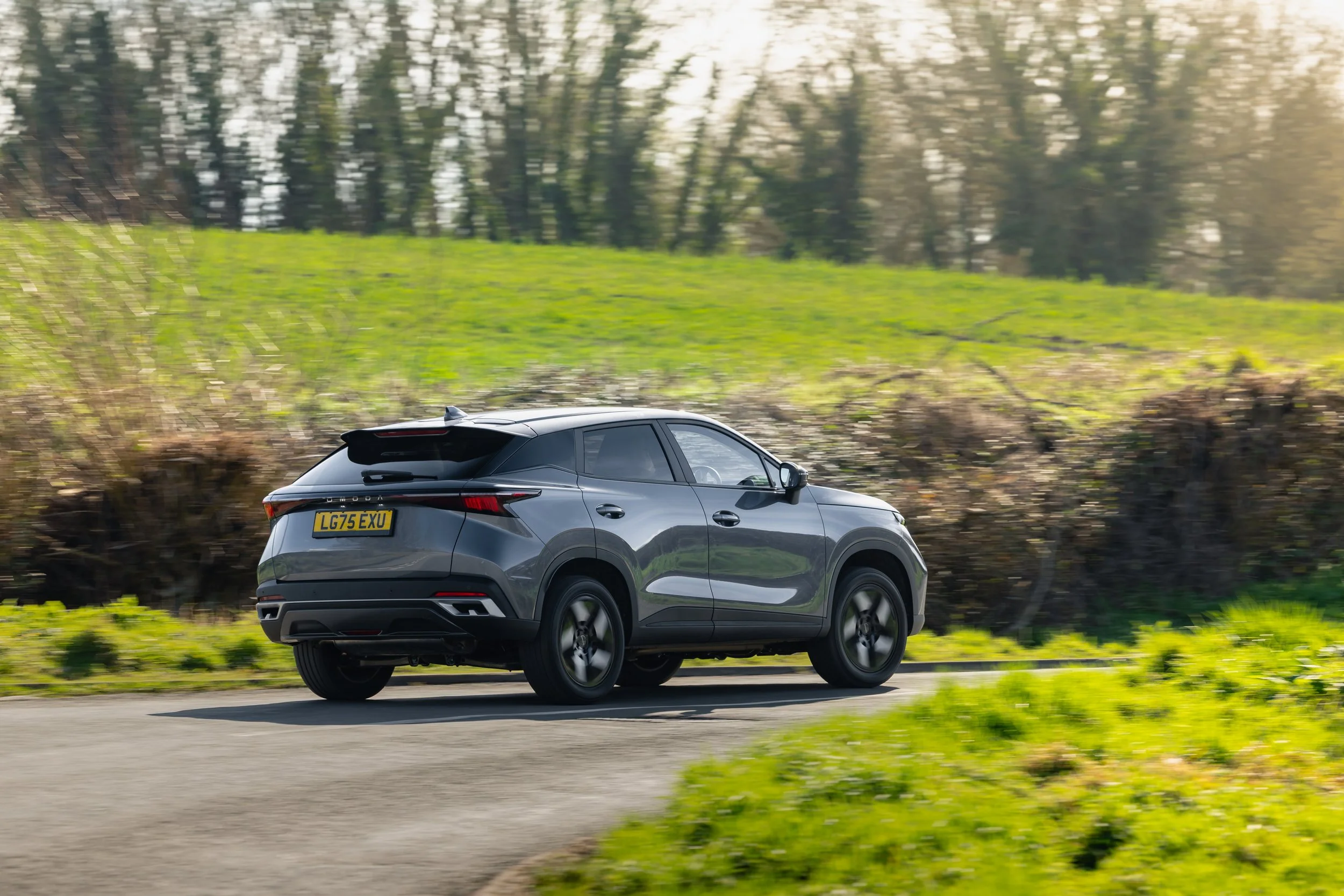
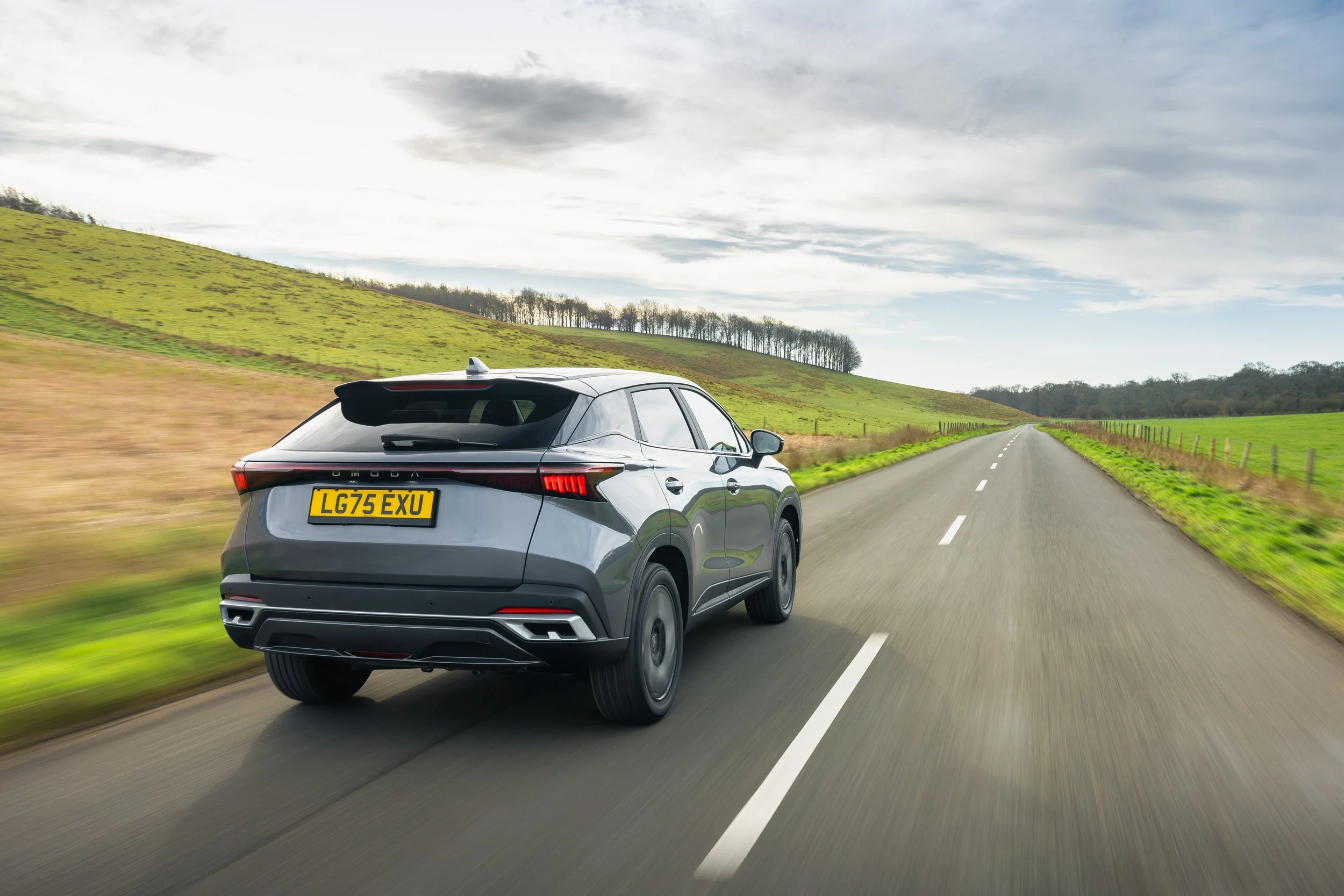
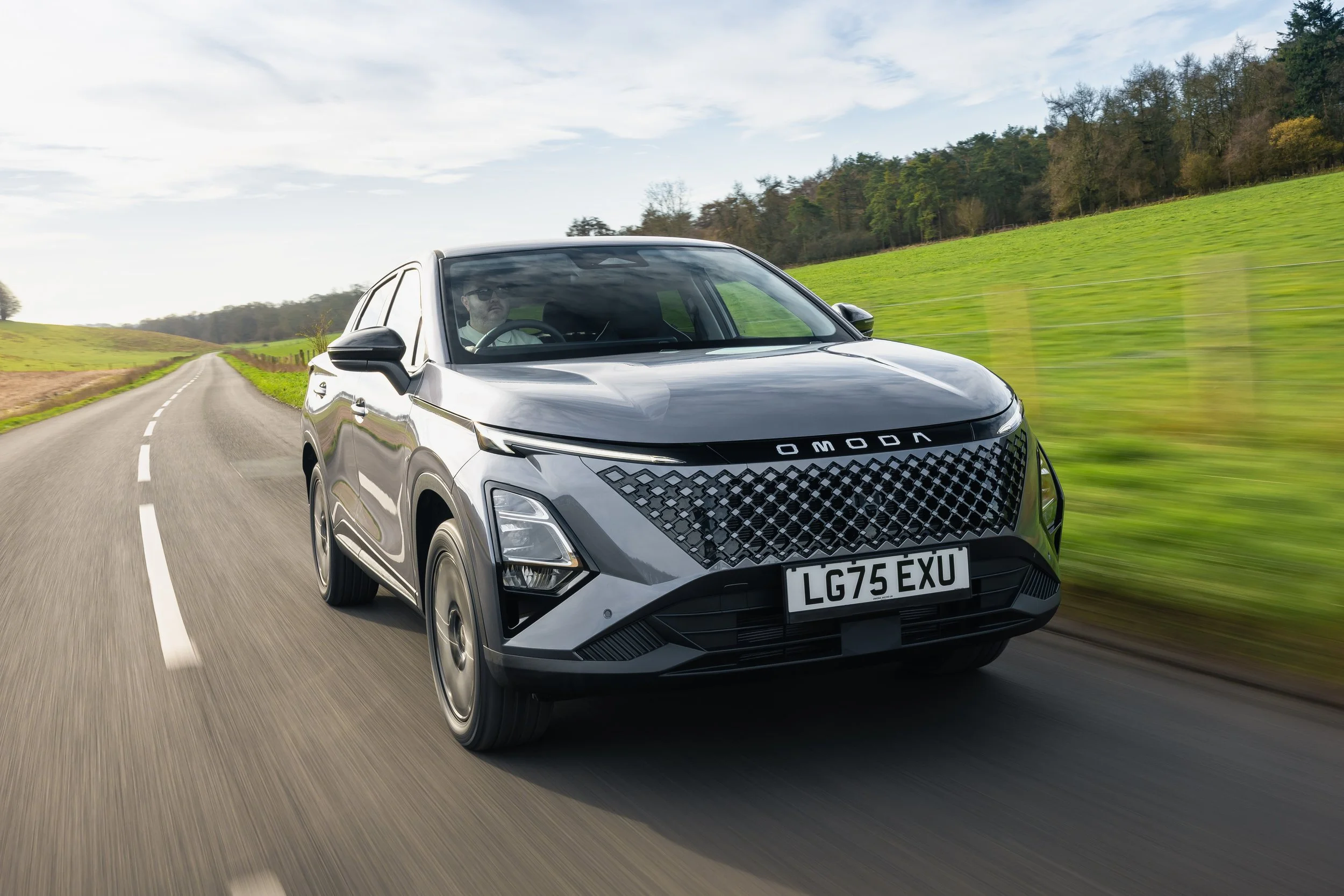
Visually, very little has changed — and that’s no bad thing. The OMODA 5 was already one of the more striking SUVs in this class, albeit a class with a low bar when it comes to exciting design choices. This new hybrid version keeps that sharp, angular look which, along with the bold front grille, slim LED lighting, and coupe-inspired profile; all of which manages to help what could have been a generic shape to stand out a bit, whilst giving the car a more premium feel than its price might suggest.
Subtle updates, including a revised grille and new alloy wheel designs, help distinguish the hybrid from the standard petrol model.
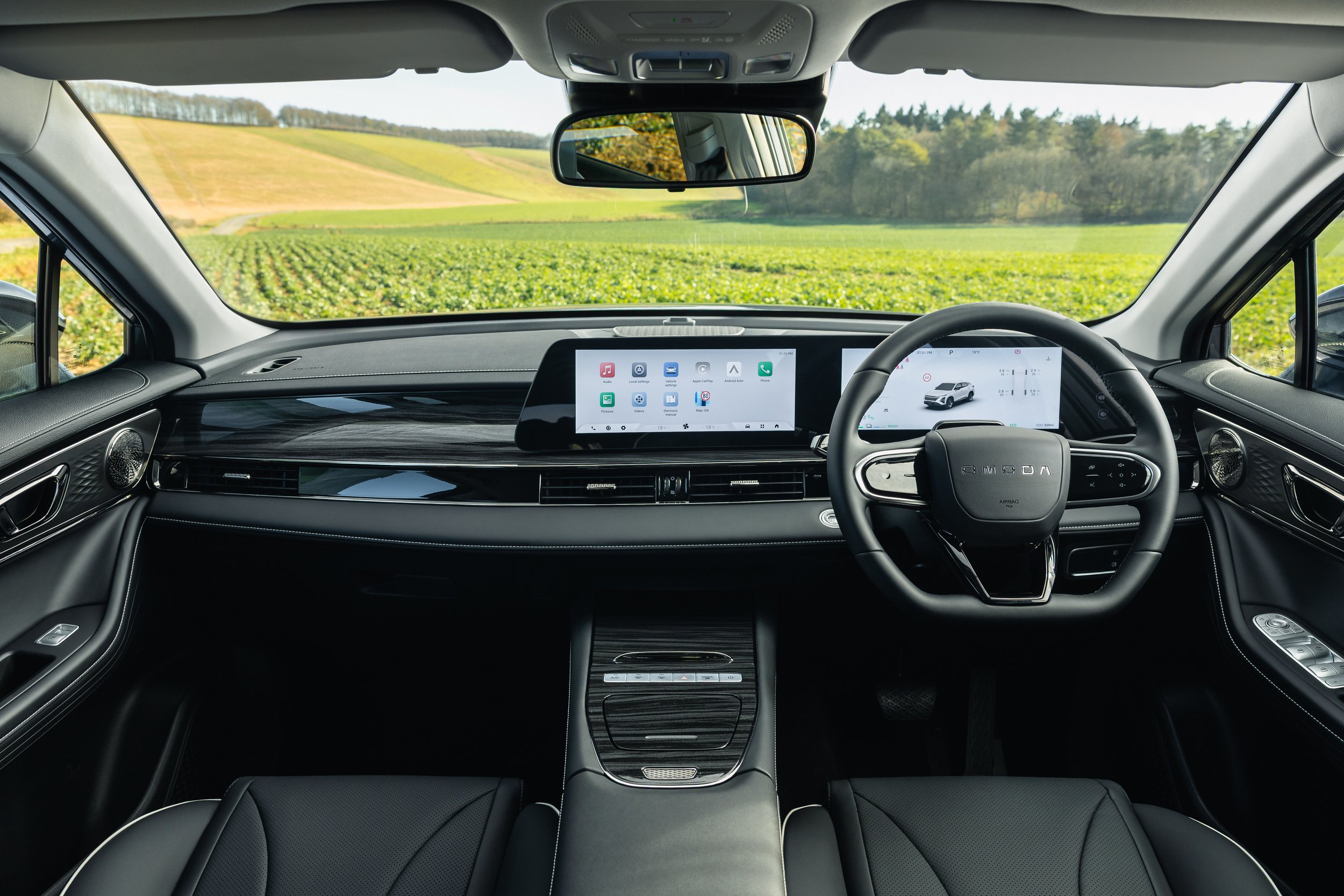
Inside, the OMODA 5 Hybrid continues to impress with a modern, tech-led layout. The twin 12.3-inch displays dominate the dashboard, creating a clean, contemporary feel that’s in line with what buyers now expect from newer brands.
The system itself is easy enough to get along with. It may not have quite the polish or slickness of the very best systems in the class, but equally it’s far from being a weak point. Once familiar, it works well, with clear graphics and responsive inputs, and the inclusion of wireless Apple CarPlay and Android Auto means most drivers will default to their preferred interface anyway.
Beyond the screens, there’s a strong sense of value. The overall layout is clean and uncluttered, while standard equipment levels are generous, giving the cabin a well-equipped feel without needing to step up through multiple options.
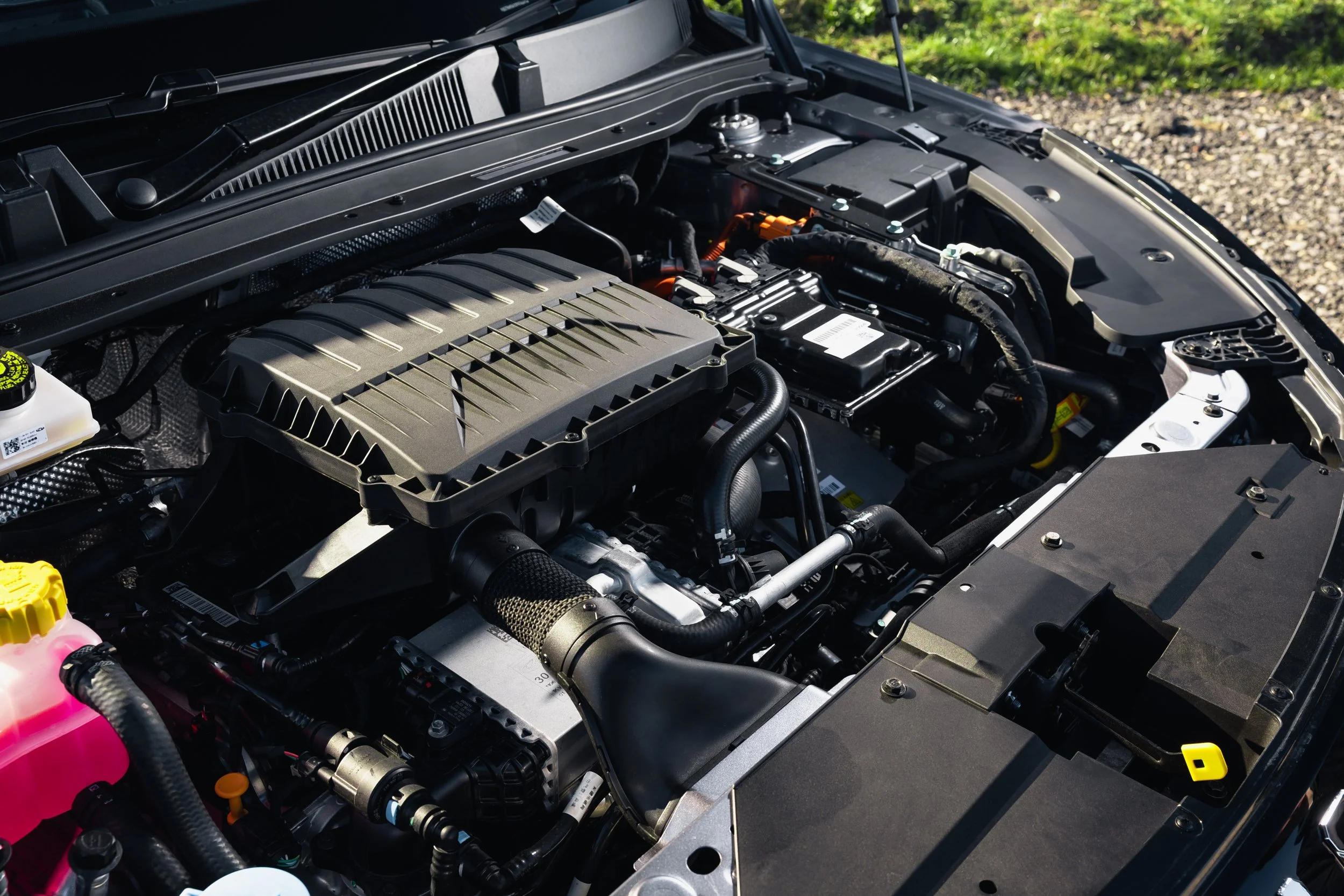
The key addition here is the SHS-H hybrid system, which pairs a 1.5-litre turbocharged petrol engine with electric motors and a small battery. This setup delivers a combined output of just over 200hp and enables a 0–62mph time of around 7.9 seconds.
On the road, the system behaves much like you’d hope from a full hybrid. Around town, it can run in near-silence on electric power alone, while the transition between petrol and electric modes is smooth and unobtrusive.
It’s not designed to be a sporty SUV, but it feels more than capable in everyday driving. There’s enough performance for motorway merging and overtaking, and the hybrid system delivers its power in a relaxed, linear way that suits the car’s character.
Efficiency is a big part of the appeal. Official figures suggest around 53mpg and a potential range of over 650 miles on a full tank, putting it firmly in line with other full hybrids in the class. As with most hybrids, it performs best in urban environments, where the electric motor can do more of the work. In mixed driving, it should comfortably deliver strong fuel economy, making it a sensible option for commuting and day-to-day use. During our short test drive, we achieved closer to 45 mpg in our limited time with the vehicle.
The driving experience is geared towards comfort rather than engagement. The suspension does a good job of smoothing out everyday road imperfections, and it feels well-suited to UK conditions and is rather more cossetting than the suspension setup you will find in key rivals from BYD.
While it won’t match the sharpness of some rivals through corners, it remains stable and predictable, which is exactly what most buyers in this segment are looking for. The light steering and relaxed setup make it easy to drive, particularly in town.
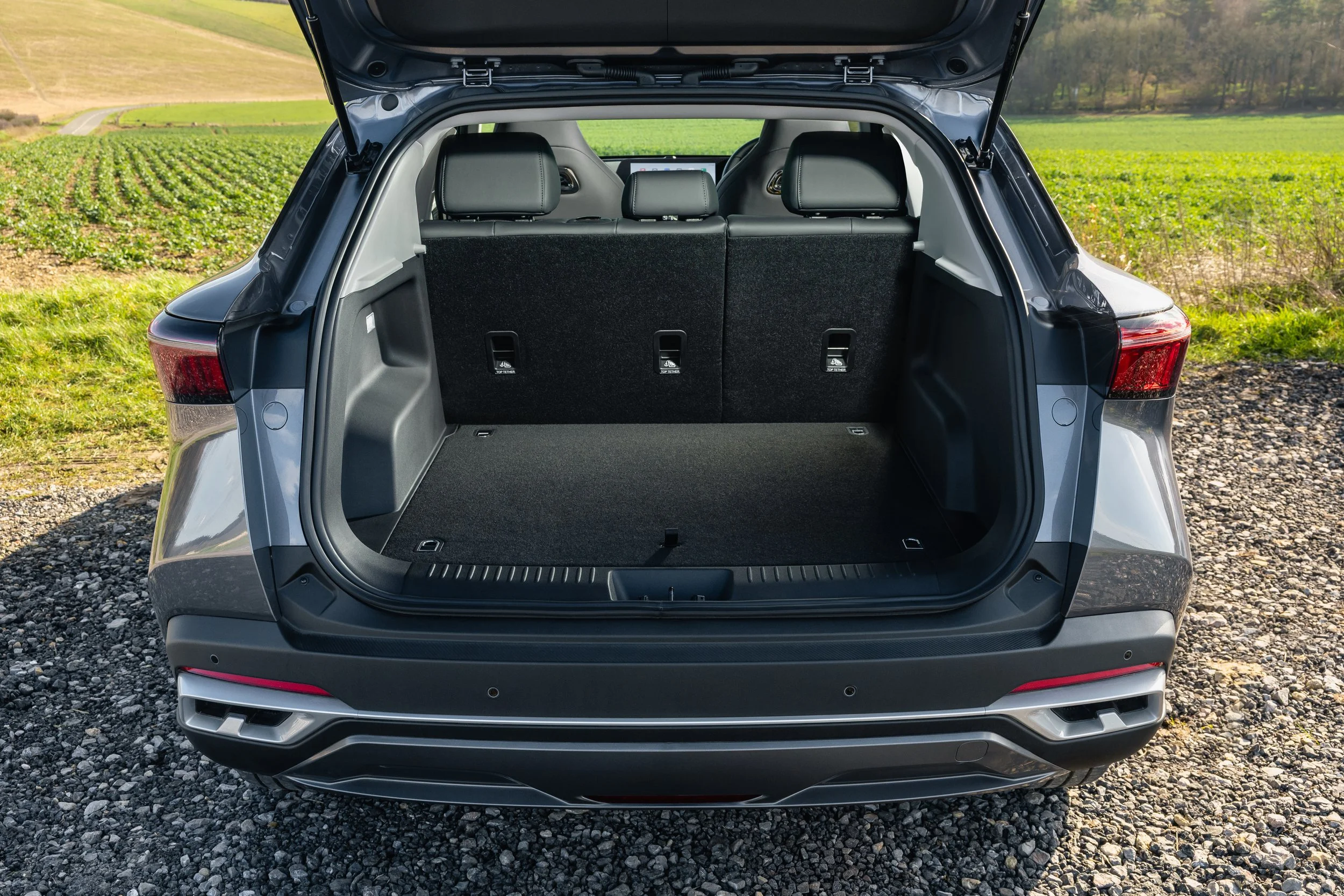
As a family SUV, the OMODA 5 Hybrid covers the basics well. Cabin space is competitive, with enough room in the rear for adults on shorter journeys, while the boot is usable for everyday needs.
It may not be the most spacious option in the class, but it strikes a good balance between size and usability, particularly for smaller families or couples.
One of the strongest aspects of the OMODA 5 Hybrid is how much it offers for the money. Pricing starts from the mid-£20,000 range, and standard equipment levels are high across the board.
Running costs should also be reasonable thanks to the hybrid system’s efficiency, while the long warranty adds an extra layer of reassurance for buyers.
Verdict
The OMODA 5 Hybrid (SHS-H) builds on the strengths of the original car and adds a powertrain that makes far more sense for UK buyers. It’s efficient, well-equipped, and comfortable, wrapped in a design that manages to stand out in a very crowded market.
It may not lead the class in every area, but it doesn’t need to. As a well-rounded, great-value hybrid SUV that’s easy to live with, it makes a strong case for itself and should definitely be on your test drive list.
Pros
Strong standard equipment and overall value, smooth and refined hybrid system, distinctive styling that stands out
Cons
Not the most engaging drive in the class, efficiency may vary depending on driving conditions, practicality is good rather than class-leading
———
About the Author
Jim Starling is the founder of DefinitelyNotAGuru, a UK-based automotive media outlet focused on clear, honest, consumer-first journalism. His work cuts through marketing hype and technical jargon to help everyday drivers make sense of car buying, leasing, ownership costs, and the transition to electric vehicles.
An independent motoring journalist and long-term EV owner, Jim brings real-world experience to his reporting. Whether covering major international motor shows or testing family cars on UK roads, his focus remains the same: straightforward analysis and genuinely unbiased advice that puts the audience first.