
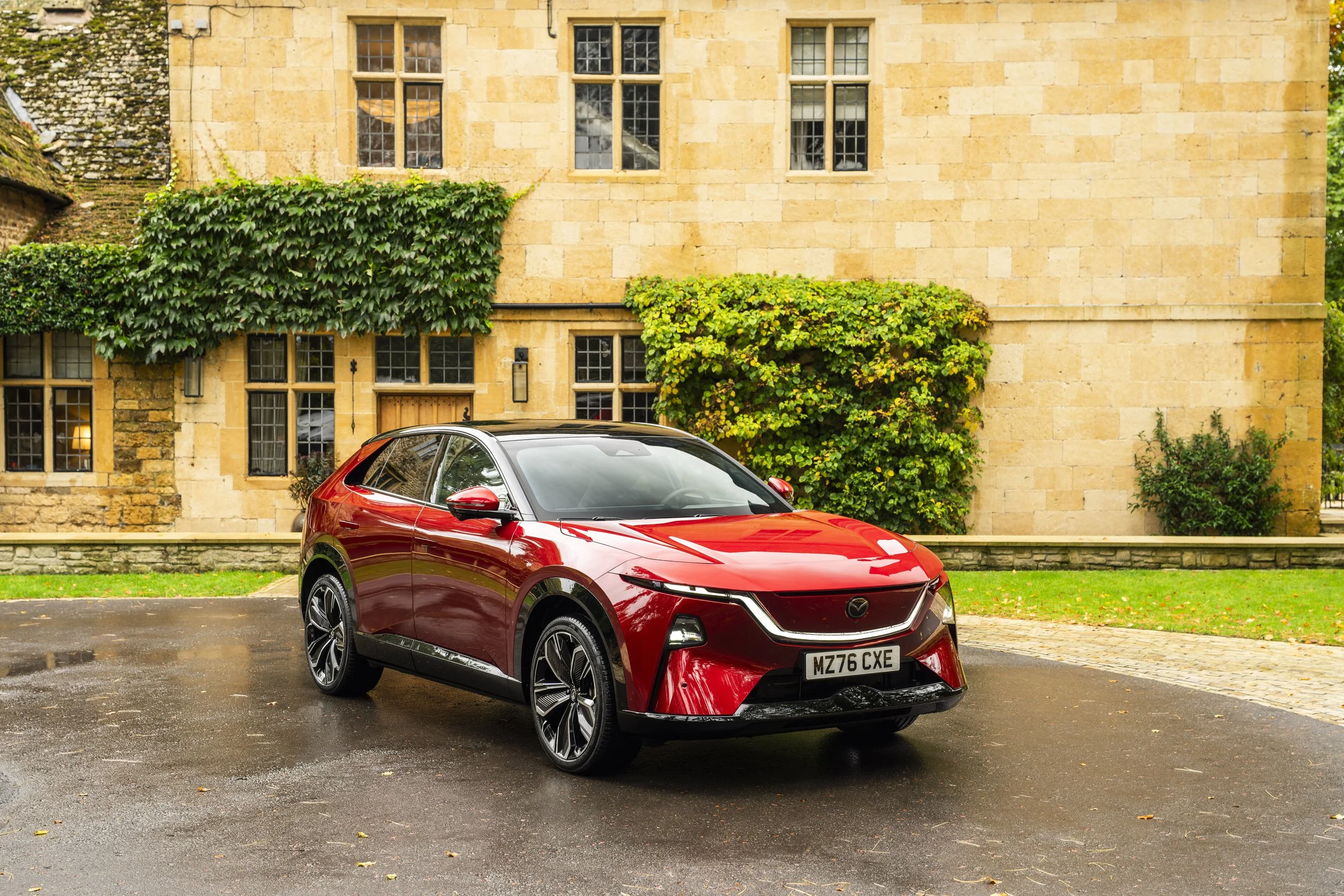
The CX-6e is Mazda’s first electric SUV to be sold in the UK. (Mazda)
Mazda is a brand that thinks outside the box, and in recent years it has shaken up the automotive industry with its left-field approach when it comes to EVs.
Its first EV – the MX-30 – was a sales flop due to its limited electric range, impractical rear-hinged back doors and expensive price tag.
The Mazda 6e came along to take on the Tesla Model 3, though its complex infotainment system and Chinese underpinnings meant it lost some of its Mazda DNA.
Now there is the CX-6e – a premium electric SUV that is going up against the Skoda Enyaq and Kia EV6. So, has Mazda finally made an EV that can be taken seriously? Let’s find out.
Updates
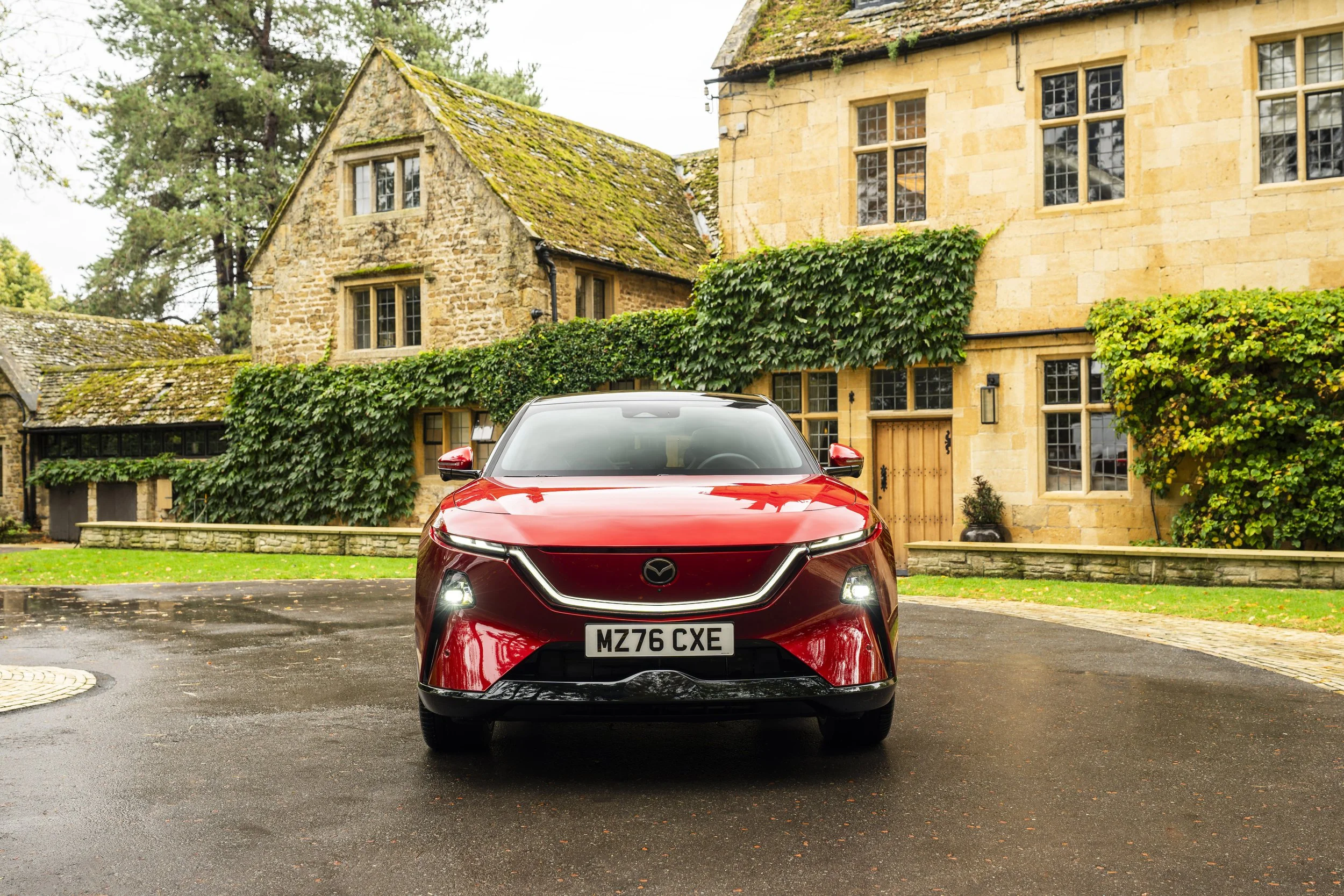
It sits on Changan’s EPA1 platform. (Mazda)
From the outside, the CX-6e looks distinctly like a Mazda, adopting the firm’s Kodo Soul of Motion design language.
However, just like the 6e, Mazda has collaborated with the Chinese firm Changan to produce the car’s underpinnings. It sits on Changan’s EPA1 platform, which is also used in the 6e and Changan Deepal S07.
Inside, Mazda has differentiated the CX-6e’s cabin by focusing on driver engagement, with a wraparound dashboard design and lower seating position.
There's also just one battery pack on offer, while two trim levels are available, with every car coming packed full of the latest onboard technology.
Engines and transmissions
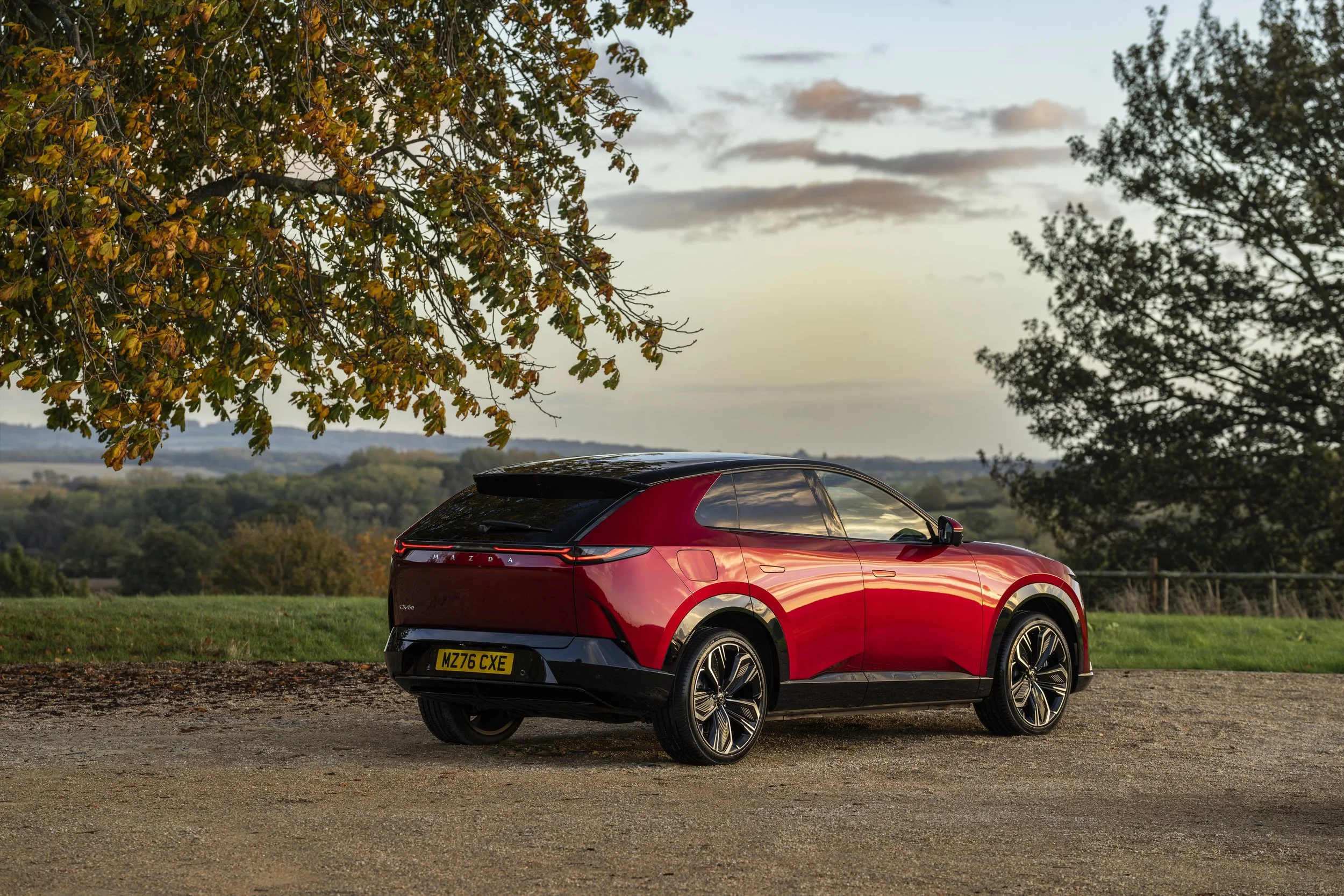
It’s equipped with a 78kWh battery pack. (Mazda)
Underneath, the CX-6e uses the same 78kWh battery pack and rear-mounted electric motor found in the Mazda 6e.
Power is sent to the rear wheels via a one-speed automatic transmission, while this setup produces 254bhp and 290Nm of torque. It can take the car from 0-60mph in 7.7 seconds, and the top speed is 115mph.
Mazda claims the CX-6e can travel up to 290 miles on a single charge, or 300 miles if you spec the car with the smaller 19-inch alloy wheels.
The car also supports 200kW DC rapid charging, allowing a 10 to 80 per cent charge to be completed in 24 minutes.
Behind the wheel
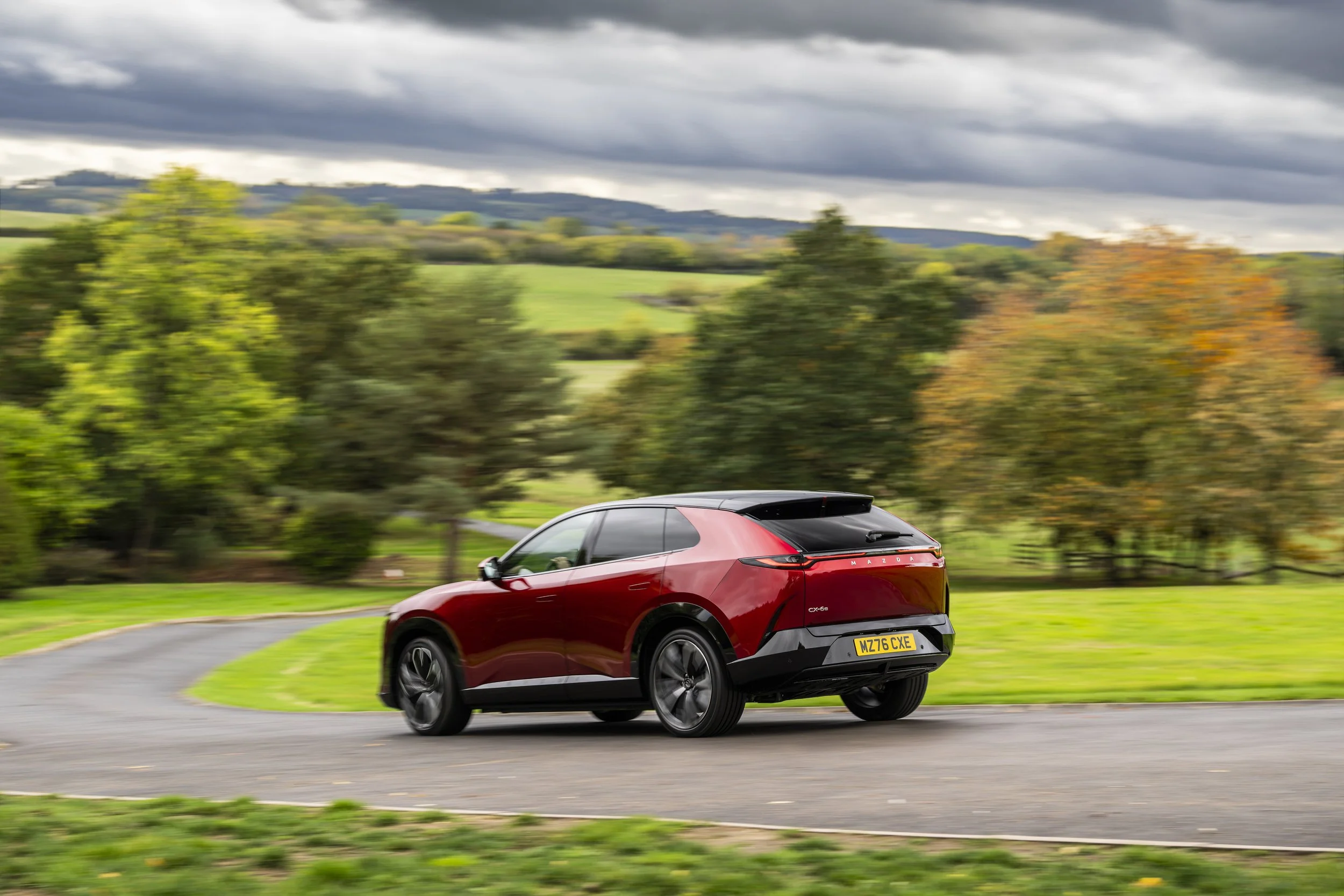
The CX-6e doesn’t feel like a Mazda to drive. (Mazda)
If you think the CX-6e will drive like a traditional Mazda, then you’re going to be disappointed.
Starting with the good points, the car handles surprisingly well for an electric SUV, with a good turn-in and well-weighted steering feel.
It’s also refined at speed, with very little wind, tyre and road noise entering the cabin. However, one of its biggest downfalls is the ride quality.
Our Takumi test car is fitted with the optional 21-inch wheels and low-profile tyres, and although they look good, they ruin the ride comfort. The suspension manages to crash and bounce over every single imperfection in the road surface, while there is a fair amount of body lean in the corners.
It’s also not very efficient, with our test car averaging around 3.3 miles per kWh over a three-hour journey. That works out at a real-world range of around 257 miles – more than 30 miles shy of Mazda’s claimed WLTP figure.
Mazdas have always felt special to drive, thanks to their precise controls and well-set-up chassis. Unfortunately, the CX-6e just feels like every other SUV from behind the wheel.
Looks
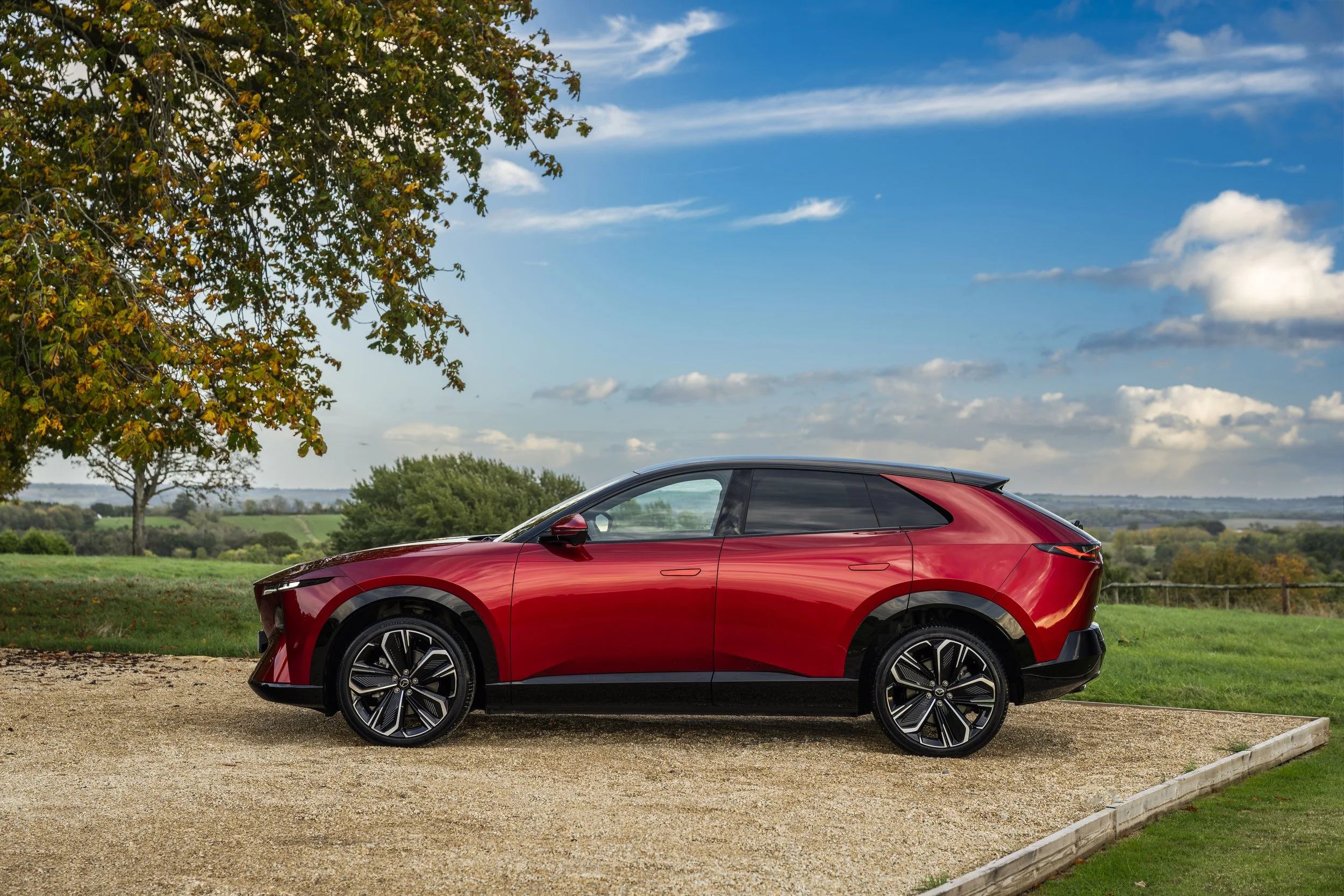
The car boasts Mazda’s Kudo Soul of Motion design language. (Mazda)
The CX-6e is one of the best-looking electric SUVs on the market, with lots of bold lines.
From any angle, the CX-6e looks like a Mazda, boasting the company’s Kodo Soul of Motion design language. At the front, the slim headlights flow into the wraparound lightbar, which also pulsates when the vehicle is charging.
To help with airflow, there is a bonnet intake behind the front bumper, while the side profile continues Mazda’s sporty theme with frameless door surrounds, flush door handles and flared C-pillars.
At the back, the design is a little more controversial, with a sloping roofline that arches down to a flat tailgate and chunky gloss black lower bumper.
Interior and practicality
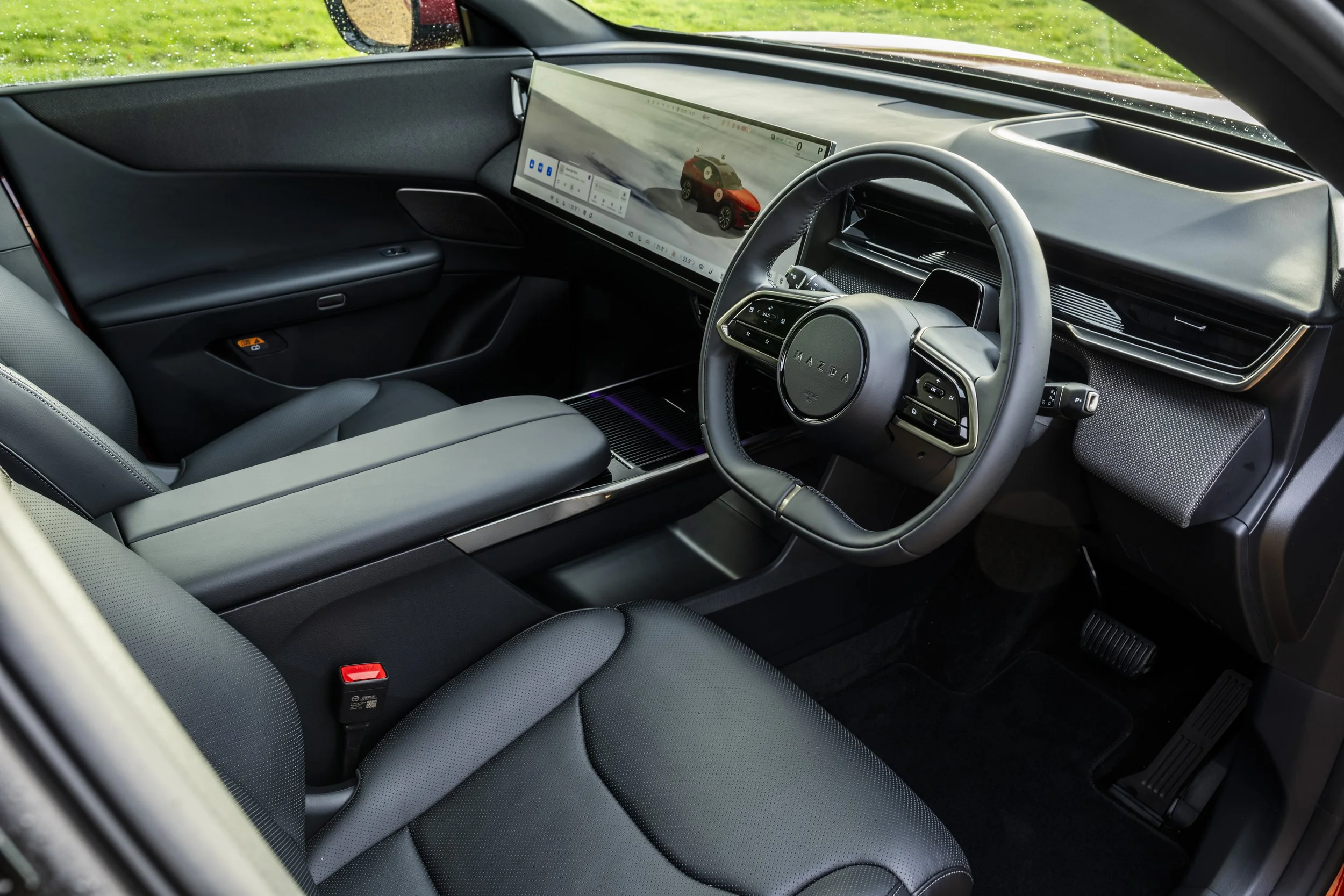
Physical dials have been replaced by a huge 26.45-inch infotainment screen. (Mazda)
Mazda has been renowned for making some of the best car interiors in the industry, thanks to lots of physical switches, low and sporty driving positions, and premium-feeling materials.
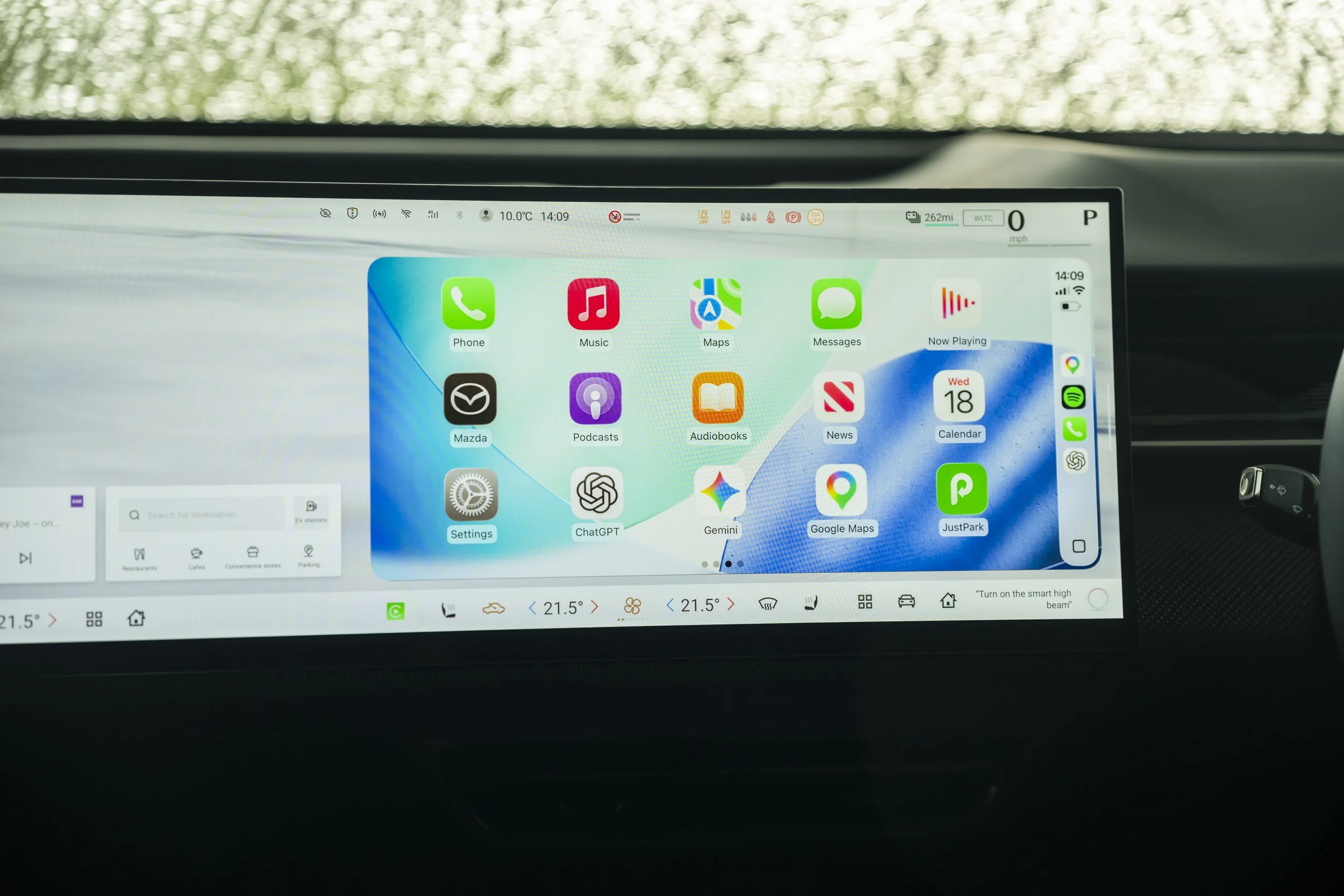
Sadly, the CX-6e doesn’t follow that ethos, with Mazda removing all of the physical controls and replacing them with a huge 26.45-inch central infotainment screen that runs the width of the dashboard.
Despite there being shortcut buttons for you to control on the steering wheel, the lack of physical dials makes everything difficult to operate when you’re on the move. The screen itself is also slow and unresponsive, plus even adjusting the door mirrors has been done using the steering wheel.
At least there are lots of handy cubby holes, with the CX-6e featuring a glovebox, a very deep central storage box under the split centre armrest, two cup holders, a cut-out under the floating centre console and sizeable front door bins.
Space in the back is huge, thanks to the flat floor, which makes it much easier for three people to sit across the rear bench. There is a vast amount of legroom, knee room and headroom, too, despite the car’s standard glass roof, while storage includes two seat-back pockets, a centre armrest with two cup holders and large rear door bins.
Open up the powered tailgate and there is 468 litres of space, while the 60:40 split-folding rear seats lie completely flat to increase that volume to 1,434 litres. In comparison, a Kia EV6 provides 490 litres of room, while the Skoda Enyaq takes the lead with 585 litres.
The Mazda does make up for its lacklustre boot capacity with a large 80-litre frunk and a deep underfloor storage area.
Prices and trim levels
The range starts at £42,990 for the entry-level Takumi grade. (Mazda)
Mazda always offers its cars with lots of standard kit; however, with prices kicking off at £42,990, the CX-6e is significantly more expensive than a Skoda Enyaq.
Takumi (£42,990): The Takumi is the entry-level model, and despite sitting at the bottom of the range, Mazda hasn’t skimped on equipment. Every car comes with an energy-saving heat pump, a powered tailgate, a 360-degree parking camera, a panoramic glass roof, ambient interior lighting, keyless entry, adaptive cruise control and a head-up display.
Takumi Plus (£45,350): The flagship variant builds on the Takumi model, boasting 21-inch alloy wheels, a digital rear-view mirror and door mirrors, heated and ventilated outer rear seats, and a translucent interior styling bar with ambient lighting.
For an additional £1,000, Takumi cars can be upgraded with the larger 21-inch alloy wheels found on the Takumi Plus specification.
Verdict
Mazda produces some of the best driver’s cars, but sadly, the CX-6e isn’t one of them.
Its poor ride quality, confusing infotainment system and Chinese underpinnings make it feel out of place in the Japanese firm’s model line-up.
It certainly has a lot to offer, ranging from its good looks and practical interior to its decent equipment levels and clever onboard technology.
It’s just a shame that Mazda still hasn’t quite cracked this sector of the market, with the CX-6e’s poor cabin ergonomics being a real dealbreaker. With that in mind, there are plenty of European rivals that do things better for less money.
RATING: ★★★☆☆
PROS:
Great looks
Practical interior
Lots of interior space
Decent equipment levels
Good handling
CONS:Extremely firm ride
Expensive
Sluggish infotainment system
Interior ergonomics below average
Not very efficient
FACTS & FIGURES
Model we’ve tested: Mazda CX-6e Takumi 78kWh
Price of test car: £44,799
Engine: 78kWh battery with single electric motor
Power: 254bhp
Torque: 290Nm
0-60mph: 7.7 seconds
Top speed: 115mph
CO2 emissions: 0g/km
Electric range: 290 miles
Maximum charging speed: 200kW
