
Lack of Confidence Behind 73% of Driving Test Failures
Young Driver says learning before the age of 17 can improve confidence, increase first-time pass rates and reduce accidents once motorists hit the road.
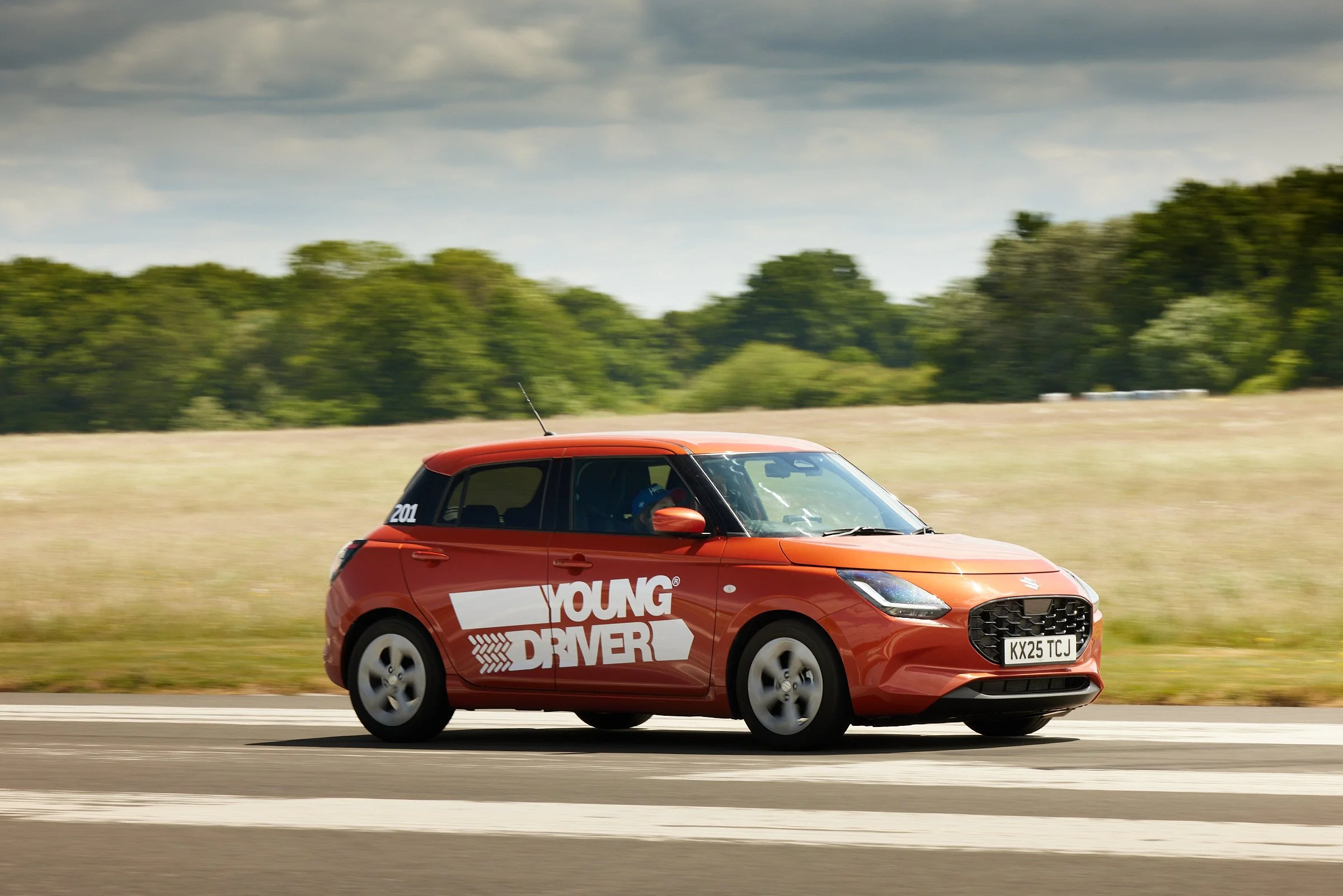
Long waiting times for practical driving tests are piling extra pressure on learner drivers across the UK, with more than half of all DVSA test centres now reporting waits of six months or longer. Against that backdrop, new research suggests that nerves – rather than poor driving ability – are the biggest reason many learners fail.
According to Young Driver, the UK's largest provider of under-17 driving tuition, almost three-quarters (73%) of first-time driving test failures are primarily caused by a lack of confidence behind the wheel rather than insufficient technical ability.
The company believes earlier driver education, before young people are legally allowed to drive on public roads, could play a significant role in improving pass rates while also creating safer drivers.
Ian Mulingani, Managing Director of Young Driver, said long waiting times only increase the frustration for learners who fail their first attempt.
"Having appropriate levels of confidence during your test is vital, and combined with the right technical skills, will give you the tools you need to pass first time. Early driver training, well before youngsters hit 17, boosts that confidence and ultimately creates safer drivers."
Confidence Matters More Than Skill
Young Driver surveyed 150 Approved Driving Instructors (ADIs), with 89% saying they had taught pupils they expected to fail purely because nerves got the better of them on test day.
The research also found that 65% of instructors had experienced pressure from learners or their parents to book a practical test before they were genuinely ready.
Interestingly, only 2% of instructors believed over-confidence contributed to test failures, suggesting anxiety is a far more common obstacle than complacency.
Better Pass Rates
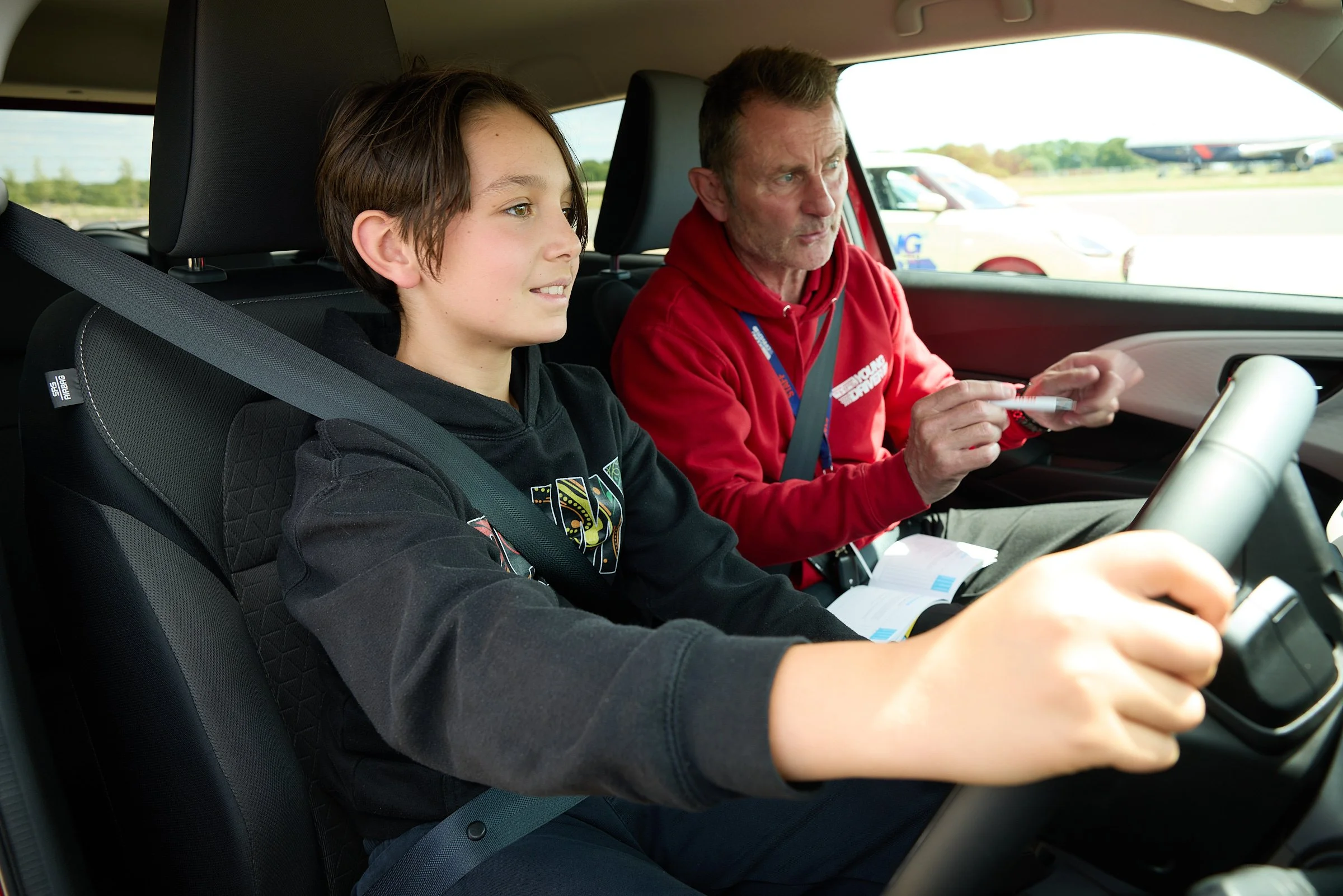
Young Driver says its approach is paying dividends. The organisation claims that 73% of its former pupils pass their practical driving test at the first attempt, compared with the current national average of around 47%.
The company has delivered almost 1.7 million lessons over the past 16 years, operating from more than 70 venues across the UK using a fleet of 170 Suzuki Swift training cars. Children can begin driving from the age of nine, while even younger children can learn basic vehicle control using the purpose-built Firefly Sport EV from the age of four.
Fewer Accidents After Passing
Young Driver believes the biggest benefit extends beyond simply passing the driving test.
A survey of 450 former pupils who had passed their driving test within the previous three years found that just 3.3% had been involved in a crash during the first six months after passing their test.
That compares with a reported national average of around 20% during the same period – often regarded as the highest-risk time for newly qualified motorists.
Mulingani believes those figures demonstrate the long-term benefits of introducing structured driving education at a younger age.
"Teaching kids to drive in their earlier years is not only fun, but also creates safer drivers who are more likely to pass their tests first time."
With driving test waiting lists continuing to stretch across much of the UK, improving confidence before learners ever book their first lesson could prove just as valuable as mastering manoeuvres or perfecting parallel parking.