
Fiat 500 Hybrid Review: lots of charm, but it’s rather slow
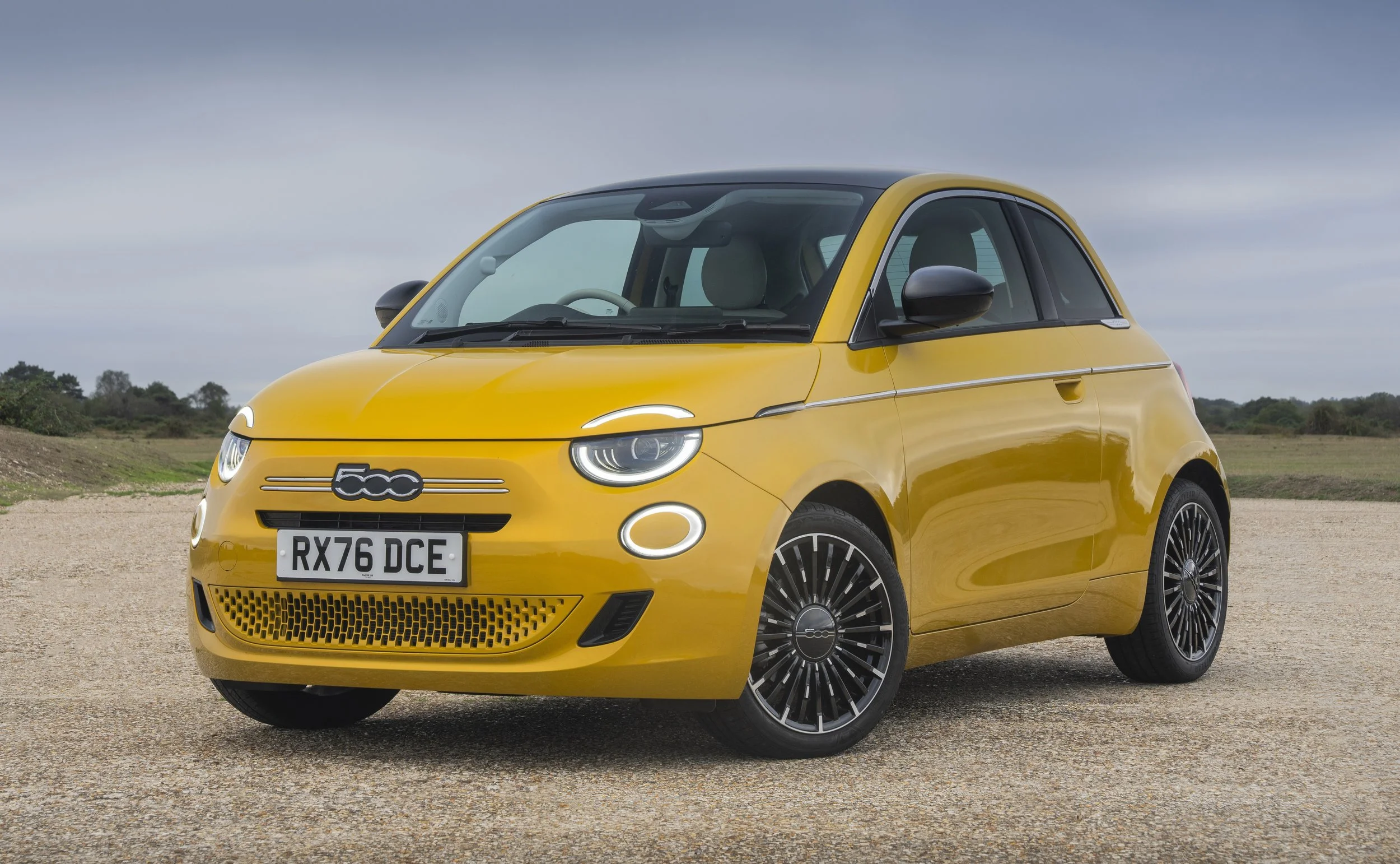
The 500 is one of Fiat’s most successful models. (Fiat)
Small cars are Fiat’s bread and butter, and it has been the king of this segment since the original 500 went on sale back in 1957.
In 2008, the return of the 500 nameplate gave Fiat a new lease of life for the 21st century and nearly 20 years on, it’s still synonymous with the brand.
In 2020, Fiat moved its beloved city car into the electric era with the 500e, though its limited range meant that sales weren’t as strong as its petrol-powered stablemate.
For 2026, Fiat has had a rethink and squeezed a tiny petrol engine into the 500e to make the 500 Hybrid – a cheeky, stylish city car that offers a conventional powertrain for a similar price.
Updates
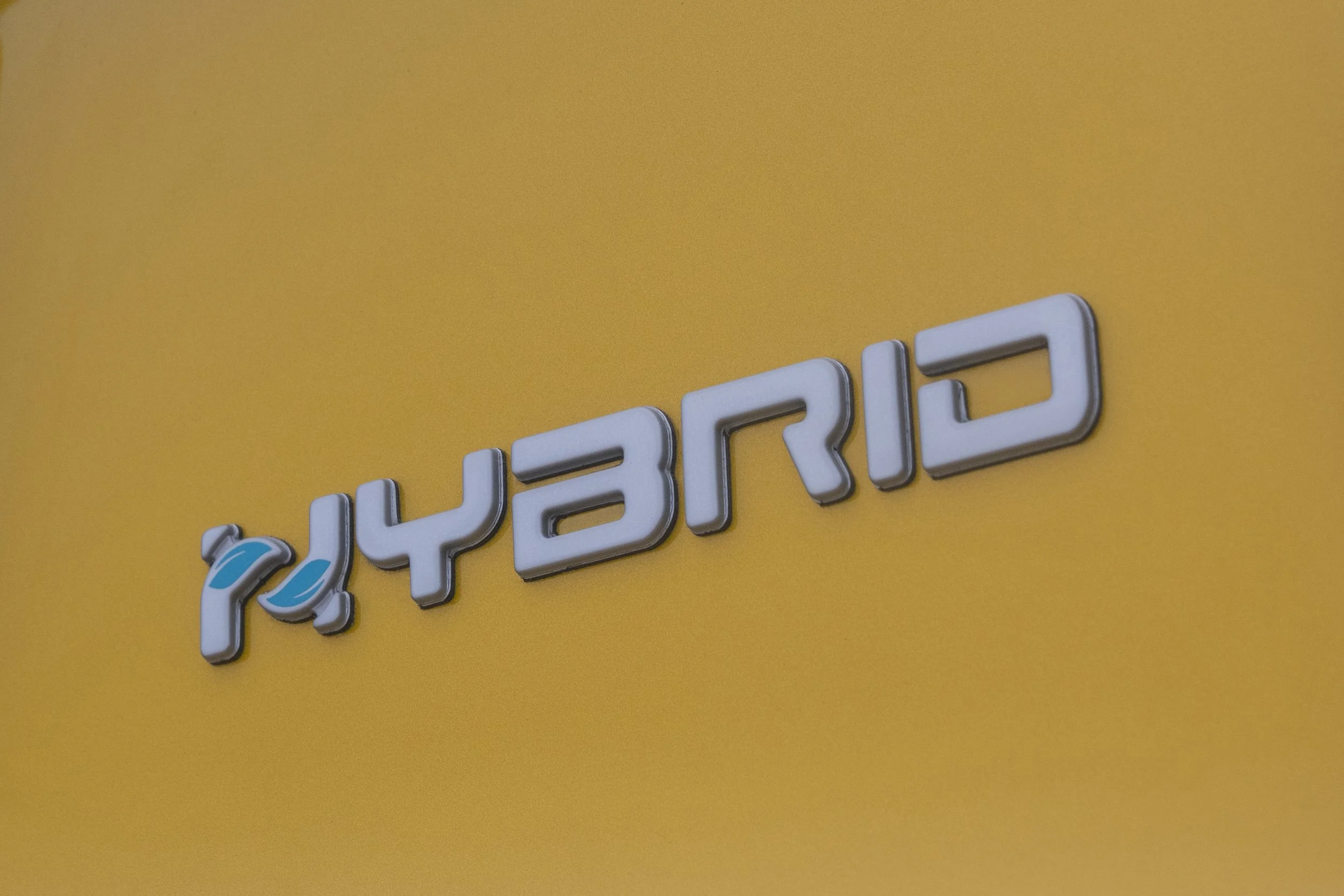
The Hybrid model will sit alongside the electric 500e. (Fiat)
You could easily mistake the new 500 Hybrid for the 500e as it’s essentially the same car.
Underneath, it’s based on the same ‘EV’ platform, and the interior remains unchanged.
Open the bonnet, and the electric motor has been swapped for a 1.0-litre three-cylinder petrol engine, while the front end gains a tiny front grille located on the bumper to allow air to keep the powertrain cool.
Apart from those changes, the recipe remains identical to the standard 500e, which means you still get the same tall, bubble-shaped silhouette and bright, colourful cabin design.
Engines and transmissions
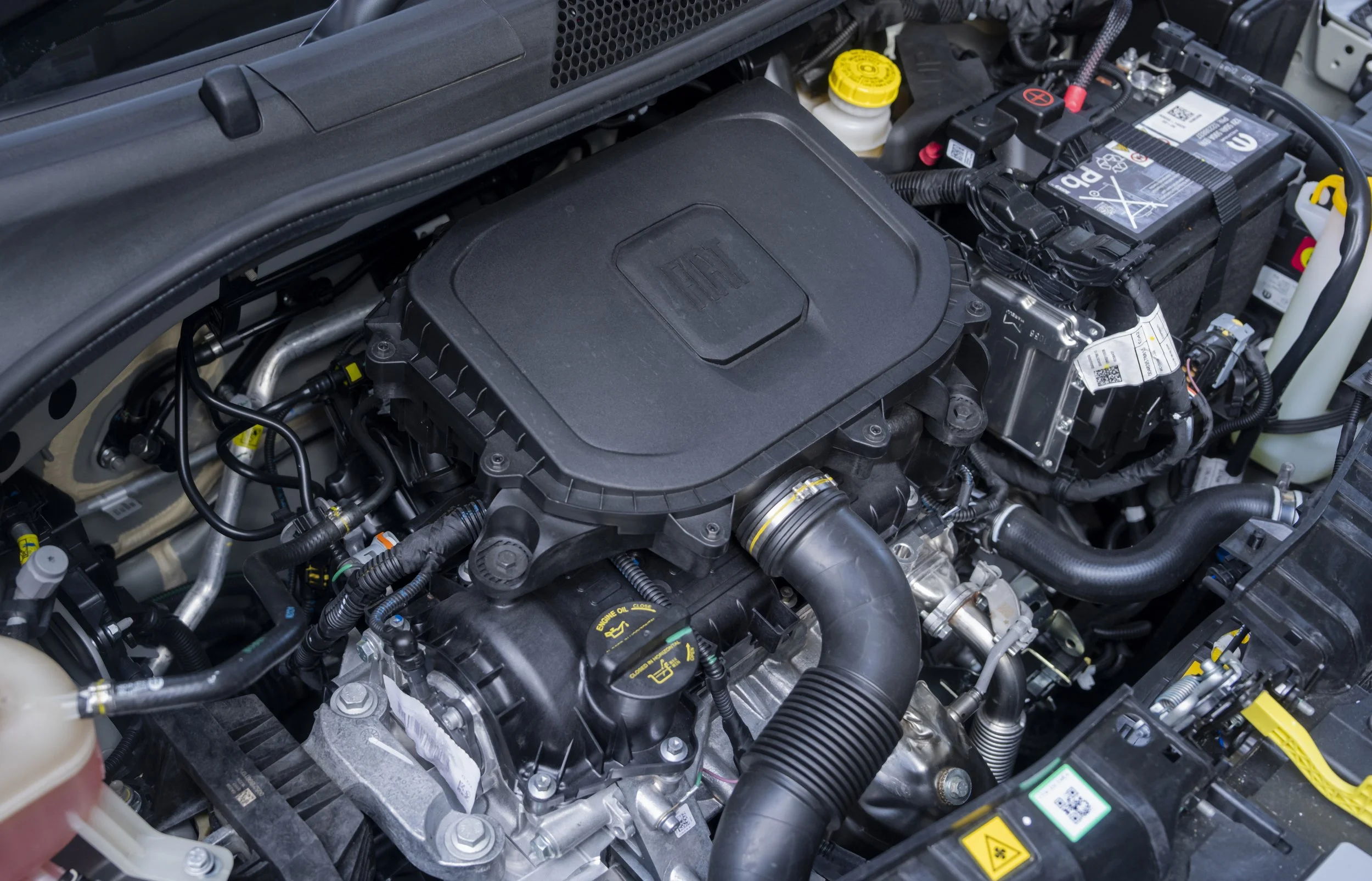
The 1.0-litre petrol engine produces 63bhp and 92Nm of torque. (Fiat)
The 500 Hybrid is only available with one powertrain, and that’s Fiat’s renowned 1.0-litre three-cylinder naturally-aspirated ‘Firefly’ petrol engine. To boost efficiency, the setup features a small 12-volt battery, while all cars send their power through to a standard six-speed manual gearbox.
In terms of performance, don’t expect the 500 Hybrid to win any sprint races, as the 1.0-litre engine only produces 63bhp and 92Nm of torque. That means 0-60mph takes a lethargic 16 seconds and the car has a top speed of 96mph, making it one of the slowest new cars on sale.
Behind the wheel
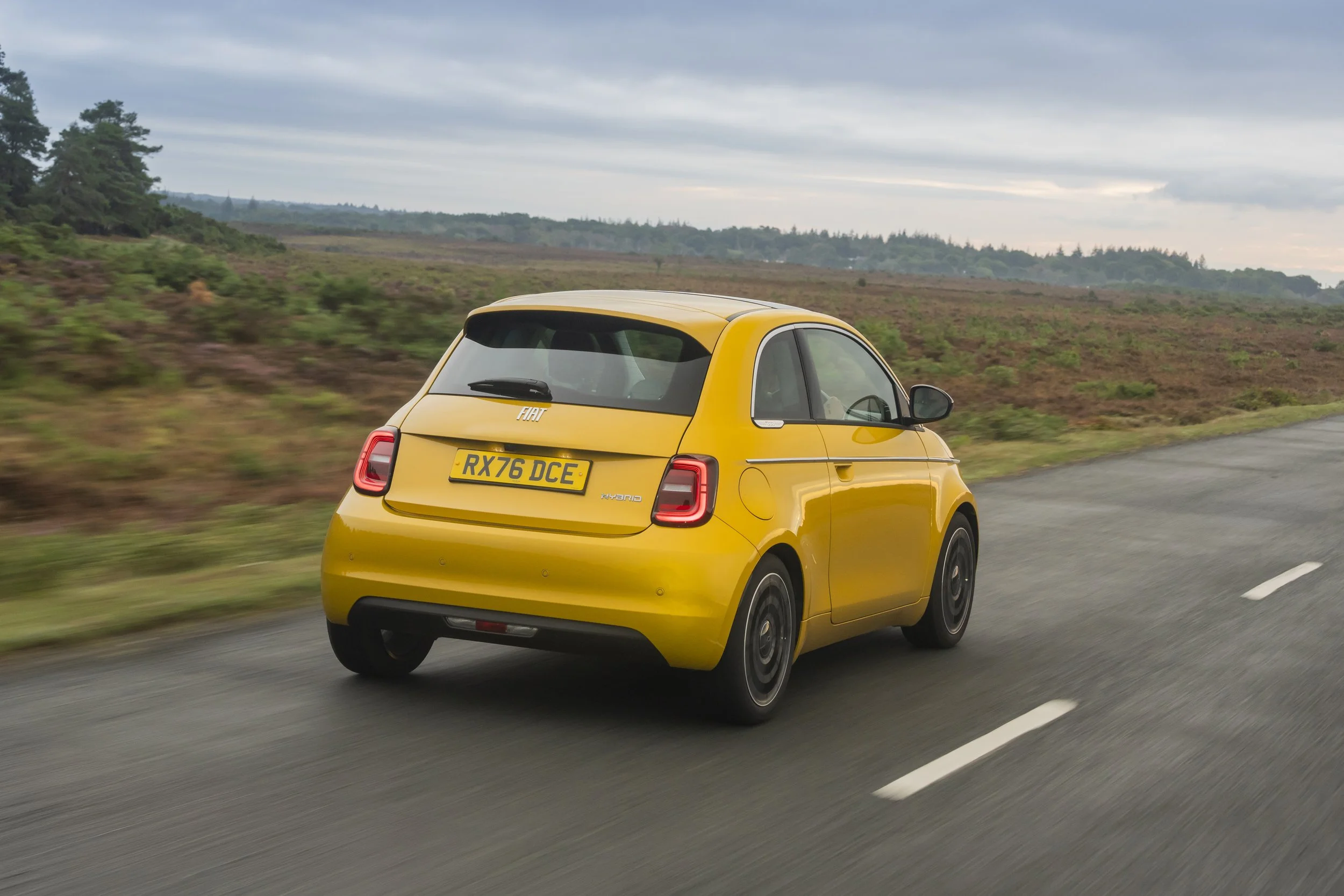
The engine is very underpowered. (Fiat)
The lack of power is evident when you take the 500 Hybrid on the open road, as you really have to work through the six-speed manual gearbox in order to make progress.
Drive up a steep incline and the car struggles, while there isn’t much in the way of low-down grunt. However, around town, that lack of power is less apparent, as the 500 is easy to drive thanks to its light clutch pedal, gearbox and steering.
The ride isn’t the most composed over bumps, but the small dimensions and manual gearbox make it a lot of fun, whether you’re popping into town or driving on a twisty road.
Unfortunately, that light steering is a trade-off at higher speeds, with very little feedback from the front tyres, which can make the car feel nervous on a B-road. Plus, the awkward pedal positioning means there is no room to put your left foot when driving.
Styling
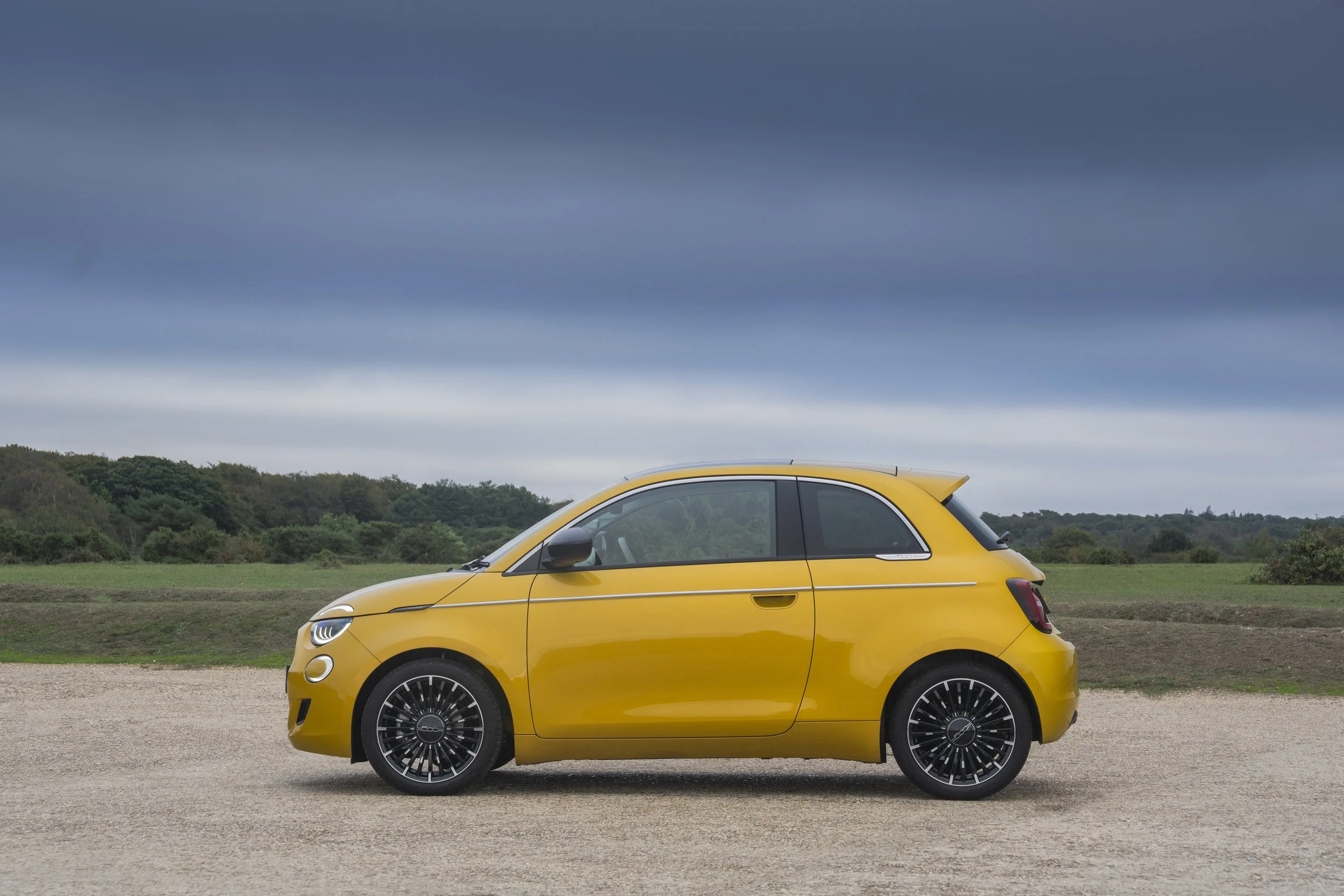
The 500 Hybrid looks almost identical to the 500e. (Fiat)
Small Fiats are all about offering style on a budget and the 500 Hybrid oozes design and flair.
The bubble-shape proportions make it instantly recognisable as a Fiat 500 with its circular front headlights, triangular taillights and clam shell-shaped bonnet.
Every car also comes with electronic, flush door handles to improve efficiency, while Fiat has ditched grey in favour of lots of vibrant exterior colours such as Yellow Gold, Ocean Green, Rose Gold and Red by (RED).
Interior and practicality
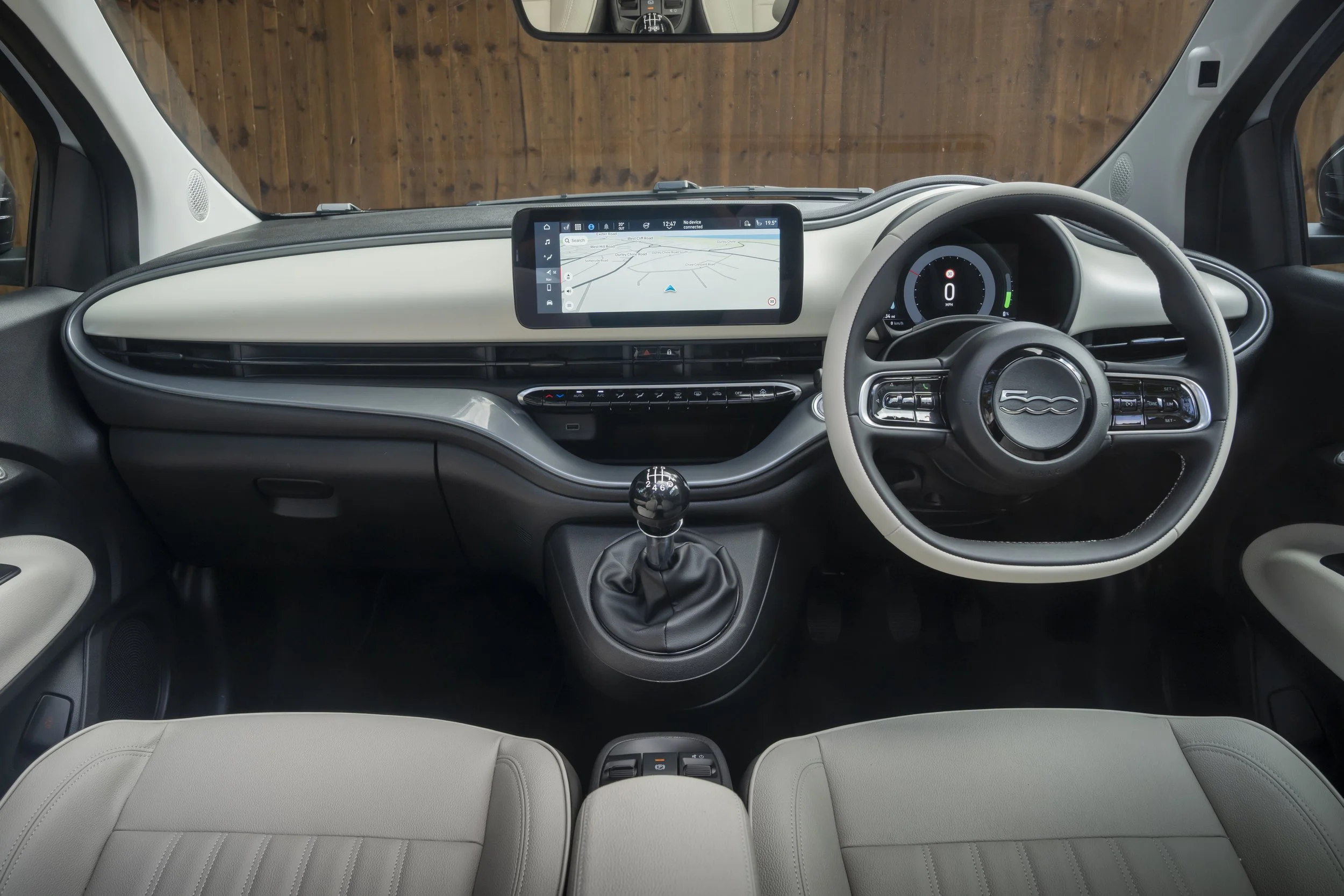
The cabin has a bright ambiance with a decent amount of storage. (Fiat)
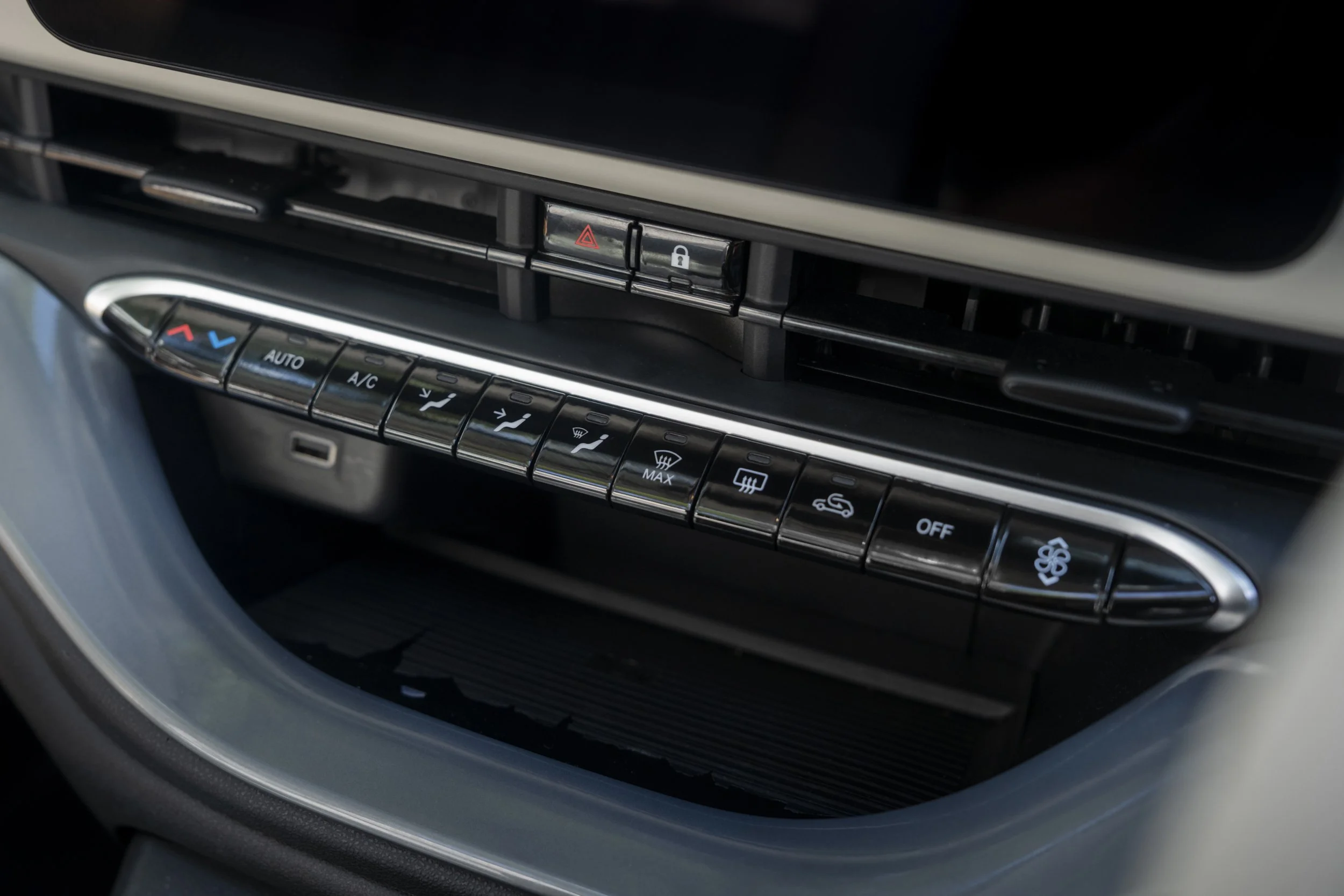
The cabin is identical to the 500e, which means there is a curved dashboard with lots of physical dials.
Our test car comes with the optional Fiat Ivory ‘Cannelloni’ eco-leather upholstery which adds a lot of colour and makes the cabin feel much airier.
Interior quality isn’t the best, with lots of hard, scratchy plastics, but we can forgive it for being a cheap car.
Storage is plentiful, with a deep glovebox, a handy centre console storage tray, a place to store your mobile phone under the climate control dials, large front door bins and a centre armrest secret compartment.
Space in the back isn’t as impressive with the back seats only suitable for very small children. Legroom, kneeroom and headroom are limited, while the 500 Hybrid is a strict four-seater.
Boot space is also a compromise with just 183 litres on offer – that’s 72 litres less than a Kia Picanto – and the 50:50 split-folding rear seats only increase that room to 440 litres.
Prices and trim levels
Prices start at £18,995 for the entry-level Icon model. (Fiat)
Fiat likes to keep things simple, so the 500 Hybrid is only available in three trim levels: Icon, Torino Launch Edition and La Prima.
Icon (£18,995): The Icon is the entry-level model and comes with a decent amount of standard kit for the money, including automatic climate control, 16-inch alloy wheels, a 10.25-inch infotainment system with DAB digital radio and rear parking sensors.
Torino Launch Edition (£18,995): The Torino Launch Edition will be available for a limited time and boasts unique ‘Torino’ badges, fabric and vinyl seat upholstery, LED headlights and 16-inch alloy wheels.
La Prima (£20,995): The La Prima is the flagship model and adds lots more on top of the entry-level Icon with 17-inch alloy wheels, a fixed glass panoramic roof, heated front seats and steering wheel, and a satellite navigation system.
Prices start at £18,995, which makes it £2,650 cheaper than the Toyota Aygo X, though it’s £1,900 more expensive than the most basic Kia Picanto, which offers more space for the money.
Verdict
Fiat can’t go wrong with the 500 Hybrid as it adds more convenience into a stylish, cheeky and characterful package.
The 1.0-litre petrol engine is very underpowered and the limited interior space means that the Kia Picanto is a better all-rounder; however, very few cars provide as much charm and pedigree as the Fiat 500.
The 500 Hybrid is a great candidate if you plan to drive in and around town, although there are better alternatives on the market that offer more space for the money.
Star rating: ★ ★ ★ ½ ☆
Pros:
Oozes style
Good fun to drive
Light controls
Decent interior storage
Cons:
Extremely underpowered
Cramped rear seats
Small boot
Bouncy ride
Strict four-seater
FACTS & FIGURES
Model we’ve tested: Fiat 500 Hybrid La Prima manual
Price of test car: £21,545
Engine: 1.0-litre three-cylinder petrol with 12-volt battery
Power: 64bhp
Torque: 92Nm
0-60mph: 16 seconds
Top speed: 96mph
MPG: 54.3mpg
CO2 emissions: 117g/km
