The Small Electric Hatchback - Past, Present and Future
The Past
The first round of small electric cars to launch early last decade were expensive and, not only short in length, but also short in range. And there wasn’t a great deal of choice, either.
Initial offerings that launched closed together were from the rather chique looking Renault Zoe and futuristic looking BMW i3. Both excellent cars in their own right, but were un-cheap and needed charging frequently.
However they’ve now attained a somewhat legendary, early-adopters status among enthusiasts of small, high-volume production electric cars.
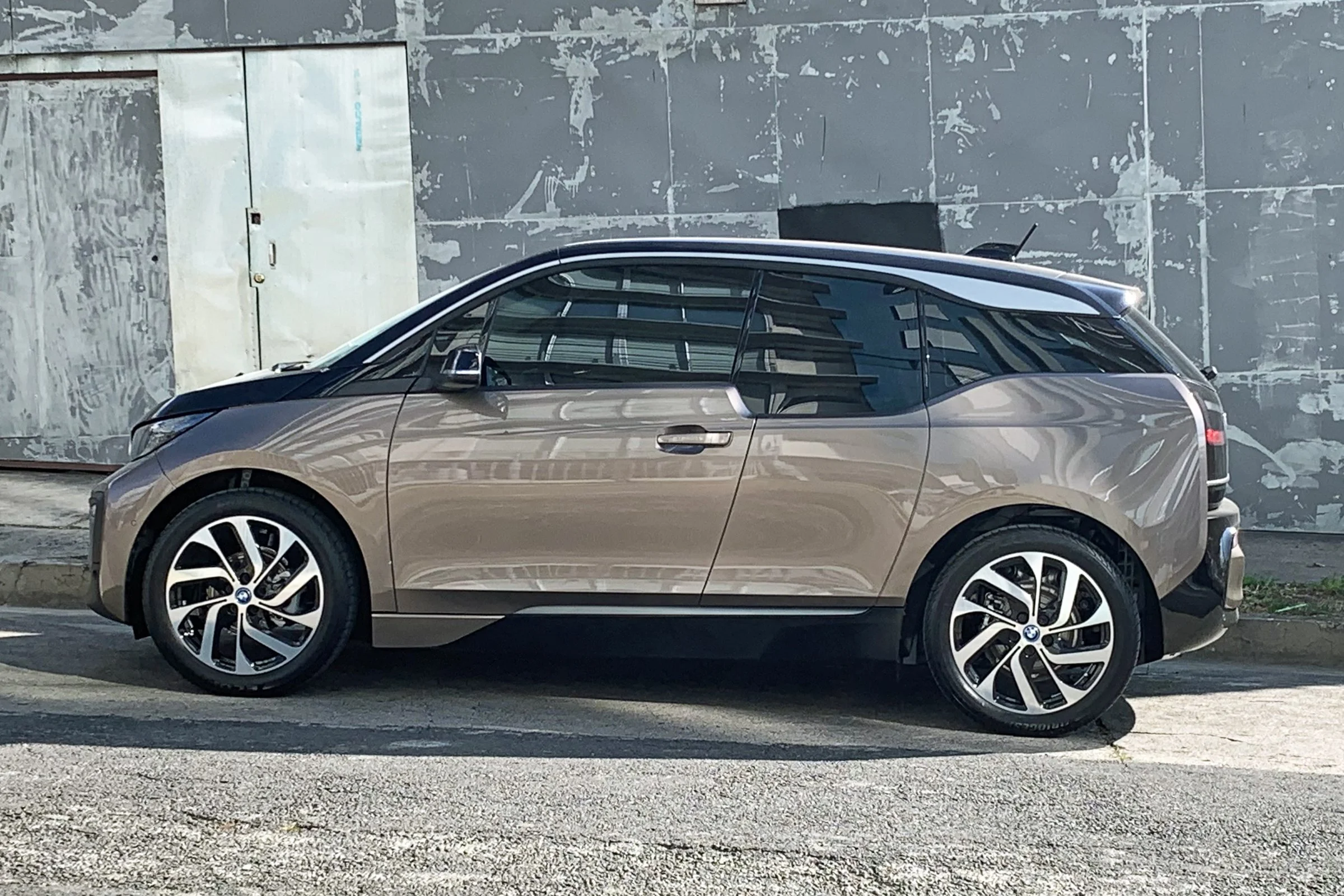
BMW i3
In 2013 Smart joined the gang launching its ForTwo with a tiny 17.6 kWh battery pack. The all-new Smart ForTwo and ForFour EQ launched a few years later with the same battery offering limiting range, but it was perfectly adequate around town.
Last up from those early days was the Volkswagen eUP, launched in 2014 with a tiny 18.7 kWh battery, it was good for only 50 - 70 miles of real-world range.
Before the then Government grant was applied, the eUP was priced at £24,250, but the £5,000 grant deducted from that eased the pain a little.
The eUP was refreshed in 2018 and Volkswagen doubled the battery capacity, with the new battery pack finding its way into its sister cars, the Skoda CitiGo and Seat Mii for the first time. They all had a very usable 160 miles of WLTP range.
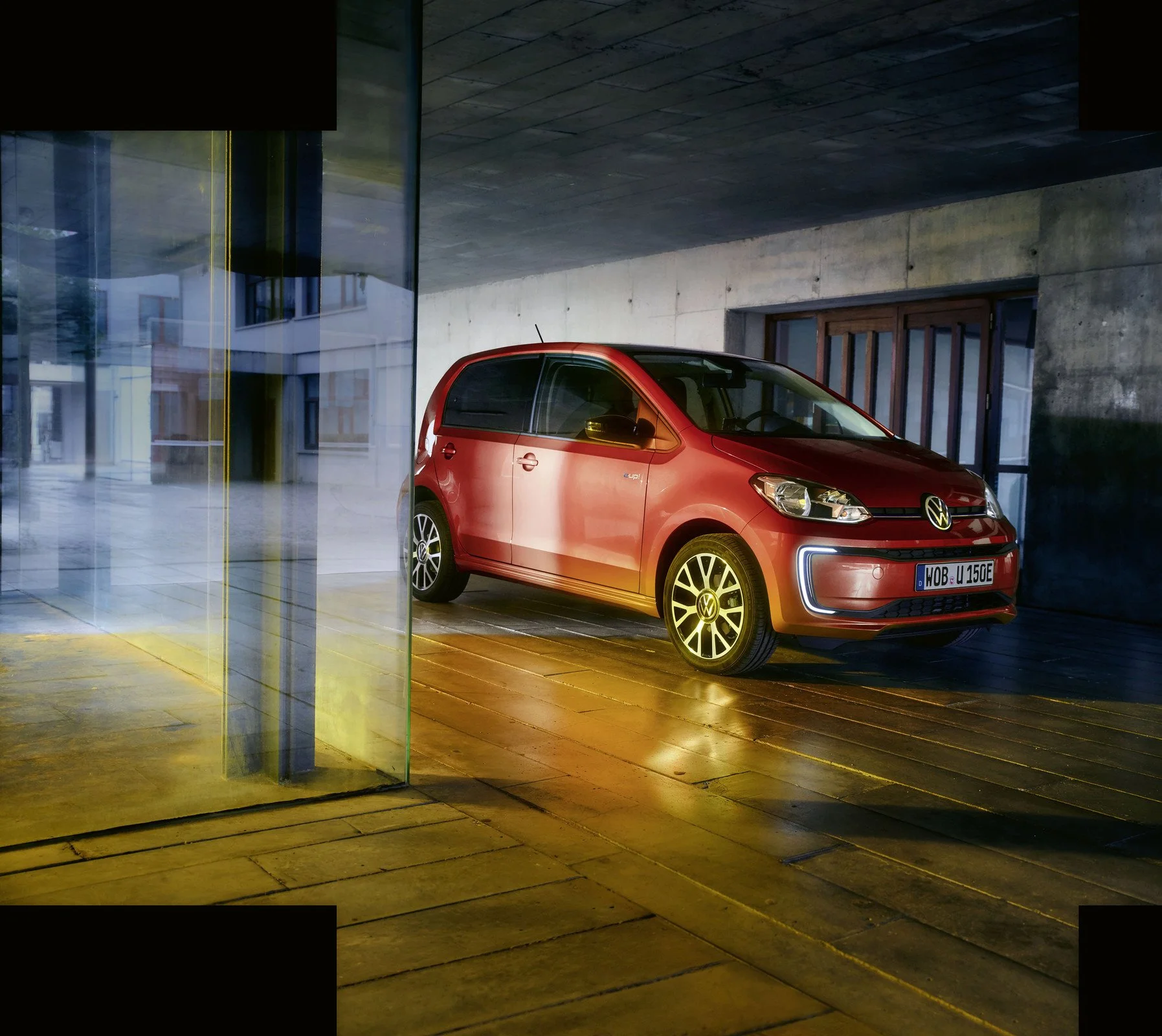
Volkwagen eUP!
Along with a flurry of other small electric cars launching, BMW revealed its MINI Cooper SE 3-door electric hatchback in 2019 igniting excitement among MINI fans and those looking for a fun and entertaining small electric car to drive. It didn’t disappoint, either.
And the last of the old batch to be quietly phased out was the absolutely brilliant Honda E. Full of high tech features such as a full width LED display, door mirrors replaced with cameras and one pedal driving, it was designed close to its concept car and grew a strong following.
However, it was unfortunately let down by a very high price point and low range and Honda retired it after four years on sale.

Honda E
The Present
Just as the world turned upside down in 2020, Stellantis hit the market with their small hatchbacks; Vauxhall produced an electric Corsa e, Peugeot made an electric e208 and Fiat came up with a bespoke EV platform for its electric only 500e.
And thanks to those troubling times, factories were closed and chip supplies stopped altogether just as the electric car market was hotting up with some genuinly promising new cars.
This literally meant prices went crazy as supply chains froze, demand for new cars surged and those new offerings from Stellantis were unfortunately priced on the expensive side. This presented Stellantis with a hard sell as it was forced to price small electric hatchbacks at SUV prices.
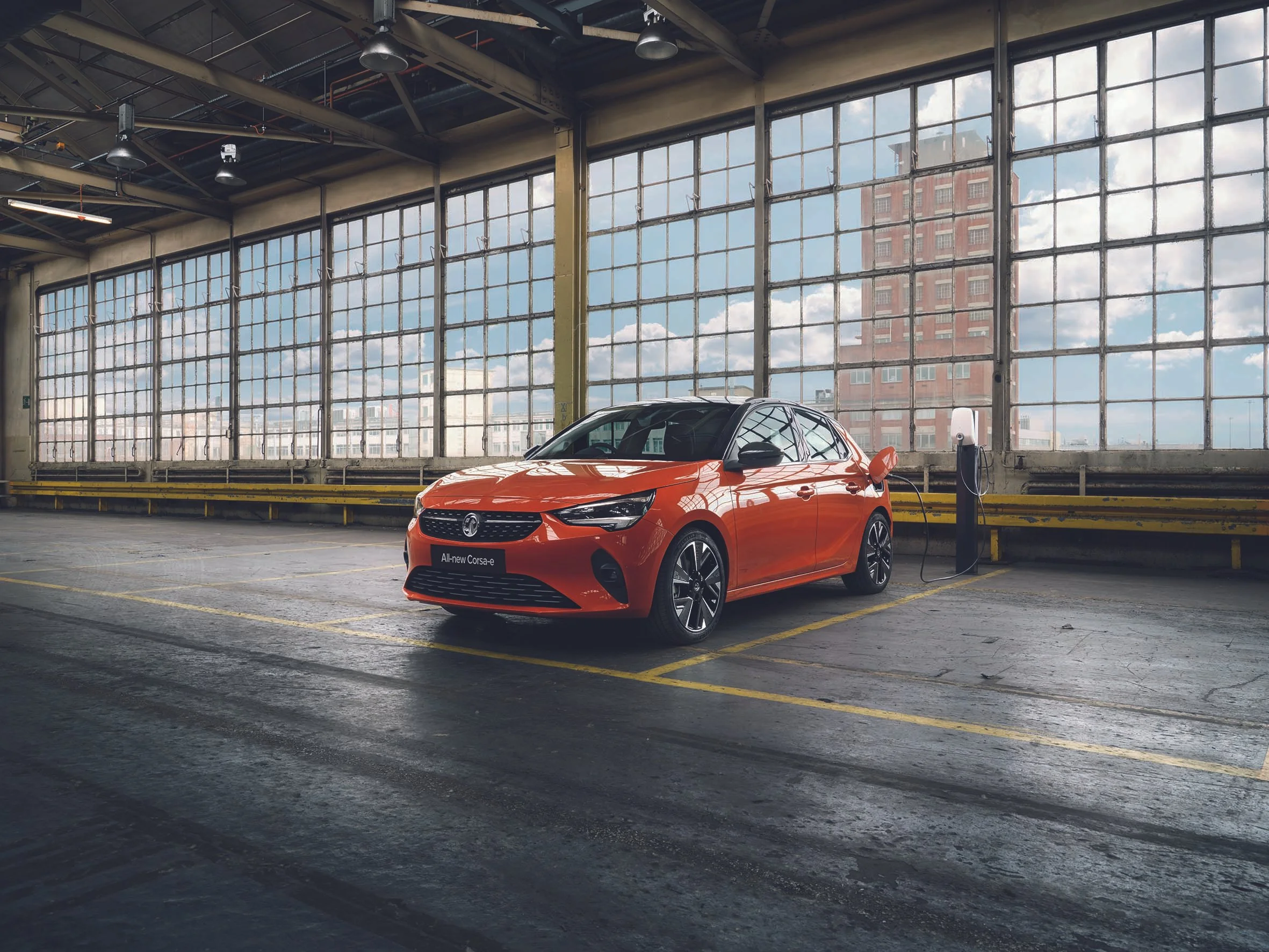
2020 Vauxhall Corsa e
But it didn’t stop progress. There are now plenty more small electric cars to choose from. MINI returned with a new electric hatchback complete with two battery options in the Mk4, giving the longest range MINI a very usable 249 miles of range.
BYD delivered its well-equipped small Dolphin Surf, marketed in other countries as the Seagull. And even Dacia made it’s first small EV with the Spring.
However, what pricked everyone’s ears was Renault replacing the now aged Zoe with the stunning Renault 5 and the even more stunning Alpine A290 hot hatch version.
Stellantis made a return with new Chinese brand Leapmotor. It’s T03 (no, it’s not a baby Terminator) represents a turning point for Stellantis showing they do have a few tricks up their sleeve to offer great value EVs.
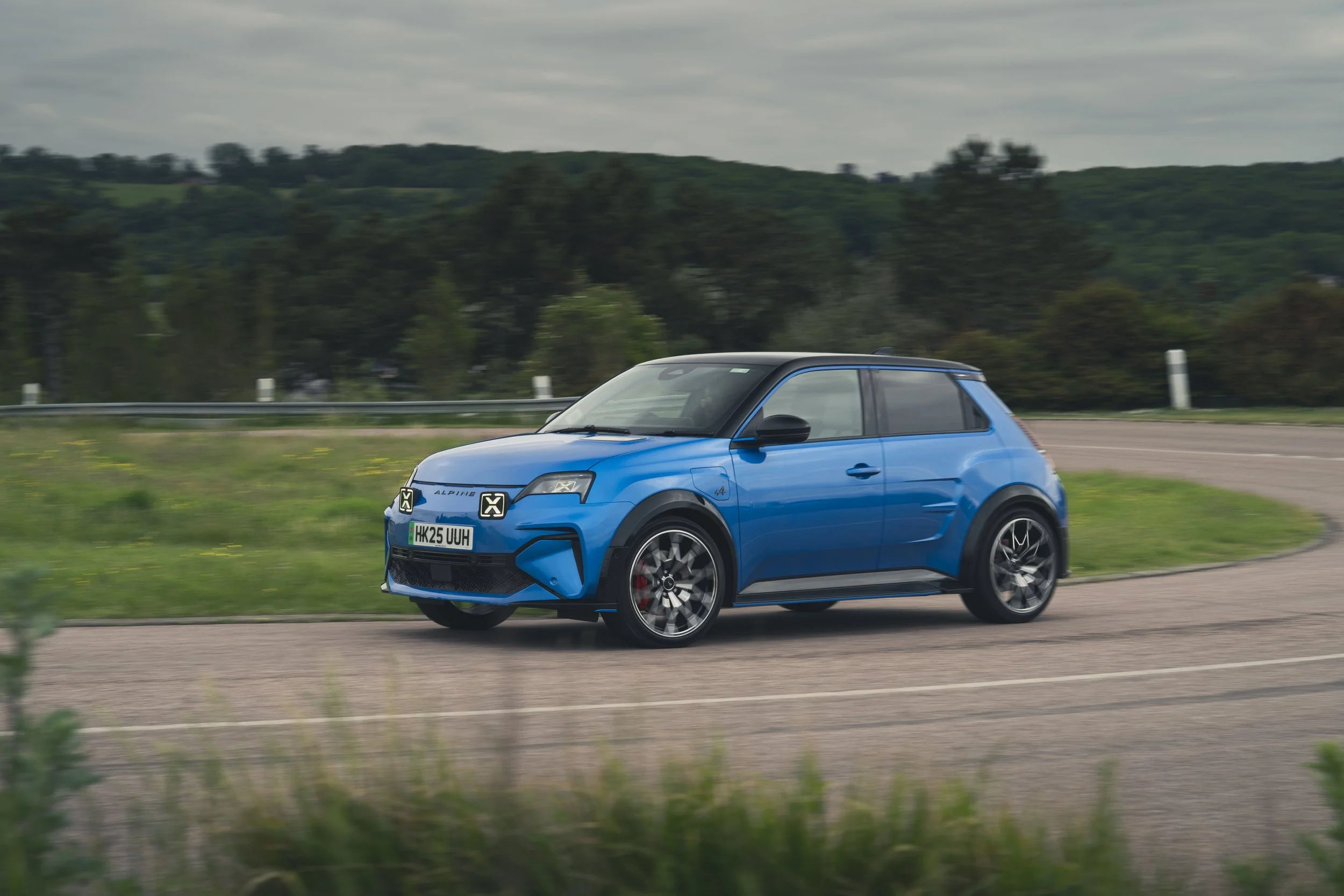
Alpine A290
The Future
What is astonishing is that for all the small electric hatchbacks that have arrived over the last 14 years, the same number of new small electric hatchbacks is due to launch in 2026 alone!
The most hotly anticipated cars are likely to be the Volkswagen ID.Polo, built on a new version of the MEB platform called MEB+, and resplendent with physical pushy buttons and dials. The ID.Polo not only returns Volkswagen to familiarity, but this new car is the start of VW’s big refresh. And there’s even a hot GTI version on its way, too! Exciting times.
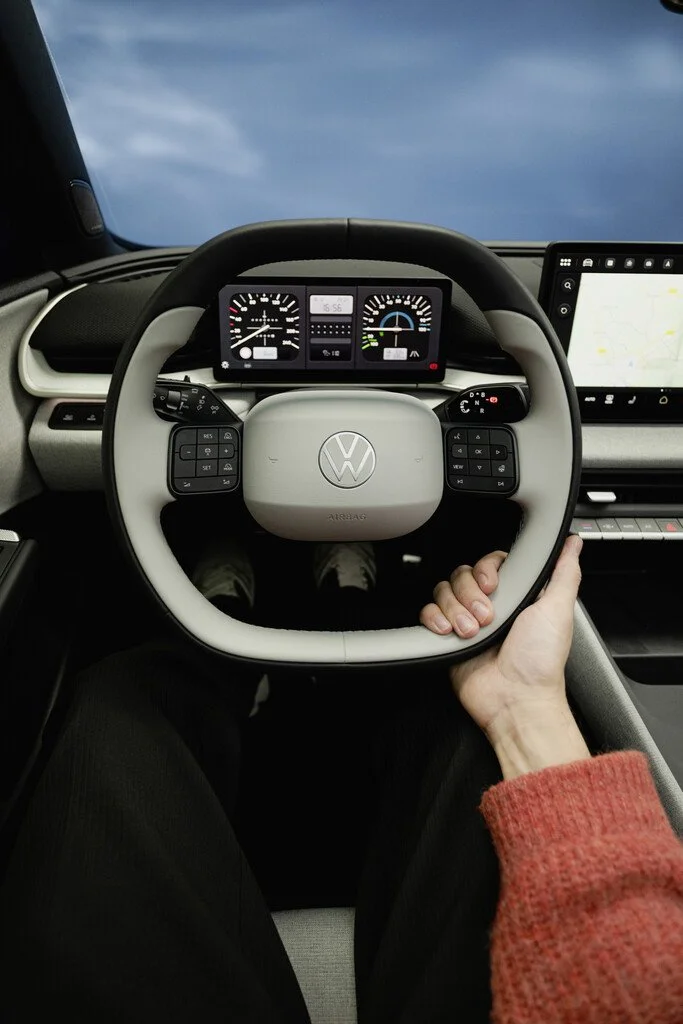
Volkswagen ID Polo Interior with buttons and dials
Along with the Renault 5 and Renault 4, the Twingo electric is due to arrive with a design that harks back to the chique 90’s Twingo from the Ooh-la-la days.
And shared with the Twingo, Nissan will launch it’s Pixo replacement (yet to be named), as well as launching the all new Micra, which it shares its platform with the Renault 5.
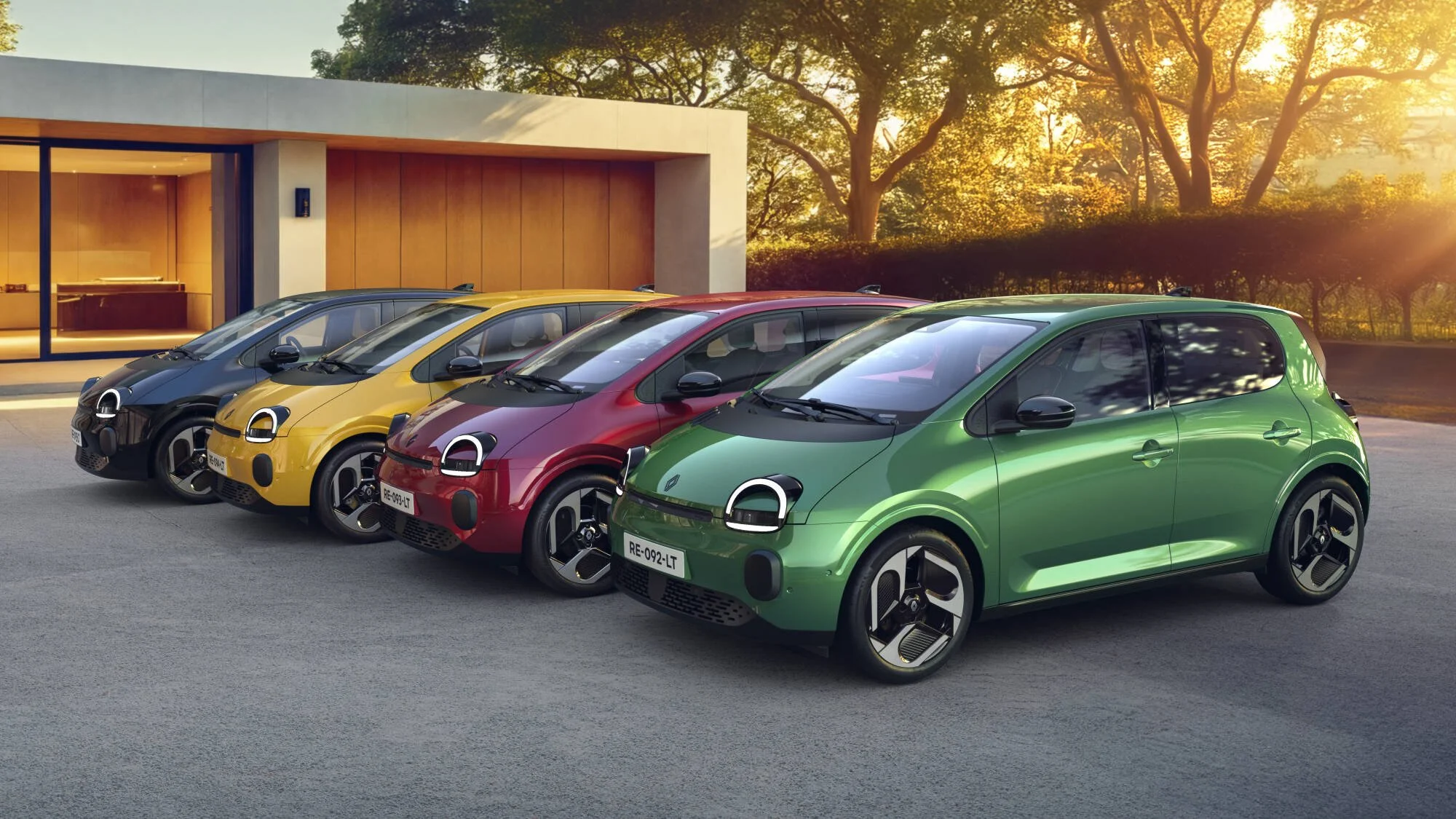
Renault Twingo’s
There are a few surprises coming, too. Honda is expected to launch its electric Kei car in the U.K. called the Honda Super N (see thumbnail picture) and Nio is launching its sub-brand the Firefly which makes for more than a passing resemblance to Honda’s old small hatchback, the E.
From the Volkswagen family, albeit less hotly anticipated, is the Skoda Epiq and Cupra Raval. No word on buttons yet.
And Stellantis will introduce the Mk2 Leapmotor T03 and Fiat Grande Panda, albeit Grande meaning that it’s somewhat chunky, but with a trick up its sleeve - it has a tethered Type 2 charging cable tucked in its nose and concealed behind the grille.
Stellantis’ French brand, Peugeot, is promising to launch the e208 GTi which should make for an entertaining drive before an all-new e208 launches in late 2026.
We may even see the replacement for the Smart For Two with it’s new hatchback renamed #2. No specs have been revealed yet, but I think it’s safe to say that Smart will have moved on from it’s 17.6 kWh battery pack found in the previous generation ForTwo.
Also in the pipeline is Kia’s answer to the Hyundai Inster with the EV2. There’s even a rumoured Hyundai IONIQ 2 on the cards, which should sit below the Inster.

Smart #2
If prices are kept at a reasonable levels with this flurry of new small hatchbacks coming to market, with some, if not all qualifying for the EV Car Grant, there could be an absolute surge in demand throughout 2026 and 2027 for this next wave of small electric cars.
Will this be enough to reach the targeted 33% ZEV Mandate? Time will tell, but a lower entry point for electric vehicle ownership could mean higher demand and many more smaller EV’s hitting our streets in increasing numbers.
———
About the Author
Graeme Cobb is a lifelong car enthusiast with a passion for writing about cars, EVs, industry updates and more.
You can find Graeme on 𝕏 at @graeme_cobb or YouTube @REV-EV.